
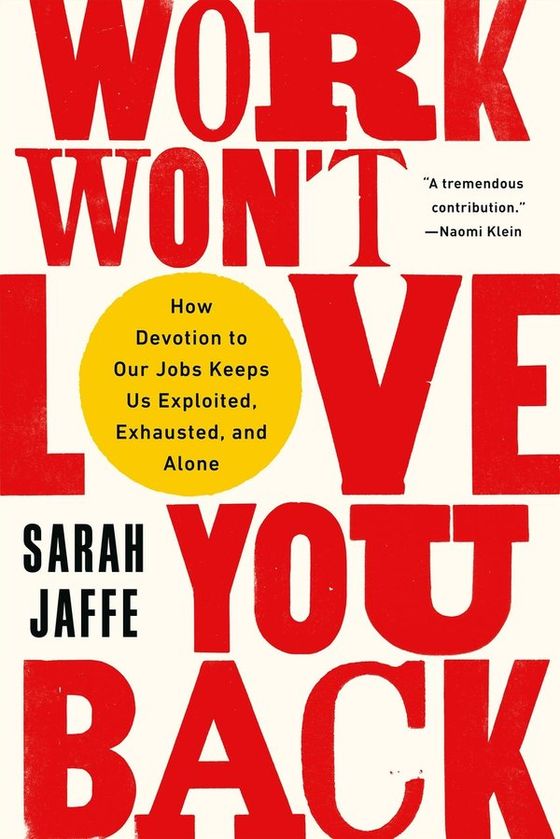
Work Won't Love You Back: How Devotion to Our Jobs Keeps Us Exploited, Exhausted, and Alone
by Sarah Jaffe
"Do what you love" is a pay cut.
For you if
you gave your job your whole heart and want to know who profited.
⚡ Choose Your Route ⚡
Not sold directly on this site. Support indie bookstores with a new copy, or go sustainable with a used one.
Buy New on Bookshop.orgSupports independent bookstores
— OR —
Find Used on Better World BooksSecondhand & sustainable
$20 MSRP · Paperback
Reference price shown. Other editions may be available.
Jaffe takes apart the most flattering lie in modern work: that if you love what you do, it isn't exploitation. She follows the 'passion' pitch from nonprofits and universities to gig platforms and the arts, and shows how it gets used to justify low pay, long hours and unpaid care. By the end, 'do what you love' sounds like a management technique, and you start asking what you actually want from work instead of love.
Where This Book Lives
- Themes
- capitalism critiqueclass and labordomestic laboreconomic inequalitylabor exploitationwork and labor
- Topics
- labor movement
Jaffe is a labor journalist, and this is the sharper cousin of Bullshit Jobs: less about pointless work, more about the emotional pitch that keeps people doing it for less. It's US-centered and written from the left. Good for the parent who has started to wonder what they're modeling about work for their kids.
Related Viewing
Shares a topic, theme, or setting with this book in the catalog.
At War / En guerre(2018)
dir. Stéphane Brizé
Same event: Labor Movement · Same themes: Capitalism Critique, Labor Exploitation
The plant is profitable. It closes anyway.
Laurent Amédéo leads 1,100 workers at the Perrin plant — a facility that is profitable, whose multinational parent company has decided to close anyway. Stéphane Brizé shoots En guerre with the grain and rhythm of a documentary: non-professional actors in most roles, a handheld camera that can't find a comfortable distance, meetings that go nowhere for a very long time. Vincent Lindon is the union spokesperson who has to translate collective fury into procedure and back again, day after day. The film covers one stretch of a fight that most films would compress into a montage — the press conferences, the back-channel negotiations, the vote counts, the waiting.
Why it’s here: Brizé makes you sit in the room where a decision is being made about other people's lives by people who will never meet them. What's punk about En guerre is the refusal to let that feel abstract — the camera stays at plant-gate level, in the meeting room, on Laurent's face when the call comes in. What's pedagogical is the film's insistence on duration: you feel what it costs to keep a collective together when the institution on the other side is patient and the workers are not. For anyone who has been told that workers in France are just wired differently, that solidarity at this scale isn't something available to us — this film shows the material conditions that make it possible. And it shows what it costs even there.
Where to watch: Free on Tubi, Kanopy, HooplaLetterboxd ↗

Sorry We Missed You(2019)
dir. Ken Loach
Same themes: Capitalism Critique, Economic Inequality
The gig economy takes the whole family.
Ricky, a Newcastle man who needs work, buys a van to become a 'self-employed' franchise delivery driver. His wife Abby, a home-care worker, sells her car to help pay for it. The film follows a family as the gig model eats their time, then their kids' lives. Written by Paul Laverty.
Why it’s here: The film shows how a contract that calls you your own boss moves all the risk onto you. What's punk is that it refuses a villain you can punch: the system does the work. What's pedagogical is the mechanics: fines, unpaid hours, who owns the van. Pairs with Nickel and Dimed and Bullshit Jobs. A hard watch for parents.
Where to watch: Free on Kanopy, Hoopla; rentLetterboxd ↗
Same event, different angle
The same history — told by someone who saw it differently.
Aristophanes' Lysistrata: A Dual Language Edition
Aristophanes

The oldest sex strike in history. Still works.
✦ READ – REFLECT → RESIST
Germinal
Émile Zola

They had nothing left to lose. They struck anyway.
✦ READ – REFLECT → RESIST
Kids at Work: Lewis Hine and the Crusade Against Child Labor
Russell Freedman
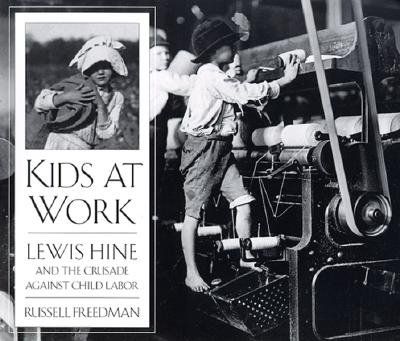
Photographs as evidence. Evidence as law.
✦ READ – REFLECT → RESIST
Life and Death of the American Worker: The Immigrants Taking on America's Largest Meatpacking Company
Alice Driver

Cheap chicken has a body count.
✦ READ – REFLECT → RESIST
Same pattern, different era
Different time, different place. The same thing keeps happening.
Bartleby, the Scrivener
Herman Melville

"I would prefer not to," the original refusal.
✦ READ – REFLECT → RESIST
Black Boy
Richard Wright
The autobiography Jim Crow didn't want written.
✦ READ – REFLECT → RESIST
Capitalism and Slavery
Eric Williams
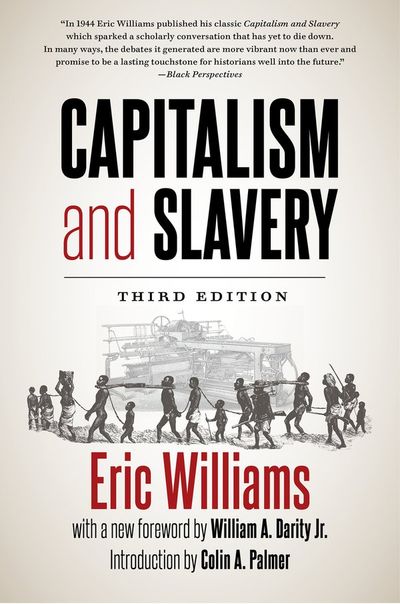
Slavery didn't fund empire. Slavery WAS empire.
✦ READ – REFLECT → RESIST
Doughnut Economics
Kate Raworth
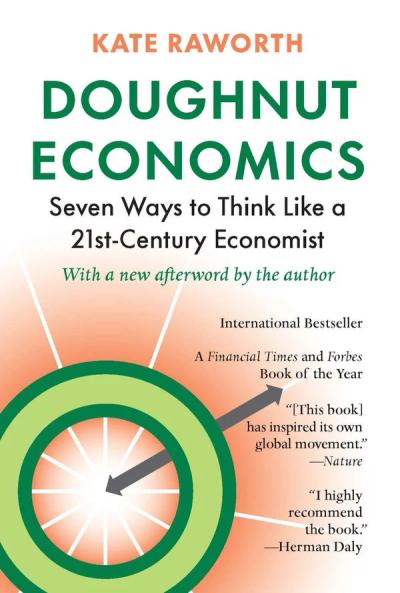
The economy we need, drawn as a doughnut.
✦ READ – REFLECT → RESIST
For the family bookshelf
Same idea, written for a younger reader. Good for reading together.
Amal Unbound
Aisha Saeed

The debt wasn't hers. The cage is.
✦ READ – REFLECT → RESIST
Brave Girl: Clara and the Shirtwaist Makers' Strike of 1909
Michelle Markel
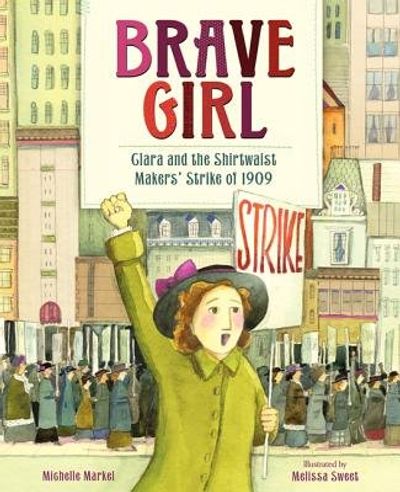
One girl stood up. Twenty thousand followed.
✦ READ – REFLECT → RESIST
Bread and Roses, Too
Katherine Paterson
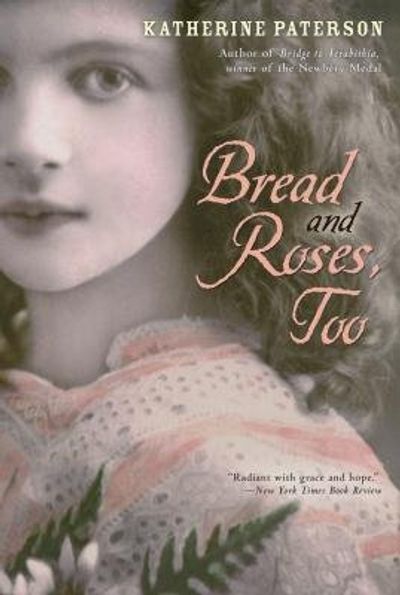
Bread. Roses. Neither is optional.
✦ READ – REFLECT → RESIST
Click, Clack, Moo: Cows That Type
Doreen Cronin
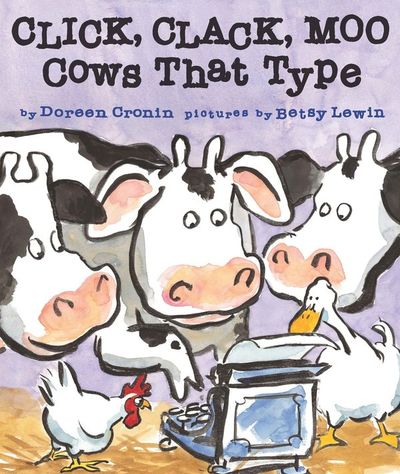
Cows, a typewriter, and a labor strike.
✦ READ – REFLECT → RESIST