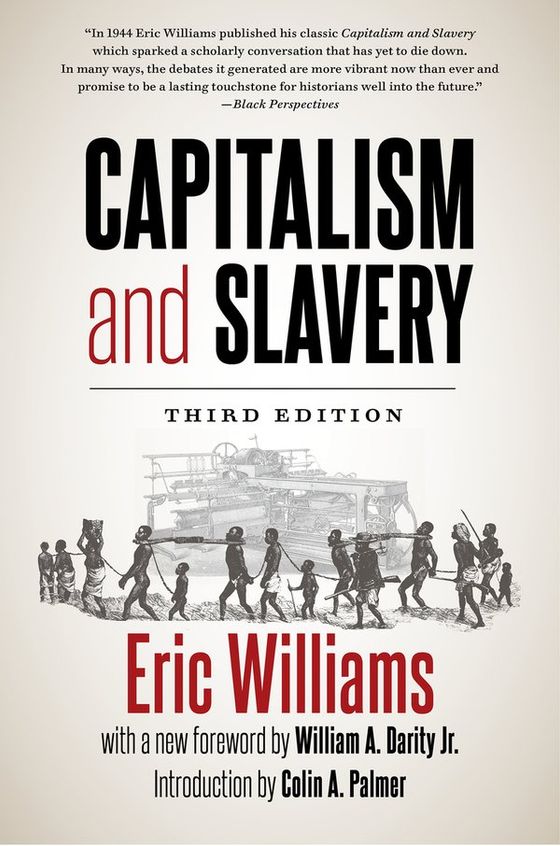
Capitalism and Slavery
by Eric Williams
Slavery didn't fund empire. Slavery WAS empire.
For you if
you were taught Britain ended slavery out of conscience
⚡ Choose Your Route ⚡
Not sold directly on this site. Support indie bookstores with a new copy, or go sustainable with a used one.
Buy New on Bookshop.orgSupports independent bookstores
— OR —
Find Used on Better World BooksSecondhand & sustainable
$25 MSRP · Paperback
Reference price shown. Other editions may be available.
Capitalism and Slavery demolishes one of the most comfortable stories the English-speaking world tells about itself: that Britain abolished the slave trade because it was morally enlightened. Eric Williams, writing his Oxford doctoral thesis in 1938 at a moment when it took considerable nerve to argue this, shows instead that slavery built British capitalism — that the plantation system of the Caribbean, and the Atlantic slave trade that fed it, generated the capital that financed the Industrial Revolution. Tobacco, sugar, cotton: these were the engines of accumulation that funded the banks, the textile mills, and the infrastructure of British industrial power. And when those industries no longer needed the plantation system — when free labor and free trade had become more profitable than the old mercantilist order — abolition became possible. The moral argument, Williams argues, was the justification, not the cause. First published by UNC Press in 1944 after British publishers refused it, Capitalism and Slavery has been debated for eighty years and has never been superseded. The economic history of the Atlantic World it describes is now the foundation of how serious historians understand the rise of Western capitalism.
Where This Book Lives
- Setting
- Caribbean
- Voice
- Written by a Caribbean author
Williams wrote this as a 27-year-old Trinidadian at Oxford, arguing — to a British academy that found the argument deeply uncomfortable — that the moral case for abolition came after the economic case, not before it. British publishers refused to print it. UNC Press published it in 1944. Eighty years later, the core argument — that capitalism was built on slavery, not despite it — has been vindicated by nearly every major economic historian who followed: Edward Baptist's The Half Has Never Been Told, Sven Beckert's Empire of Cotton, Walter Johnson's work on the Mississippi cotton economy. The Drescher counter-argument (that the slave trade was still economically profitable at the time of abolition) is the visible scholarly seam here — it's had real influence and is worth knowing about — but recent consensus has largely moved back toward Williams. What the book gives readers isn't just a counter-claim: it's a method. Once you see that moral arguments about systems tend to follow economic arguments rather than lead them, you can't unsee it. That applies to the history of slavery. It applies now. Williams became the first Prime Minister of Trinidad and Tobago in 1962. He wrote this book before he'd governed anything. That context matters.
Related Viewing
Shares a topic, theme, or setting with this book in the catalog.

5 Broken Cameras(2011)
dir. Emad Burnat & Guy Davidi
Same theme: Anti-Colonialism
Five cameras destroyed. Every one kept filming.
A Palestinian farmer in Bil'in documents his village's nonviolent resistance to encroaching Israeli settlements over five years, structured around each of his cameras' destruction.
Why it’s here: Shot almost entirely by a Palestinian farmer with no filmmaking background, on cameras that kept getting destroyed and kept getting replaced — testimony in the most literal sense, edited (not directed) into shape by an Israeli co-director after the fact.
Where to watch: Free on Kanopy, HooplaLetterboxd ↗
American Factory(2019)
dir. Steven Bognar & Julia Reichert
Same theme: Capitalism Critique
No villain speech. Just what actually happens.
A Chinese-owned auto-glass plant reopens a shuttered Ohio GM factory, and cultural and labor tensions surface as American and Chinese workers try to build something together.
Why it’s here: Refuses the easy version of this story — nobody here is simply the hero or the problem, Chinese management included. The first film the Obamas' production company ever released, and it earns that distinction by trusting the footage over a thesis.
Where to watch: Streaming on NetflixLetterboxd ↗
Same event, different angle
The same history — told by someone who saw it differently.
Gulliver's Travels
Jonathan Swift

Swift's mean, necessary joke about rulers.
✦ READ – REFLECT → RESIST
Kids at Work: Lewis Hine and the Crusade Against Child Labor
Russell Freedman
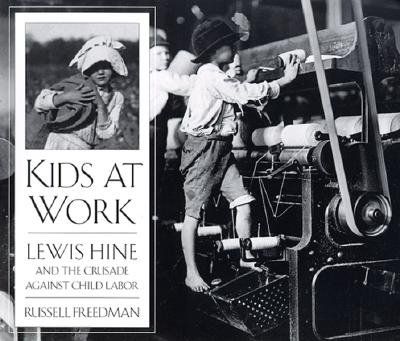
Photographs as evidence. Evidence as law.
✦ READ – REFLECT → RESIST
Omeros
Derek Walcott
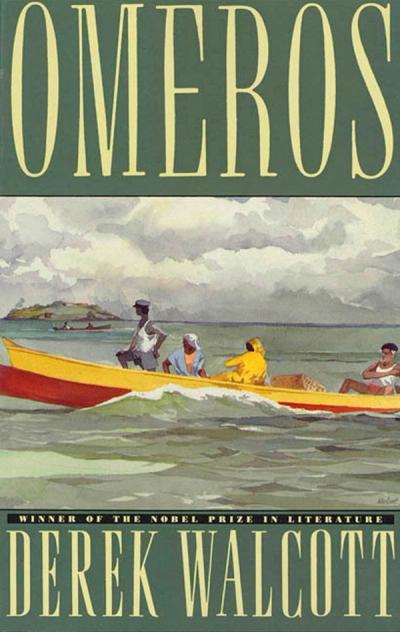
Homer's Odyssey, reborn in the Caribbean.
✦ READ – REFLECT → RESIST
Debt: The First 5,000 Years
David Graeber
Debt is 5,000 years old. It was always about power.
✦ READ – REFLECT → RESIST
Same pattern, different era
Different time, different place. The same thing keeps happening.
Doughnut Economics
Kate Raworth
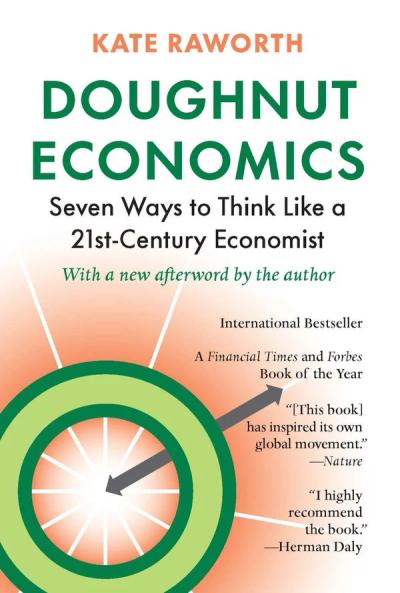
The economy we need, drawn as a doughnut.
✦ READ – REFLECT → RESIST
Enshittification: Why Everything Suddenly Got Worse and What to Do About It
Cory Doctorow
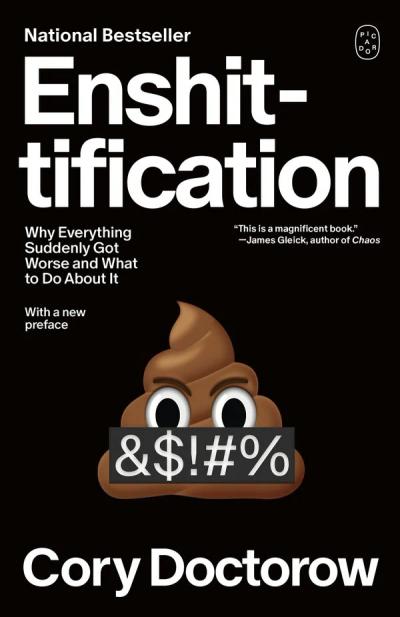
Why your favorite app got worse on purpose.
✦ READ – REFLECT → RESIST
Gerontocracy in America: How the Old Are Hoarding Power and Wealth—and What to Do About It
Samuel Moyn
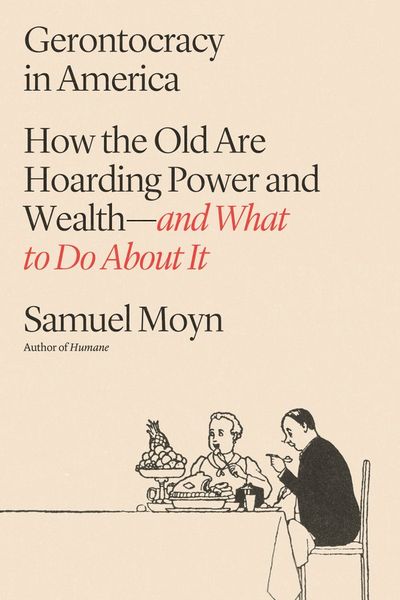
Not a generation gap. An extraction system.
✦ READ – REFLECT → RESIST
Return to the Source
Amílcar Cabral
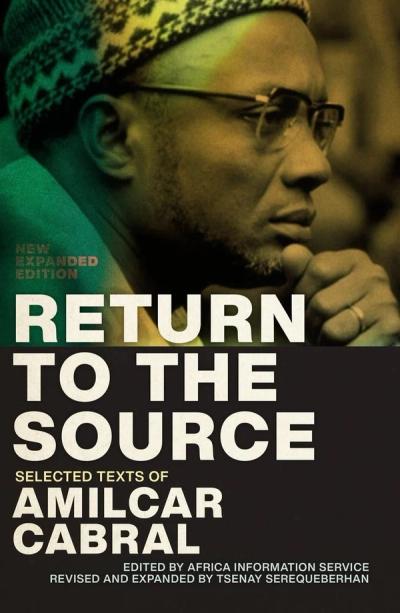
Africa's sharpest revolutionary thinker, his own words.
✦ READ – REFLECT → RESIST
For the family bookshelf
Same idea, written for a younger reader. Good for reading together.