
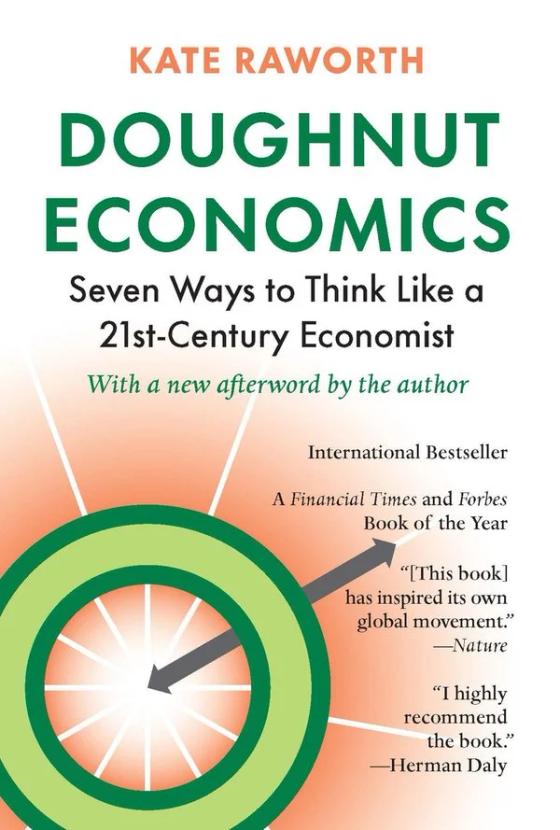
Doughnut Economics
by Kate Raworth
The economy we need, drawn as a doughnut.
For you if
you know something's wrong with the economy but can't quite name what it is
⚡ Choose Your Route ⚡
Not sold directly on this site. Support indie bookstores with a new copy, or go sustainable with a used one.
Buy New on Bookshop.orgSupports independent bookstores
— OR —
Find Used on Better World BooksSecondhand & sustainable
$25 MSRP · Paperback
Reference price shown. Other editions may be available.
Modern economics has one goal: growth. Grow the GDP, keep growing, and trust that everything else will follow. Kate Raworth draws the graph this thinking forgot — a doughnut. The inner ring is the social floor: the basic conditions (food, housing, healthcare, political voice) below which no one should fall. The outer ring is the ecological ceiling: the planetary limits beyond which we push at everyone's peril. The space between is where humanity can actually thrive. That space is the economy we've never tried to build. Doughnut Economics doesn't just diagnose what's broken — it demolishes the core assumptions that make our current system seem inevitable, and offers seven ways to think differently. This is the book that gives you the vocabulary to stop arguing with the premises.
Where This Book Lives
Amsterdam adopted the doughnut model as its economic framework in 2020. Brussels followed. Copenhagen. So this isn't purely theoretical — the concept has real traction. The critics are right that Raworth is long on vision and shorter on implementation specifics, and it's worth knowing that going in. Read it for what it is: a framework for changing the question, not a detailed blueprint for changing the system. The question it changes is the right one.
Related Viewing
Shares a topic, theme, or setting with this book in the catalog.
Tomorrow(2015)
dir. Cyril Dion, Mélanie Laurent
Same events: Climate Activism, Climate Change · Same themes: Environmentalism, Interconnectedness
A road trip through solutions, not doom.
A French documentary that skips the catastrophe reel and goes looking for what's already working. A small crew travels through ten countries, visiting people who are rebuilding agriculture, energy, the economy, democracy and education from the ground up, from urban farms and local currencies to community-run energy and radically different schools.
Why it’s here: The punk move is the refusal of doom: the film treats despair as a luxury and goes out to document people who simply started doing the thing, crowdfunding its own production on the way. The pedagogy is in the structure. Five chapters make the systems visible (food, energy, money, power, learning) and show that each one can be redesigned at human scale, which is a useful habit of mind for a young person who has only heard that everything is broken. It is optimistic by design, and says less about the political and economic power that blocks these ideas at scale, so watch it as a catalogue of possibility rather than a full account of how change happens.
Where to watch: Free on Kanopy, rent on Apple TVLetterboxd ↗
An Inconvenient Truth(2006)
dir. Davis Guggenheim
Same event: Climate Change
The slideshow that made climate change unavoidable.
Al Gore's traveling slideshow on climate change, expanded into a film that helped move global warming from a fringe concern into mainstream urgency.
Why it’s here: A former vice president turned a slideshow into a movie and it worked — not because the science was new, but because someone finally said it plainly and often enough that it stopped being deniable in polite company.
Where to watch: Streaming on Paramount+Letterboxd ↗
Same event, different angle
The same history — told by someone who saw it differently.
Oryx and Crake
Margaret Atwood

The end of the world, engineered.
✦ READ – REFLECT → RESIST
Don't Even Think About It
George Marshall
We have all the evidence. So why aren't we acting? Brain stuff.
✦ READ – REFLECT → RESIST
All We Can Save
Ayana Elizabeth Johnson & Katharine Wilkinson (eds.)
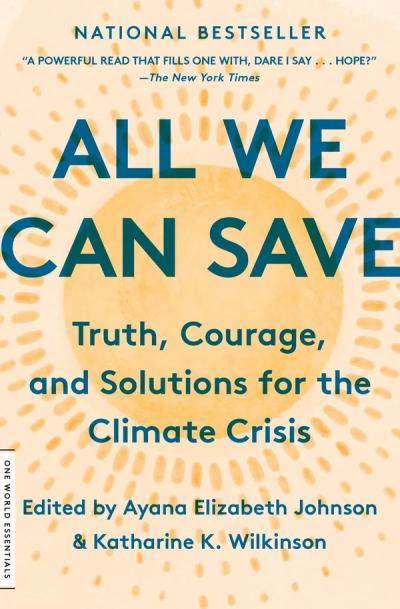
Sixty women on the climate crisis. Science, poetry, grief, and action.
✦ READ – REFLECT → RESIST
The Marrow Thieves
Cherie Dimaline

The residential school system, as dystopia.
✦ READ – REFLECT → RESIST
Same pattern, different era
Different time, different place. The same thing keeps happening.
Capitalism and Slavery
Eric Williams
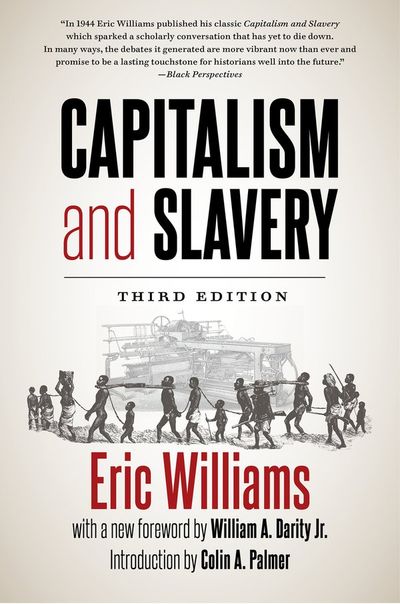
Slavery didn't fund empire. Slavery WAS empire.
✦ READ – REFLECT → RESIST
Gulliver's Travels
Jonathan Swift

Swift's mean, necessary joke about rulers.
✦ READ – REFLECT → RESIST
How Europe Underdeveloped Africa
Walter Rodney
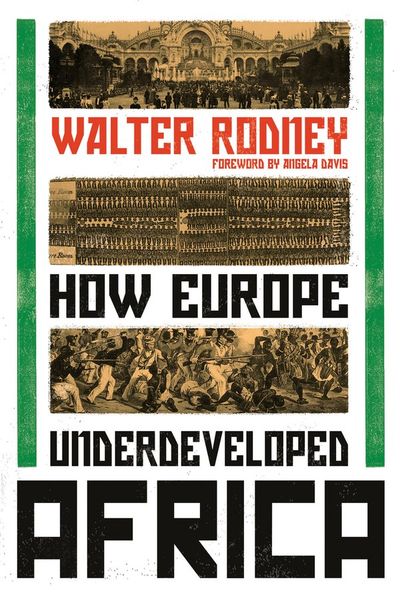
Africa isn't poor. It was made poor.
✦ READ – REFLECT → RESIST
Oryx and Crake
Margaret Atwood
The end of the world, engineered.
✦ READ – REFLECT → RESIST
For the family bookshelf
Same idea, written for a younger reader. Good for reading together.
The Lorax
Dr. Seuss

The original eco-punk.
✦ READ – REFLECT → RESIST
Freedom Dreams
Robin D. G. Kelley
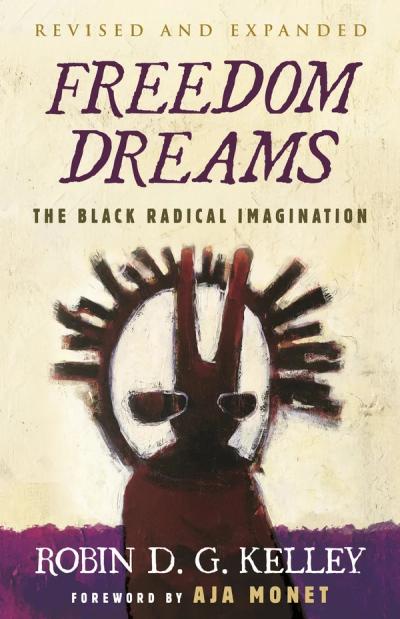
Radical hope as resistance strategy.
✦ READ – REFLECT → RESIST
We Are Water Protectors
Carole Lindstrom
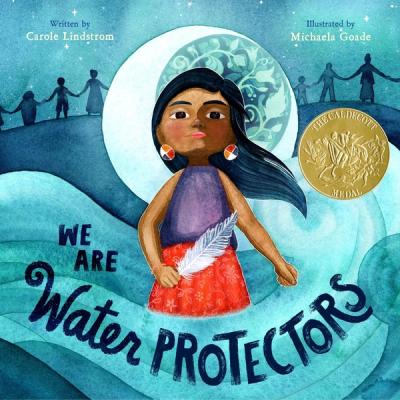
A protest in watercolor.
✦ READ – REFLECT → RESIST
Greta and the Giants
Zoë Tucker
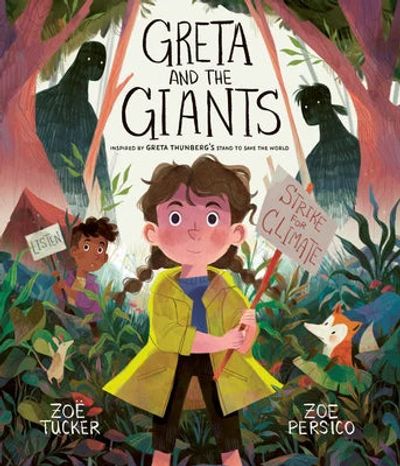
A tiny voice takes on giants.
✦ READ – REFLECT → RESIST