
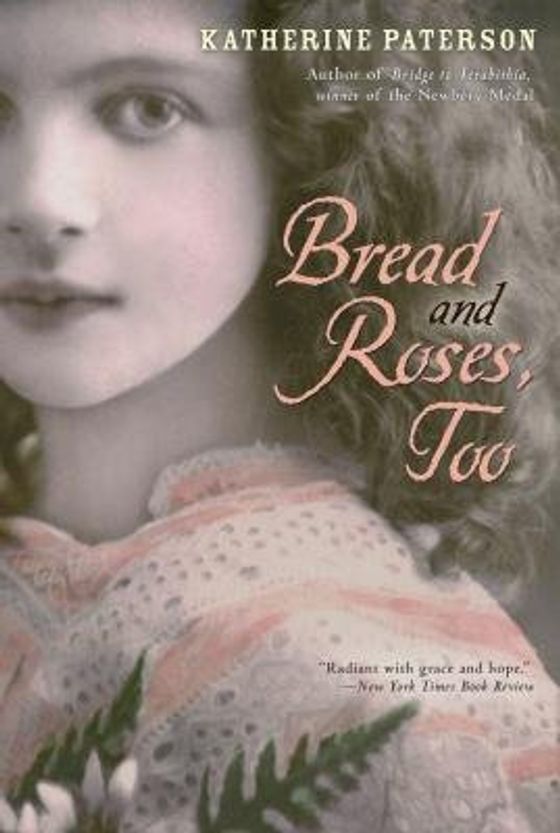
Bread and Roses, Too
by Katherine Paterson
Bread. Roses. Neither is optional.
For you if
you want your child to understand that strikes are not about trouble-making — they are about survival
⚡ Choose Your Route ⚡
Not sold directly on this site. Support indie bookstores with a new copy, or go sustainable with a used one.
Buy New on Bookshop.orgSupports independent bookstores
— OR —
Find Used on Better World BooksSecondhand & sustainable
$9 MSRP · Paperback
Reference price shown. Other editions may be available.
In 1912, mill workers in Lawrence, Massachusetts went on strike for better wages and safer conditions. Their slogan demanded both bread and roses — survival and dignity, not one or the other. Paterson tells this story through two children: Rosa, whose Italian immigrant mother is on strike, and Jake, a runaway with nothing to lose and no one to lose it with. The novel makes the stakes legible to a middle-grade reader — not as historical backdrop but as the reality of families deciding that what they're being asked to accept is not enough, and acting on that together.
Where This Book Lives
Part of a Reading Journey
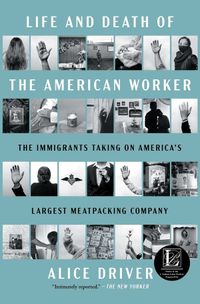
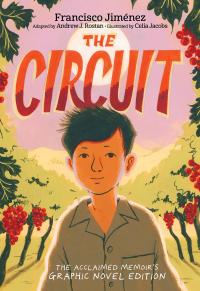
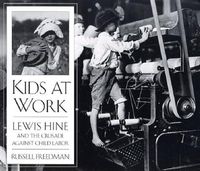

Child Labor: Childhood Is Not a Labor Supply
5,272 kids found working illegally in 2025. The law says no. Who's checking?
8 books • SEE THROUGH IT → MAKE SOMETHING BETTER

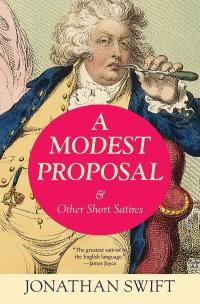
Solidarité: The Strike as Democracy
France is in the streets again. This bundle asks why collective action feels impossible here — and what it costs when we forget it.
8 books • SEE THROUGH IT → MAKE SOMETHING BETTER
Related Viewing
Shares a topic, theme, or setting with this book in the catalog.
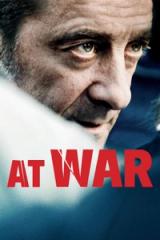
At War / En guerre(2018)
dir. Stéphane Brizé
Same event: Labor Movement · Same themes: Class Conflict, Solidarity
The plant is profitable. It closes anyway.
Laurent Amédéo leads 1,100 workers at the Perrin plant — a facility that is profitable, whose multinational parent company has decided to close anyway. Stéphane Brizé shoots En guerre with the grain and rhythm of a documentary: non-professional actors in most roles, a handheld camera that can't find a comfortable distance, meetings that go nowhere for a very long time. Vincent Lindon is the union spokesperson who has to translate collective fury into procedure and back again, day after day. The film covers one stretch of a fight that most films would compress into a montage — the press conferences, the back-channel negotiations, the vote counts, the waiting.
Why it’s here: Brizé makes you sit in the room where a decision is being made about other people's lives by people who will never meet them. What's punk about En guerre is the refusal to let that feel abstract — the camera stays at plant-gate level, in the meeting room, on Laurent's face when the call comes in. What's pedagogical is the film's insistence on duration: you feel what it costs to keep a collective together when the institution on the other side is patient and the workers are not. For anyone who has been told that workers in France are just wired differently, that solidarity at this scale isn't something available to us — this film shows the material conditions that make it possible. And it shows what it costs even there.
Where to watch: Free on Tubi, Kanopy, HooplaLetterboxd ↗
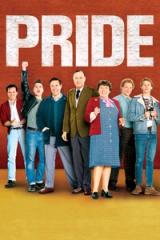
Pride(2014)
dir. Matthew Warchus
Same event: Labor Movement · Same themes: Class Conflict, Solidarity
Gay activists back striking miners. The miners notice.
Britain, 1984. A group of London lesbian and gay activists decides the striking coal miners being crushed by the Thatcher government are fighting the same enemy they are, and starts raising money for a Welsh mining village. The village doesn't know what to make of them, and the feeling is mutual. Based on a true story.
Why it’s here: The punk move is the alliance: two groups that had every social reason to stay apart chose solidarity on the strength of a shared opponent, and the film lets the awkwardness, the prejudice and the first dance-floor thaw all play out on screen. The pedagogy is in how organizing actually works. Coalitions get built through food, favors and showing up, not through agreeing on everything, and the film makes that feel like something a viewer could do. It is a crowd-pleasing dramatization, so some characters and events are composited or invented, and it is worth reading up on the real Lesbians and Gays Support the Miners campaign afterward.
Where to watch: Free on Kanopy, rent on Apple TVLetterboxd ↗
Same event, different angle
The same history — told by someone who saw it differently.
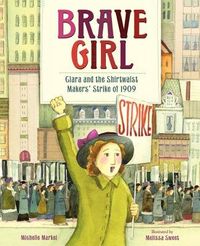
Brave Girl: Clara and the Shirtwaist Makers' Strike of 1909
Michelle Markel
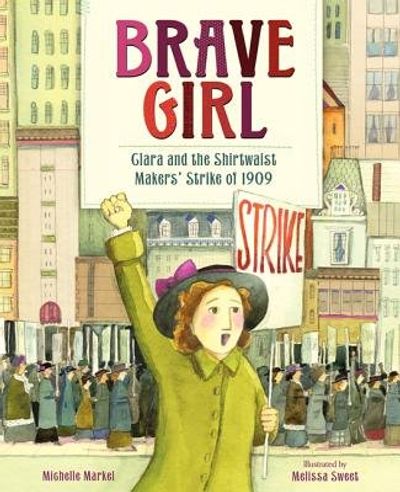
One girl stood up. Twenty thousand followed.
✦ READ – REFLECT → RESIST
Click, Clack, Moo: Cows That Type
Doreen Cronin
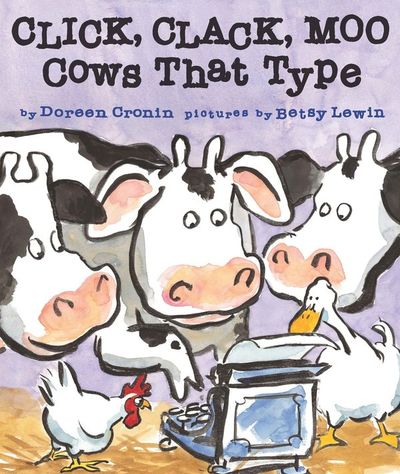
Cows, a typewriter, and a labor strike.
✦ READ – REFLECT → RESIST
The Day the Crayons Quit
Drew Daywalt
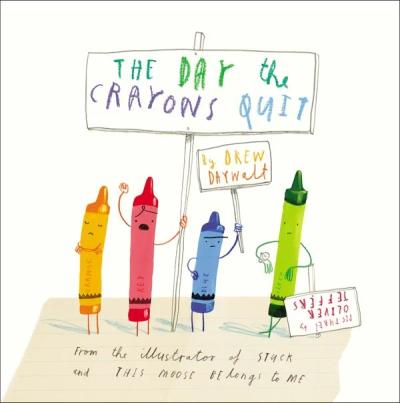
Your crayons unionized. Now what?
✦ READ – REFLECT → RESIST
Same pattern, different era
Different time, different place. The same thing keeps happening.
The Absolutely True Diary of a Part-Time Indian
Sherman Alexie
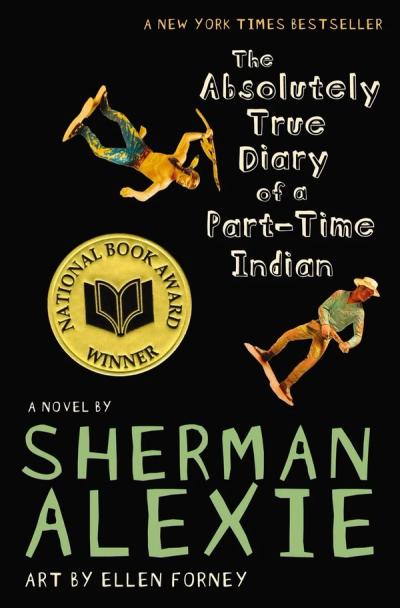
A reservation kid goes to the white school. Everyone loses.
✦ READ – REFLECT → RESIST
Darius the Great Is Not Okay
Adib Khorram
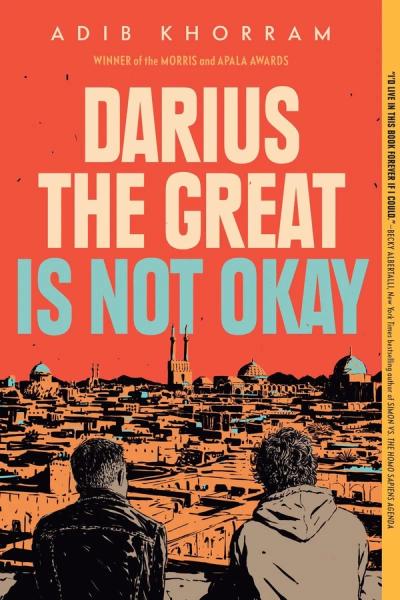
Half-Iranian, depressed, going to Iran. He finds himself there.
✦ READ – REFLECT → RESIST
It Ain't So Awful, Falafel
Firoozeh Dumas
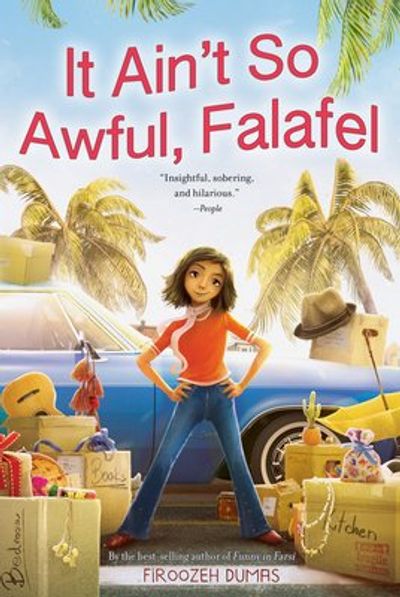
Iranian American in 1979. Her country is on the news. Not in a good way.
✦ READ – REFLECT → RESIST
Before the Ever After
Jacqueline Woodson
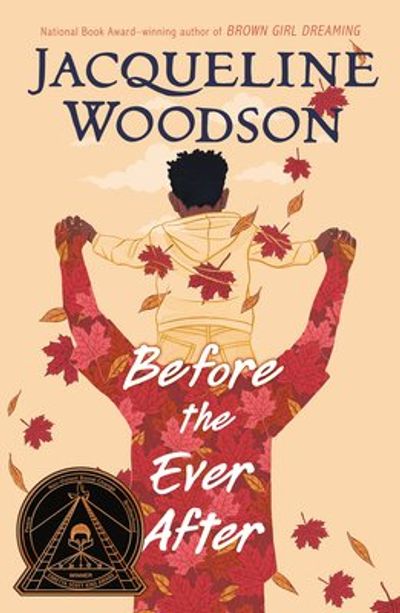
His dad was a football star. Something is changing. He watches.
✦ READ – REFLECT → RESIST
For the grown-up bookshelf
Same idea, written for a grown-up. Good for the adult in the room, too.
All Boys Aren't Blue
George M. Johnson
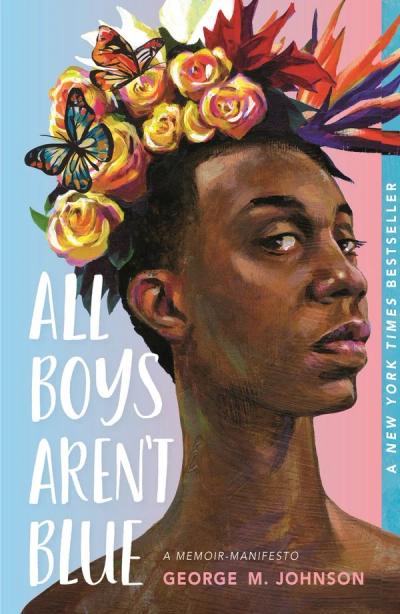
A Black queer memoir they tried to erase from schools
✦ READ – REFLECT → RESIST
Abolition. Feminism. Now.
Angela Y. Davis, Gina Dent, Erica R. Meiners & Beth E. Richie
Safety without cages, built by feminists.
✦ READ – REFLECT → RESIST
Aristophanes' Lysistrata: A Dual Language Edition
Aristophanes
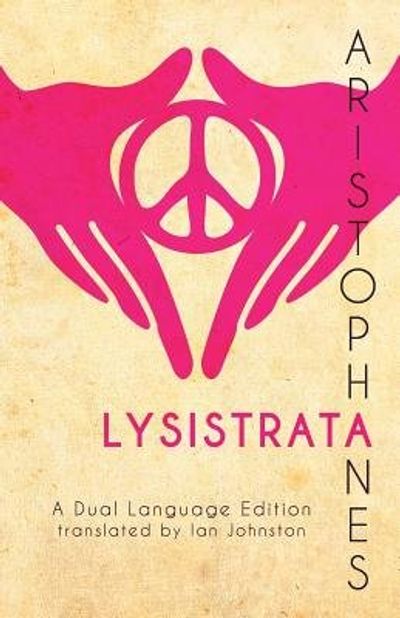
The oldest sex strike in history. Still works.
✦ READ – REFLECT → RESIST
Banned Book Club
Kim Hyun Sook and Ryan Estrada (art by Ko Hyung-Ju)
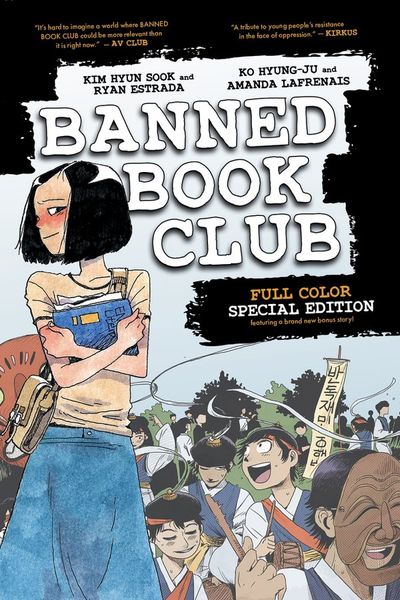
A secret reading group. A dictatorship. Real arrests.
✦ READ – REFLECT → RESIST