
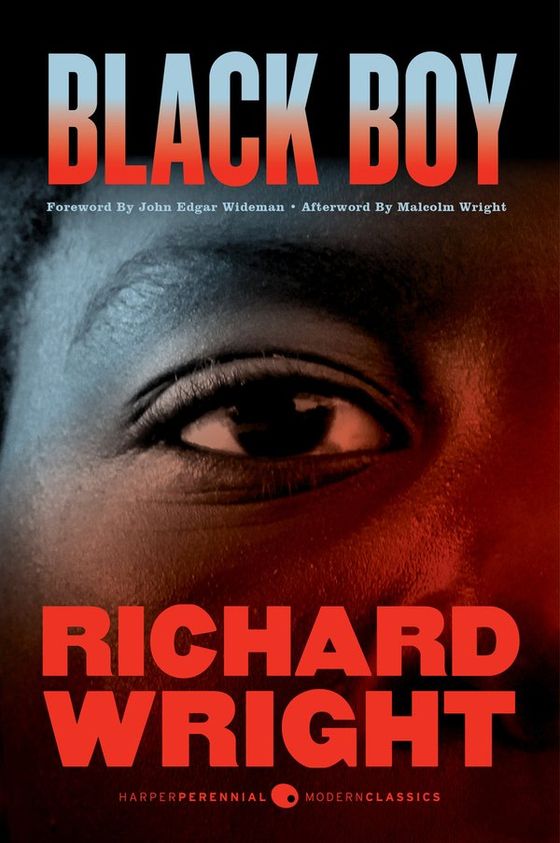
Black Boy
by Richard Wright
The autobiography Jim Crow didn't want written.
For you if
you want to understand what Jim Crow actually felt like from the inside.
⚡ Choose Your Route ⚡
Not sold directly on this site. Support indie bookstores with a new copy, or go sustainable with a used one.
Buy New on Bookshop.orgSupports independent bookstores
— OR —
Find Used on Better World BooksSecondhand & sustainable
$19 MSRP · Paperback
Reference price shown. Other editions may be available.
Richard Wright was born in 1908 in Natchez, Mississippi, the grandson of people who had been enslaved. By the time he was a teenager, he had been beaten, terrorized, hungry for months at a stretch, moved between relatives who couldn't afford him, and educated enough by the Jim Crow system to understand exactly where he stood in it. In 1945, he wrote it down. *Black Boy* is autobiography as indictment — not of any particular person or incident, but of a total system. Wright describes what it feels like to grow up in an environment where every white person has legal authority to humiliate you and social permission to harm you, and where every Black person you know has learned to navigate that reality through deference, invisibility, or careful performance. He describes hunger not as atmosphere but as specific — the gnawing, the headaches, the calculations about what to eat and when. He describes the moment he understood that he would never learn to perform submission well enough to survive the South. The book is structured in two parts. Part 1 (*Southern Night*) follows Wright from childhood through his escape north. Part 2 (*The Horror and the Glory*) picks up in Chicago — the Communist Party, the intellectual community Wright found there, and his eventual break with the Party. Part 2 is less lyrical and harder-edged. Chicago is not the promised land; it's a different configuration of the same forces. The book doesn't resolve into anything comfortable. Most American readers encountered an abridgement for decades. The Book of the Month Club agreed to feature *Black Boy* in 1945 on the condition that Wright cut Part 2. He agreed because he needed the money and the audience. The full text wasn't widely available until 1991. The current Harper Perennial edition is the complete book. If you've read it and thought it ended with the journey north as hard-won freedom, you read the cut version. The complete book refuses that comfort.
Banned & challenged
Find out what they were so afraid of.
Get a copy and decide for yourself.
Wright documented what Jim Crow actually felt like from the inside — the hunger, the violence, the calculated humiliation, the cost of surviving it. Challenged in Michigan (1972, 2007), Louisiana (1975), Tennessee (1975), New York (1976), Nebraska (1987), Texas (1996), and Florida (1997). Stated reasons: obscenity, pornography, profanity, sexual content, violence, 'sparking hard feelings between students of different races,' 'inciting racial hatred.' Tennessee removed it from schools entirely. The New York Island Trees case became part of the landmark 1982 Supreme Court case *Board of Education v. Pico*, which established that school boards cannot ban books simply because they disagree with their content. Real reason: the book is true. A Black boy's unmediated account of American racial violence is, to certain school boards and parent groups, the threat itself. 'Causing hard feelings between students of different races' means the book makes white students feel implicated. That's what it's supposed to do.
See every banned & challenged book on our shelves →Where This Book Lives
A few things worth naming upfront. Wright was a Communist Party member through most of the 1930s and eventually broke with the Party, writing about it in *The God That Failed* (1949). P&P doesn't hide the Party membership; it names it. The context matters: Wright joined in early 1930s Chicago, after years in the Jim Crow South, because the CP was one of the few organizations in America where Black men and white men were expected to organize together as political equals. That's not a justification — it's an explanation. His break with the Party, when it came, was fierce and principled. The Book of the Month Club edition is what most American readers encountered for decades — it's Part 1 only. The complete *Black Boy* wasn't widely available until 1991. The current Harper Perennial edition is the full text Wright intended. If someone has read *Black Boy* and thought it ended with the journey north, they read the abridgement. The complete book is different, darker, and better. The challenges this book has accumulated — 'obscenity,' 'pornography,' 'sparking hard feelings between students of different races' — are themselves instructive. Wright wrote an unvarnished account of what racial violence, poverty, and dehumanization feel like from the inside. The school boards and parent groups who challenged it were, in effect, asking that the truth he documented not be available to students. Tennessee pulled it from schools for 'inciting racial hatred.' Jacksonville school officials worried it would cause racial discord. What they meant is that it worked. A Black boy's unmediated account of American racial violence is, to certain authorities, the threat.
Related Viewing
Shares a topic, theme, or setting with this book in the catalog.
I Am Not Your Negro(2016)
dir. Raoul Peck
Same event: Jim Crow Era · Same themes: Bearing Witness, Black History
James Baldwin, still telling America the truth.
A documentary built from James Baldwin's own words, drawn from letters, interviews and the thirty pages of an unfinished manuscript about his friends Medgar Evers, Malcolm X and Martin Luther King Jr. Samuel L. Jackson reads Baldwin's text over archival footage, old Hollywood films and newsreels, and contemporary images of the same fights still being fought.
Why it’s here: The punk move is the structure: Peck refuses the usual documentary apparatus of talking-head experts and lets one voice, a writer who was long ignored and long right, carry the whole film, cutting it against the images that prove his point. The pedagogy is in how it teaches a way of seeing. Baldwin takes apart the stories America tells about itself and shows how film and popular culture manufacture them, which makes this as much a lesson in media literacy as in history. It is dense and unsparing, so it suits older teens and adults who are ready to sit with it.
Where to watch: Free on Tubi, rent on Apple TVLetterboxd ↗
13th(2016)
dir. Ava DuVernay
Same event: Jim Crow Era · Same theme: Systemic Racism
The 13th Amendment's loophole built a prison nation.
Ava DuVernay's documentary traces one clause of the 13th Amendment, which abolished slavery except as punishment for a crime, from Reconstruction convict leasing through Jim Crow, the War on Drugs and the modern prison boom. Historians, activists and politicians make the case that mass incarceration is slavery's afterlife by another legal name.
Why it’s here: The punk move is the thesis itself: it reads the Constitution's own text as the loophole and then follows the money and the rhetoric, including footage of the politicians who built the machine, straight to the present. The pedagogy is in the method. It teaches a viewer to trace a single policy lever across 150 years instead of treating each era as a separate story, which is a transferable habit of mind. Worth knowing that some historians argue its straight line from slavery to prisons flattens a more tangled history, so watch it as a forceful argument rather than a settled account.
Where to watch: Streaming on NetflixLetterboxd ↗
Same event, different angle
The same history — told by someone who saw it differently.
Pleasure Activism: The Politics of Feeling Good
adrienne maree brown
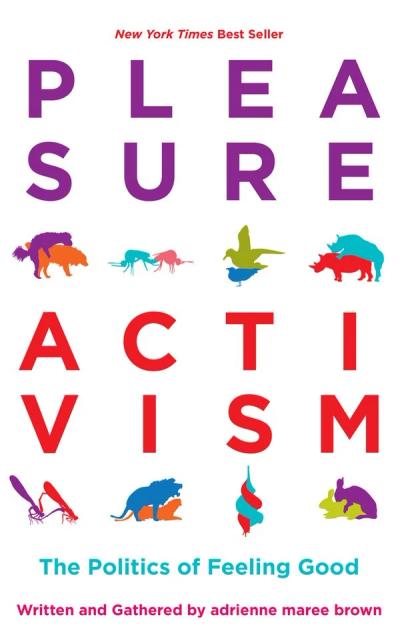
Pleasure is the work.
✦ READ – REFLECT → RESIST
We Are Not Yet Equal
Carol Anderson & Tonya Bolden
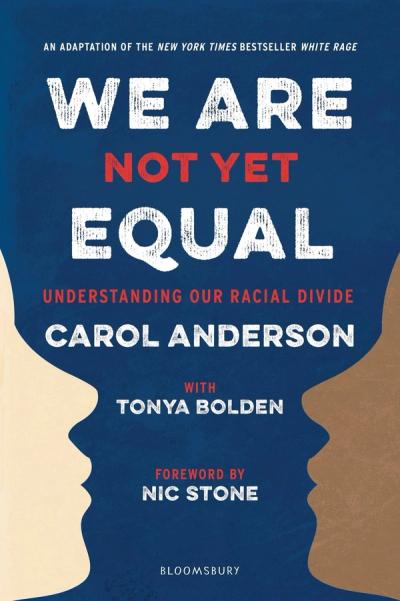
History’s receipts for injustice.
✦ READ – REFLECT → RESIST
Roll of Thunder, Hear My Cry
Mildred D. Taylor
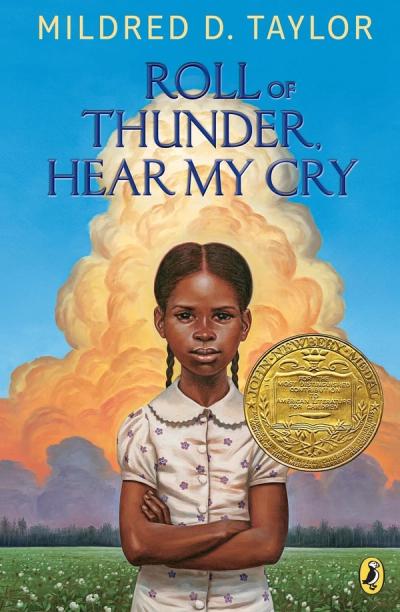
Family, fury, and Mississippi mud.
✦ READ – REFLECT → RESIST
The New Jim Crow
Michelle Alexander
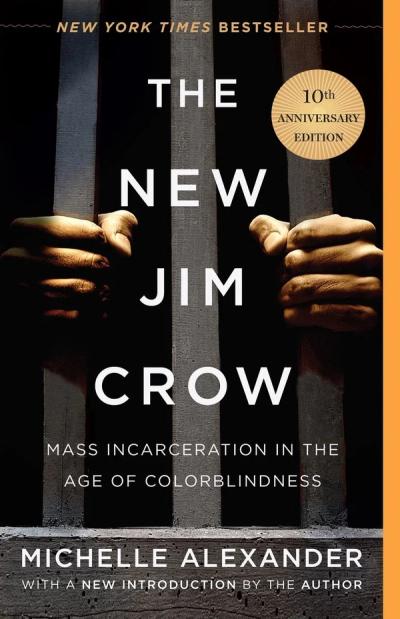
Mass incarceration is Jim Crow by another name. Here's the evidence.
✦ READ – REFLECT → RESIST
Same pattern, different era
Different time, different place. The same thing keeps happening.
Banned Book Club
Kim Hyun Sook and Ryan Estrada (art by Ko Hyung-Ju)
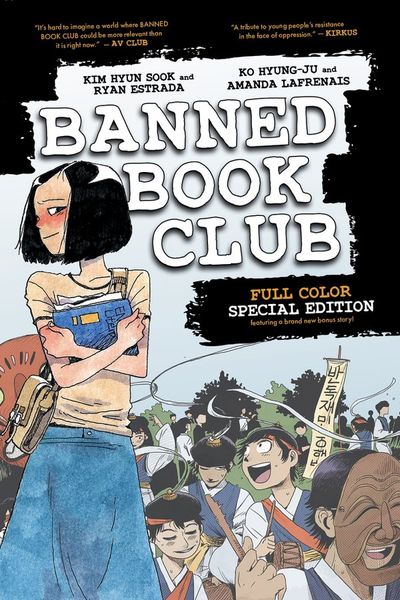
A secret reading group. A dictatorship. Real arrests.
✦ READ – REFLECT → RESIST
Dear Martin
Nic Stone
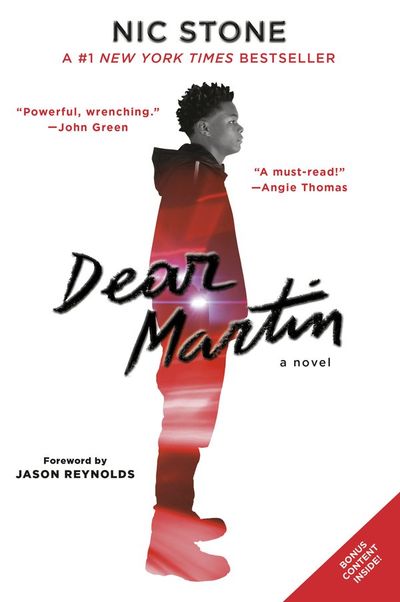
Letters to MLK from a kid in handcuffs.
✦ READ – REFLECT → RESIST
Ferdydurke
Witold Gombrowicz
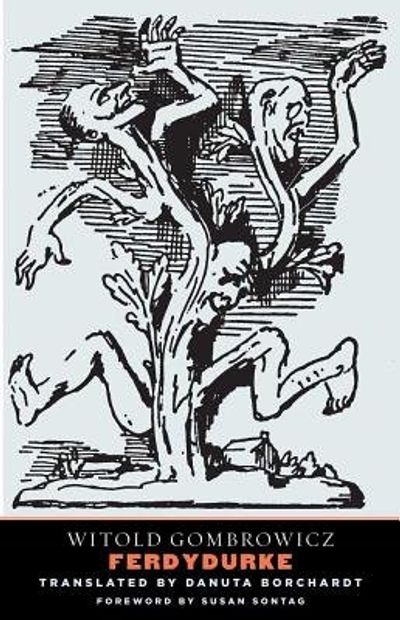
Society made you small. This is how.
✦ READ – REFLECT → RESIST
Fires in the Mirror: Crown Heights, Brooklyn and Other Identities
Anna Deavere Smith
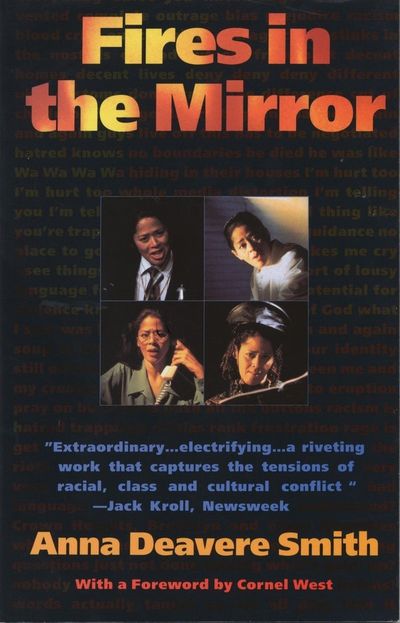
Crown Heights, in everyone’s own words.
✦ READ – REFLECT → RESIST
For the family bookshelf
Same idea, written for a younger reader. Good for reading together.
Brown Girl Dreaming
Jacqueline Woodson
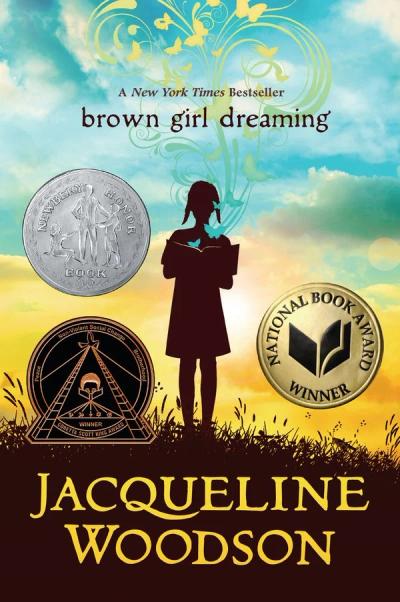
A Black girlhood in verse — history you can feel.
✦ READ – REFLECT → RESIST
Claudette Colvin: Twice Toward Justice
Phillip Hoose
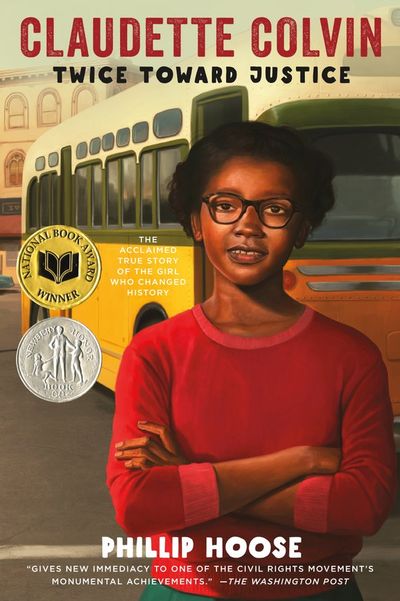
She refused first. History forgot her anyway.
✦ READ – REFLECT → RESIST
Ghost Boys
Jewell Parker Rhodes
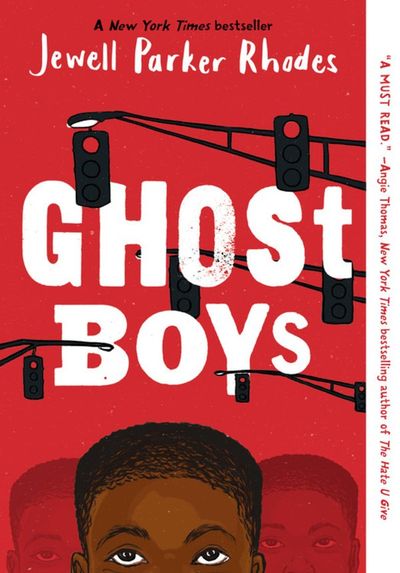
A boy killed by police tells it himself.
✦ READ – REFLECT → RESIST
One Crazy Summer
Rita Williams-Garcia
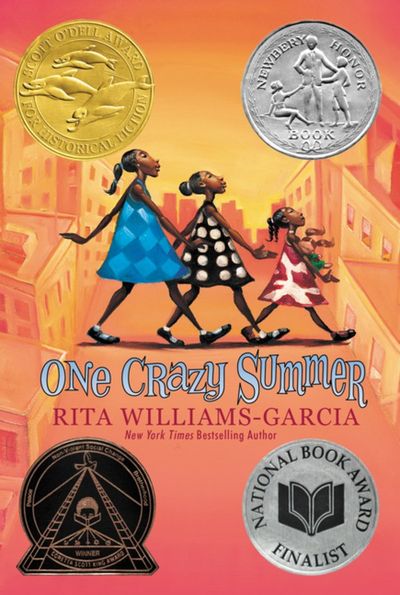
Three sisters, one summer with the Panthers.
✦ READ – REFLECT → RESIST