
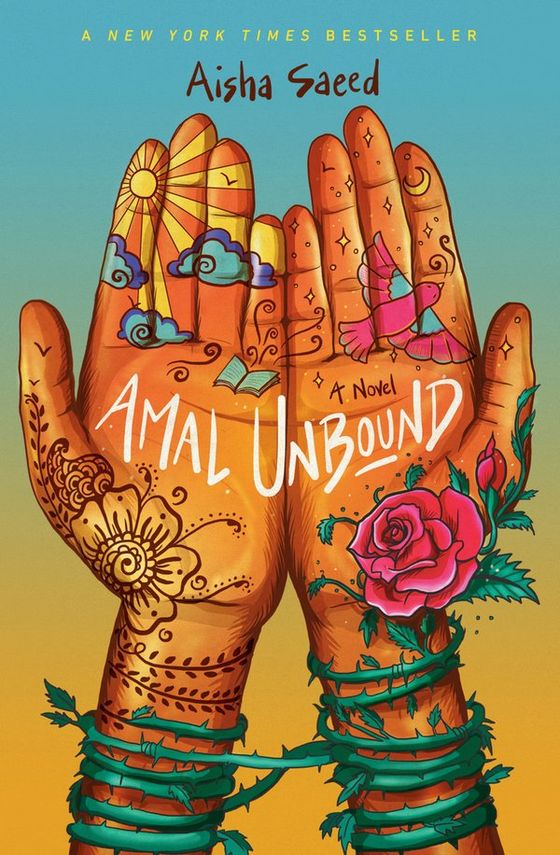
Amal Unbound
by Aisha Saeed
The debt wasn't hers. The cage is.
For you if
you want your kid to meet a girl the world couldn't shrink
⚡ Choose Your Route ⚡
Not sold directly on this site. Support indie bookstores with a new copy, or go sustainable with a used one.
Buy New on Bookshop.orgSupports independent bookstores
— OR —
Find Used on Better World BooksSecondhand & sustainable
$9 MSRP · Paperback
Reference price shown. Other editions may be available.
Amal is twelve years old and has a plan: finish school, become a teacher, maybe change something. Then one careless moment puts her family in debt to the local landlord, and just like that, the plan is gone. She's sent to work in his mansion — not temporarily, not as a guest, but as the person who pays off what her family owes, indefinitely. Amal Unbound is set inside bonded labor, a real practice still documented across South Asia: debt that passes to a child, a girl's future held as collateral by someone who will never let it go willingly. Aisha Saeed doesn't let it be a tragedy. Amal doesn't stop being herself just because the world is trying to make her into something smaller. She pays attention. She builds trust slowly. She finds the edges of the cage. And she refuses — quietly, steadily — to be defined by what she owes.
Where This Book Lives
- Setting
- Pakistan • South Asia
- Voice
- Written by a Pakistani author
Bonded labor — debt servitude that passes to children, sometimes for generations — is illegal in Pakistan and still happens. Saeed doesn't make it distant or abstract. She puts a twelve-year-old girl inside it and lets readers follow her. What's remarkable is that Amal doesn't get out through luck or a rescuer. She gets out because she refuses, steadily and quietly, to stop being a person with goals. That's the lesson, and it's not a small one: that dignity isn't something someone else grants you. Aisha Saeed is Pakistani-American, her family from Punjab — she writes about this world with inherited knowledge, not tourism, and that comes through in every detail. The book was part of a diversity reading list banned by Pennsylvania's Central York School District in 2020, rescinded after student, teacher, and community pushback. The fact of the ban tells you something about who's threatened by a Pakistani girl who won't be defined by what she owes.
Related Viewing
Shares a topic, theme, or setting with this book in the catalog.
He Named Me Malala(2015)
dir. Davis Guggenheim
Same country: Pakistan · Same theme: Girls' Education
Shot for speaking up. She spoke up again.
After surviving a Taliban assassination attempt for advocating girls' education, Pakistani teenager Malala Yousafzai becomes a global activist and the youngest Nobel Peace laureate.
Why it’s here: Malala is centered as a real teenager, not just a symbol — impatient with her brothers, self-conscious about crushes, alongside the advocacy. Both things are true about her at once, and the film doesn't flatten her into only one.
Where to watch: Rent on Apple TVLetterboxd ↗

Atlantics(2019)
dir. Mati Diop
Same themes: Class Inequality, Labor Exploitation
The men sailed for Spain. Their ghosts came back.
Dakar, Senegal. The young construction workers building a gleaming tower go months without pay and one night take a boat out to sea, hoping to reach Spain. Ada, promised to a wealthy man she doesn't love, is left behind with the women who loved them. Then strange fevers begin to spread, the workers' employer is made to answer for what he owes, and the missing start to return at night.
Why it’s here: The punk move is the genre: Diop takes the migration story that European cinema usually films from the boat or the border and tells it from the shore, as a love story that turns into a ghost story that turns into a demand for payment. The pedagogy is in what that reframing teaches. It shows the labor exploitation behind a luxury skyline, the women who are left to absorb the loss, and grief as something that can organize a community into action, without ever lecturing. It is slow and dreamlike, and some viewers will find it opaque, but that is part of how it asks you to look at who disappears and who pays.
Where to watch: Streaming on NetflixLetterboxd ↗
Same pattern, different era
Different time, different place. The same thing keeps happening.
The Poet X
Elizabeth Acevedo
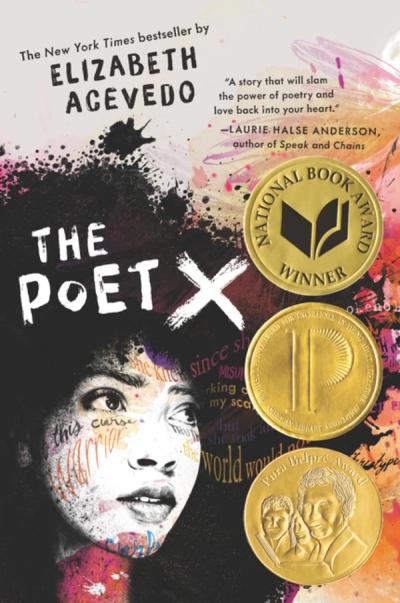
Her mother controls her body. Poetry gives her somewhere to be loud.
✦ READ – REFLECT → RESIST
Number the Stars
Lois Lowry
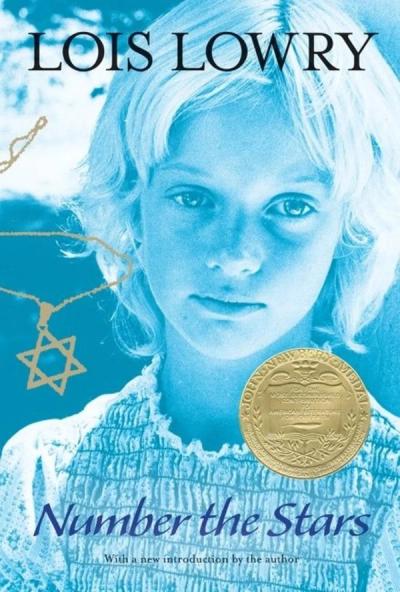
The Nazis are rounding up Jews. Her family hides her best friend.
✦ READ – REFLECT → RESIST
Lawn Boy
Jonathan Evison
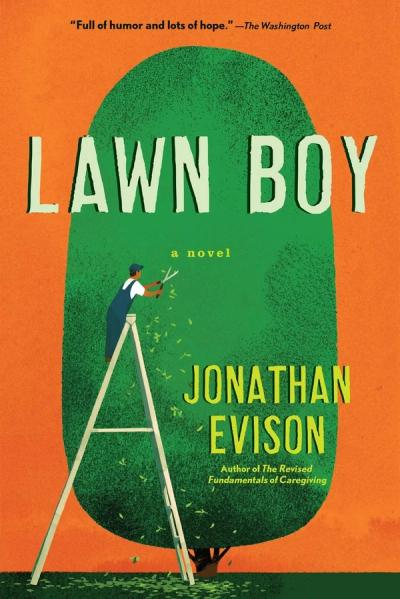
He started a lawn business. The economy had other plans.
✦ READ – REFLECT → RESIST
Brave Girl: Clara and the Shirtwaist Makers' Strike of 1909
Michelle Markel
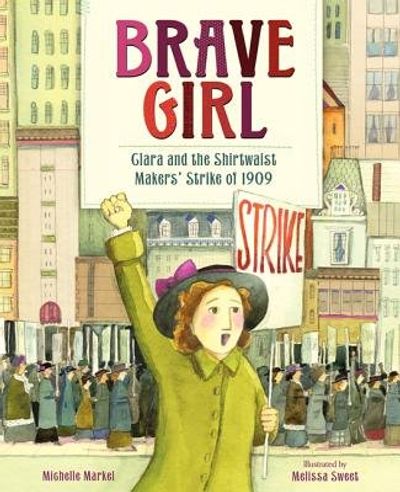
One girl stood up. Twenty thousand followed.
✦ READ – REFLECT → RESIST
For the grown-up bookshelf
Same idea, written for a grown-up. Good for the adult in the room, too.
Aké: The Years of Childhood
Wole Soyinka
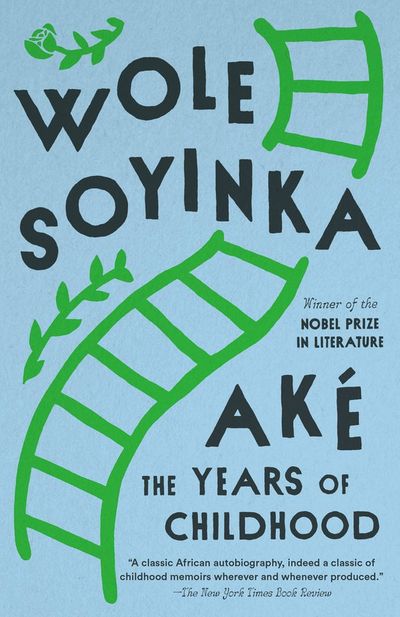
A colonial childhood, one question at a time.
✦ READ – REFLECT → RESIST
Different Seasons
Stephen King
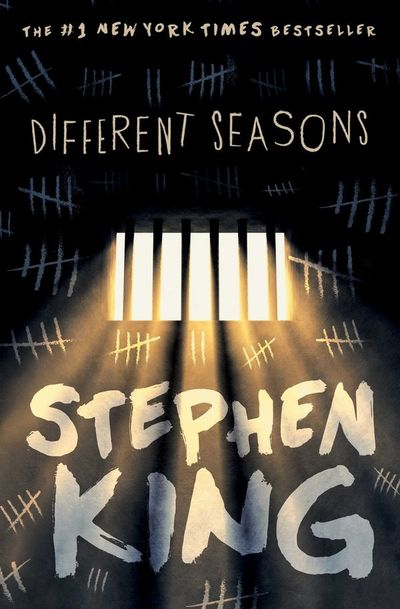
How fascism finds the boy next door.
✦ READ – REFLECT → RESIST
Fires in the Mirror: Crown Heights, Brooklyn and Other Identities
Anna Deavere Smith
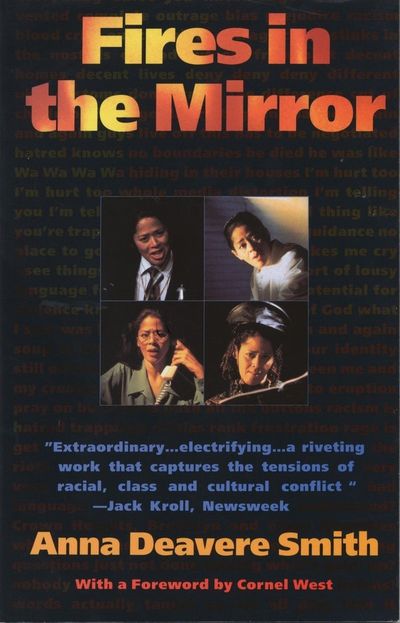
Crown Heights, in everyone’s own words.
✦ READ – REFLECT → RESIST
Germinal
Émile Zola
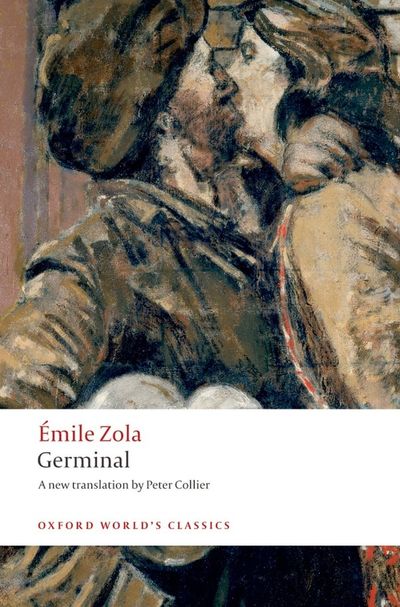
They had nothing left to lose. They struck anyway.
✦ READ – REFLECT → RESIST