
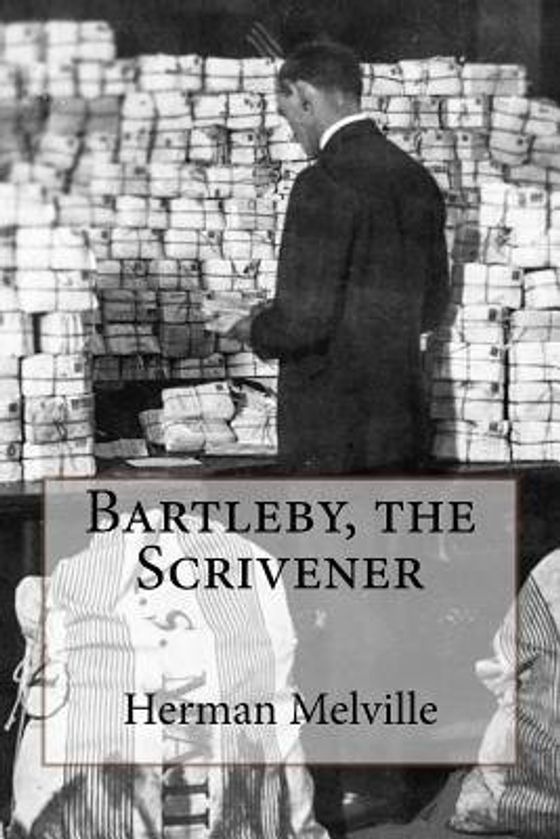
Bartleby, the Scrivener
by Herman Melville
"I would prefer not to," the original refusal.
For you if
you've wanted to say no without explaining yourself.
⚡ Choose Your Route ⚡
Not sold directly on this site. Support indie bookstores with a new copy, or go sustainable with a used one.
Buy New on Bookshop.orgSupports independent bookstores
— OR —
Find Used on Better World BooksSecondhand & sustainable
$12 MSRP · Paperback
Reference price shown. Other editions may be available.
A Wall Street lawyer hires a copyist named Bartleby, who is excellent at the work until the day he is asked to do something else and answers, politely, 'I would prefer not to.' He says it again and again, to every order, and slowly breaks the office. Melville wrote it in 1853 as a dry comedy about a man who refuses, and the lawyer who has no idea what to do with a refusal that has no argument behind it.
Where This Book Lives
Public domain, short, and available in many cheap editions; pick one with a good introduction. Melville wrote it before the labor movement had a name, and it reads now as an early portrait of alienated office work. It is a very short read for a parent who has an evening and wants something to argue about.
Related Viewing
Shares a topic, theme, or setting with this book in the catalog.
At War / En guerre(2018)
dir. Stéphane Brizé
Same theme: Work and Labor
The plant is profitable. It closes anyway.
Laurent Amédéo leads 1,100 workers at the Perrin plant — a facility that is profitable, whose multinational parent company has decided to close anyway. Stéphane Brizé shoots En guerre with the grain and rhythm of a documentary: non-professional actors in most roles, a handheld camera that can't find a comfortable distance, meetings that go nowhere for a very long time. Vincent Lindon is the union spokesperson who has to translate collective fury into procedure and back again, day after day. The film covers one stretch of a fight that most films would compress into a montage — the press conferences, the back-channel negotiations, the vote counts, the waiting.
Why it’s here: Brizé makes you sit in the room where a decision is being made about other people's lives by people who will never meet them. What's punk about En guerre is the refusal to let that feel abstract — the camera stays at plant-gate level, in the meeting room, on Laurent's face when the call comes in. What's pedagogical is the film's insistence on duration: you feel what it costs to keep a collective together when the institution on the other side is patient and the workers are not. For anyone who has been told that workers in France are just wired differently, that solidarity at this scale isn't something available to us — this film shows the material conditions that make it possible. And it shows what it costs even there.
Where to watch: Free on Tubi, Kanopy, HooplaLetterboxd ↗
Black Girl (La Noire de…)(1966)
dir. Ousmane Sembène
Same theme: Alienation
Colonialism fits in one apartment.
Diouana, a young Senegalese woman, takes a job as a nanny for a white French couple in Dakar, then follows them to the Riviera expecting a new life. Instead she becomes a maid shut in their flat, watched and owned. It is one of the first great African films and runs about an hour.
Why it’s here: The film makes the colonial relationship small enough to see: one flat, one woman, one mask on a wall. What's punk is Sembène, a Senegalese director, making the film the French would not, with independence barely won and the old arrangements intact. What's pedagogical is the use of space and silence: you read power from where people are allowed to stand. Pairs with Xala, already in the catalog.
Where to watch: HBO Max and Plex (free with ads); rent Amazon, Apple TV, Fandango At HomeLetterboxd ↗
Same pattern, different era
Different time, different place. The same thing keeps happening.
Fallow: A Novel
Sarah Anderson
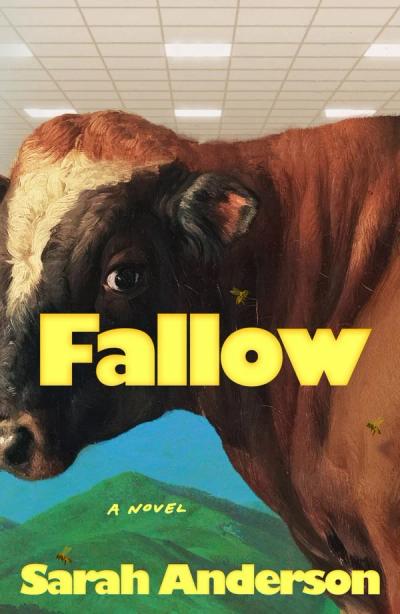
What capitalism extracts when it runs out of hours.
✦ READ – REFLECT → RESIST
Heart of a Dog
Mikhail Bulgakov
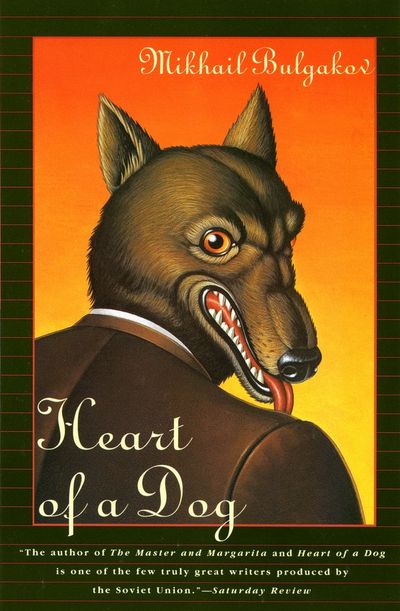
The revolution turned a dog into a bureaucrat.
✦ READ – REFLECT → RESIST
The Sheltering Sky
Paul Bowles

Three Americans walk into the Sahara. Not all return.
✦ READ – REFLECT → RESIST
The Revolution of Everyday Life
Raoul Vaneigem
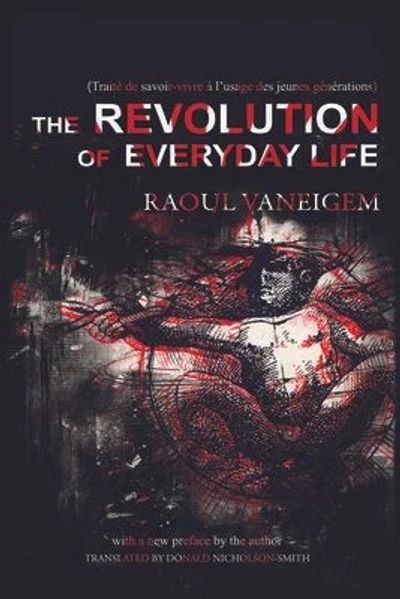
The revolution isn't an event. It's every day. Starting now.
✦ READ – REFLECT → RESIST
For the family bookshelf
Same idea, written for a younger reader. Good for reading together.
Drum Dream Girl: How One Girl’s Courage Changed Music
Margarita Engle

The girl who broke the drum ban.
✦ READ – REFLECT → RESIST
Mary Wears What She Wants
Keith Negley
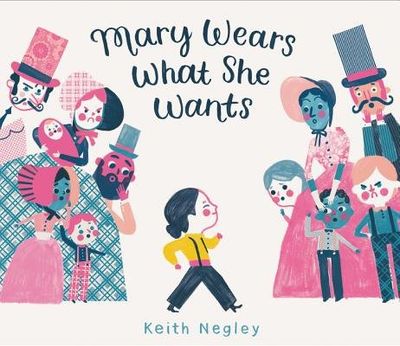
She wore pants. The law came for her anyway.
✦ READ – REFLECT → RESIST
Bullshit Jobs
David Graeber
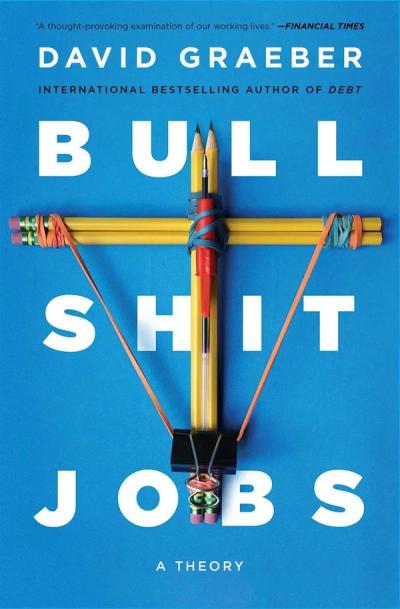
Office life, unmasked as performance art.
✦ READ – REFLECT → RESIST
Pippi Longstocking
Astrid Lindgren
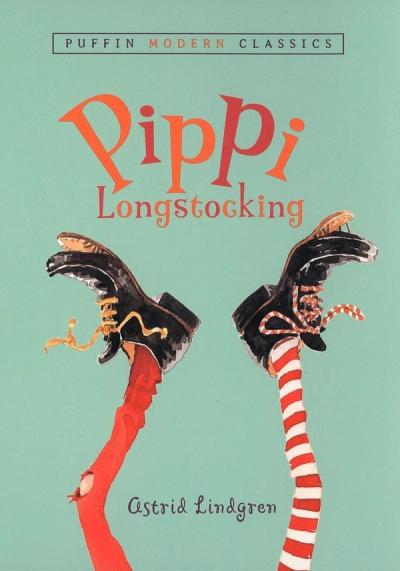
No parents, no rules, infinite strength.
✦ READ – REFLECT → RESIST