
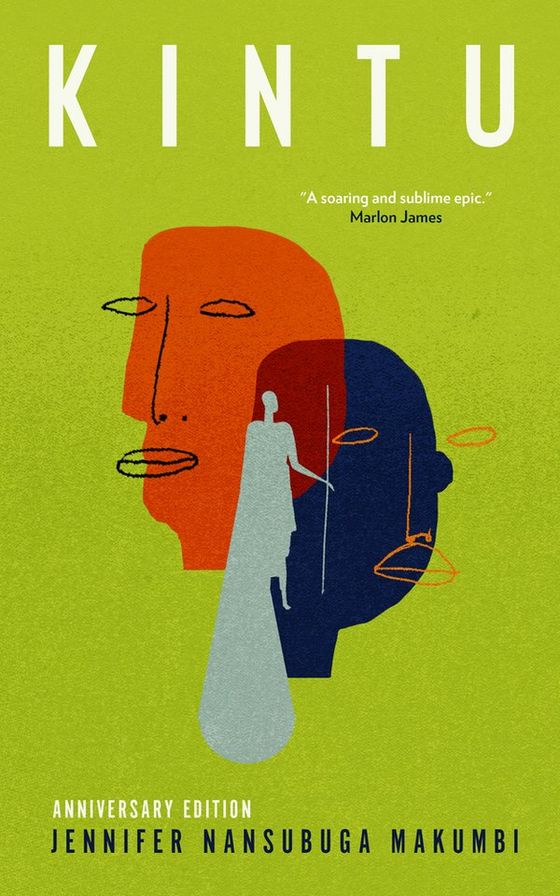
Kintu
by Jennifer Nansubuga Makumbi
A family curse, 250 years deep.
For you if
you suspect your family's silences are older than you are.
⚡ Choose Your Route ⚡
Not sold directly on this site. Support indie bookstores with a new copy, or go sustainable with a used one.
Buy New on Bookshop.orgSupports independent bookstores
— OR —
Find Used on Better World BooksSecondhand & sustainable
$17 MSRP · Paperback
Reference price shown. Other editions may be available.
A curse falls on a Buganda family in 1750 when Kintu Kidda, in a moment of temper, kills his adopted son. Makumbi follows his descendants down 250 years, through missionaries, Idi Amin and the AIDS years, and asks whether a family, or a country, can ever stop paying for one moment. It moves like an oral epic with Luganda woven through the English.
Where This Book Lives
- Setting
- Uganda
- Voice
- Written by a Ugandan author
- Themes
- ancestral memorycolonialism's legacyfamily sagaintergenerational traumamyth and beliefpostcolonial identity
- Topics
- colonialism in africa
Dense with Luganda names and shifting timelines, so give it time. East African voice in a catalog that is thin there. Closest relatives: Half of a Yellow Sun and A Grain of Wheat. Confirm the paperback price.
Related Viewing
Shares a topic, theme, or setting with this book in the catalog.
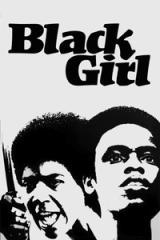
Black Girl (La Noire de…)(1966)
dir. Ousmane Sembène
Same themes: Colonialism's Legacy, Postcolonial Identity
Colonialism fits in one apartment.
Diouana, a young Senegalese woman, takes a job as a nanny for a white French couple in Dakar, then follows them to the Riviera expecting a new life. Instead she becomes a maid shut in their flat, watched and owned. It is one of the first great African films and runs about an hour.
Why it’s here: The film makes the colonial relationship small enough to see: one flat, one woman, one mask on a wall. What's punk is Sembène, a Senegalese director, making the film the French would not, with independence barely won and the old arrangements intact. What's pedagogical is the use of space and silence: you read power from where people are allowed to stand. Pairs with Xala, already in the catalog.
Where to watch: HBO Max and Plex (free with ads); rent Amazon, Apple TV, Fandango At HomeLetterboxd ↗
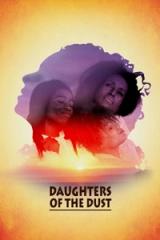
Daughters of the Dust(1991)
dir. Julie Dash
Same theme: Ancestral Memory
Gullah women on the eve of leaving the Sea Islands.
1902, the Sea Islands off the Georgia and South Carolina coast. Three generations of Gullah women gather for a last day together before part of the family migrates north to the mainland, weighing what they carry from their African ancestors against what the future is calling them toward.
Why it’s here: The punk move is the form: Julie Dash refused the pacing, plot and explanatory voiceover a Hollywood period drama expects, and built a film from Gullah language, ritual and memory instead, narrated partly by an unborn child. The pedagogy is in what that costs and gives you. It teaches a viewer to read a culture on its own terms, and puts the question of what a family keeps and what it lets go at the center rather than treating it as backdrop. It is slow and non-linear by design, so it rewards a second watch and a conversation afterward more than a casual first one.
Where to watch: Criterion Channel, TubiLetterboxd ↗
Same event, different angle
The same history — told by someone who saw it differently.
Decolonising the Mind: The Politics of Language in African Literature
Ngũgĩ wa Thiong'o
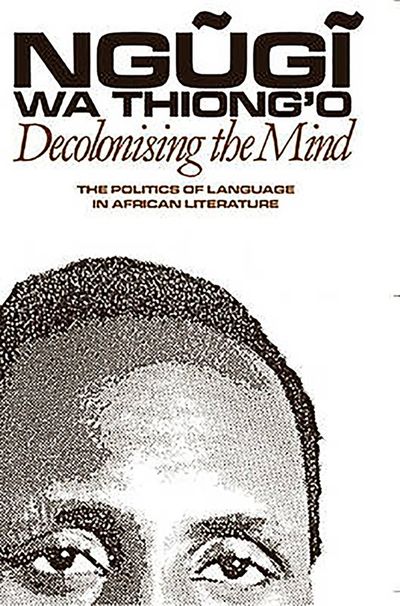
The colonizer’s real weapon was the classroom.
✦ READ – REFLECT → RESIST
How Europe Underdeveloped Africa
Walter Rodney
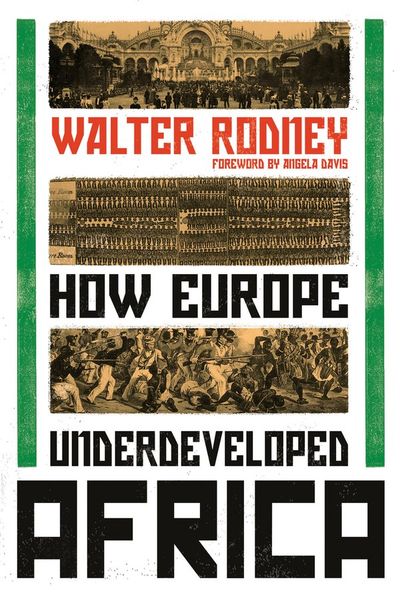
Africa isn't poor. It was made poor.
✦ READ – REFLECT → RESIST
Nervous Conditions
Tsitsi Dangarembga
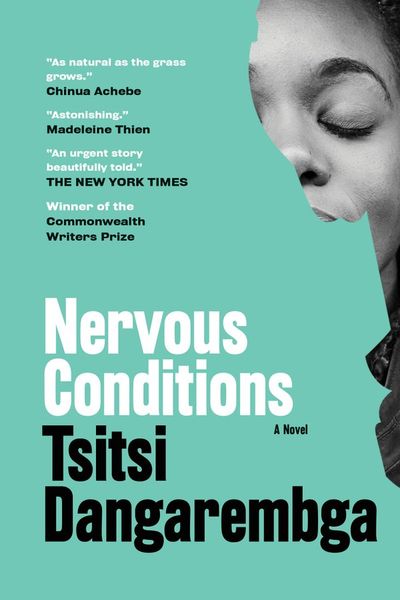
The education that includes you and erases you.
✦ READ – REFLECT → RESIST
Season of Migration to the North
Tayeb Salih
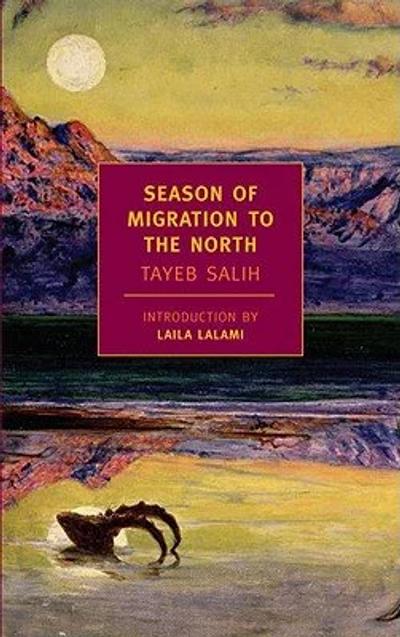
Conrad wrote Africa into shadow. Salih wrote back.
✦ READ – REFLECT → RESIST
Same pattern, different era
Different time, different place. The same thing keeps happening.
A Small Place
Jamaica Kincaid

The tourist brochure, answered.
✦ READ – REFLECT → RESIST
Capitalism and Slavery
Eric Williams
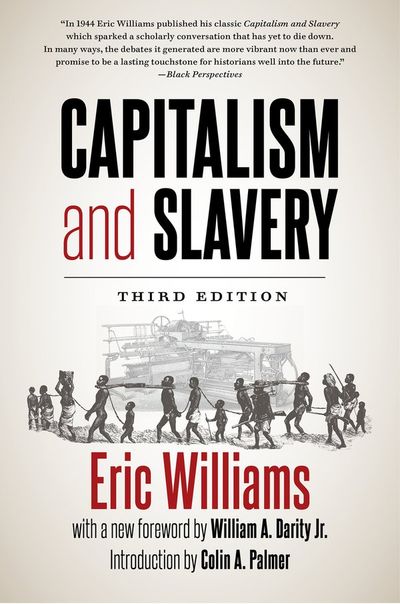
Slavery didn't fund empire. Slavery WAS empire.
✦ READ – REFLECT → RESIST
The Complete Maus: A Survivor's Tale
Art Spiegelman

The only comic to win the Pulitzer. Banned anyway.
✦ READ – REFLECT → RESIST
Decolonising the Mind: The Politics of Language in African Literature
Ngũgĩ wa Thiong'o
The colonizer’s real weapon was the classroom.
✦ READ – REFLECT → RESIST
For the family bookshelf
Same idea, written for a younger reader. Good for reading together.
Brown Girl Dreaming
Jacqueline Woodson
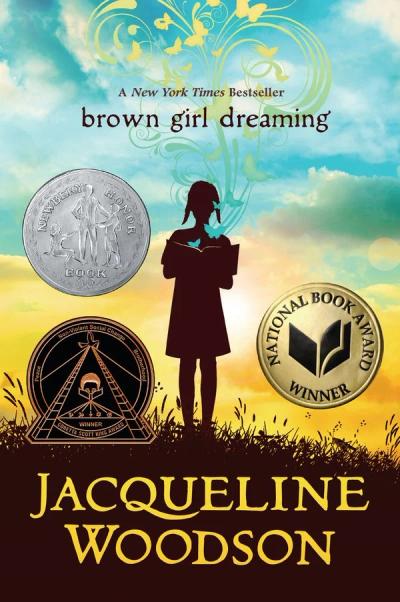
A Black girlhood in verse — history you can feel.
✦ READ – REFLECT → RESIST
When We Were Alone
David A. Robertson
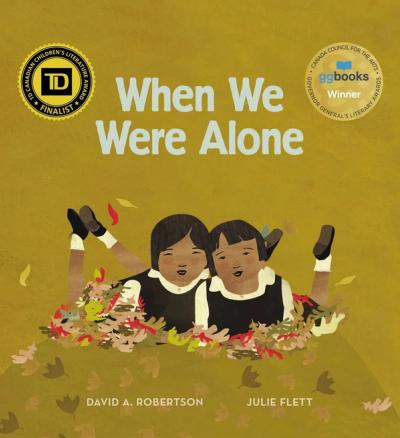
Why does grandma keep her hair long? Because they made her cut it.
✦ READ – REFLECT → RESIST
The Last Cuentista
Donna Barba Higuera
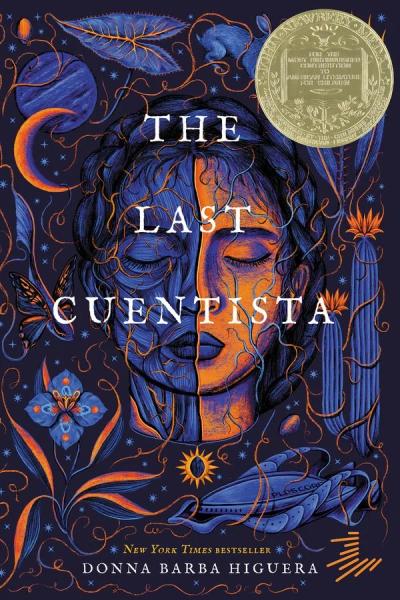
The last girl who remembers the old stories.
✦ READ – REFLECT → RESIST