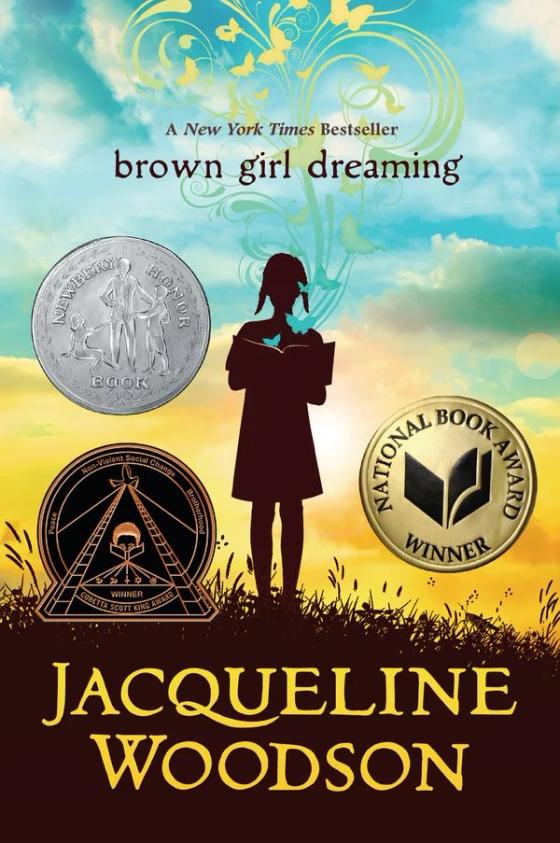
Brown Girl Dreaming
by Jacqueline Woodson
A Black girlhood in verse — history you can feel.
For you if
you need to see that your story is history worth keeping
⚡ Choose Your Route ⚡
Not sold directly on this site. Support indie bookstores with a new copy, or go sustainable with a used one.
Buy New on Bookshop.orgSupports independent bookstores
— OR —
Find Used on Better World BooksSecondhand & sustainable
$13 MSRP · Paperback
Reference price shown. Other editions may be available.
Jacqueline Woodson grew up during the civil rights era, split between her grandparents' home in Greenville, South Carolina — where "White" and "Colored" signs told you exactly where you stood — and Brooklyn, where the family eventually landed. She was supposed to be a fast reader. She wasn't. She was supposed to become a Jehovah's Witness. She didn't. She became a writer. Brown Girl Dreaming tells all of this in poems — the smell of her grandmother's kitchen, the march she was too young to fully understand, the brother who got to go places while she stayed behind, the notebooks that started filling up when nothing else felt sure. It's a memoir about how a Black girl finds her way into her own voice when the world keeps insisting the story is already written. National Book Award. Newbery Honor. Coretta Scott King Award. One of those rare books that hands a young reader — especially a Black girl — evidence that her interior life is literature.
They tried. They lost.
Read the book that won its case.
Every reversal started with readers who refused to let it go quietly.
Brown Girl Dreaming has been challenged in school libraries and classrooms, most prominently as part of the wave of challenges targeting books by Black authors in the context of CRT panic (2021–2023). Stated reasons: "sexual content" and promotion of critical race theory. The gap between stated and real reasons is almost cartoonishly wide. The book is a verse memoir about a Black child's childhood in the 1960s South. It contains no sexual content of any kind. The "sexual content" charge is pretext — a challenge mechanism that allows school boards to trigger removal procedures without engaging the actual text. The real reason: the book places a Black girl's interior life at the center of American history. It names segregation, it names the Jehovah's Witnesses' complex position on civil rights, it names the North not as a promised land but as another complicated place. Banning it is an attempt to keep that specific act of witnessing out of schools. Specific confirmed jurisdictions were not documented in available sources at time of cataloging — challenges were part of a broader pattern rather than publicly logged by named district.
The record
Central York School District, PA
2020
Removed from classrooms or required reading · Central York classrooms (Nov 2020 – Sept 2021)
List reinstated Sept 20, 2021
Initiated by: school board
ReversedSource ↗
Where This Book Lives
The challenges against this book list "sexual content." There is no sexual content. There is a Black child growing up in Jim Crow America. There are poems about her grandmother, her faith, her confusion, her handwriting. The stated reason for banning it is a fiction; the real reason is that this book tells a Black child her life, her neighborhood, her grief, her questions — all of it — is worth 336 pages of careful attention. That frightens a very specific kind of person.
Related Viewing
Shares a topic, theme, or setting with this book in the catalog.
I Am Not Your Negro(2016)
dir. Raoul Peck
Same events: Civil Rights Movement, Jim Crow Era · Same themes: Bearing Witness, Black History
James Baldwin, still telling America the truth.
A documentary built from James Baldwin's own words, drawn from letters, interviews and the thirty pages of an unfinished manuscript about his friends Medgar Evers, Malcolm X and Martin Luther King Jr. Samuel L. Jackson reads Baldwin's text over archival footage, old Hollywood films and newsreels, and contemporary images of the same fights still being fought.
Why it’s here: The punk move is the structure: Peck refuses the usual documentary apparatus of talking-head experts and lets one voice, a writer who was long ignored and long right, carry the whole film, cutting it against the images that prove his point. The pedagogy is in how it teaches a way of seeing. Baldwin takes apart the stories America tells about itself and shows how film and popular culture manufacture them, which makes this as much a lesson in media literacy as in history. It is dense and unsparing, so it suits older teens and adults who are ready to sit with it.
Where to watch: Free on Tubi, rent on Apple TVLetterboxd ↗
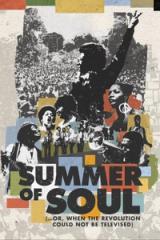
Summer of Soul (...Or, When the Revolution Could Not Be Televised)(2021)
dir. Questlove
Same events: Black Liberation Movement, Civil Rights Movement · Same themes: Black History, Black Joy
The festival history forgot for fifty years.
In the summer of 1969, 300,000 people went to Harlem's Mount Morris Park for the Harlem Cultural Festival, a series of free concerts with Stevie Wonder, Nina Simone, Sly and the Family Stone, Mahalia Jackson and others. The footage sat in a basement for fifty years. Questlove cuts it together with interviews with the people who were there. It won the Oscar for Best Documentary Feature.
Why it’s here: The film recovers a piece of Black history that the mainstream skipped while Woodstock got the myth. What's punk is the recovery: the question of who decides which summer gets remembered. What's pedagogical is the way it ties music to the politics of the year, from the Panthers to the moon landing. It sits next to I Am Not Your Negro and Hale County in the catalog's picks.
Where to watch: Hulu; also rent on most platformsLetterboxd ↗
Same event, different angle
The same history — told by someone who saw it differently.
The Watsons Go to Birmingham—1963
Christopher Paul Curtis
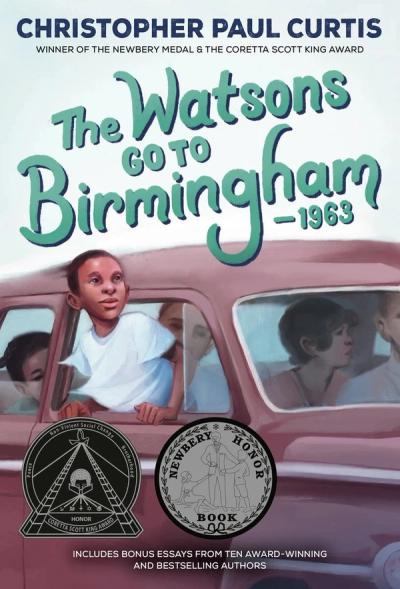
A funny family road trip to Birmingham. Then 1963 arrives.
✦ READ – REFLECT → RESIST
The Youngest Marcher
Cynthia Levinson
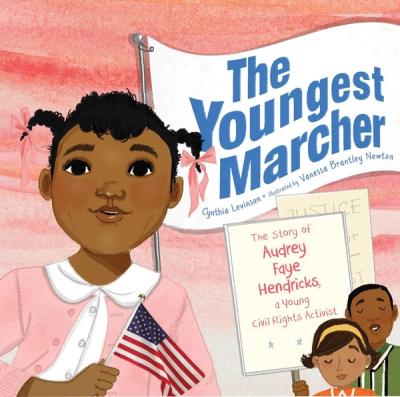
She was nine. She marched. She went to jail. Birmingham listened.
✦ READ – REFLECT → RESIST
Claudette Colvin: Twice Toward Justice
Phillip Hoose
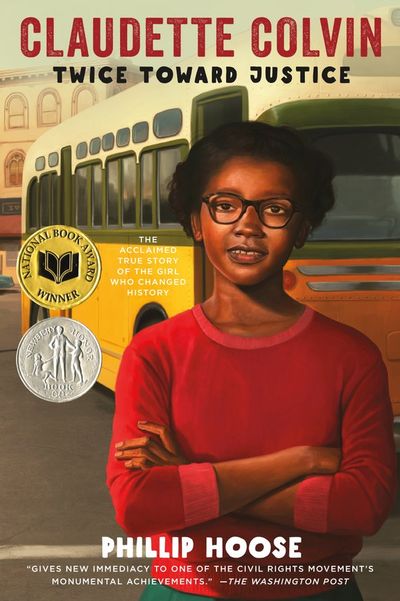
She refused first. History forgot her anyway.
✦ READ – REFLECT → RESIST
Something Happened in Our Town: A Child's Story about Racial Injustice
Marianne Celano, Marietta Collins, and Ann Hazzard
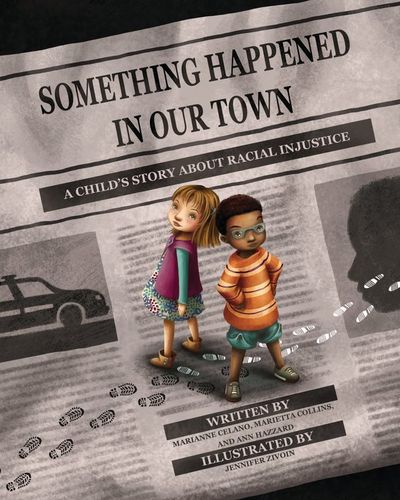
The book for the conversation you've been avoiding.
✦ READ – REFLECT → RESIST
Same pattern, different era
Different time, different place. The same thing keeps happening.
The Absolutely True Diary of a Part-Time Indian
Sherman Alexie
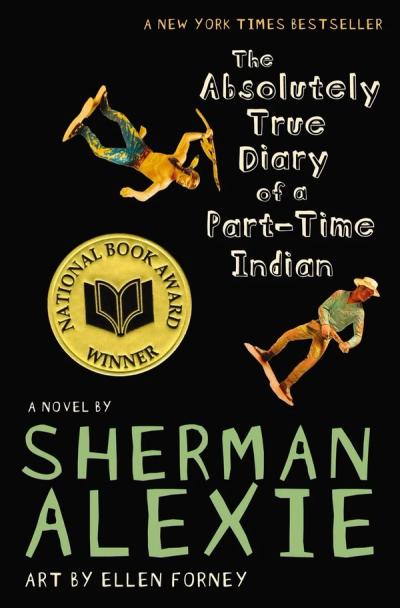
A reservation kid goes to the white school. Everyone loses.
✦ READ – REFLECT → RESIST
Darius the Great Is Not Okay
Adib Khorram
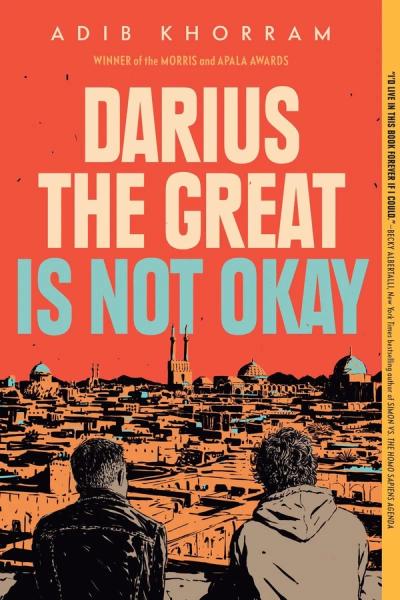
Half-Iranian, depressed, going to Iran. He finds himself there.
✦ READ – REFLECT → RESIST
It Ain't So Awful, Falafel
Firoozeh Dumas
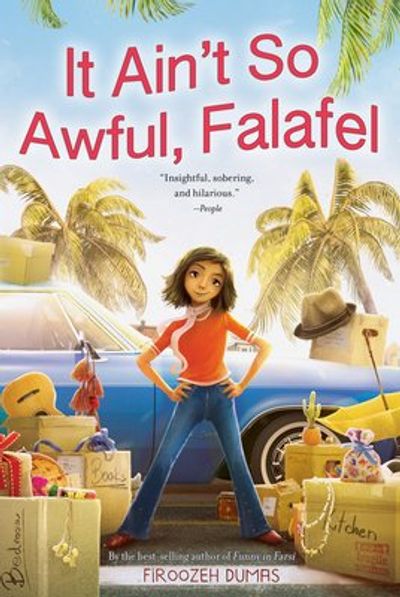
Iranian American in 1979. Her country is on the news. Not in a good way.
✦ READ – REFLECT → RESIST
Before the Ever After
Jacqueline Woodson
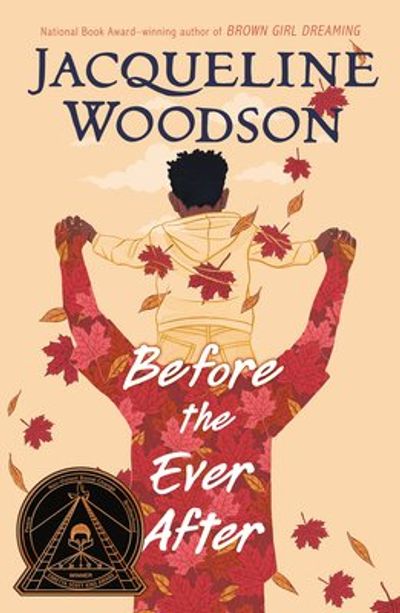
His dad was a football star. Something is changing. He watches.
✦ READ – REFLECT → RESIST
For the grown-up bookshelf
Same idea, written for a grown-up. Good for the adult in the room, too.
All Boys Aren't Blue
George M. Johnson
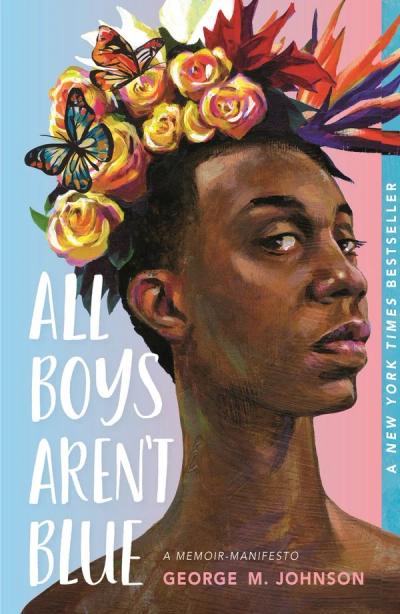
A Black queer memoir they tried to erase from schools
✦ READ – REFLECT → RESIST
Out of Darkness
Ashley Hope Pérez
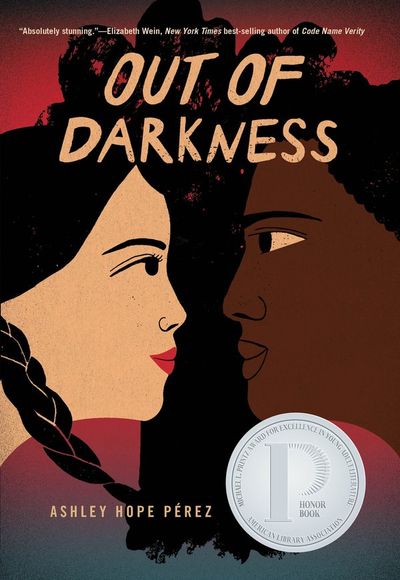
Forbidden love in Jim Crow Texas. Based on true events.
✦ READ – REFLECT → RESIST
Stamped: Racism, Antiracism, and You
Jason Reynolds and Ibram X. Kendi
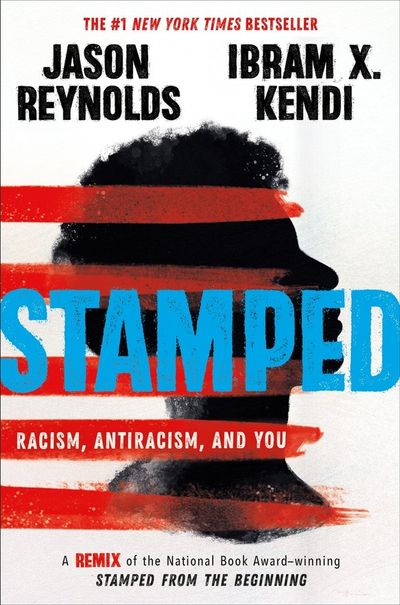
The history of racist ideas — who made them and why
✦ READ – REFLECT → RESIST
Ain't I a Woman: Black Women and Feminism
bell hooks
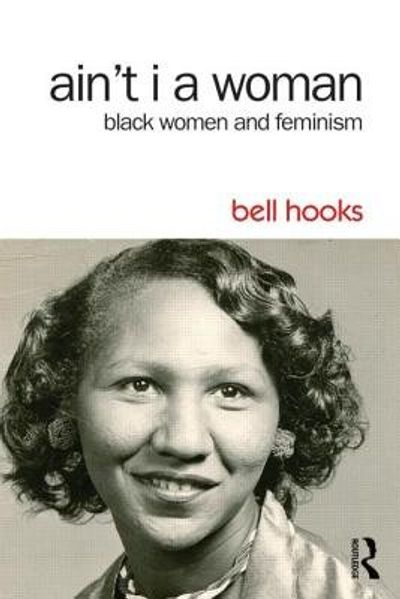
Who gets to count as a woman?
✦ READ – REFLECT → RESIST