
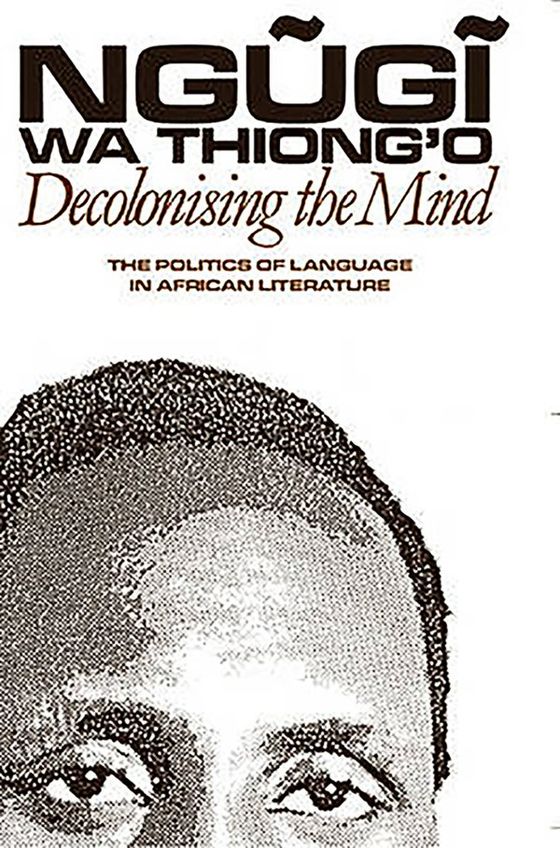
Decolonising the Mind: The Politics of Language in African Literature
by Ngũgĩ wa Thiong'o
The colonizer’s real weapon was the classroom.
For you if
you've wondered whose language your education was taught in, and why.
⚡ Choose Your Route ⚡
Not sold directly on this site. Support indie bookstores with a new copy, or go sustainable with a used one.
Buy New on Bookshop.orgSupports independent bookstores
— OR —
Find Used on Better World BooksSecondhand & sustainable
$20 MSRP · Paperback
Reference price shown. Other editions may be available.
Ngũgĩ wa Thiong'o argues that the most effective colonial weapon was never the gun; it was the classroom where children were punished for speaking their own language and taught that real literature happens in English. He explains why he stopped writing novels in English and turned to Gikuyu, and what it costs and what it frees. By the last page, you will hear the language you are reading in a different way, and ask who decided it counts as the default.
Where This Book Lives
Ngũgĩ was jailed without trial in Kenya in 1977 after a play in Gikuyu, and he wrote Devil on the Cross, already in the catalog, on prison toilet paper. This is the essay collection behind the novels. Short, and written as a farewell to English as his language of fiction. Pairs with Discourse on Colonialism and Pedagogy of the Oppressed.
Related Viewing
Shares a topic, theme, or setting with this book in the catalog.
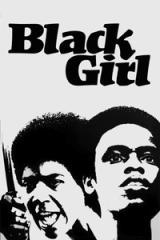
Black Girl (La Noire de…)(1966)
dir. Ousmane Sembène
Same event: Decolonization · Same theme: Colonialism's Legacy
Colonialism fits in one apartment.
Diouana, a young Senegalese woman, takes a job as a nanny for a white French couple in Dakar, then follows them to the Riviera expecting a new life. Instead she becomes a maid shut in their flat, watched and owned. It is one of the first great African films and runs about an hour.
Why it’s here: The film makes the colonial relationship small enough to see: one flat, one woman, one mask on a wall. What's punk is Sembène, a Senegalese director, making the film the French would not, with independence barely won and the old arrangements intact. What's pedagogical is the use of space and silence: you read power from where people are allowed to stand. Pairs with Xala, already in the catalog.
Where to watch: HBO Max and Plex (free with ads); rent Amazon, Apple TV, Fandango At HomeLetterboxd ↗
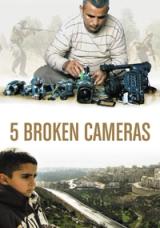
5 Broken Cameras(2011)
dir. Emad Burnat & Guy Davidi
Same theme: Anti-Colonialism
Five cameras destroyed. Every one kept filming.
A Palestinian farmer in Bil'in documents his village's nonviolent resistance to encroaching Israeli settlements over five years, structured around each of his cameras' destruction.
Why it’s here: Shot almost entirely by a Palestinian farmer with no filmmaking background, on cameras that kept getting destroyed and kept getting replaced — testimony in the most literal sense, edited (not directed) into shape by an Israeli co-director after the fact.
Where to watch: Free on Kanopy, HooplaLetterboxd ↗
Same event, different angle
The same history — told by someone who saw it differently.
Aké: The Years of Childhood
Wole Soyinka
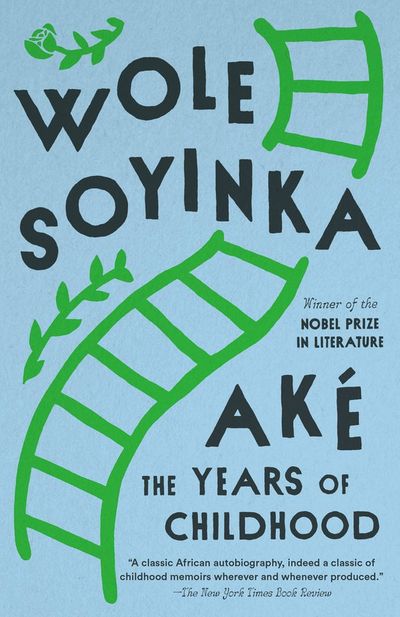
A colonial childhood, one question at a time.
✦ READ – REFLECT → RESIST
How Europe Underdeveloped Africa
Walter Rodney
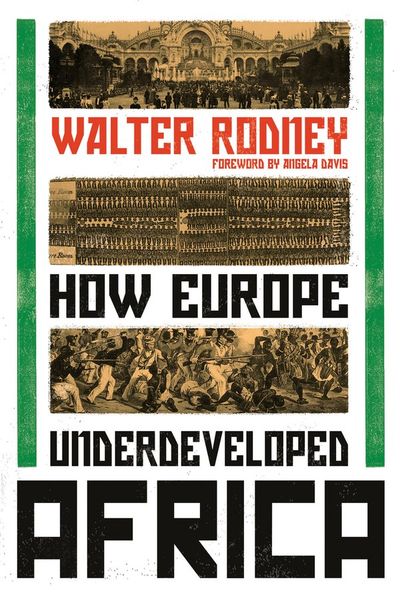
Africa isn't poor. It was made poor.
✦ READ – REFLECT → RESIST
Kintu
Jennifer Nansubuga Makumbi
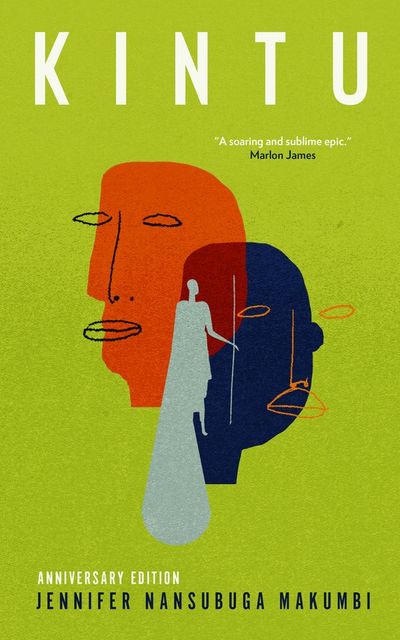
A family curse, 250 years deep.
✦ READ – REFLECT → RESIST
Nervous Conditions
Tsitsi Dangarembga
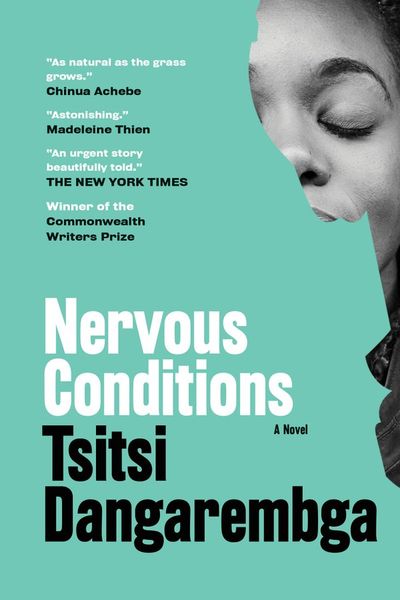
The education that includes you and erases you.
✦ READ – REFLECT → RESIST
Same pattern, different era
Different time, different place. The same thing keeps happening.
Brain Droppings
George Carlin
Dissecting the euphemisms that run us.
✦ READ – REFLECT → RESIST
Capitalism and Slavery
Eric Williams
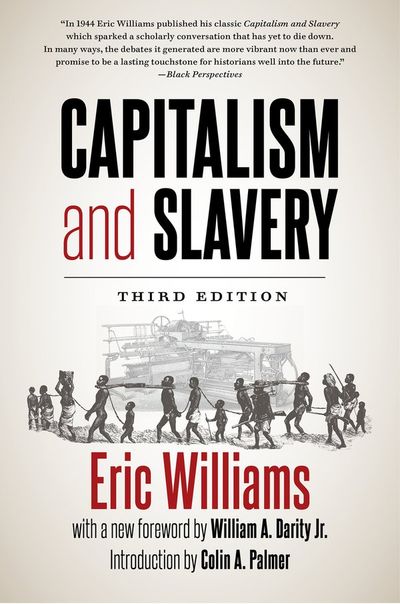
Slavery didn't fund empire. Slavery WAS empire.
✦ READ – REFLECT → RESIST
The Ethnic Cleansing of Palestine
Ilan Pappé
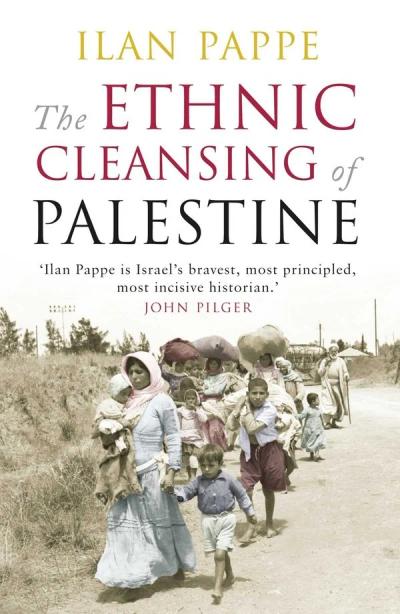
Plan Dalet. Village by village.
✦ READ – REFLECT → RESIST
How Europe Underdeveloped Africa
Walter Rodney
Africa isn't poor. It was made poor.
✦ READ – REFLECT → RESIST
For the family bookshelf
Same idea, written for a younger reader. Good for reading together.
Consent (for Kids!): Boundaries, Respect, and Being in Charge of YOU
Rachel Brian
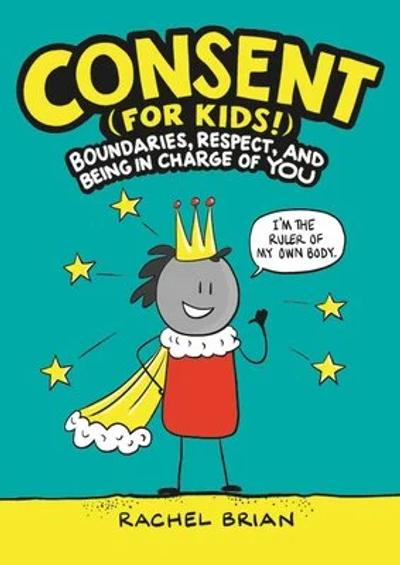
Consent as a skill, not a lecture.
✦ READ – REFLECT → RESIST
My Body! What I Say Goes! (2nd Edition)
Jayneen Sanders
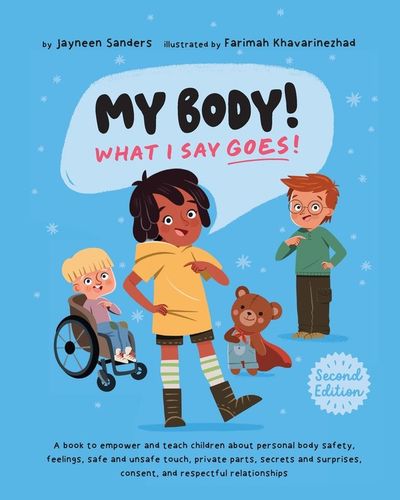
A no a four-year-old can say out loud.
✦ READ – REFLECT → RESIST
Frindle
Andrew Clements
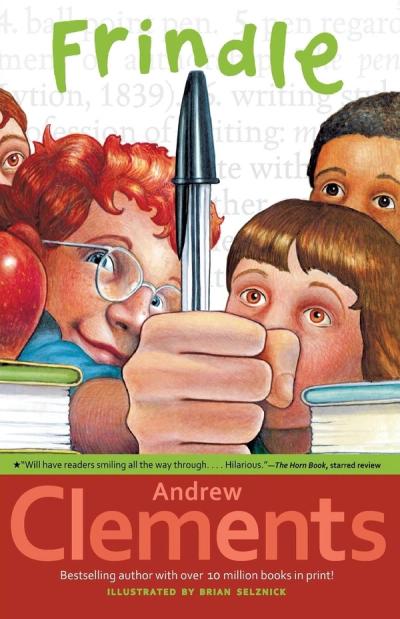
He invented a word. The whole town tried to stop him.
✦ READ – REFLECT → RESIST
Thinking from Black: A Lexicon
The Practicing Refusal Collective
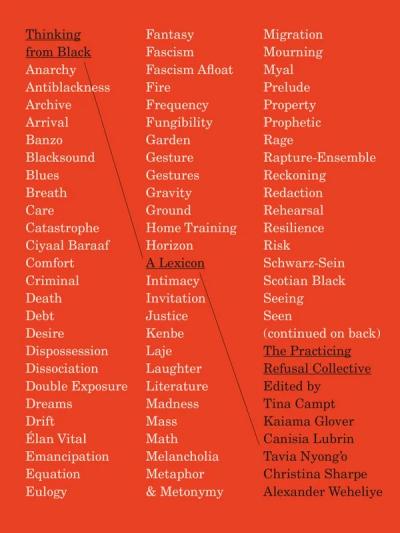
New language for what you already knew was true.
✦ READ – REFLECT → RESIST