
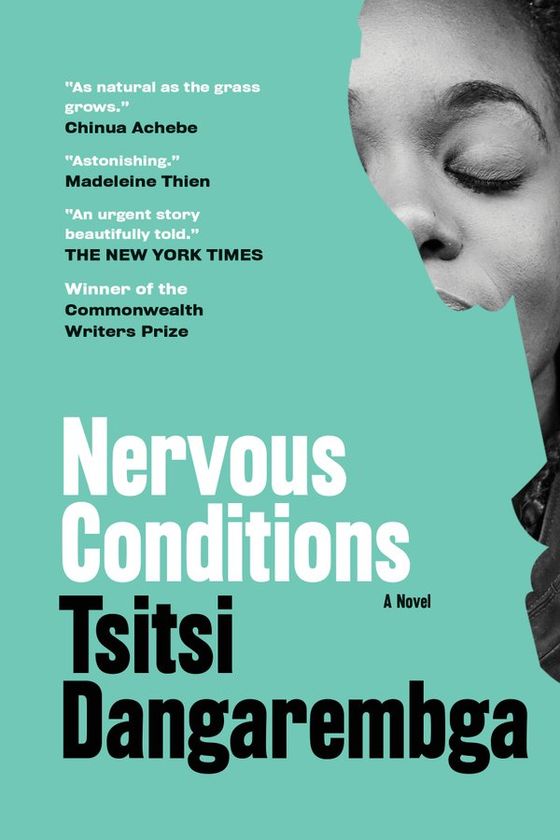
Nervous Conditions
by Tsitsi Dangarembga
The education that includes you and erases you.
For you if
you've wondered whether the education they gave you was freedom or a longer leash
⚡ Choose Your Route ⚡
Not sold directly on this site. Support indie bookstores with a new copy, or go sustainable with a used one.
Buy New on Bookshop.orgSupports independent bookstores
— OR —
Find Used on Better World BooksSecondhand & sustainable
$17 MSRP · Paperback
Reference price shown. Other editions may be available.
Tambu's brother dies and she gets his place at the mission school — and that's where Dangarembga starts taking the story apart. Nervous Conditions is set in Rhodesia in the 1960s, where a Black Zimbabwean family navigates the mission compound and the colonial education system that runs through it. What the novel traces is the trap built into the opportunity: how assimilation doesn't liberate, it extracts. The title is Sartre's phrase, from his preface to The Wretched of the Earth — "the condition of the native is a nervous condition" — and Dangarembga proves it by showing you exactly what that costs, in one family, over one girl's coming of age.
Where This Book Lives
- Setting
- Zimbabwe
- Voice
- Written by a Zimbabwean author
The title is Sartre's — from his preface to The Wretched of the Earth — and Dangarembga earns it on every page. This is the book that makes Fanon feel lived rather than argued: the double bind in one girl's body, on one mission compound in Rhodesia. In 2020, Dangarembga was arrested in Zimbabwe for protesting corruption — international organizations called the charges spurious, PEN International gave her the Freedom of Expression award the following year. The woman who wrote about the trap of colonial legitimacy has spent decades navigating it herself. That's not background. That's the whole story.
Related Viewing
Shares a topic, theme, or setting with this book in the catalog.
Black Girl (La Noire de…)(1966)
dir. Ousmane Sembène
Same themes: Colonialism's Legacy, Postcolonial Identity
Colonialism fits in one apartment.
Diouana, a young Senegalese woman, takes a job as a nanny for a white French couple in Dakar, then follows them to the Riviera expecting a new life. Instead she becomes a maid shut in their flat, watched and owned. It is one of the first great African films and runs about an hour.
Why it’s here: The film makes the colonial relationship small enough to see: one flat, one woman, one mask on a wall. What's punk is Sembène, a Senegalese director, making the film the French would not, with independence barely won and the old arrangements intact. What's pedagogical is the use of space and silence: you read power from where people are allowed to stand. Pairs with Xala, already in the catalog.
Where to watch: HBO Max and Plex (free with ads); rent Amazon, Apple TV, Fandango At HomeLetterboxd ↗

Mustang(2015)
dir. Deniz Gamze Ergüven
Same themes: Coming of Age, Women's Resistance
Five sisters, one house that becomes a prison.
Five orphaned sisters in a remote Turkish village are caught playing with boys on the last day of school. Their family reads the afternoon as a scandal, and the house is converted bit by bit into a place of bars, chaperones and arranged marriages, while the youngest sisters plot a way out.
Why it’s here: The punk move is the tone: Ergüven shoots the girls as a pack of golden, tangled, laughing bodies, so the reader feels the freedom being taken away and not just told about it. The pedagogy is in how it traces the machinery. Surveillance gets dressed up as care, honor as love, and a whole community participates without a villain in the room, which is how restriction actually works. It deals with the forced marriage of teenage girls and some of the harm that follows, handled with restraint rather than spectacle, so it suits older teens and adults.
Where to watch: Free on Tubi, rent on Apple TVLetterboxd ↗
Same event, different angle
The same history — told by someone who saw it differently.
Gulliver's Travels
Jonathan Swift

Swift's mean, necessary joke about rulers.
✦ READ – REFLECT → RESIST
A Small Place
Jamaica Kincaid

The tourist brochure, answered.
✦ READ – REFLECT → RESIST
Aké: The Years of Childhood
Wole Soyinka
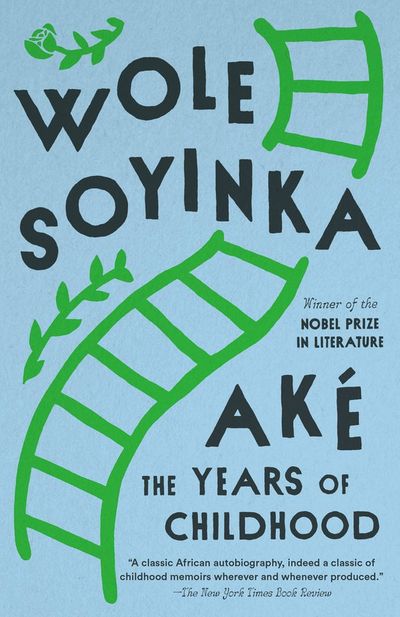
A colonial childhood, one question at a time.
✦ READ – REFLECT → RESIST
Capitalism and Slavery
Eric Williams
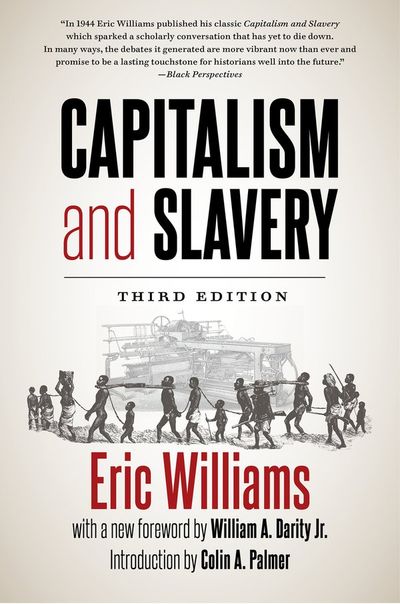
Slavery didn't fund empire. Slavery WAS empire.
✦ READ – REFLECT → RESIST
Same pattern, different era
Different time, different place. The same thing keeps happening.
A Court of Thorns and Roses
Sarah J. Maas
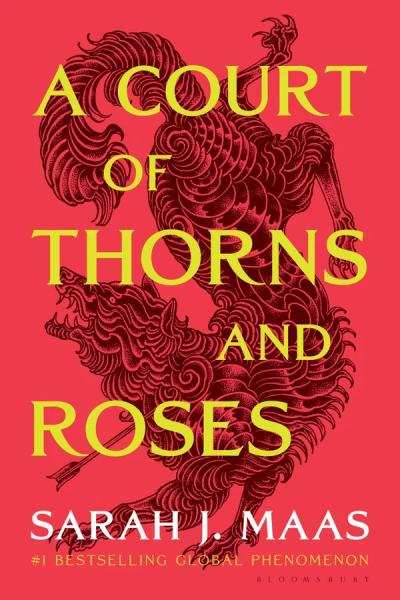
Survival instincts don't stop at the Wall.
✦ READ – REFLECT → RESIST
Aristophanes' Lysistrata: A Dual Language Edition
Aristophanes
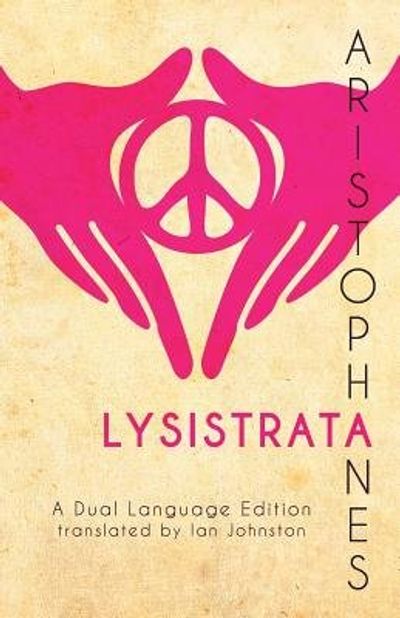
The oldest sex strike in history. Still works.
✦ READ – REFLECT → RESIST
Breathless
Jennifer Niven
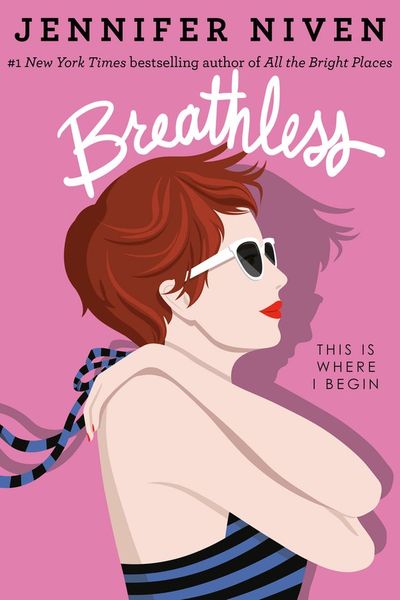
A teen girl writes her own story.
✦ READ – REFLECT → RESIST
Dear Martin
Nic Stone
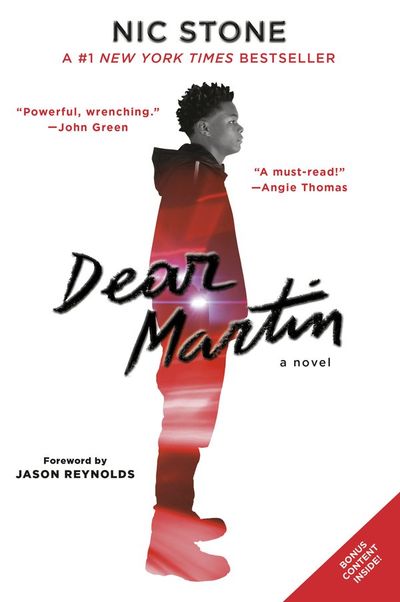
Letters to MLK from a kid in handcuffs.
✦ READ – REFLECT → RESIST
For the family bookshelf
Same idea, written for a younger reader. Good for reading together.
Flamer
Mike Curato
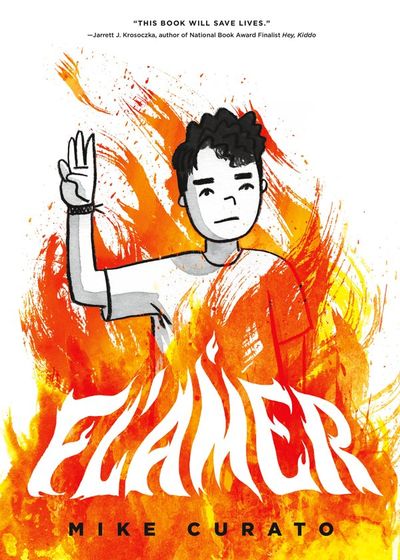
A gay Latino teen at camp. Banned for existing.
✦ READ – REFLECT → RESIST
Drama
Raina Telgemeier
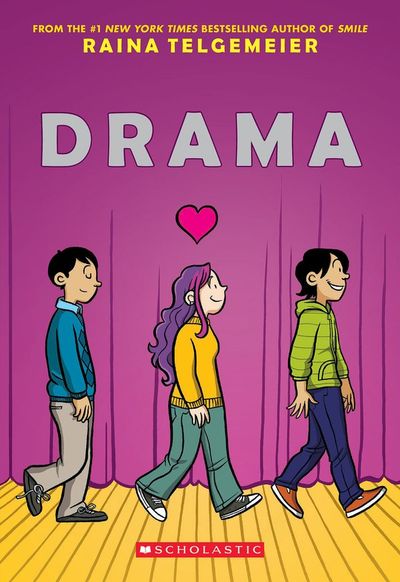
A graphic novel about theater, crushes, and who you are
✦ READ – REFLECT → RESIST
Amal Unbound
Aisha Saeed
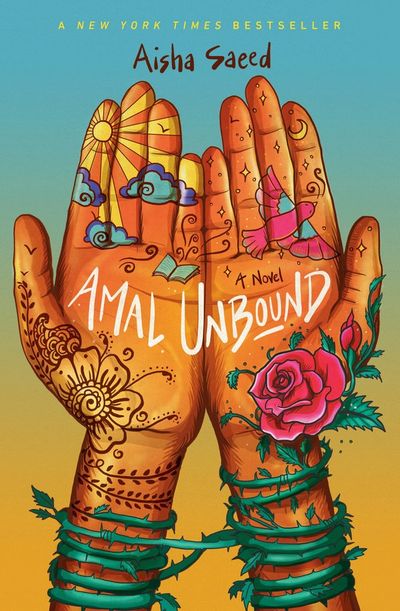
The debt wasn't hers. The cage is.
✦ READ – REFLECT → RESIST
Bread and Roses, Too
Katherine Paterson
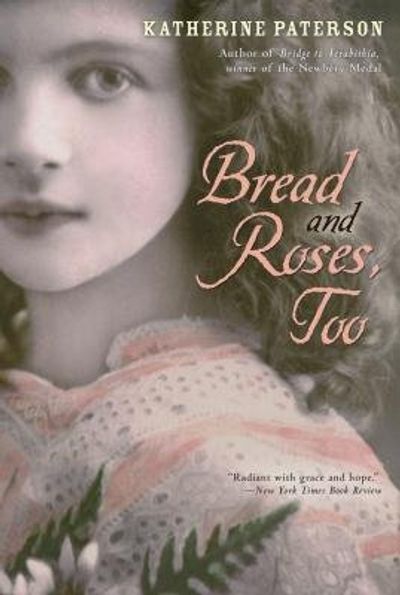
Bread. Roses. Neither is optional.
✦ READ – REFLECT → RESIST