
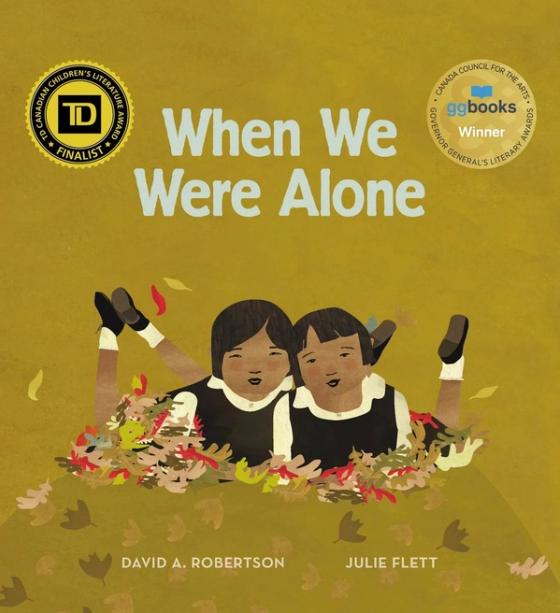
When We Were Alone
by David A. Robertson
Why does grandma keep her hair long? Because they made her cut it.
For you if
your child is old enough to hear that some things were taken from people and that keeping them is an act of love
⚡ Choose Your Route ⚡
Not sold directly on this site. Support indie bookstores with a new copy, or go sustainable with a used one.
Buy New on Bookshop.orgSupports independent bookstores
— OR —
Find Used on Better World BooksSecondhand & sustainable
$22 MSRP
Reference price shown. Other editions may be available.
A young girl notices things about her grandmother — why she grows so many flowers, why she speaks Cree, why she keeps her hair long, why she wears bright colors. Each answer is the same: because at residential school, they took those things away, so now she keeps them close. Robertson is Cree and wrote this as a way to talk to children about residential schools without trauma being the whole story. The grandmother's answer is always an act of reclamation — here is what was taken, here is why I have it back. The most important Canadian Indigenous picture book and the gentlest possible entry point to a history that must be told.
Where This Book Lives
- Setting
- Canada • North America
- Voice
- Written by a Canadian author
Related Viewing
Shares a topic, theme, or setting with this book in the catalog.
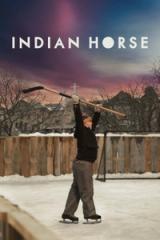
Indian Horse(2017)
dir. Stephen S. Campanelli
Hockey couldn't save him from what came before.
Torn from his Ojibway family and committed to a Catholic residential school in 1950s Ontario, Saul Indian Horse survives institutional abuse and finds an unlikely refuge in hockey — though the game can't undo what the school did. Adapted from Richard Wagamese's novel.
Why it’s here: Punk in refusing to let athletic triumph erase institutional abuse — Saul's hockey talent doesn't heal the residential school system that tried to break him. Pedagogical in showing how trauma and skill can coexist in the same body without cancelling each other out.
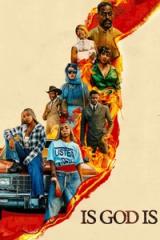
Is God Is(2026)
dir. Aleshea Harris
Two sisters. One mission from God: kill their father.
Twin sisters marked since childhood by disfiguring burn scars are contacted by the mother they believed dead, who reveals their father set the fire that scarred them — and sends her daughters on a cross-country mission to kill him. Adapted from Aleshea Harris's own award-winning play.
Why it’s here: Punk in framing righteous vengeance as a mission handed down by a mother rather than a moral failing to overcome — the film refuses to let "forgiveness" be the default answer to abuse. Pedagogical in tracing how violence passed down through a family can be interrupted, redirected, or repeated, letting the two sisters choose differently from each other.
Same pattern, different era
Different time, different place. The same thing keeps happening.
Planting Stories: The Life of Librarian and Storyteller Pura Belpré
Anika Aldamuy Denise
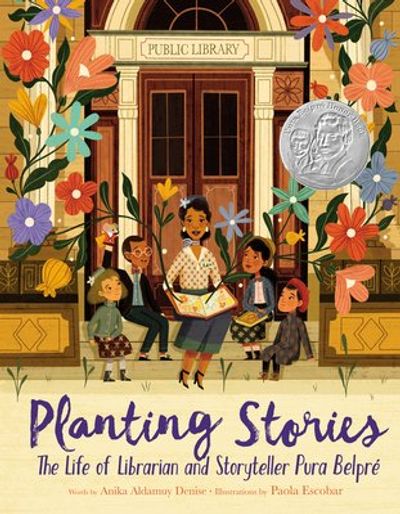
She brought her stories. The library changed.
✦ READ – REFLECT → RESIST
Eyes That Kiss in the Corners
Joanna Ho
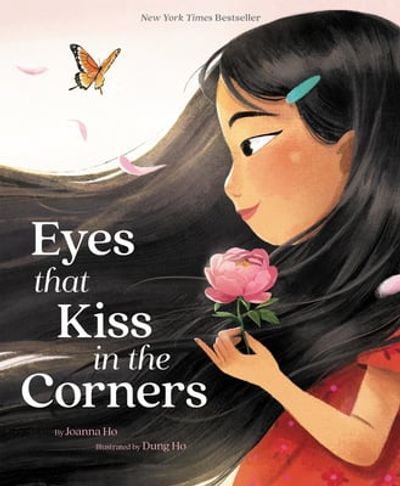
A love letter to seeing yourself.
✦ READ – REFLECT → RESIST
Darius the Great Is Not Okay
Adib Khorram
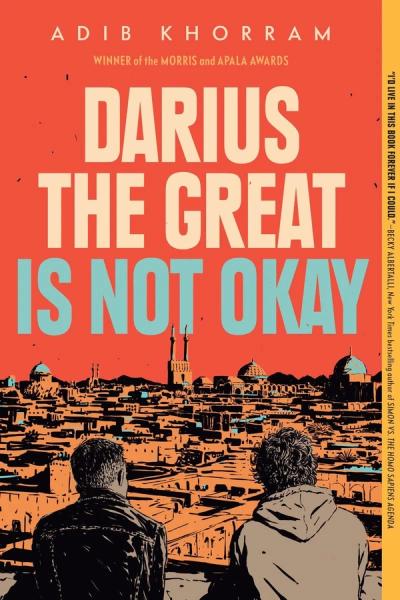
Half-Iranian, depressed, going to Iran. He finds himself there.
✦ READ – REFLECT → RESIST
For the grown-up bookshelf
Same idea, written for a grown-up. Good for the adult in the room, too.
Ambiguous Adventure
Cheikh Hamidou Kane
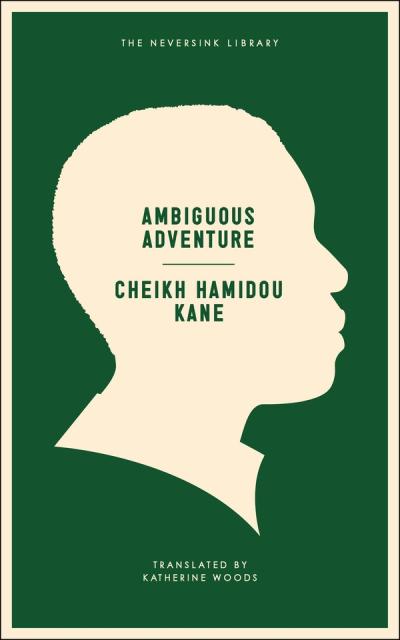
Sent to learn the enemy's weapons. He loses himself.
✦ READ – REFLECT → RESIST
Tropical Truth
Caetano Veloso
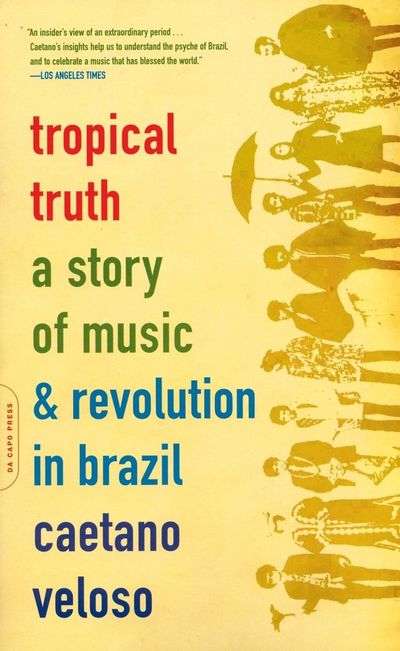
Arrested for electric guitar. The exile is the point.
✦ READ – REFLECT → RESIST
Return to the Source
Amílcar Cabral
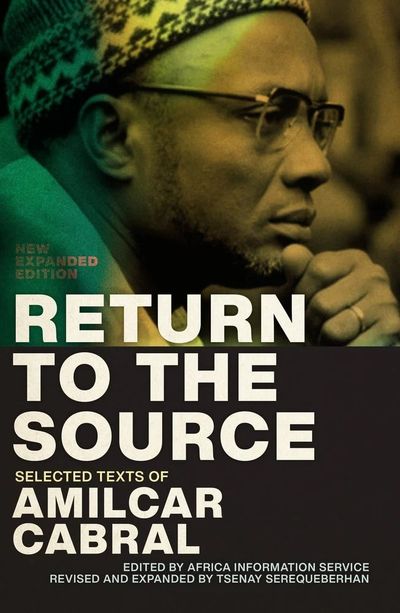
Africa's sharpest revolutionary thinker, his own words.
✦ READ – REFLECT → RESIST
Omeros
Derek Walcott
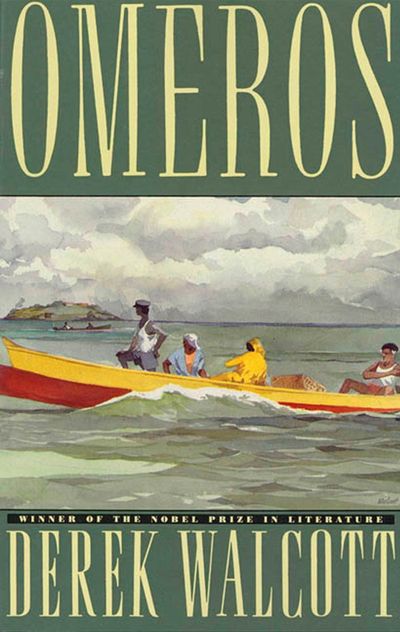
Homer's Odyssey, reborn in the Caribbean.
✦ READ – REFLECT → RESIST