
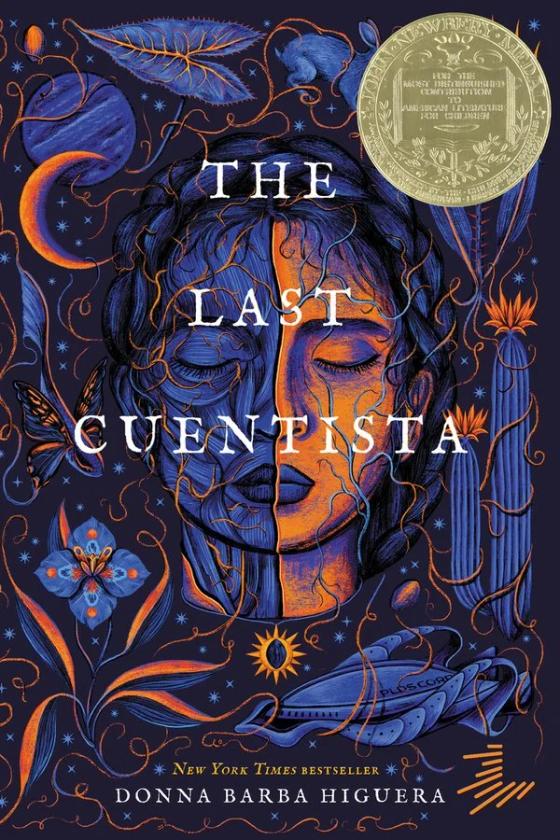
The Last Cuentista
by Donna Barba Higuera
The last girl who remembers the old stories.
For you if
your kid loves sci-fi and needs a hero who fights with stories.
⚡ Choose Your Route ⚡
Not sold directly on this site. Support indie bookstores with a new copy, or go sustainable with a used one.
Buy New on Bookshop.orgSupports independent bookstores
— OR —
Find Used on Better World BooksSecondhand & sustainable
$10 MSRP · Paperback
Reference price shown. Other editions may be available.
Petra Peña wants to be a scientist, but her grandmother is a storyteller, and when Earth is about to be destroyed by a comet, her family boards a ship to a new planet. Petra wakes from a long sleep to find that everyone else has had their memories wiped, and an order has taken over that controls what people remember. She is the last person who knows the old stories, and she has to decide what to do with them.
Where This Book Lives
Won the 2022 Newbery Medal. Written by a Mexican-American author and rooted in Mexican folklore. It is a middle-grade dystopia with real menace, so check it against your kid's tolerance for a world that erases memory. Pairs with The Giver, with a very different answer.
Related Viewing
Shares a topic, theme, or setting with this book in the catalog.
Daughters of the Dust(1991)
dir. Julie Dash
Same themes: Ancestral Memory, Heritage and Ancestry
Gullah women on the eve of leaving the Sea Islands.
1902, the Sea Islands off the Georgia and South Carolina coast. Three generations of Gullah women gather for a last day together before part of the family migrates north to the mainland, weighing what they carry from their African ancestors against what the future is calling them toward.
Why it’s here: The punk move is the form: Julie Dash refused the pacing, plot and explanatory voiceover a Hollywood period drama expects, and built a film from Gullah language, ritual and memory instead, narrated partly by an unborn child. The pedagogy is in what that costs and gives you. It teaches a viewer to read a culture on its own terms, and puts the question of what a family keeps and what it lets go at the center rather than treating it as backdrop. It is slow and non-linear by design, so it rewards a second watch and a conversation afterward more than a casual first one.
Where to watch: Criterion Channel, TubiLetterboxd ↗
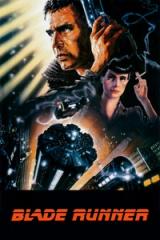
Blade Runner(1982)
dir. Ridley Scott
Same theme: Memory and Truth
What makes one human when the answer keeps changing?
A burnt-out cop is pulled back into hunting fugitive "replicants" — bioengineered humans who have escaped off-world servitude and returned to Earth seeking their maker and a longer life. Adapted from Philip K. Dick's Do Androids Dream of Electric Sheep?
Why it’s here: Punk in its refusal to give the replicants a clean villain arc — Roy Batty's dying monologue is the film arguing that manufactured life grieves like real life. Pedagogical in how it trains you to distrust the neat categories — human/replicant, real/false memory — that power uses to sort who deserves rights.
Where to watch: Rent/buy: Apple TV, AmazonLetterboxd ↗
Same pattern, different era
Different time, different place. The same thing keeps happening.
Ship Breaker
Paolo Bacigalupi
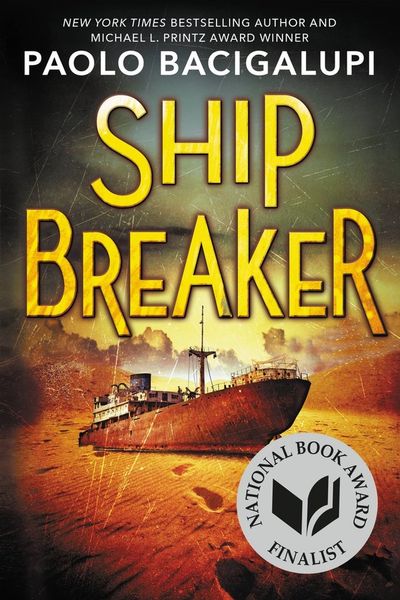
The Gulf Coast drowned. He strips tankers to survive. Then a choice.
✦ READ – REFLECT → RESIST
Brown Girl Dreaming
Jacqueline Woodson
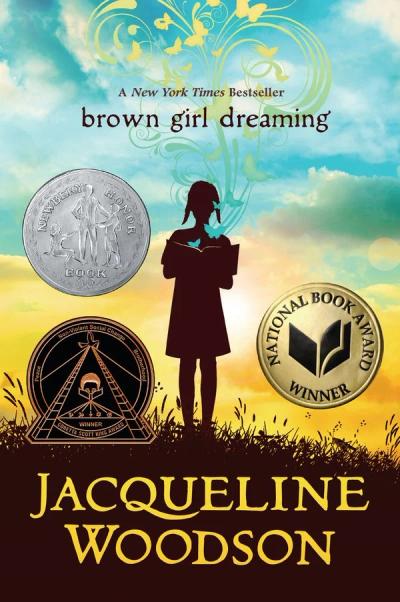
A Black girlhood in verse — history you can feel.
✦ READ – REFLECT → RESIST
Everything Sad Is Untrue (a true story)
Daniel Nayeri
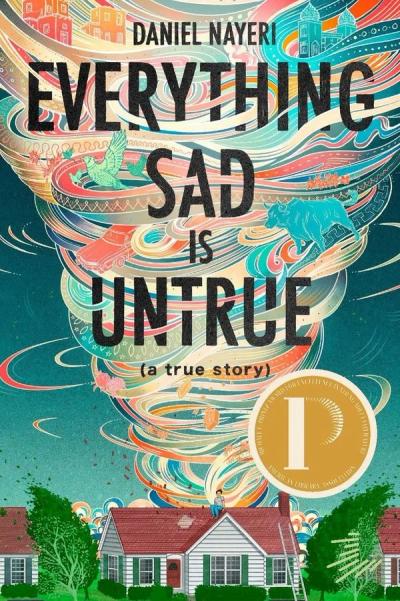
A refugee kid tells stories to survive.
✦ READ – REFLECT → RESIST
Mama’s Nightingale: A Story of Immigration and Separation
Edwidge Danticat
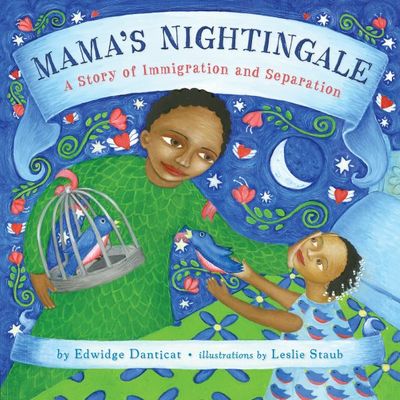
A girl’s story reaches her detained mother.
✦ READ – REFLECT → RESIST
For the grown-up bookshelf
Same idea, written for a grown-up. Good for the adult in the room, too.
End Times Fascism: And the Fight for the Living World
Naomi Klein and Astra Taylor
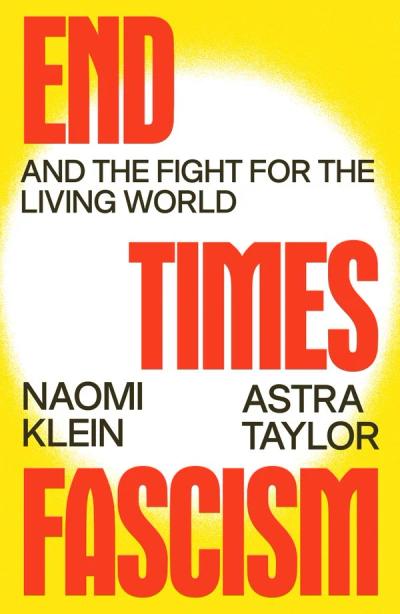
Apocalypse as political strategy.
✦ READ – REFLECT → RESIST
Kintu
Jennifer Nansubuga Makumbi
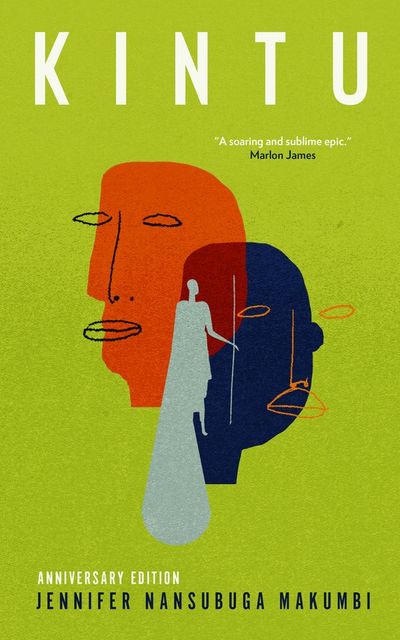
A family curse, 250 years deep.
✦ READ – REFLECT → RESIST
Nuclear War: A Scenario
Annie Jacobsen
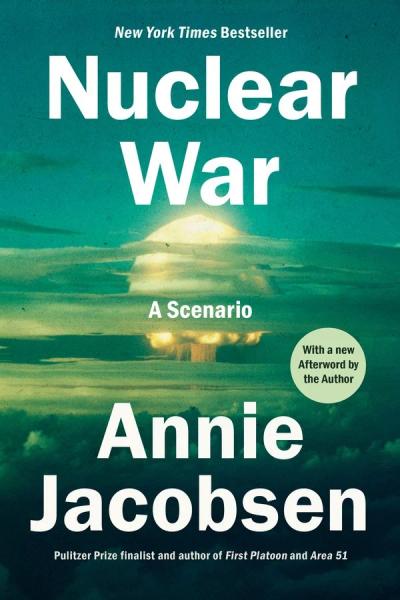
72 minutes to the end of everything.
✦ READ – REFLECT → RESIST
Good Omens
Neil Gaiman & Terry Pratchett
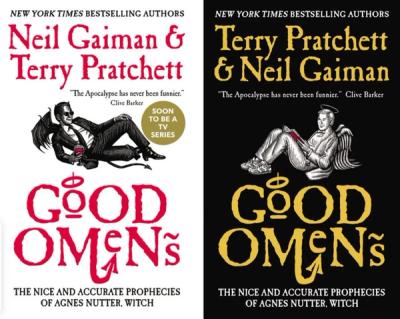
Apocalypse with eyeliner and tea.
✦ READ – REFLECT → RESIST