

The Complete Maus: A Survivor's Tale
by Art Spiegelman
The only comic to win the Pulitzer. Banned anyway.
For you if
you need to understand what happened in Europe, and what it cost the generation that came after.
⚡ Choose Your Route ⚡
Not sold directly on this site. Support indie bookstores with a new copy, or go sustainable with a used one.
Buy New on Bookshop.orgSupports independent bookstores
— OR —
Find Used on Better World BooksSecondhand & sustainable
$40 MSRP · Hardcover
Reference price shown. Other editions may be available.
In 1972, Art Spiegelman started interviewing his father. Vladek Spiegelman had survived Auschwitz, had watched his first son die, had lost his wife to suicide years after liberation. He was also difficult to be around — obsessive, miserly, wearing out his second wife with small cruelties, incapable of throwing away a piece of string. *Maus* is both of these things at once. It is the record of what Vladek survived — Sosnowiec, the ghetto, the labor camps, Auschwitz, the death marches, the refugee camps — told through mice and cats, with the Germans as the cats and the Jews as mice. The visual conceit isn't allegory. It's a formal statement about dehumanization: this is what they made of us, and we survived anyway. It's also the record of Art's failure to know his father. He sits across the kitchen table from a man who cannot be simplified into either a monument to survival or a lesson in the dangers of trauma, and draws himself doing it, badly, guiltily, chain-smoking. The meta-layer — Art figuring out how to make this book, arguing with his therapist about whether it's exploitative, watching it become famous — is not navel-gazing. It's the book refusing to let you use the Holocaust as clean material. McMinn County, Tennessee removed it from 8th-grade Holocaust curriculum in 2022. They objected to the nudity (mice don't wear clothes) and eight profanities. The Holocaust itself did not make the list. That might be the most clarifying paragraph Spiegelman never wrote.
Banned & challenged
Find out what they were so afraid of.
Get a copy and decide for yourself.
McMinn County, TN school board removed Maus from 8th-grade Holocaust studies unanimously in January 2022. Stated reasons: nudity (mice depicted without clothing) and 8 instances of profanity. Real reason: the book refuses to make the Holocaust comfortable or abstractly historical — it shows genocide as something that happens to real, complicated people and echoes forward into their children's lives. The "nudity" rationale is particularly revealing: mice without clothes is the objection, not the industrialized murder of 6 million people. That tells you everything about what kind of discomfort the board was actually trying to prevent. Spiegelman called the ban Orwellian. The book had won the Pulitzer Prize in 1992.
See every banned & challenged book on our shelves →Where This Book Lives
- Setting
- Poland
- Voice
- Written by a Polish author
The McMinn County school board voted unanimously to remove *Maus* from 8th-grade Holocaust curriculum on January 10, 2022. The stated reasons: nudity (Spiegelman draws mice without clothing) and eight curse words. This is the equivalent of banning a book about torture because the victim said "damn." The board did not object to the Holocaust. They objected to how uncomfortable the book made the Holocaust feel. That's the tell. The Holocaust, sanitized, is a teachable moment. The Holocaust as *Maus* renders it — with Vladek's grief and trauma and pettiness, with Art's guilt and inadequacy, with mice being loaded into cattle cars — is something different. It's the kind of thing that makes 8th graders ask questions that don't have clean answers. Spiegelman called the decision "Orwellian." He was being precise. The "nudity" justification is worth lingering on. The mice in *Maus* don't wear clothes because they are mice. The board apparently found this sexualized. This isn't a misreading of the text — it's a category error so profound it suggests the objection was never really about what they said it was about. What they were actually objecting to was a book that refuses to let you watch from a safe distance. *Maus* won the Pulitzer Prize in 1992. It remains the only comic ever to do so. McMinn County removed it from Holocaust education anyway. P&P's position: read it as a primary document.
Related Viewing
Shares a topic, theme, or setting with this book in the catalog.
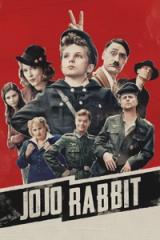
Jojo Rabbit(2019)
dir. Taika Waititi
Same events: Nazi Germany, The Holocaust · Same theme: Dehumanization
A Hitler Youth kid and his very silly imaginary Hitler.
Germany, near the end of World War II. Ten-year-old Jojo is a devoted Hitler Youth recruit whose imaginary best friend is a goofy version of Adolf Hitler. Then he discovers his mother is hiding a Jewish girl, Elsa, in the walls of their house, and everything he has been taught starts to collide with the person in front of him.
Why it’s here: The punk move is the nerve: Waititi mocks Nazism with slapstick and a ridiculous imaginary Hitler, then keeps turning the screw until the joke stops being funny. The pedagogy is in how it shows indoctrination from the inside. Jojo is a kid absorbing propaganda, pageantry and belonging, and the film shows how easily that happens and how a real person can break the spell. It is a satire, not a history lesson, and some viewers find the comedy too soft on the Holocaust; the film's answer is that ridicule is a way of denying the movement its dignity, not the suffering its weight. Waititi, who is Māori and Jewish, plays the fantasy Hitler himself. Best for teens and up.
Where to watch: Rent on Amazon, Apple TVLetterboxd ↗

Hannah Arendt(2012)
dir. Margarethe von Trotta
Same events: Nazi Germany, The Holocaust
A thinker pays for saying the unpopular thing.
Margarethe von Trotta's biopic follows the philosopher Hannah Arendt (Barbara Sukowa) from 1961, when she travels to Jerusalem to cover Adolf Eichmann's trial for The New Yorker, through the storm that followed her reports and her 1963 book Eichmann in Jerusalem. It is a talky period drama about a thinker working out an idea in public, and what it costs her with the friends and the community she belongs to.
Why it’s here: Most films about thinking make it look like a montage. This one lets it look like what it is: a woman in a chair, smoking, staring at a wall, trying to work out how an ordinary man ended up running a machine of murder. What's punk is what happens next. Arendt refuses to write the grief her community expects, publishes anyway, and loses friends over it. What's pedagogical is that the real trial footage of Eichmann is in the film, so you watch him talk and decide for yourself. Her argument is still contested, and some historians have since argued Eichmann was more committed to the ideology than she allowed, which makes it a better thing to watch, not a worse one.
Where to watch: Free on Kanopy, Hoopla; rent on Apple TVLetterboxd ↗
Same event, different angle
The same history — told by someone who saw it differently.
Fires in the Mirror: Crown Heights, Brooklyn and Other Identities
Anna Deavere Smith
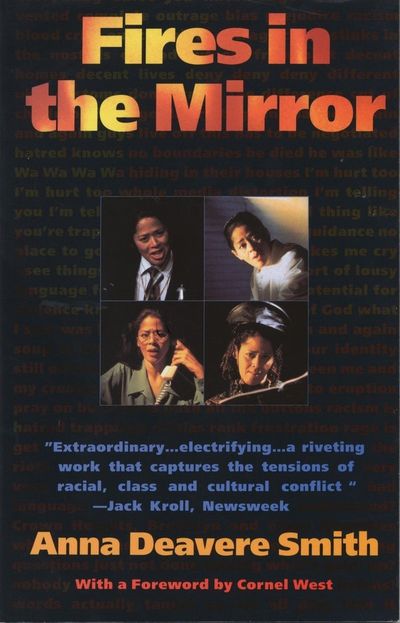
Crown Heights, in everyone’s own words.
✦ READ – REFLECT → RESIST
Look Who's Back
Timur Vermes
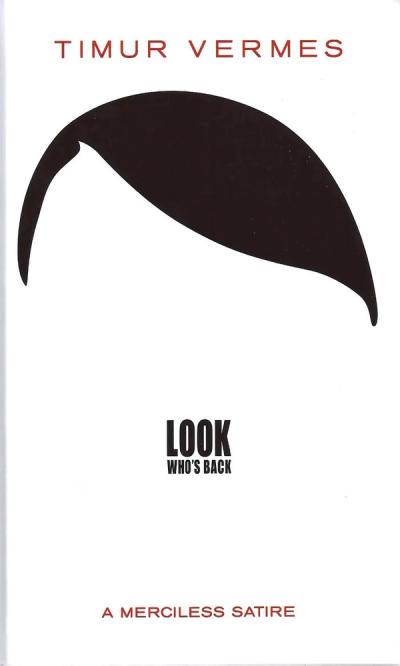
Hitler wakes up in 2011. Gets a TV show. Goes viral.
✦ READ – REFLECT → RESIST
The Librarian of Auschwitz
Antonio Iturbe
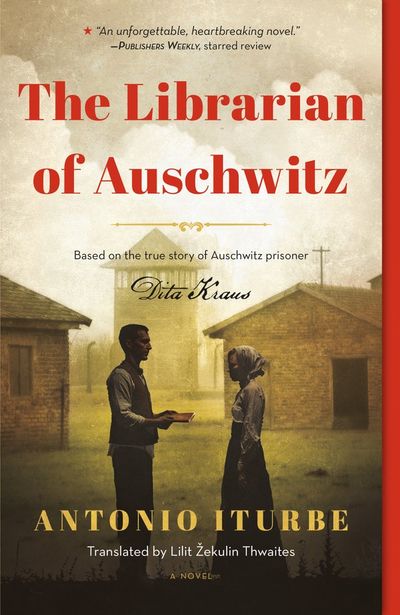
Eight books. One library. One defiant act.
✦ READ – REFLECT → RESIST
Anti-Zionism: A Jewish History
Benjamin Moser

The Jewish tradition they tried to bury.
✦ READ – REFLECT → RESIST
Same pattern, different era
Different time, different place. The same thing keeps happening.
A Court of Thorns and Roses
Sarah J. Maas
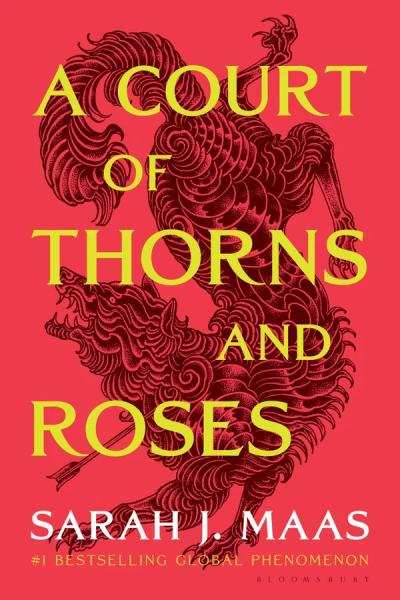
Survival instincts don't stop at the Wall.
✦ READ – REFLECT → RESIST
Banned Book Club
Kim Hyun Sook and Ryan Estrada (art by Ko Hyung-Ju)
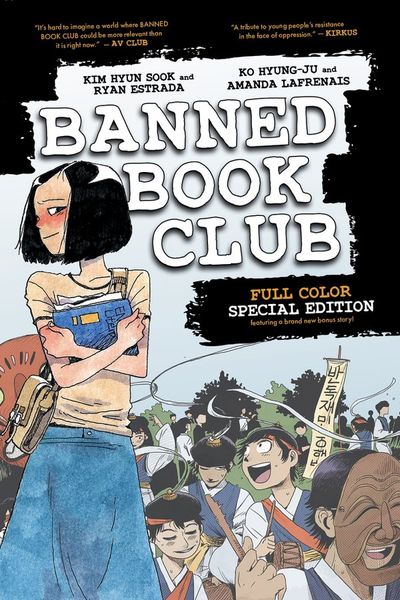
A secret reading group. A dictatorship. Real arrests.
✦ READ – REFLECT → RESIST
Breathless
Jennifer Niven
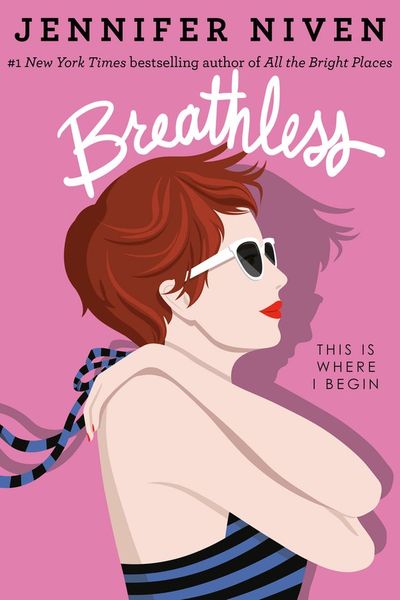
A teen girl writes her own story.
✦ READ – REFLECT → RESIST
Forever...
Judy Blume

The teen novel they banned for telling the truth.
✦ READ – REFLECT → RESIST
Flip the lens
Same country. Now hear it from the other side.
For the family bookshelf
Same idea, written for a younger reader. Good for reading together.
Brown Girl Dreaming
Jacqueline Woodson
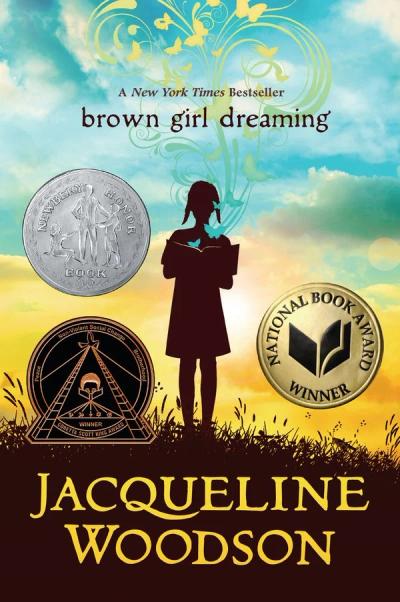
A Black girlhood in verse — history you can feel.
✦ READ – REFLECT → RESIST
The Absolutely True Diary of a Part-Time Indian
Sherman Alexie
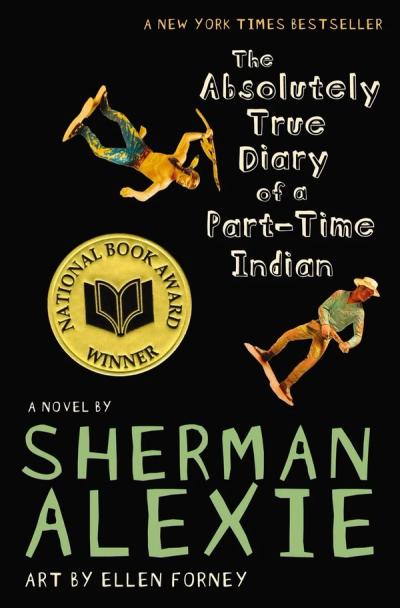
A reservation kid goes to the white school. Everyone loses.
✦ READ – REFLECT → RESIST
P is for Palestine
Golbarg Bashi
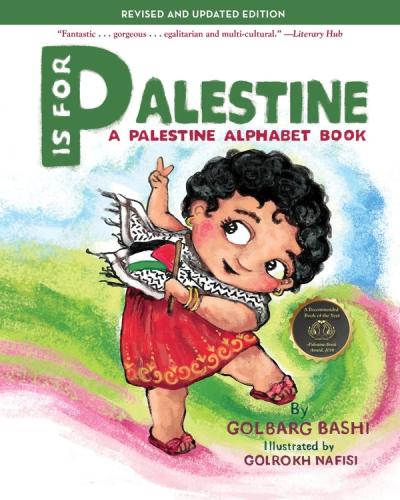
An alphabet book about Palestine. They tried to ban it.
✦ READ – REFLECT → RESIST
When We Were Alone
David A. Robertson
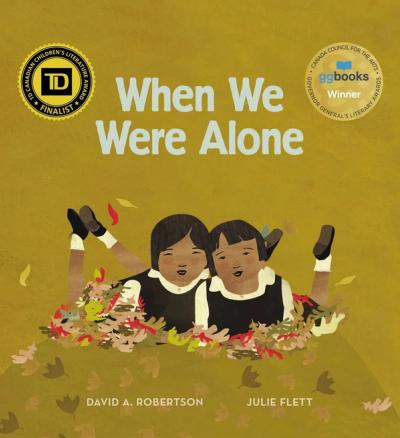
Why does grandma keep her hair long? Because they made her cut it.
✦ READ – REFLECT → RESIST