
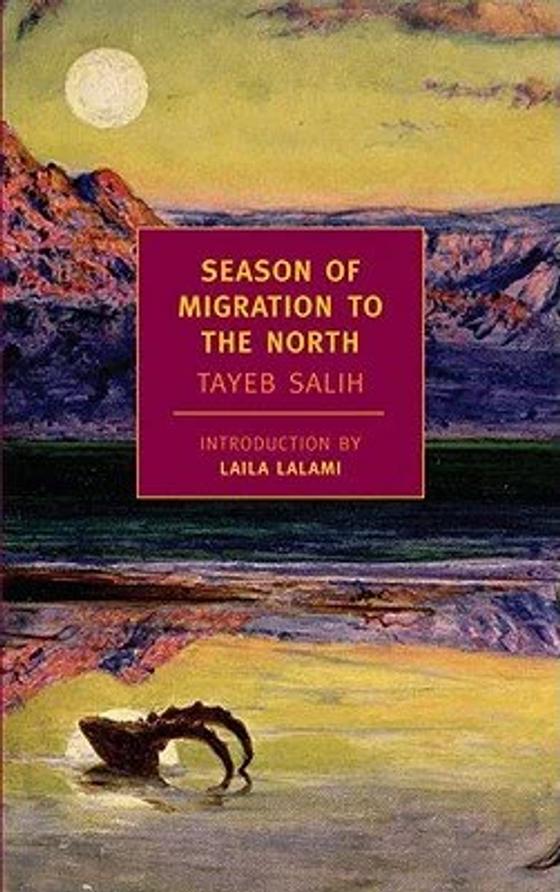
Season of Migration to the North
by Tayeb Salih
Conrad wrote Africa into shadow. Salih wrote back.
For you if
you want to see what empire looks like from the inside out.
⚡ Choose Your Route ⚡
Not sold directly on this site. Support indie bookstores with a new copy, or go sustainable with a used one.
Buy New on Bookshop.orgSupports independent bookstores
— OR —
Find Used on Better World BooksSecondhand & sustainable
$16 MSRP · Paperback
Reference price shown. Other editions may be available.
The narrator returns to his village on the Nile after seven years studying in England. He finds everything as he left it — except for one man, Mustafa Sa'eed, a stranger who arrived while he was gone. Mustafa is brilliant, elusive, and harbors a secret: he spent years in London, where he seduced and destroyed a series of European women as acts of conscious colonial revenge, before returning to this same Sudanese village to disappear into ordinary life. Tayeb Salih published this in Arabic in 1966 — a year that already felt like aftermath in post-independence Sudan. The novel is structured as a deliberate mirror of *Heart of Darkness*: an African man travels into the heart of Europe, not as a discoverer but as a destroyer, performing what colonialism had taught him about possession and power. Salih doesn't present Mustafa as a hero for this. He presents him as a casualty. The damage runs in both directions, and the novel knows it. The narrator is the book's true subject. He listens to Mustafa's story, tries to contain it, and eventually can't. The question at the center isn't whether colonialism harmed Mustafa — it clearly did — but what the narrator is supposed to do with that knowledge. How do you inherit a world that has already been broken and rearranged by forces you didn't choose? The novel doesn't answer this. It ends in the Nile, with a man crying for help. Described by Edward Said as one of the six great Arabic novels. Named the most important Arabic novel of the 20th century by a panel of Arab writers and critics in 2001. First serialized in Beirut in 1966. Translated into English by Denys Johnson-Davies in 1969. Banned in Sudan from 1983 under the Islamic government for its sexual content — the ban no longer stands, but the fact of it is worth noting. This is the NYRB Classics edition, with an introduction by Laila Lalami.
Where This Book Lives
- Setting
- Sudan
- Voice
- Written by a Sudanese author
Two seams worth naming. The first is the novel's treatment of women. Mustafa Sa'eed's European lovers exist in his account as instruments — objects of a colonial revenge scheme. He seduces and destroys them; they are barely people in his telling. Salih is aware of this. The narrator is disturbed by it. The novel is not endorsing it. But the women's suffering is instrumentalized for a story about damage to a man — a critique of one dehumanization that performs another. That's the seam. Worth sitting with: who does the novel ask to wait so the colonial story can be told? The second is a historical footnote: *Hiwar*, the Beirut literary journal that first published the novel in 1966, was later revealed to have been covertly funded by the CIA through Cold War cultural front organizations. This doesn't change what the novel is — one of the great anti-colonial works of the 20th century — but it's a strange thing: the novel that most forcefully answers Western imperial culture first appeared in a venue quietly serving American Cold War interests. The irony is almost too neat. Salih himself: born in 1929 in northern Sudan, worked for the BBC Arabic Service for years, later for UNESCO. He is considered Sudan's greatest novelist. *Season of Migration to the North* was his second novel and remains his most significant work. He died in London in 2009.
Related Viewing
Shares a topic, theme, or setting with this book in the catalog.
Black Girl (La Noire de…)(1966)
dir. Ousmane Sembène
Same event: Decolonization · Same themes: Colonialism's Legacy, Postcolonial Identity
Colonialism fits in one apartment.
Diouana, a young Senegalese woman, takes a job as a nanny for a white French couple in Dakar, then follows them to the Riviera expecting a new life. Instead she becomes a maid shut in their flat, watched and owned. It is one of the first great African films and runs about an hour.
Why it’s here: The film makes the colonial relationship small enough to see: one flat, one woman, one mask on a wall. What's punk is Sembène, a Senegalese director, making the film the French would not, with independence barely won and the old arrangements intact. What's pedagogical is the use of space and silence: you read power from where people are allowed to stand. Pairs with Xala, already in the catalog.
Where to watch: HBO Max and Plex (free with ads); rent Amazon, Apple TV, Fandango At HomeLetterboxd ↗
5 Broken Cameras(2011)
dir. Emad Burnat & Guy Davidi
Same theme: Bearing Witness
Five cameras destroyed. Every one kept filming.
A Palestinian farmer in Bil'in documents his village's nonviolent resistance to encroaching Israeli settlements over five years, structured around each of his cameras' destruction.
Why it’s here: Shot almost entirely by a Palestinian farmer with no filmmaking background, on cameras that kept getting destroyed and kept getting replaced — testimony in the most literal sense, edited (not directed) into shape by an Israeli co-director after the fact.
Where to watch: Free on Kanopy, HooplaLetterboxd ↗
Same event, different angle
The same history — told by someone who saw it differently.
Gulliver's Travels
Jonathan Swift

Swift's mean, necessary joke about rulers.
✦ READ – REFLECT → RESIST
The Marrow Thieves
Cherie Dimaline

The residential school system, as dystopia.
✦ READ – REFLECT → RESIST
A Small Place
Jamaica Kincaid

The tourist brochure, answered.
✦ READ – REFLECT → RESIST
Aké: The Years of Childhood
Wole Soyinka
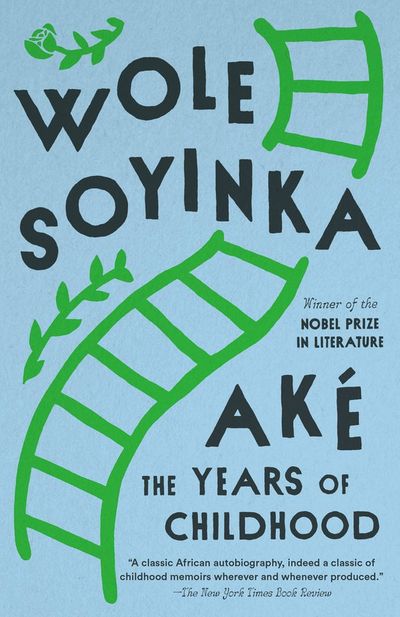
A colonial childhood, one question at a time.
✦ READ – REFLECT → RESIST
Same pattern, different era
Different time, different place. The same thing keeps happening.
Aristophanes' Lysistrata: A Dual Language Edition
Aristophanes
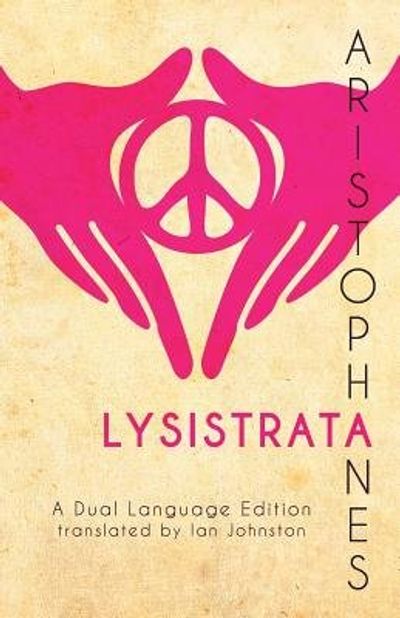
The oldest sex strike in history. Still works.
✦ READ – REFLECT → RESIST
Xala
Ousmane Sembène
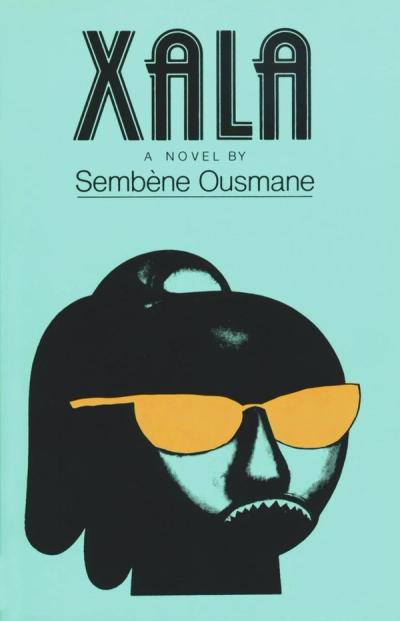
Cursed on his wedding night. The cure is everything.
✦ READ – REFLECT → RESIST
The Hate U Give
Angie Thomas

Witness. Target. Survivor.
✦ READ – REFLECT → RESIST
The Librarian of Auschwitz
Antonio Iturbe
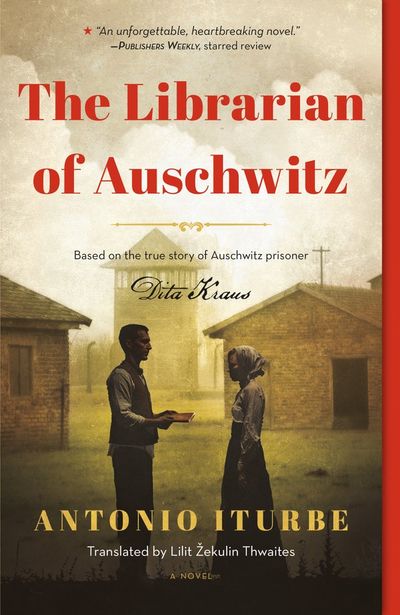
Eight books. One library. One defiant act.
✦ READ – REFLECT → RESIST
For the family bookshelf
Same idea, written for a younger reader. Good for reading together.
Brown Girl Dreaming
Jacqueline Woodson

A Black girlhood in verse — history you can feel.
✦ READ – REFLECT → RESIST
Other Words for Home
Jasmine Warga
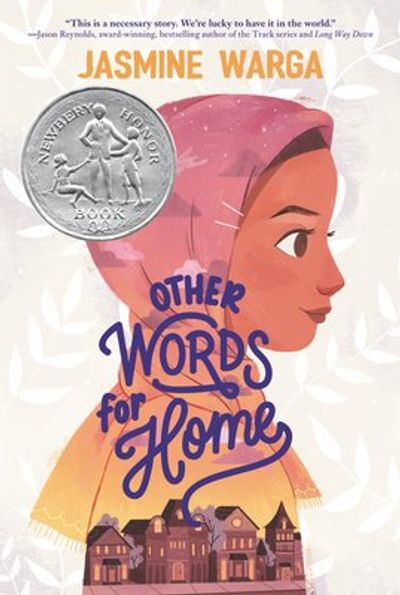
A Syrian girl’s first year in America.
✦ READ – REFLECT → RESIST
Sulwe
Lupita Nyong'o
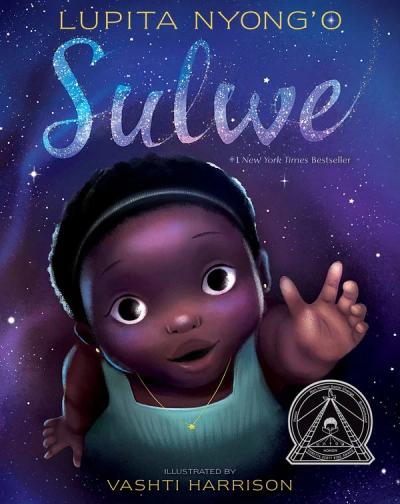
The darkest star learns to shine.
✦ READ – REFLECT → RESIST
The Night Diary
Veera Hiranandani
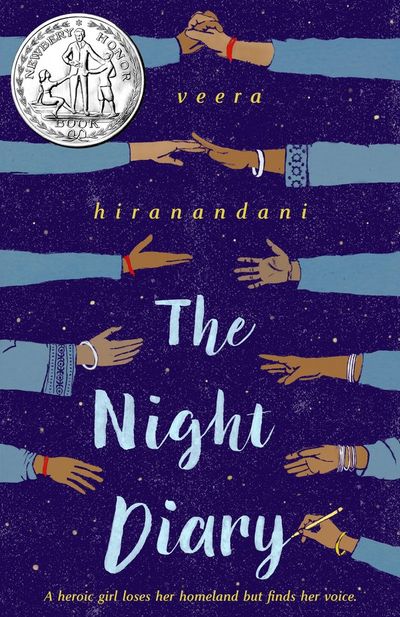
Partition, written by a twelve-year-old.
✦ READ – REFLECT → RESIST