
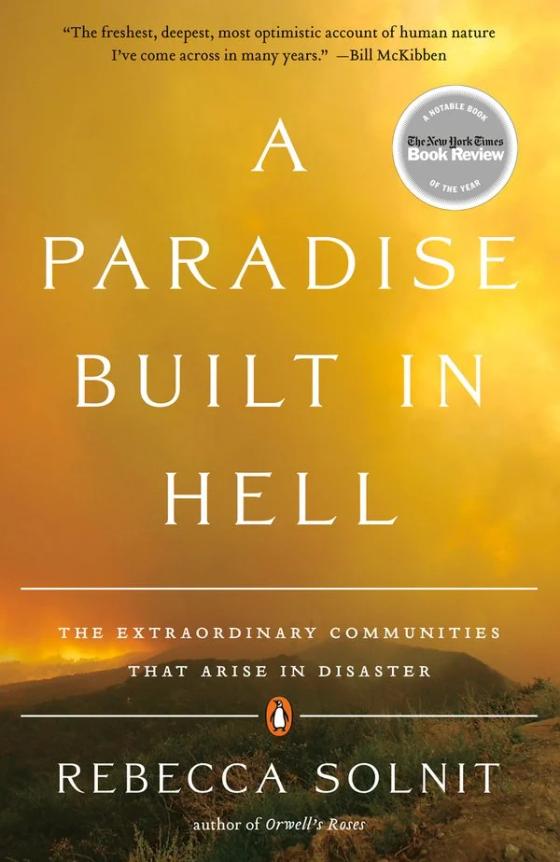
A Paradise Built in Hell
by Rebecca Solnit
In the ruins, people built the impossible.
For you if
you want proof that people are not as passive as the system needs them to be
⚡ Choose Your Route ⚡
Not sold directly on this site. Support indie bookstores with a new copy, or go sustainable with a used one.
Buy New on Bookshop.orgSupports independent bookstores
— OR —
Find Used on Better World BooksSecondhand & sustainable
$18 MSRP · Paperback
Reference price shown. Other editions may be available.
After the 1906 San Francisco earthquake, after Hurricane Katrina, after 9/11 — something extraordinary and consistent happens: people organize. They feed strangers. They make decisions together. They build temporary clinics and relief kitchens and systems of mutual aid that shouldn't exist yet do. Solnit documents five disasters across a century and identifies the pattern: the official crisis is the collapse of the building; the unofficial miracle is what the people do next. The book's quiet, devastating argument is that we are already capable of the world we say is impossible to build. We just keep reserving it for emergencies.
Where This Book Lives

Related Viewing
Shares a topic, theme, or setting with this book in the catalog.
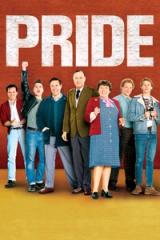
Pride(2014)
dir. Matthew Warchus
Same themes: Community Organizing, Solidarity
Gay activists back striking miners. The miners notice.
Britain, 1984. A group of London lesbian and gay activists decides the striking coal miners being crushed by the Thatcher government are fighting the same enemy they are, and starts raising money for a Welsh mining village. The village doesn't know what to make of them, and the feeling is mutual. Based on a true story.
Why it’s here: The punk move is the alliance: two groups that had every social reason to stay apart chose solidarity on the strength of a shared opponent, and the film lets the awkwardness, the prejudice and the first dance-floor thaw all play out on screen. The pedagogy is in how organizing actually works. Coalitions get built through food, favors and showing up, not through agreeing on everything, and the film makes that feel like something a viewer could do. It is a crowd-pleasing dramatization, so some characters and events are composited or invented, and it is worth reading up on the real Lesbians and Gays Support the Miners campaign afterward.
Where to watch: Free on Kanopy, rent on Apple TVLetterboxd ↗
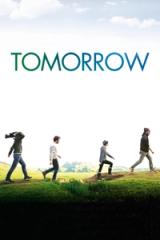
Tomorrow(2015)
dir. Cyril Dion, Mélanie Laurent
Same themes: Community Organizing, Utopian Imagination
A road trip through solutions, not doom.
A French documentary that skips the catastrophe reel and goes looking for what's already working. A small crew travels through ten countries, visiting people who are rebuilding agriculture, energy, the economy, democracy and education from the ground up, from urban farms and local currencies to community-run energy and radically different schools.
Why it’s here: The punk move is the refusal of doom: the film treats despair as a luxury and goes out to document people who simply started doing the thing, crowdfunding its own production on the way. The pedagogy is in the structure. Five chapters make the systems visible (food, energy, money, power, learning) and show that each one can be redesigned at human scale, which is a useful habit of mind for a young person who has only heard that everything is broken. It is optimistic by design, and says less about the political and economic power that blocks these ideas at scale, so watch it as a catalogue of possibility rather than a full account of how change happens.
Where to watch: Free on Kanopy, rent on Apple TVLetterboxd ↗
Same event, different angle
The same history — told by someone who saw it differently.
The Shock Doctrine
Naomi Klein
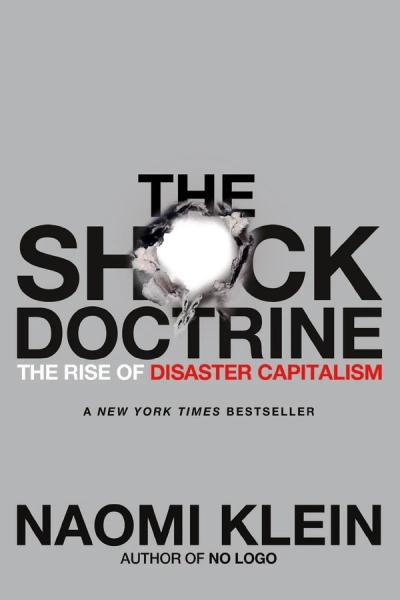
Disaster capitalism, explained and indicted.
✦ READ – REFLECT → RESIST
Salvage the Bones
Jesmyn Ward

A Mississippi family. A storm coming. Twelve days.
✦ READ – REFLECT → RESIST
The Reluctant Fundamentalist
Mohsin Hamid
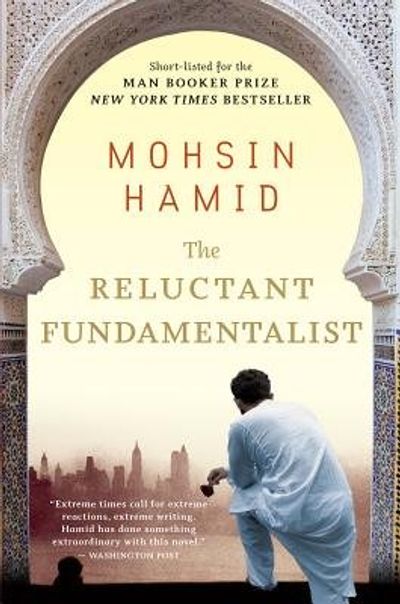
A Pakistani man in New York watches America turn against him.
✦ READ – REFLECT → RESIST
Same pattern, different era
Different time, different place. The same thing keeps happening.
Anger Is a Gift
Mark Oshiro

The anger you've been told to put down.
✦ READ – REFLECT → RESIST
Doughnut Economics
Kate Raworth
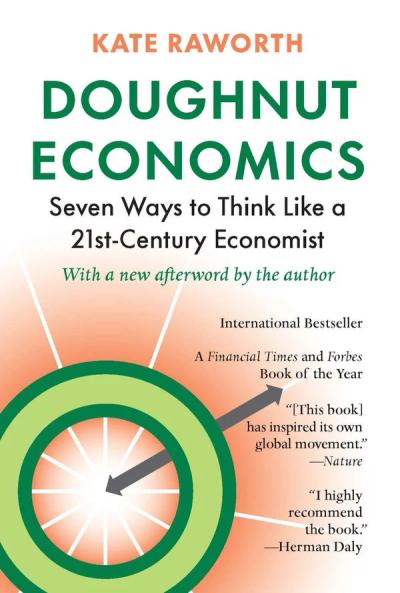
The economy we need, drawn as a doughnut.
✦ READ – REFLECT → RESIST
Germinal
Émile Zola

They had nothing left to lose. They struck anyway.
✦ READ – REFLECT → RESIST
Life and Death of the American Worker: The Immigrants Taking on America's Largest Meatpacking Company
Alice Driver
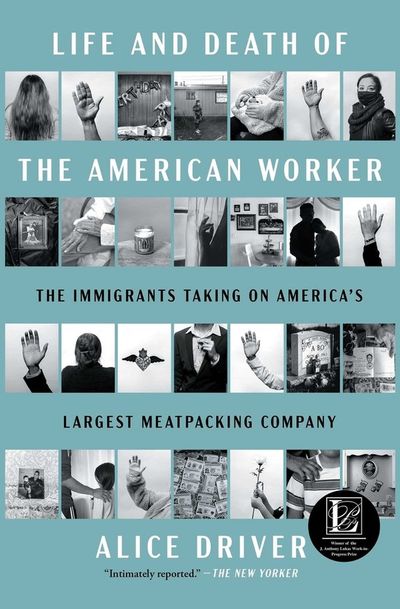
Cheap chicken has a body count.
✦ READ – REFLECT → RESIST
For the family bookshelf
Same idea, written for a younger reader. Good for reading together.
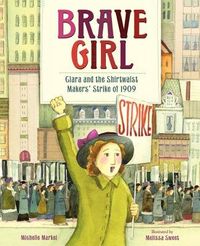
Brave Girl: Clara and the Shirtwaist Makers' Strike of 1909
Michelle Markel
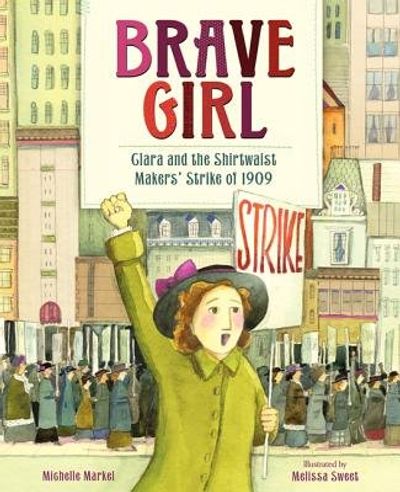
One girl stood up. Twenty thousand followed.
✦ READ – REFLECT → RESIST
Bread and Roses, Too
Katherine Paterson

Bread. Roses. Neither is optional.
✦ READ – REFLECT → RESIST
Claudette Colvin: Twice Toward Justice
Phillip Hoose
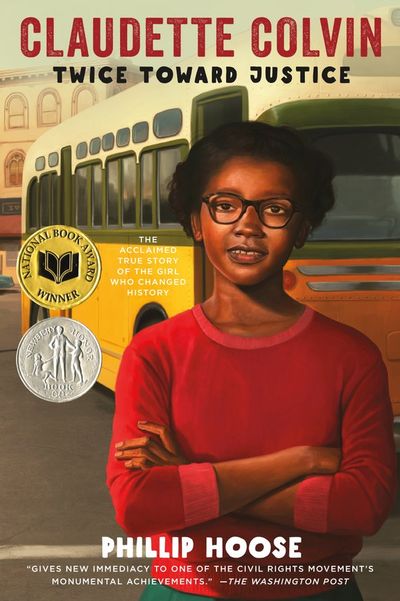
She refused first. History forgot her anyway.
✦ READ – REFLECT → RESIST
Click, Clack, Moo: Cows That Type
Doreen Cronin
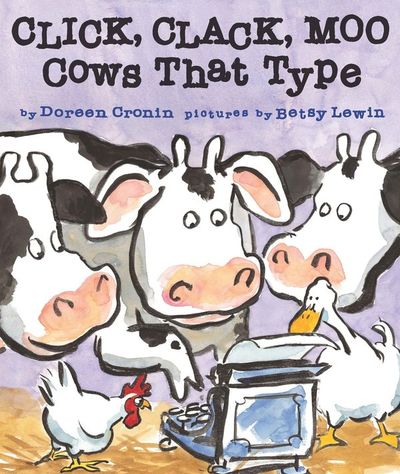
Cows, a typewriter, and a labor strike.
✦ READ – REFLECT → RESIST