France is in the streets again. This bundle asks why collective action feels impossible here — and what it costs when we forget it.
In the autumn of 1995, I was seventeen years old and living in France as a lycéenne on exchange when the country stopped. Trains halted. Schools closed. The streets filled with people who had decided, collectively, that things did not have to be this way. I was inconvenienced at first. Then I was awed. Then I asked the question I've been carrying ever since: why can't we do this at home?
I learned a word that autumn: solidarité. Not as a slogan. Not as a campaign. As a practice — something people did with their whole bodies when the system asked them to accept less.
Thirty years later, French lycéens are in the streets again. Students at underfunded schools in Paris' banlieues sparked a nationwide protest movement in October 2026 over budget cuts, crumbling classrooms, and a government insisting that austerity is someone else's problem to carry. The photos look like 1995. The word in the chants is the same.
Americans are told we can't organize like this — that it's cultural, that it's French, that disruption is the problem and not what caused it. This bundle asks who taught us to believe that. And what it would take to unlearn it.
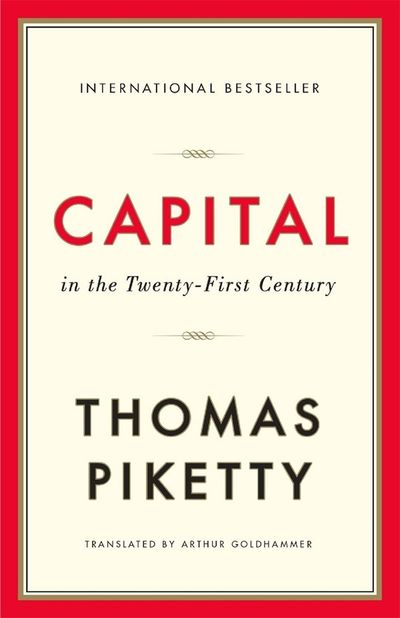
Piketty runs the numbers on 300 years of wealth and finds the same answer every time: inequality doesn't drift upward — it compounds by design. The machinery is patient. Naming it is the first act of refusal.
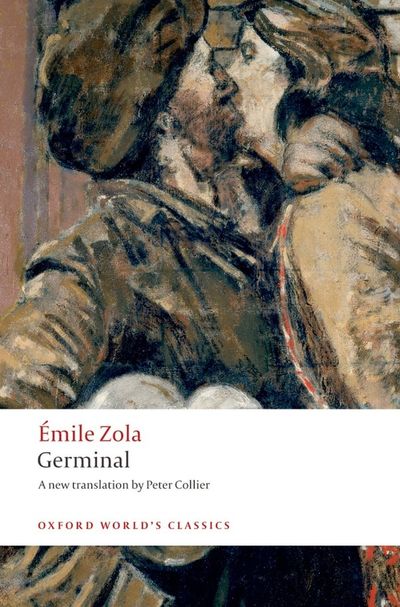
Zola puts you underground with the miners. The solidarity in Germinal isn't a value — it's a survival mechanism. And it still costs everything. That's the point.
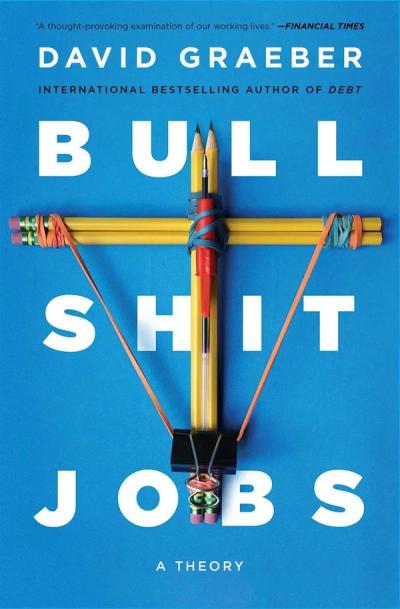
If most jobs under capitalism are — by the testimony of the people doing them — meaningless, then going along isn't neutral. It's a choice. Graeber builds the absurdist case with precision and fury, and the laughter that comes out of it is the most political thing in this bundle.
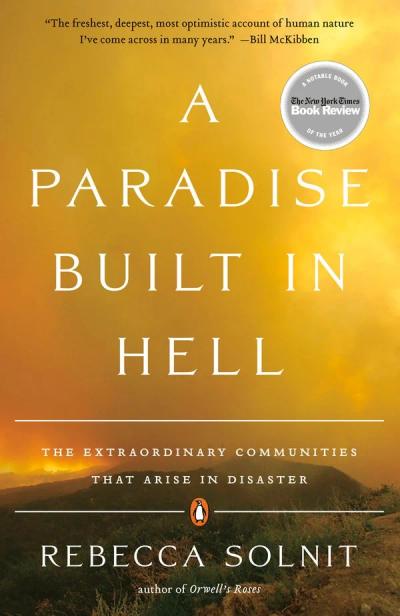
After the earthquake, after the flood, after the system stops — people organize. They feed strangers. They build. Solnit documents what humans actually do in disasters and asks why we only allow ourselves to do it in emergencies. The capacity is already here.
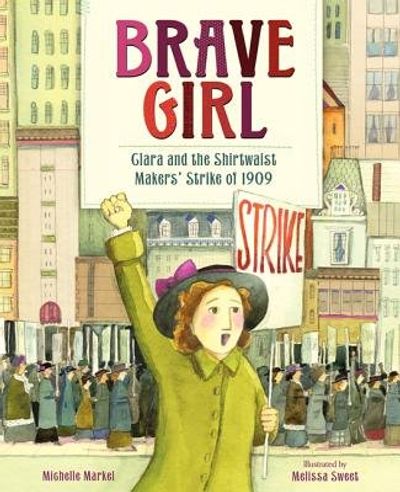
Kids are taught that strikes are disruptions — someone else's business, someone else's fight. What they're rarely taught is that the most important moments in history were made by people who refused to wait for permission, and who understood that standing up alone means less than standing up together. These books show children that collective action isn't radical or dangerous — it's what justice looks like when it actually moves. They raise kids who ask not just "is this fair?" but "who else knows it's not fair, and what do we do next?"
The most powerful thing you can do is refuse to go alone.
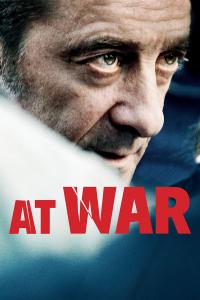
“The bundle's hook asks a question Chrissie has been carrying since 1995: why not us? At War / En guerre is the most direct answer in the catalog — not through history, not through argument, but through 102 minutes inside a French labor fight that shows you what collective action looks like from the inside. Piketty names the machine that decided to close the plant; Zola shows you what it costs to refuse it; En guerre puts you in the room while it\'s being fought. Watching it alongside this bundle is the difference between understanding solidarity intellectually and feeling what it requires.
Laurent Amédéo leads 1,100 workers at the Perrin plant — a facility that is profitable, whose multinational parent company has decided to close anyway. Stéphane Brizé shoots En guerre with the grain and rhythm of a documentary: non-professional actors in most roles, a handheld camera that can't find a comfortable distance, meetings that go nowhere for a very long time. Vincent Lindon is the union spokesperson who has to translate collective fury into procedure and back again, day after day. The film covers one stretch of a fight that most films would compress into a montage — the press conferences, the back-channel negotiations, the vote counts, the waiting.
Why it’s here: Brizé makes you sit in the room where a decision is being made about other people's lives by people who will never meet them. What's punk about En guerre is the refusal to let that feel abstract — the camera stays at plant-gate level, in the meeting room, on Laurent's face when the call comes in. What's pedagogical is the film's insistence on duration: you feel what it costs to keep a collective together when the institution on the other side is patient and the workers are not. For anyone who has been told that workers in France are just wired differently, that solidarity at this scale isn't something available to us — this film shows the material conditions that make it possible. And it shows what it costs even there.
Where to watch: Free on Tubi, Kanopy, Hoopla · Letterboxd ↗