
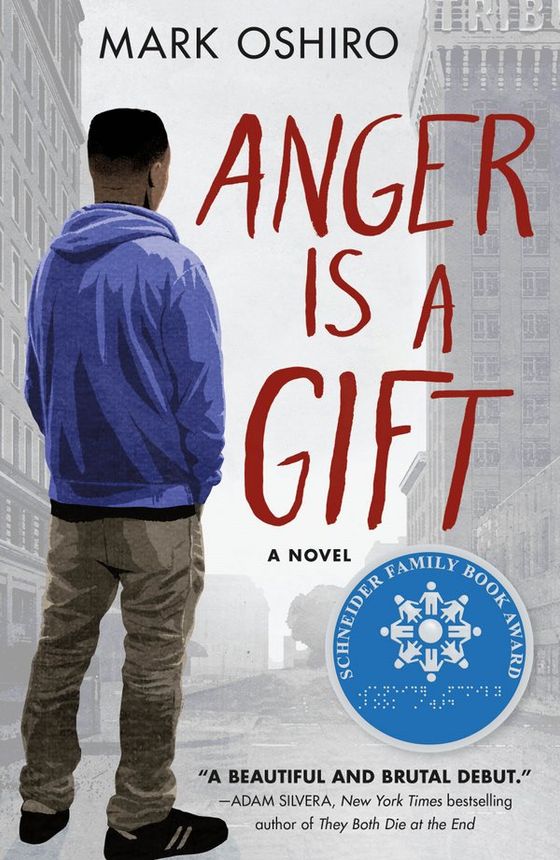
Anger Is a Gift
by Mark Oshiro
The anger you've been told to put down.
For you if
you've been told your anger is the problem, not the thing causing it
⚡ Choose Your Route ⚡
Not sold directly on this site. Support indie bookstores with a new copy, or go sustainable with a used one.
Buy New on Bookshop.orgSupports independent bookstores
— OR —
Find Used on Better World BooksSecondhand & sustainable
$18 MSRP · Paperback
Reference price shown. Other editions may be available.
Moss Jeffries is a Black queer teenager in Oakland. His father was murdered by a police officer. He hasn't stopped having panic attacks since. His high school has become more police state than school — metal detectors, surveillance cameras, an armed cop stationed in the hallways, new rules that treat every student like a suspect. When another tragedy forces a reckoning, Moss and his friends have to decide what to do with the anger they've been swallowing. Oshiro's debut novel asks exactly the right question: what happens when the grief of losing someone to police violence turns into something that demands to be used? This is a book about collective action, about queer joy inside disaster, about what community actually means when the institution meant to protect you is the one doing the harm.
They tried. They lost.
Read the book that won its case.
Every reversal started with readers who refused to let it go quietly.
A book about a gay Black teenager whose father was killed by police, who watches his school become a surveillance state, and who eventually helps organize a protest — this is apparently dangerous enough that in Goddard, Kansas, one parent's list was all it took to pull it off the shelves. The stated reasons orbit "LGBTQ+ content" and "racial content" and "anti-police." What those labels actually mean: a book that makes the connection between school policing and mass incarceration legible to a teenager, through the eyes of a queer kid of color, is threatening precisely because that clarity is contagious. A student who reads this book knows what metal detectors in their school hallways are doing there. That's the threat. Not the content — the recognition.
The record
Goddard USD 265, KS
Nov 4, 2021
Removed from school libraries
Returned to circulation Nov 10, 2021
Initiated by: administrator or superintendent
ReversedSource ↗
Where This Book Lives
Mark Oshiro wrote this debut novel as a way of processing their own experience growing up as a queer kid of color navigating systems designed to treat you as a suspect. The school militarization here is documented reality — metal detectors, armed officers, surveillance — not dystopian speculation. The combination of police brutality grief, school policing, and queer coming-of-age is unusual in YA: most books pick one lane. This one holds all three simultaneously and makes them feel like what they are: the same story. Oshiro uses they/them pronouns; their voice in interviews is as clear and unapologetic as the book itself.
Related Viewing
Shares a topic, theme, or setting with this book in the catalog.

The Hate U Give(2018)
dir. George Tillman Jr.
Same event: Black Lives Matter · Same themes: Police Brutality, Racial Injustice
A teen witness has to choose to speak.
Starr Carter lives in a poor Black neighborhood and goes to a rich, mostly white prep school, and keeps those two lives apart until the night she watches a police officer shoot her friend Khalil. The film follows what happens when she is the only witness and has to decide whether to speak. Adapted from Angie Thomas's novel.
Why it’s here: The film puts a teenager in the position of choosing to testify against power, at real cost, and doesn't pretend it's easy. What's pedagogical is how clearly it shows the gap between the two worlds Starr lives in. It trims the book's interior voice, so read the book first when you can. Direct companion to the novel already in the catalog.
Where to watch: Starz; rent on Amazon, Apple TVLetterboxd ↗
13th(2016)
dir. Ava DuVernay
Same event: Mass Incarceration · Same theme: Racial Injustice
The 13th Amendment's loophole built a prison nation.
Ava DuVernay's documentary traces one clause of the 13th Amendment, which abolished slavery except as punishment for a crime, from Reconstruction convict leasing through Jim Crow, the War on Drugs and the modern prison boom. Historians, activists and politicians make the case that mass incarceration is slavery's afterlife by another legal name.
Why it’s here: The punk move is the thesis itself: it reads the Constitution's own text as the loophole and then follows the money and the rhetoric, including footage of the politicians who built the machine, straight to the present. The pedagogy is in the method. It teaches a viewer to trace a single policy lever across 150 years instead of treating each era as a separate story, which is a transferable habit of mind. Worth knowing that some historians argue its straight line from slavery to prisons flattens a more tangled history, so watch it as a forceful argument rather than a settled account.
Where to watch: Streaming on NetflixLetterboxd ↗
Same event, different angle
The same history — told by someone who saw it differently.
Abolition. Feminism. Now.
Angela Y. Davis, Gina Dent, Erica R. Meiners & Beth E. Richie
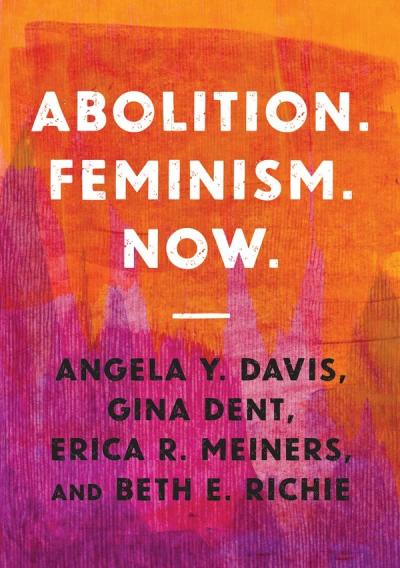
Safety without cages, built by feminists.
✦ READ – REFLECT → RESIST
We Do This 'Til We Free Us
Mariame Kaba
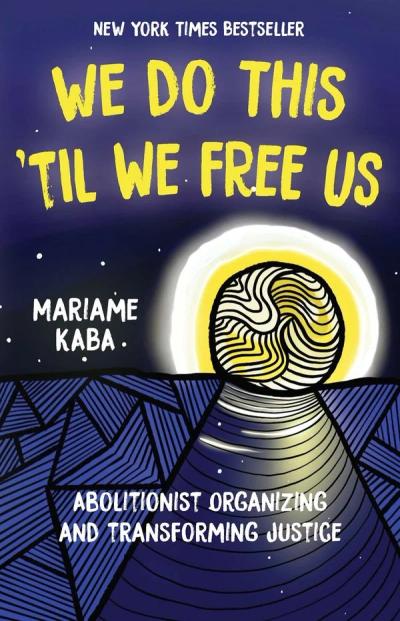
What abolition actually means.
✦ READ – REFLECT → RESIST
The 57 Bus
Dashka Slater
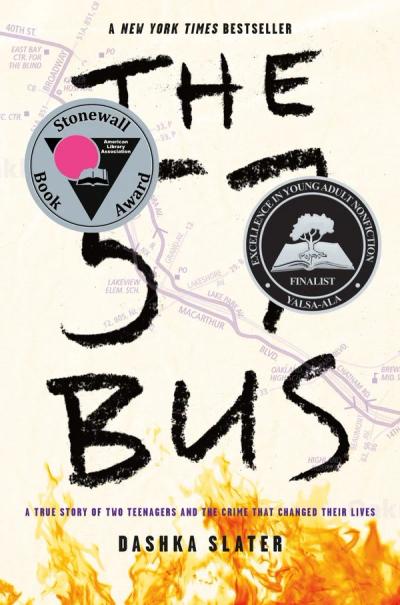
True story: a nonbinary teen, a Black teen, Oakland
✦ READ – REFLECT → RESIST
Dear Martin
Nic Stone
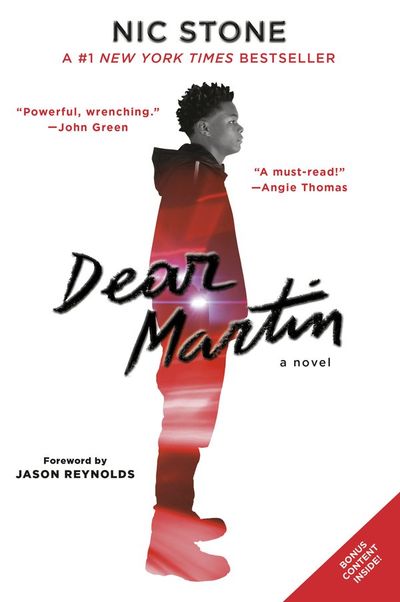
Letters to MLK from a kid in handcuffs.
✦ READ – REFLECT → RESIST
Same pattern, different era
Different time, different place. The same thing keeps happening.
Banned Book Club
Kim Hyun Sook and Ryan Estrada (art by Ko Hyung-Ju)
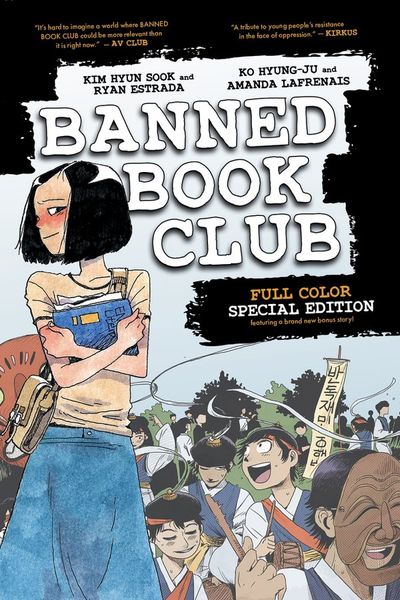
A secret reading group. A dictatorship. Real arrests.
✦ READ – REFLECT → RESIST
Beautiful Trouble: A Toolbox for Revolution
Andrew Boyd & Dave Oswald Mitchell (eds.)
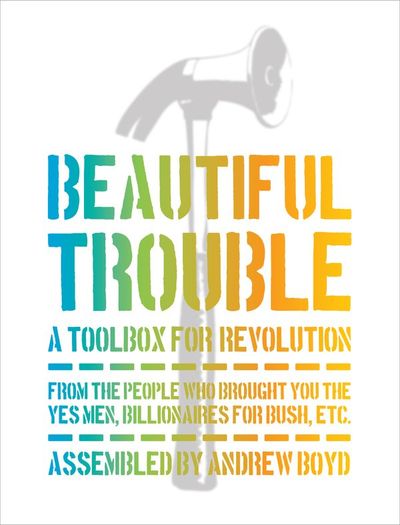
A tactics manual for making trouble well.
✦ READ – REFLECT → RESIST
Other People's Children: Cultural Conflict in the Classroom
Lisa Delpit
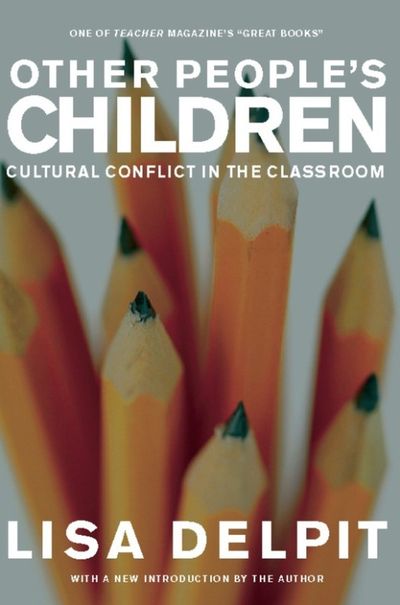
The unspoken rules schools never teach.
✦ READ – REFLECT → RESIST
A Paradise Built in Hell
Rebecca Solnit
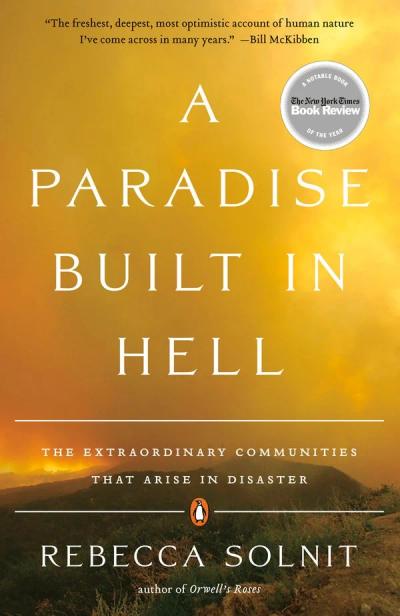
In the ruins, people built the impossible.
✦ READ – REFLECT → RESIST
For the family bookshelf
Same idea, written for a younger reader. Good for reading together.
Brave Girl: Clara and the Shirtwaist Makers' Strike of 1909
Michelle Markel
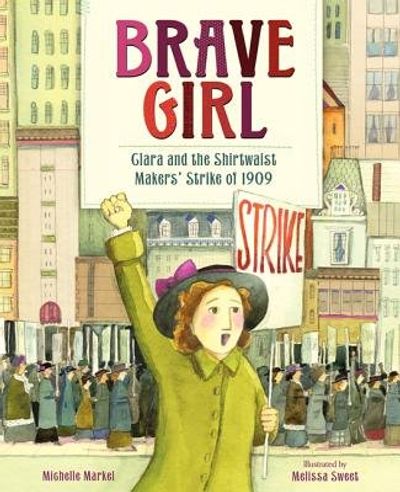
One girl stood up. Twenty thousand followed.
✦ READ – REFLECT → RESIST
Claudette Colvin: Twice Toward Justice
Phillip Hoose
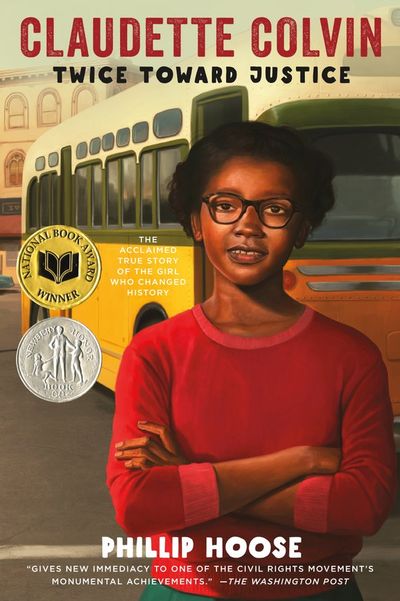
She refused first. History forgot her anyway.
✦ READ – REFLECT → RESIST
Efrén Divided
Ernesto Cisneros
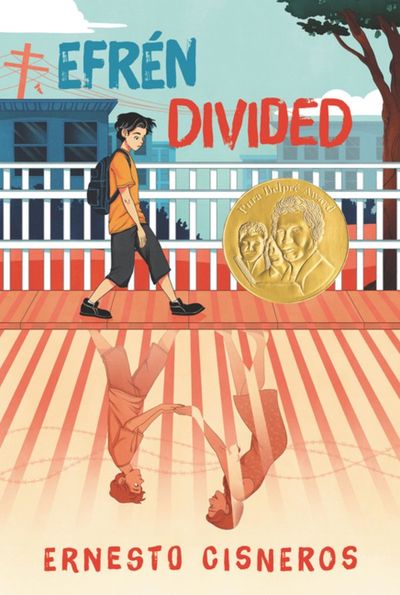
Family separation, from the inside.
✦ READ – REFLECT → RESIST
Fun Home: A Family Tragicomic
Alison Bechdel
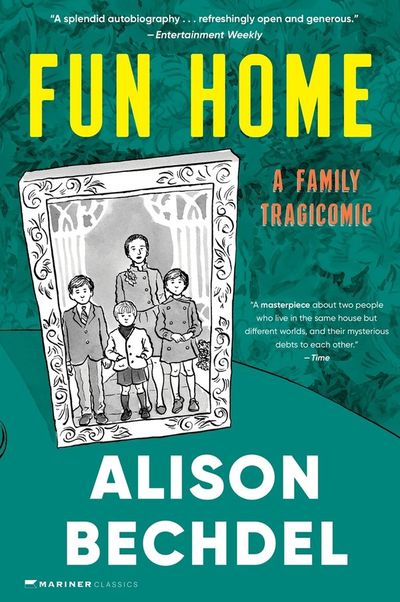
The memoir that made the closet visible.
✦ READ – REFLECT → RESIST