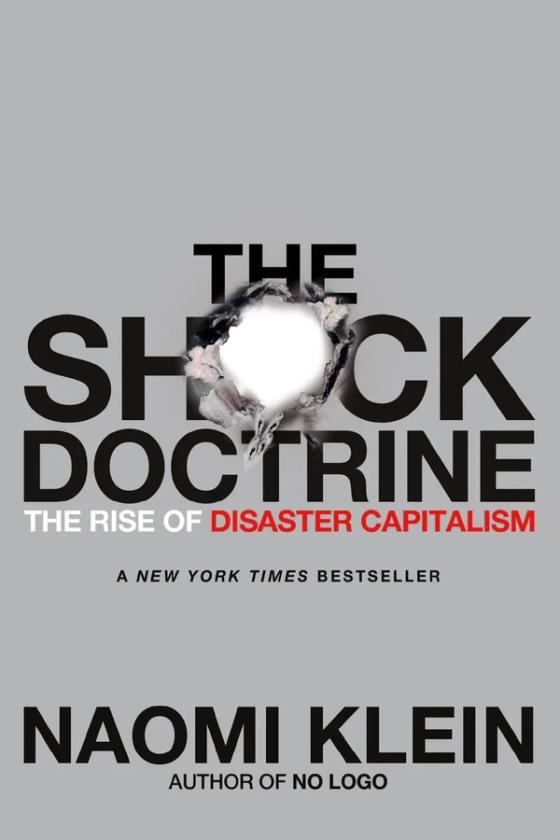
The Shock Doctrine
by Naomi Klein
Disaster capitalism, explained and indicted.
For you if
you've noticed that disasters seem to benefit the same people every time and want to understand why
⚡ Choose Your Route ⚡
Not sold directly on this site. Support indie bookstores with a new copy, or go sustainable with a used one.
Buy New on Bookshop.orgSupports independent bookstores
— OR —
Find Used on Better World BooksSecondhand & sustainable
$24 MSRP
Reference price shown. Other editions may be available.
Klein argues that the dominant economic model of the last fifty years — deregulation, privatization, slashing the public sphere — has never been able to win a democratic vote. So it wins through shock: disasters, coups, terror attacks, any crisis that makes a population pliable enough to accept what they'd never accept otherwise. The Shock Doctrine traces the doctrine from Pinochet's Chile through Hurricane Katrina, and September 11 is one of its central case studies — Klein shows exactly how the political window created by mass grief got used to restructure the U.S. security state in ways that had been waiting on the shelf. You've watched this pattern. She names it.
Where This Book Lives
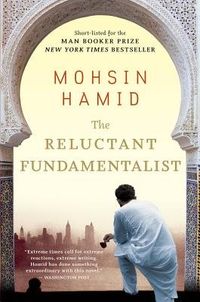
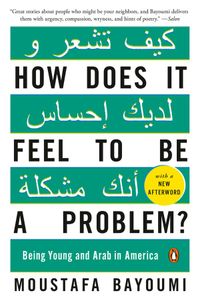

Related Viewing
Shares a topic, theme, or setting with this book in the catalog.

Citizenfour(2014)
dir. Laura Poitras
Filmed in the room where the leak actually happened.
Laura Poitras films Edward Snowden's first meetings with journalists in a Hong Kong hotel room as he hands over evidence of mass NSA surveillance.
Why it’s here: Poitras was already filming when Snowden reached out, so this isn't reconstructed after the fact — it's the actual hotel room, the actual first read of the documents, tension that isn't staged because nobody knew yet how it would end.
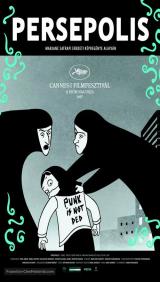
Persepolis(2007)
dir. Marjane Satrapi & Vincent Paronnaud
Her own memoir, animated — testimony, not reportage.
Animated adaptation of Satrapi's own graphic memoir — a girl coming of age in Tehran during and after the 1979 revolution, then in exile, then back home as an adult reckoning with who she's become.
Why it’s here: Satrapi adapted her own story, so nothing here is secondhand. Punk in the plainest sense: the Iranian government denounced it, and she made it anyway. Pedagogical in that it teaches a kid what authoritarianism actually feels like to live through — not the textbook timeline, the daily compromises.
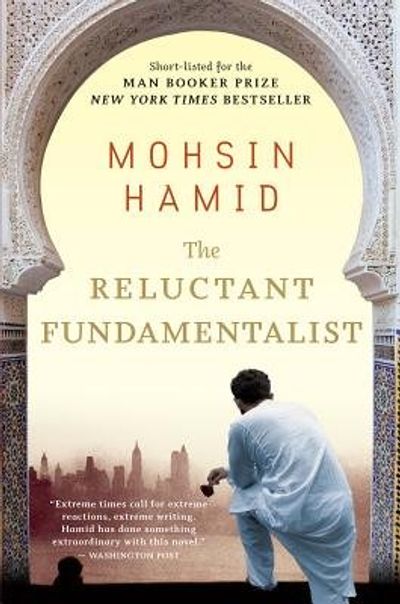
Same event, different angle
The same history — told by someone who saw it differently.

Same pattern, different era
Different time, different place. The same thing keeps happening.
Different Seasons
Stephen King
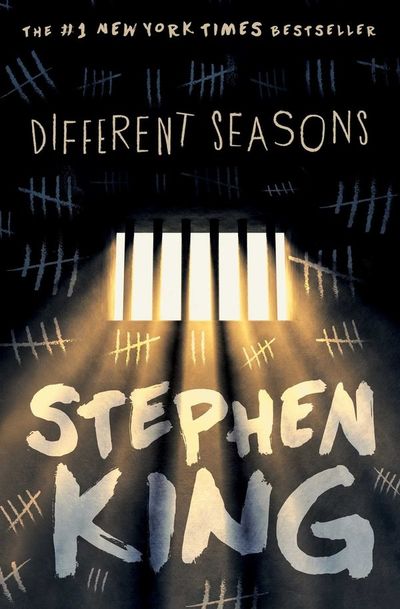
How fascism finds the boy next door.
✦ READ – REFLECT → RESIST
End Times Fascism: And the Fight for the Living World
Naomi Klein and Astra Taylor

Apocalypse as political strategy.
✦ READ – REFLECT → RESIST
Animal Farm
George Orwell

Meet the original gas-lighting pigs.
✦ READ – REFLECT → RESIST
1984
George Orwell
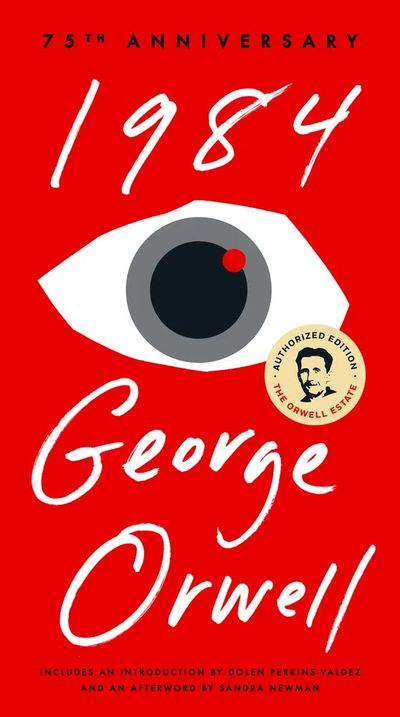
Big Brother still watching your feed.
✦ READ – REFLECT → RESIST
For the family bookshelf
Same idea, written for a younger reader. Good for reading together.