
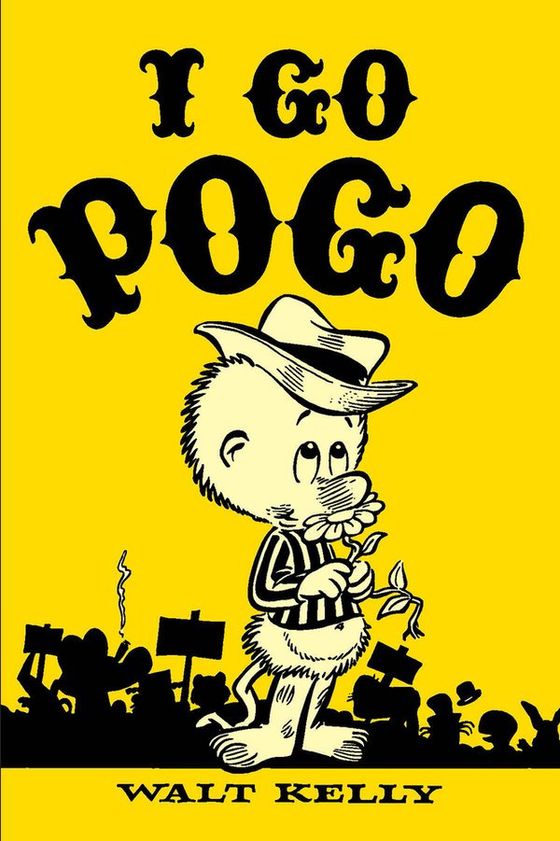
I Go Pogo
by Walt Kelly
The strip that put a bag on McCarthy's head.
For you if
you need proof that satire has always been the best political weapon we have.
⚡ Choose Your Route ⚡
Not sold directly on this site. Support indie bookstores with a new copy, or go sustainable with a used one.
Buy New on Bookshop.orgSupports independent bookstores
— OR —
Find Used on Better World BooksSecondhand & sustainable
$15 MSRP · Paperback
Reference price shown. Other editions may be available.
In 1952, Walt Kelly drew a presidential campaign in a swamp populated by possums, alligators, porky pines, and bats — and it was more honest about American politics than anything running in the news section of the same paper. *I Go Pogo* collects the strips from that year: Pogo's neighbors draft the reluctant possum to run against Eisenhower under a slogan Kelly coined as a direct parody of 'I Like Ike.' Kelly was already famous for hiding Joe McCarthy behind first a bag and then a mask of speech balloons — the character Simple J. Malarkey so effectively lampooned the senator that newspapers threatened to pull the strip, and Kelly's response was that he hadn't named anyone. Pogo is where American political cartooning learned to punch. If Doonesbury, *The Simpsons*, and *The Daily Show* exist, Kelly's swamp is where they worked out the architecture.
Where This Book Lives
The seam worth naming: Kelly was a Cold War liberal — the strip satirized McCarthyism sharply while also lampooning communist sympathizers, and early Pogo work carries 1940s–50s visual conventions for Black characters that Kelly moved away from. The 'I Go Pogo' collection is specifically the 1952 strips focused on the presidential campaign, where the strip is at its most targeted and least complicated. What makes this irreplaceable for P&P: Kelly didn't just make McCarthyism look foolish — he made it look *small*, which is the more devastating move. The bag over Simple J. Malarkey's face, which ended up resembling a Klan hood, was Kelly's response to newspaper pressure to stop the satire. He kept going. Every satirist working today is working in a tradition he helped build.
Stories About This Book
Related Viewing
Shares a topic, theme, or setting with this book in the catalog.
Dr. Strangelove or: How I Learned to Stop Worrying and Love the Bomb(1964)
dir. Stanley Kubrick
Same event: Cold War · Same theme: Political Satire
Laughing so you don't scream, since 1964.
A rogue Air Force general triggers an unrecallable nuclear strike on the USSR, and the War Room scrambles — bureaucratically, absurdly — to stop the end of the world.
Why it’s here: The original 'laugh so you don't scream' text — mutually assured destruction played entirely for farce, and the farce is the argument: absurdity is what nuclear brinkmanship actually looks like from the inside.
Where to watch: Rent on Apple TV, AmazonLetterboxd ↗
Hearts and Minds(1974)
dir. Peter Davis
Same event: Cold War
Vietnam, in the words of those who waged it.
A documentary about the American war in Vietnam, made while the war was still being fought. Davis intercuts interviews with generals, officials, pilots, veterans, grieving Vietnamese families and ordinary Americans, setting the language of policy against what that policy did on the ground and at home.
Why it’s here: The punk move is the editing: Davis lets the war's architects talk at length, then cuts their words against a funeral, a bombed village or a cheering football crowd, and trusts the audience to feel the gap. The pedagogy is in how the film teaches viewers to hear the language of power, euphemism and abstraction included, while looking at what it covers up. Worth knowing that the juxtaposition is the argument, and General Westmoreland and others objected that their words were framed unfairly, so watch it as a persuasive documentary, not a neutral record.
Where to watch: Criterion Channel, HBO MaxLetterboxd ↗
Same event, different angle
The same history — told by someone who saw it differently.
Autocracy, Inc.: The Dictators Who Want to Run the World
Anne Applebaum
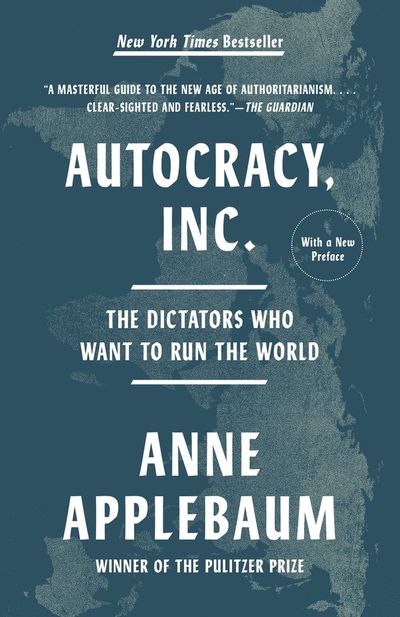
The network behind every strongman.
✦ READ – REFLECT → RESIST
Birchers: How the John Birch Society Radicalized the American Right
Matthew Dallek

The fringe that ate the Republican Party.
✦ READ – REFLECT → RESIST
Burning the Books: A History of Knowledge Under Attack
Richard Ovenden
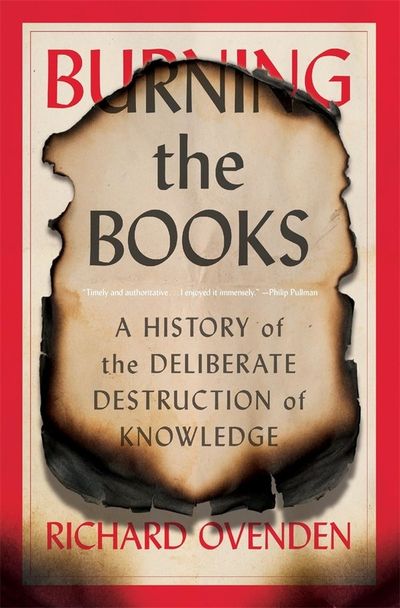
Knowledge was always the target.
✦ READ – REFLECT → RESIST
The Hidden Persuaders
Vance Packard
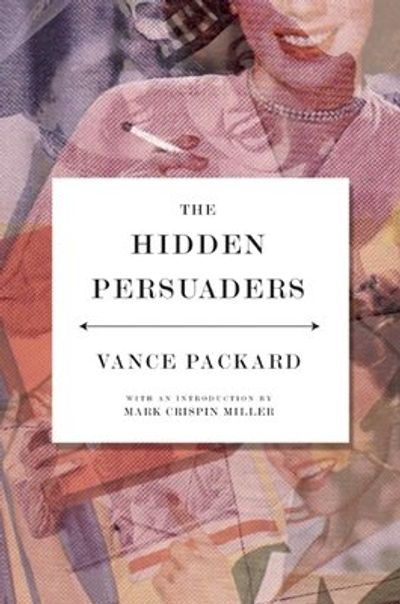
Your desires were engineered. You just lived them.
✦ READ – REFLECT → RESIST
Same pattern, different era
Different time, different place. The same thing keeps happening.
Aristophanes' Lysistrata: A Dual Language Edition
Aristophanes
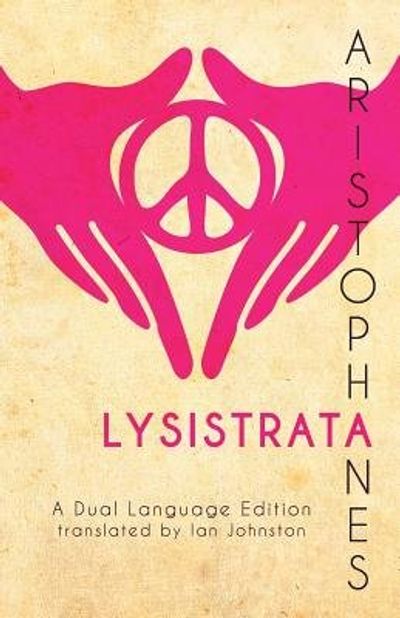
The oldest sex strike in history. Still works.
✦ READ – REFLECT → RESIST
Birchers: How the John Birch Society Radicalized the American Right
Matthew Dallek
The fringe that ate the Republican Party.
✦ READ – REFLECT → RESIST
Ferdydurke
Witold Gombrowicz

Society made you small. This is how.
✦ READ – REFLECT → RESIST
Heart of a Dog
Mikhail Bulgakov
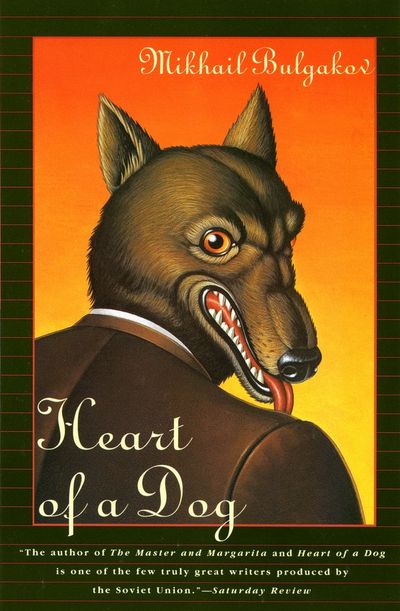
The revolution turned a dog into a bureaucrat.
✦ READ – REFLECT → RESIST
For the family bookshelf
Same idea, written for a younger reader. Good for reading together.
Fun Home: A Family Tragicomic
Alison Bechdel
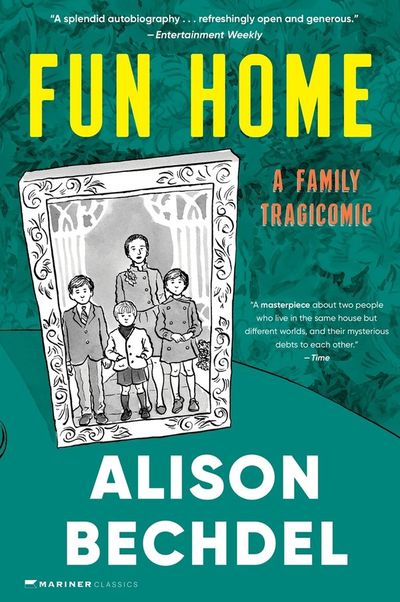
The memoir that made the closet visible.
✦ READ – REFLECT → RESIST
The Hitchhiker's Guide to the Galaxy
Douglas Adams
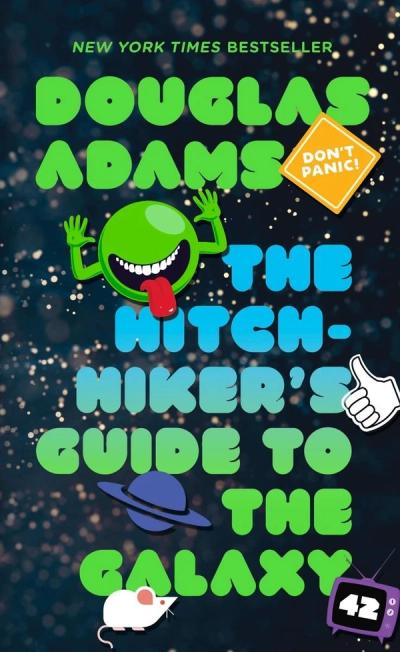
Earth demolished. Universe indifferent. The answer is 42.
✦ READ – REFLECT → RESIST
Last Night at the Telegraph Club
Malinda Lo
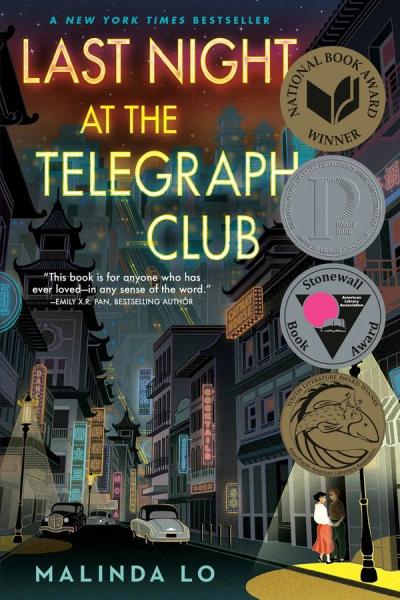
1954. Chinatown. A lesbian bar. Everything to lose.
✦ READ – REFLECT → RESIST
The Day the Crayons Quit
Drew Daywalt
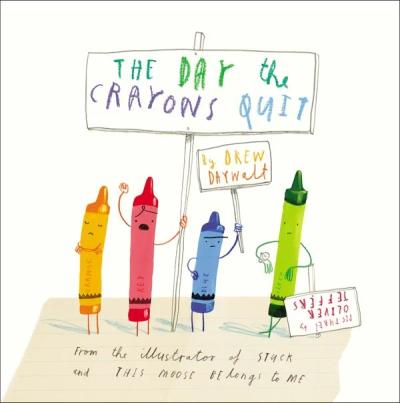
Your crayons unionized. Now what?
✦ READ – REFLECT → RESIST