
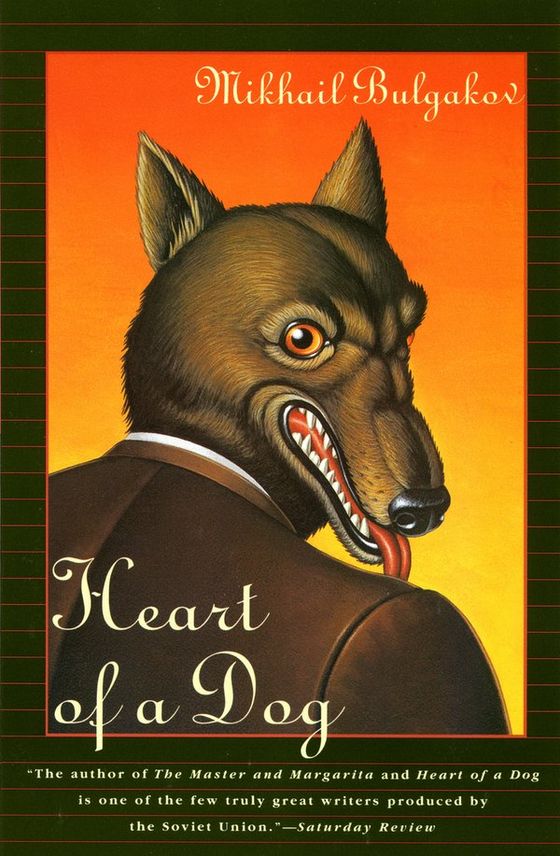
Heart of a Dog
by Mikhail Bulgakov
The revolution turned a dog into a bureaucrat.
For you if
you've watched incompetent bullies get promoted because they said the right words
⚡ Choose Your Route ⚡
Not sold directly on this site. Support indie bookstores with a new copy, or go sustainable with a used one.
Buy New on Bookshop.orgSupports independent bookstores
— OR —
Find Used on Better World BooksSecondhand & sustainable
$18 MSRP · Paperback
Reference price shown. Other editions may be available.
Professor Preobrazhensky is one of Moscow's finest surgeons — wealthy, bourgeois, and openly contemptuous of the new Soviet order. He rescues a stray dog named Sharik from the street. Then, in the spirit of scientific progress, he performs an experimental operation: he transplants a human pituitary gland and testicles (sourced from a dead criminal drunkard) into the dog. The result is Sharikov — technically human, functionally monstrous. He drinks, brawls, denounces his benefactors to the secret police, and gets himself appointed head of a department tasked with exterminating stray cats. Bulgakov wrote this in 1925. It was immediately suppressed by Soviet authorities, circulated underground for six decades, and wasn't officially published in Russia until 1987. The book is a surgical satire — not of communism in the abstract, but of the specific delusion that you can engineer a new kind of human by decree. Sharikov isn't evil, exactly. He's what you get when you take the worst material available and give it institutional power and ideological cover. Dark. Funny. Devastatingly accurate.
Where This Book Lives
- Setting
- Russia
- Voice
- Written by a Russian author
Bulgakov finished this novella in 1925, read it aloud at a literary salon, and watched the secret police show up shortly afterward to confiscate every copy they could find. He understood exactly what he'd done. The dog-turned-man is simultaneously a satire of the "new Soviet man" project and a precise diagnosis of how demagogues are made: find the most resentful, least competent person available, dress him in ideology, give him power over the people who created him, and watch what happens. The seam here is worth naming: Bulgakov's sympathies are with the educated intelligentsia, and his contempt for the proletariat as raw material shows. That doesn't undercut the satire — if anything it sharpens it. He's not defending the old order; he's showing what happens when you replace expertise with enthusiasm and call it progress. The professor isn't a hero either — he ran the experiment. The book knows that. It's also genuinely funny, which matters. The humor is what makes the horror land.
Related Viewing
Shares a topic, theme, or setting with this book in the catalog.
The Death of Stalin(2017)
dir. Armando Iannucci
Same event: Stalinism · Same country: Russia
Succession played as the farce it basically was.
Soviet officials scramble for power in the chaotic days after Stalin's death, played as farce that never loses sight of how many people the farce actually killed.
Why it’s here: Turns the actual, undignified scramble after Stalin's death into slapstick without softening what any of it cost — the comedy is the argument that authoritarian succession is always this undignified, not an exception made for laughs.
Where to watch: Free on TubiLetterboxd ↗
Icarus(2017)
dir. Bryan Fogel
Same country: Russia
A doping experiment turns into a defection story.
A filmmaker testing performance-enhancing drugs on himself connects with a Russian anti-doping scientist, whose confession blows open a state-sponsored Olympic doping scheme.
Why it’s here: Started as one man's amateur doping experiment and ended up exposing state-run Olympic fraud, because the scientist he recruited to help became the whistleblower instead. Neither of them planned for that, and the film is honest about how much of it was luck.
Where to watch: Streaming on NetflixLetterboxd ↗
Same event, different angle
The same history — told by someone who saw it differently.
Seeing Like a State: How Certain Schemes to Improve the Human Condition Have Failed
James C. Scott
Why the state keeps "improving" things into ruin.
✦ READ – REFLECT → RESIST
Animal Farm
George Orwell
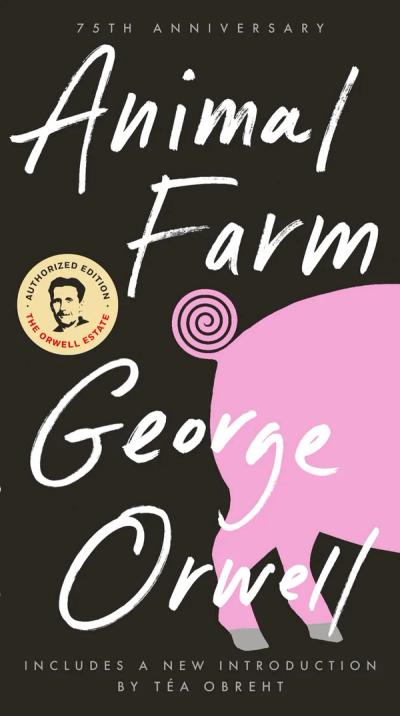
Meet the original gas-lighting pigs.
✦ READ – REFLECT → RESIST
Doctor Zhivago
Boris Pasternak

Love and revolution eat each other alive.
✦ READ – REFLECT → RESIST
One Day in the Life of Ivan Denisovich
Alexander Solzhenitsyn
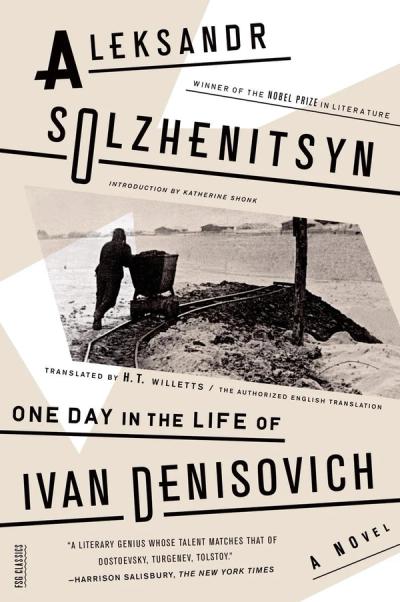
One day in a Siberian labor camp. Every detail counts.
✦ READ – REFLECT → RESIST
Same pattern, different era
Different time, different place. The same thing keeps happening.
Birchers: How the John Birch Society Radicalized the American Right
Matthew Dallek

The fringe that ate the Republican Party.
✦ READ – REFLECT → RESIST
Different Seasons
Stephen King
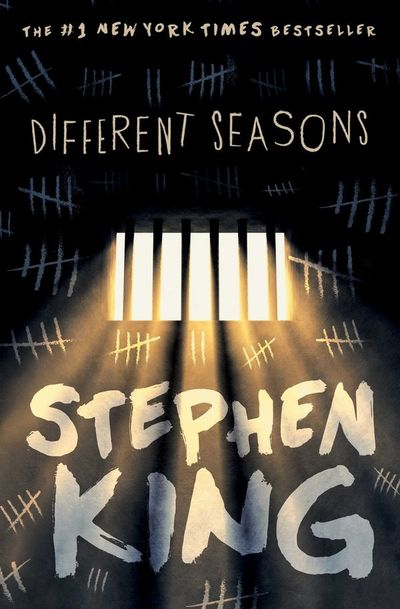
How fascism finds the boy next door.
✦ READ – REFLECT → RESIST
End Times Fascism: And the Fight for the Living World
Naomi Klein and Astra Taylor
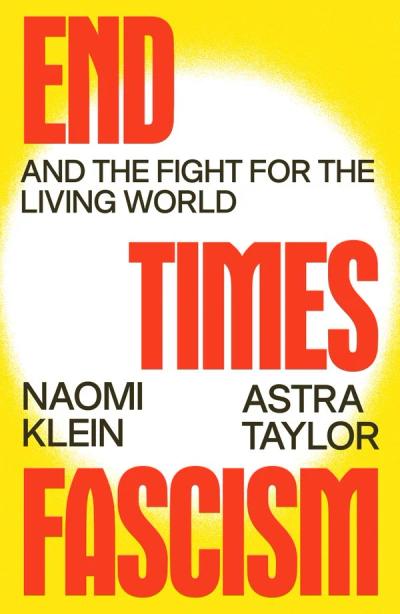
Apocalypse as political strategy.
✦ READ – REFLECT → RESIST
Germinal
Émile Zola

They had nothing left to lose. They struck anyway.
✦ READ – REFLECT → RESIST
Flip the lens
Same country. Now hear it from the other side.
For the family bookshelf
Same idea, written for a younger reader. Good for reading together.
Bread and Roses, Too
Katherine Paterson

Bread. Roses. Neither is optional.
✦ READ – REFLECT → RESIST
The Giver
Lois Lowry
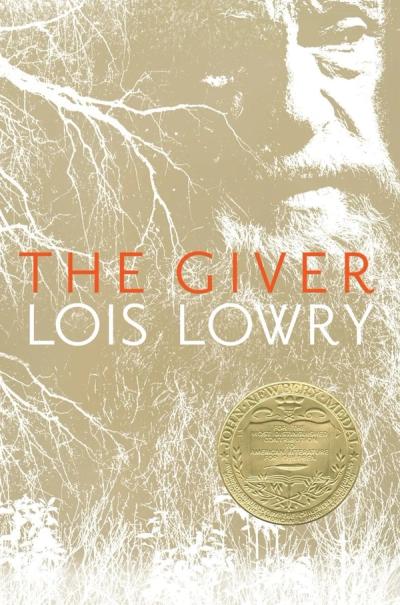
Memory is what they banned. He got it anyway.
✦ READ – REFLECT → RESIST
The Hitchhiker's Guide to the Galaxy
Douglas Adams

Earth demolished. Universe indifferent. The answer is 42.
✦ READ – REFLECT → RESIST