
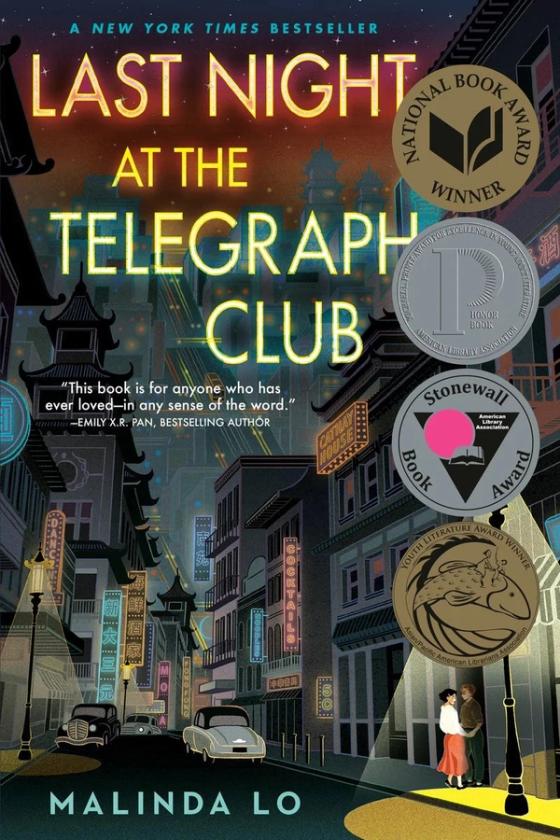
Last Night at the Telegraph Club
by Malinda Lo
1954. Chinatown. A lesbian bar. Everything to lose.
For you if
you want to understand what queer life looked like before the fights were won — through a Chinese American teenager in 1954 San Francisco who risked everything twice over
⚡ Choose Your Route ⚡
Not sold directly on this site. Support indie bookstores with a new copy, or go sustainable with a used one.
Buy New on Bookshop.orgSupports independent bookstores
— OR —
Find Used on Better World BooksSecondhand & sustainable
$14 MSRP
Reference price shown. Other editions may be available.
San Francisco, 1954. Lily Hu is seventeen, the daughter of Chinese immigrants, and has been carefully not-thinking about certain feelings until Kathleen Miller takes her to the Telegraph Club — a lesbian bar in North Beach, a few blocks from Chinatown — and suddenly everything she hadn't been thinking about becomes impossible to ignore. Lo spent three years researching this novel and it shows in every detail: the Red Scare paranoia that threatens Lily's father's citizenship, the police bar raids that made queer life in 1950s San Francisco precarious and exhilarating in equal measure, the specific experience of being the only Asian woman at the Telegraph Club and being tokenized by white queer women who treat her difference as exotic rather than intersectional. The novel refuses to let queerness and race sit separately — Lily navigates both simultaneously, and the risks she takes are doubled: she could lose her family, her community, and the citizenship her father fought for. Winner of the National Book Award for Young People's Literature, the Stonewall Book Award, and the Asian/Pacific American Award for Literature. The queer history shelf now has its beginning — And the Band Played On documents the 1980s catastrophe, The Deviant's War documents the 1950s-70s persecution, and this novel shows what it felt like to be alive and queer in 1954, before any of those later fights had been won.
In effect right now
Somebody decided you shouldn’t read this. Read it this week.
It only works if nobody notices. Get a copy, pass it on, and tell the people who made the call that you did.
Last Night at the Telegraph Club has been banned or challenged more than 50 times across 15 states — 13 cases in Texas, 10 in Iowa, 8 in Florida, 8 in Virginia — driven primarily by Moms for Liberty and similar groups who call it sexually explicit and accuse it of attempting to "distort human sexuality." The book contains no explicit sex. It contains two girls falling in love in 1954 San Francisco Chinatown, during the actual Lavender Scare, when being gay was federal grounds for dismissal and the government actively hunted queer people. The challengers aren't protecting children from sexual content. They're protecting them from knowing that queer people have always existed, have always loved each other, and have always paid for it. Malinda Lo's response: "Being queer is not shameful, sexuality in general is not shameful, and queer sex in particular is not shameful, either. What is shameful is stigmatizing a natural expression of human connection while stoking homophobia."
The record
South Carolina
May 6, 2025
Removed statewide (state law or state board rule) · Every public K–12 school
Public libraries
Initiated by: government or statute
In effect nowLast verified Oct 2, 2026Source ↗
Where This Book Lives
- Setting
- North America
- Voice
- Written by a North America author
Related Viewing
Shares a topic, theme, or setting with this book in the catalog.
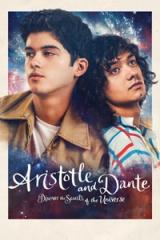
Aristotle and Dante Discover the Secrets of the Universe(2023)
dir. Aitch Alberto
One summer, secrets neither boy knew he had.
In 1987 El Paso, two Mexican-American teenage loners strike up a friendship that cracks open everything one of them has spent years keeping carefully closed off — including who he is. Adapted from Benjamin Alire Sáenz's novel.
Why it’s here: Punk in its tenderness rather than its edge — a bilingual, bicultural, queer coming-of-age story that doesn't need trauma to justify its own gentleness. Pedagogical in showing how friendship can crack open a kid who's spent years protecting himself by staying closed.
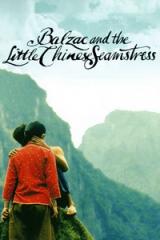
Balzac and the Little Chinese Seamstress(2002)
dir. Dai Sijie
Banned books, secret readings, and one crush.
Two city students sent to a remote mountain village for Maoist "re-education" during the Cultural Revolution discover a hidden suitcase of banned Western novels — and use them to woo the local tailor's granddaughter. Adapted from Dai Sijie's own novel.
Why it’s here: Punk in treating banned Western novels as genuinely dangerous contraband — literature here isn't decoration, it's the thing state re-education is specifically designed to purge. Pedagogical in showing how forbidden art still gets in, and still changes people, even under total surveillance.
Same event, different angle
The same history — told by someone who saw it differently.
Flamer
Mike Curato
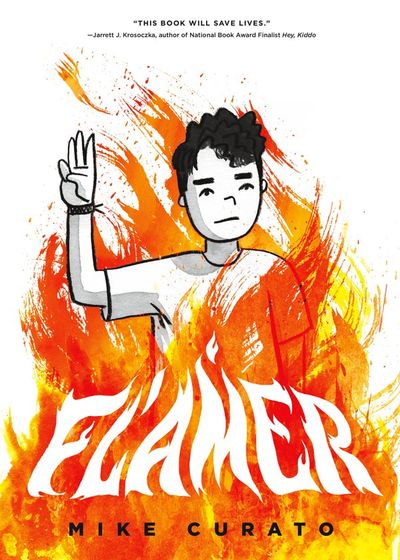
A gay Latino teen at camp. Banned for existing.
✦ READ – REFLECT → RESIST
And Tango Makes Three
Justin Richardson and Peter Parnell
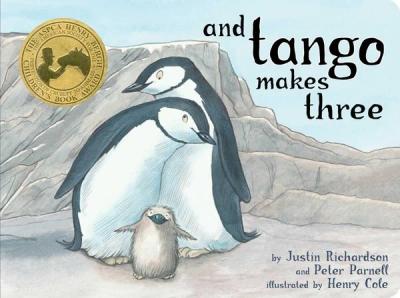
Two penguin dads hatch an egg. True story. Banned.
✦ READ – REFLECT → RESIST
It's Perfectly Normal: Changing Bodies, Growing Up, Sex, Gender, and Sexual Health
Robie H. Harris
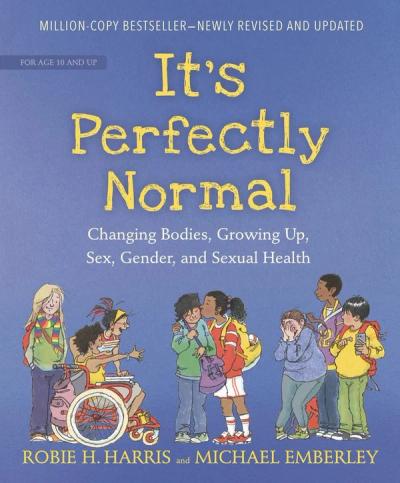
The sex ed book America keeps trying to ban.
✦ READ – REFLECT → RESIST
Planting Stories: The Life of Librarian and Storyteller Pura Belpré
Anika Aldamuy Denise
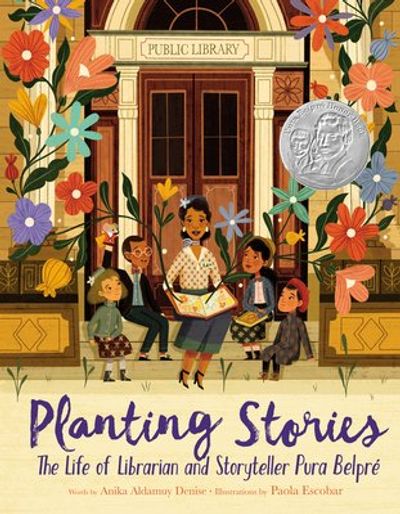
She brought her stories. The library changed.
✦ READ – REFLECT → RESIST
Same pattern, different era
Different time, different place. The same thing keeps happening.
The Toothpaste Millionaire
Jean Merrill
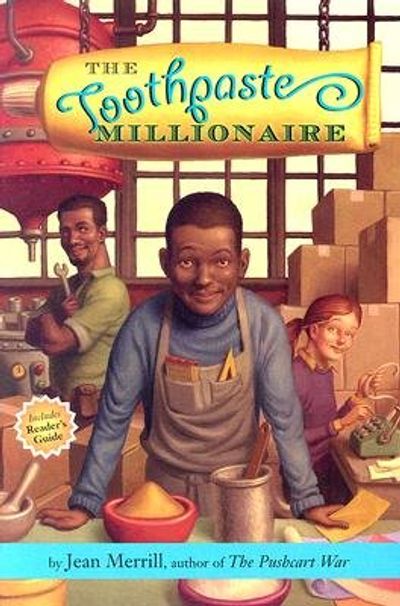
Toothpaste costs too much. He makes his own. Then sells it.
✦ READ – REFLECT → RESIST
Lawn Boy
Jonathan Evison
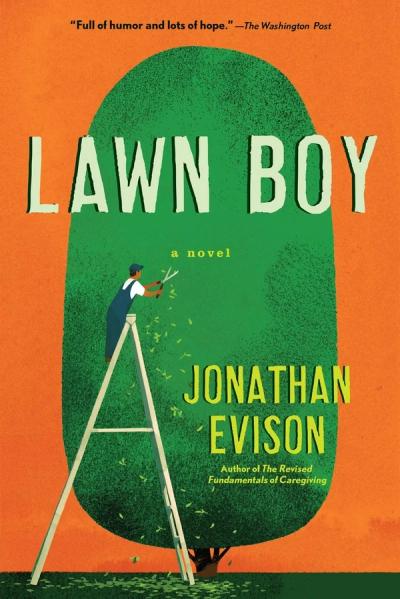
He started a lawn business. The economy had other plans.
✦ READ – REFLECT → RESIST
The Phantom Tollbooth
Norton Juster
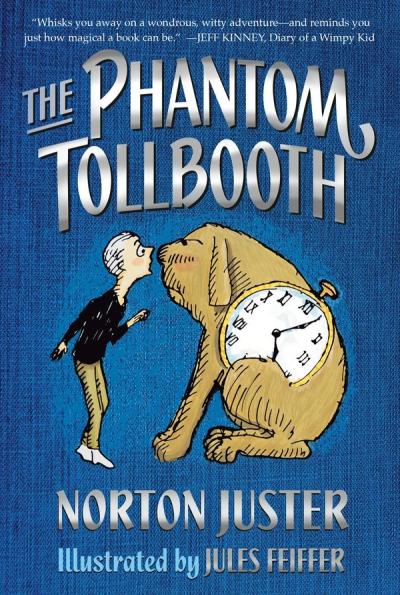
A bored boy drives through a tollbooth. The other side is worth it.
✦ READ – REFLECT → RESIST
The Bad Beginning (A Series of Unfortunate Events, Book the First)
Lemony Snicket
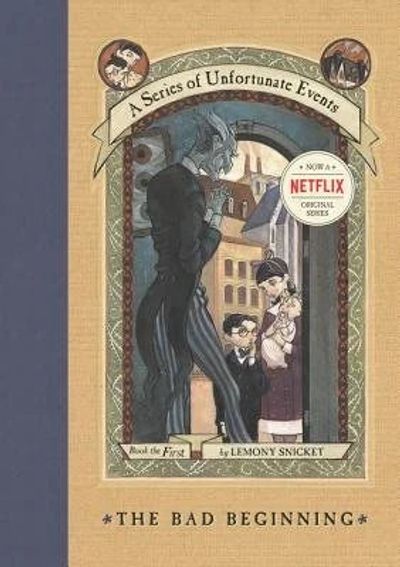
Every adult fails them. Count Olaf nearly wins. Thirteen times.
✦ READ – REFLECT → RESIST
For the grown-up bookshelf
Same idea, written for a grown-up. Good for the adult in the room, too.
Blankets
Craig Thompson
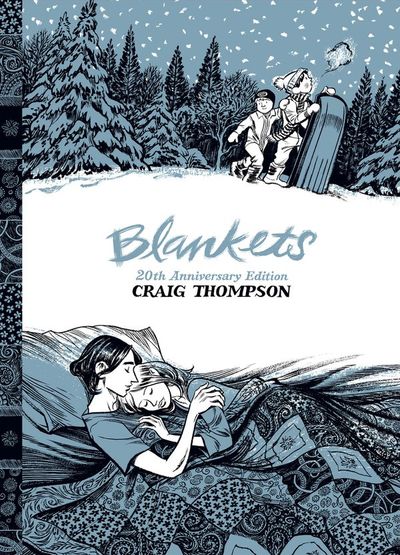
The memoir that proved comics could break your heart.
✦ READ – REFLECT → RESIST
Burning the Books: A History of Knowledge Under Attack
Richard Ovenden
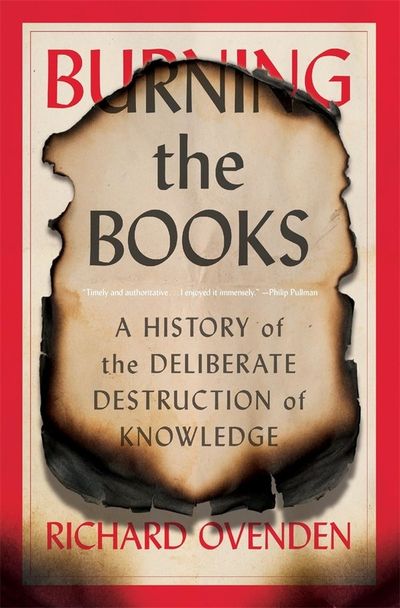
Knowledge was always the target.
✦ READ – REFLECT → RESIST
Different Seasons
Stephen King
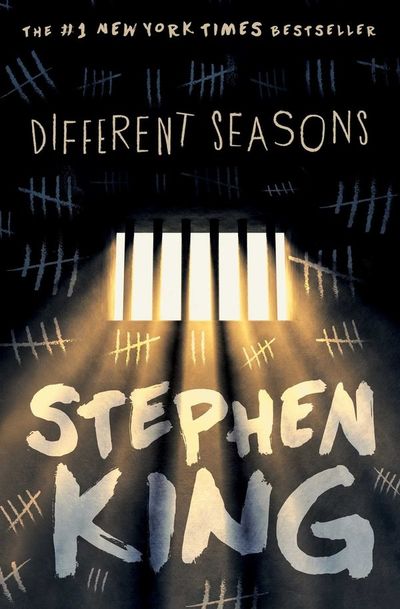
How fascism finds the boy next door.
✦ READ – REFLECT → RESIST
Forever...
Judy Blume
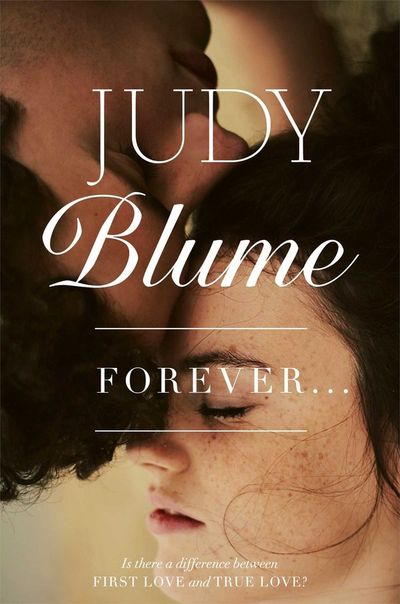
The teen novel they banned for telling the truth.
✦ READ – REFLECT → RESIST