
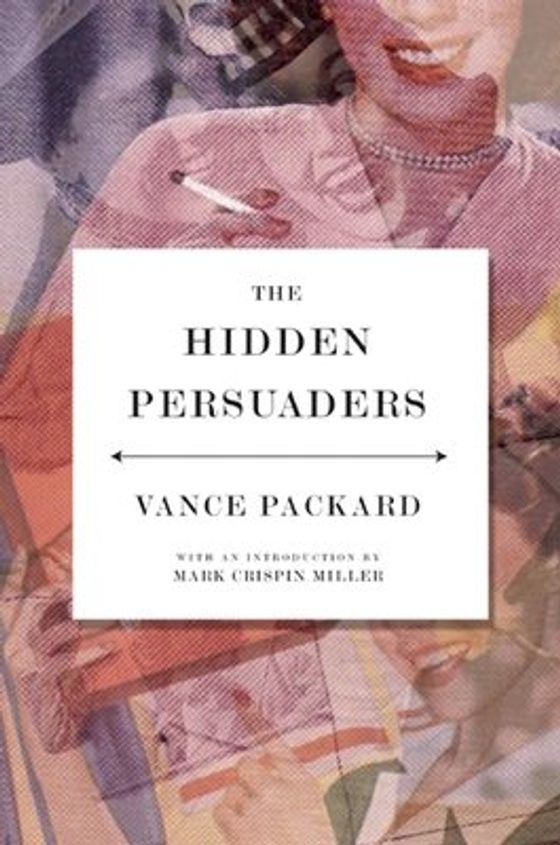
The Hidden Persuaders
by Vance Packard
Your desires were engineered. You just lived them.
For you if
you suspect the appetite you feel was put there on purpose.
⚡ Choose Your Route ⚡
Not sold directly on this site. Support indie bookstores with a new copy, or go sustainable with a used one.
Buy New on Bookshop.orgSupports independent bookstores
— OR —
Find Used on Better World BooksSecondhand & sustainable
$17 MSRP · Paperback
Reference price shown. Other editions may be available.
In 1957, Vance Packard went behind the glass at Madison Avenue and came back with something the industry had spent serious money to keep quiet: advertisers weren't just selling products. They were selling people back to themselves — repackaged, simplified, and primed to buy. *The Hidden Persuaders* was the first book to name "motivation research," the psychological technique that treated consumers as bundles of unconscious anxiety rather than rational agents making free choices. Packard traced it through product ads, political campaigns, and television — and found the same architecture everywhere: tap the fear, then sell the solution. This edition — reissued for its fiftieth anniversary with a new introduction by media critic Mark Crispin Miller — places Packard's exposé against the propaganda landscape of the early 2000s and finds the mechanism intact. It got faster. The data got deeper. The desire still isn't yours.
Where This Book Lives
Two things make this book more, not less, necessary now than it was in 1957. The first is timing. Packard was reporting from inside the moment — not a retrospective, but a journalist getting access while the industry was still confident it could stay invisible. He caught something real before the cover story was fully established. The second is the gap between what got debunked and what didn't. The Cold War panic about subliminal advertising — images flashed too fast for conscious awareness — turned out to be somewhat overstated, and critics used this to dismiss the whole book. But Packard's actual claim was bigger and more durable: that the advertising industry hired psychologists to study the unconscious needs, anxieties, and desires of ordinary people, and then built campaigns to activate those pressure points — bypassing rational decision-making entirely. That claim didn't age out. It evolved into behavioral targeting, the engagement loop, the algorithmic feed. The visible seam worth naming: Packard writes with the paternalism and Cold War anxiety of his era. The people being manipulated are often positioned as passive; the ad men as almost supernatural in their power. A reader who approaches this as a historical document — the moment manipulation became nameable — will find it more useful than one expecting a current account. The framework he built in plain language in 1957 is prerequisite to thinking clearly about almost anything else: media, politics, climate communication, education. You can't understand how consent is manufactured without understanding where the architecture came from. This is the starting point.
Related Viewing
Shares a topic, theme, or setting with this book in the catalog.

Hearts and Minds(1974)
dir. Peter Davis
Same event: Cold War · Same theme: Propaganda
Vietnam, in the words of those who waged it.
A documentary about the American war in Vietnam, made while the war was still being fought. Davis intercuts interviews with generals, officials, pilots, veterans, grieving Vietnamese families and ordinary Americans, setting the language of policy against what that policy did on the ground and at home.
Why it’s here: The punk move is the editing: Davis lets the war's architects talk at length, then cuts their words against a funeral, a bombed village or a cheering football crowd, and trusts the audience to feel the gap. The pedagogy is in how the film teaches viewers to hear the language of power, euphemism and abstraction included, while looking at what it covers up. Worth knowing that the juxtaposition is the argument, and General Westmoreland and others objected that their words were framed unfairly, so watch it as a persuasive documentary, not a neutral record.
Where to watch: Criterion Channel, HBO MaxLetterboxd ↗
Dr. Strangelove or: How I Learned to Stop Worrying and Love the Bomb(1964)
dir. Stanley Kubrick
Same event: Cold War
Laughing so you don't scream, since 1964.
A rogue Air Force general triggers an unrecallable nuclear strike on the USSR, and the War Room scrambles — bureaucratically, absurdly — to stop the end of the world.
Why it’s here: The original 'laugh so you don't scream' text — mutually assured destruction played entirely for farce, and the farce is the argument: absurdity is what nuclear brinkmanship actually looks like from the inside.
Where to watch: Rent on Apple TV, AmazonLetterboxd ↗
Same event, different angle
The same history — told by someone who saw it differently.
Home to Stay!: The Complete Ray Bradbury EC Stories
Ray Bradbury
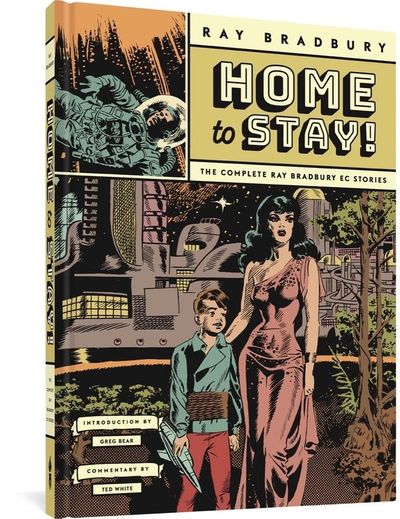
The stories Fredric Wertham needed you not to read.
✦ READ – REFLECT → RESIST
I Go Pogo
Walt Kelly
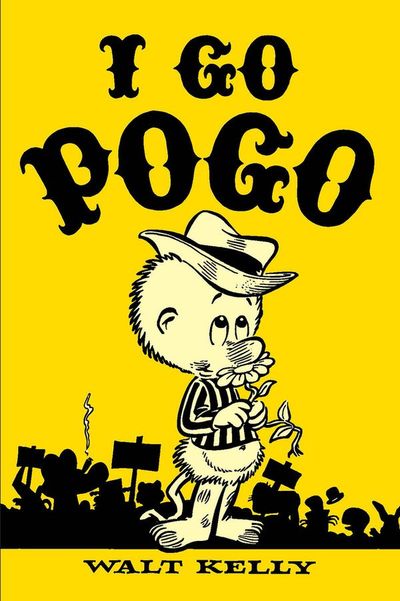
The strip that put a bag on McCarthy's head.
✦ READ – REFLECT → RESIST
Nuclear War: A Scenario
Annie Jacobsen
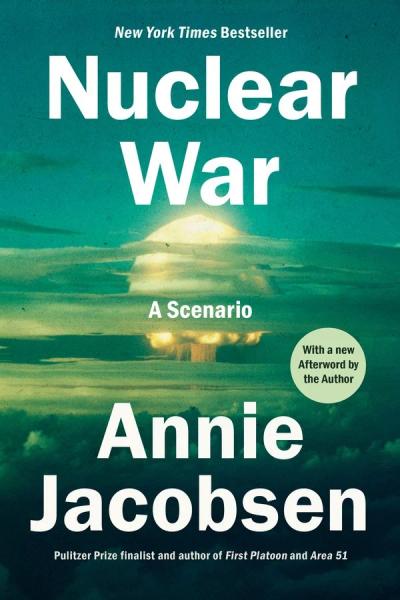
72 minutes to the end of everything.
✦ READ – REFLECT → RESIST
Our Man in Havana
Graham Greene
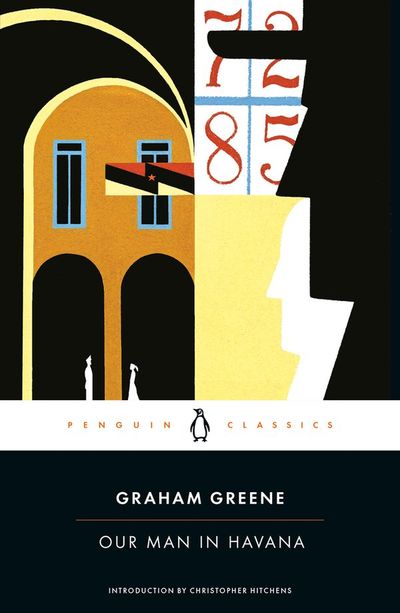
A vacuum salesman fools the spy agency.
✦ READ – REFLECT → RESIST
Same pattern, different era
Different time, different place. The same thing keeps happening.
Capitalism and Slavery
Eric Williams
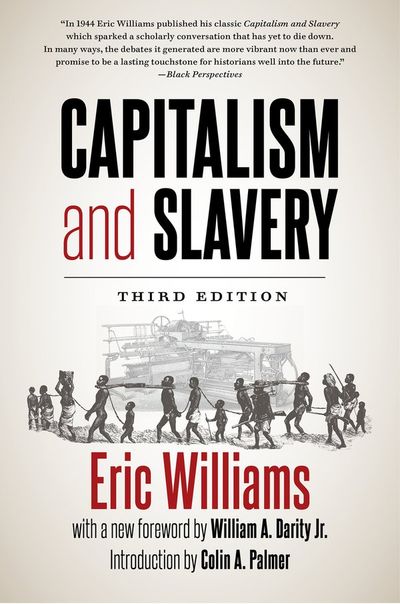
Slavery didn't fund empire. Slavery WAS empire.
✦ READ – REFLECT → RESIST
Doughnut Economics
Kate Raworth
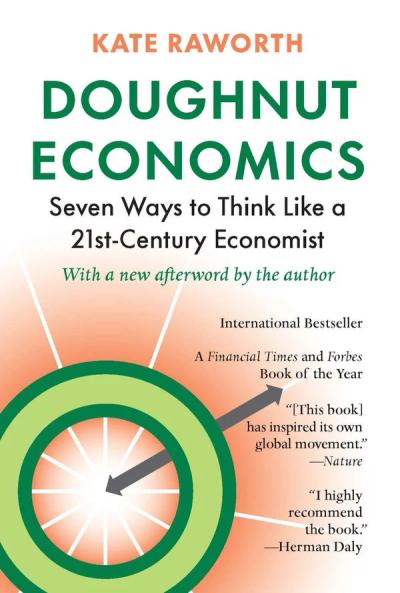
The economy we need, drawn as a doughnut.
✦ READ – REFLECT → RESIST
Enshittification: Why Everything Suddenly Got Worse and What to Do About It
Cory Doctorow
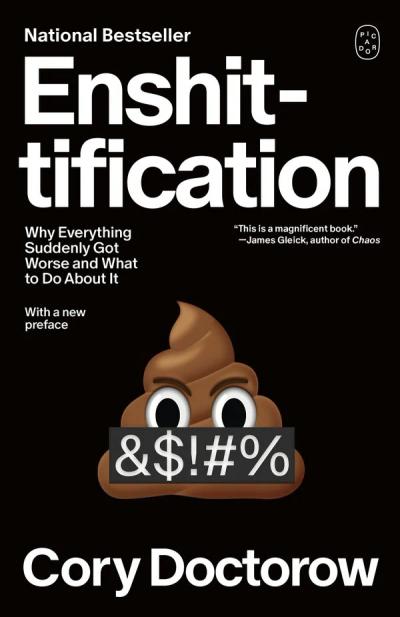
Why your favorite app got worse on purpose.
✦ READ – REFLECT → RESIST
Ferdydurke
Witold Gombrowicz

Society made you small. This is how.
✦ READ – REFLECT → RESIST
For the family bookshelf
Same idea, written for a younger reader. Good for reading together.
Fun Home: A Family Tragicomic
Alison Bechdel
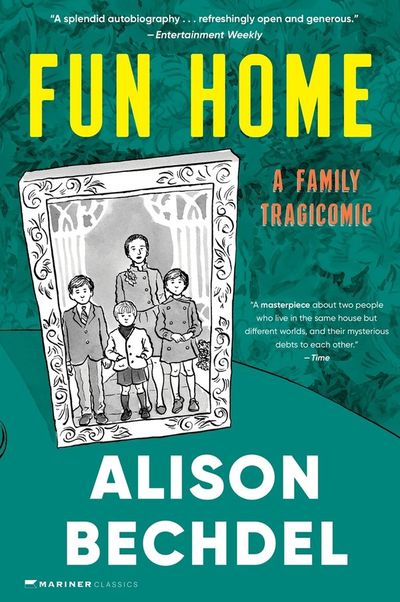
The memoir that made the closet visible.
✦ READ – REFLECT → RESIST
The Big Orange Splot
Daniel Pinkwater
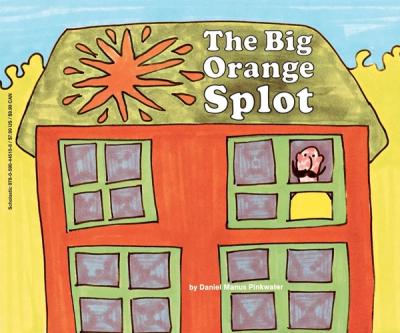
A seagull drops paint on his roof. He decides to go with it.
✦ READ – REFLECT → RESIST
The Giver
Lois Lowry
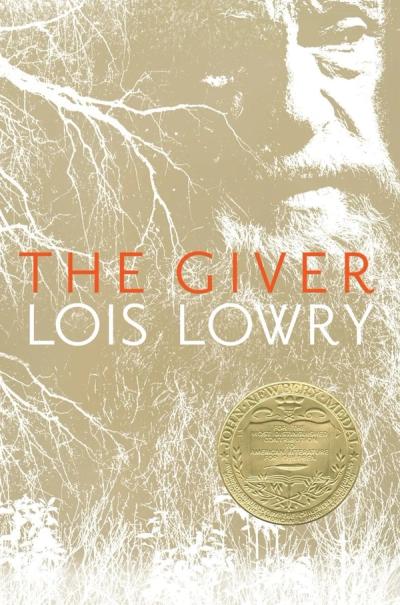
Memory is what they banned. He got it anyway.
✦ READ – REFLECT → RESIST
Feed
M.T. Anderson
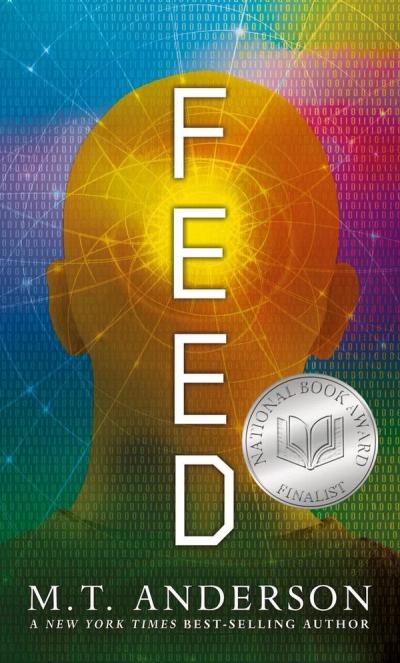
The internet is inside their heads. One girl tries to break free.
✦ READ – REFLECT → RESIST