
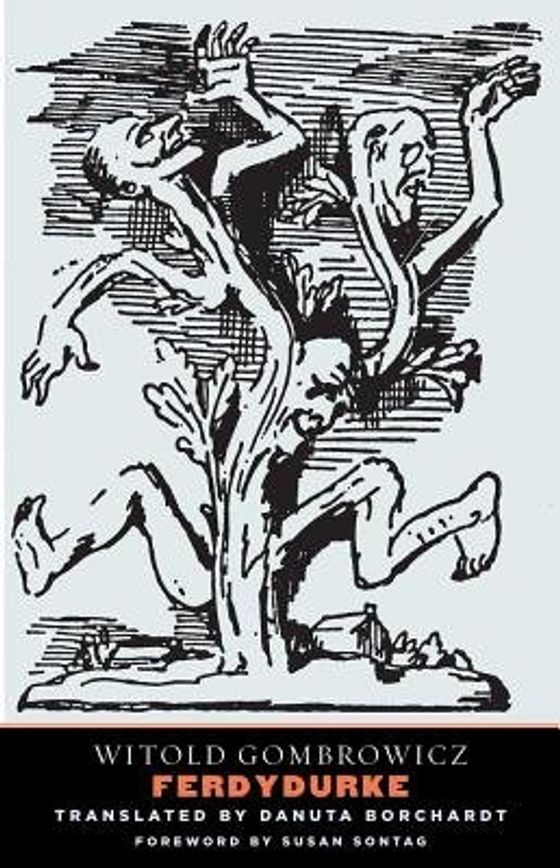
Ferdydurke
by Witold Gombrowicz
Society made you small. This is how.
For you if
you've felt the system shrink you into something manageable
⚡ Choose Your Route ⚡
Not sold directly on this site. Support indie bookstores with a new copy, or go sustainable with a used one.
Buy New on Bookshop.orgSupports independent bookstores
— OR —
Find Used on Better World BooksSecondhand & sustainable
$17 MSRP · Paperback
Reference price shown. Other editions may be available.
Józef is thirty years old and a published writer — until a professor decides he isn't, and regresses him, by pure force of social will, back to schoolboy. From there Ferdydurke spirals through three absurdist set pieces: a school ruled by the tyranny of lessons and "mugs," a progressive household where modernity is its own kind of cage, and a country estate where class performs itself to death. Gombrowicz published this in Warsaw in 1937, as Europe was accelerating toward catastrophe, and his diagnosis was that the catastrophe was already running — that people impose "Form" on each other as a matter of survival, making each other small, making each other fit, infantilizing by need. This isn't a satire of stupidity. It's a theory of how power works, written as a grotesque comedy.
Where This Book Lives
Gombrowicz wrote Ferdydurke in 1937 Warsaw, boarded a ship to Argentina two years later, and never came back — stranded by the war, then by the communists, who banned his work entirely. He spent twenty-four years in Buenos Aires, often broke, translating himself in cafés with Argentine writers including Virgilio Piñera. The Polish state attacked him. The émigré community rejected him. He refused to be useful to any ideology whatsoever. All of it is already in the novel: the desperate, ridiculous pressure to inhabit the Form others need you to fill. Susan Sontag wrote the foreword to this translation. She understood what she was introducing.
Related Viewing
Shares a topic, theme, or setting with this book in the catalog.
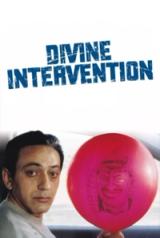
Divine Intervention(2002)
dir. Elia Suleiman
Same themes: Absurdism, Humor and Resilience
Deadpan comedy at a checkpoint.
A string of deadpan vignettes from Nazareth and an Israeli checkpoint on the edge of Jerusalem, held together by a silent observer (played by Suleiman himself) and a love story that can only happen in a parked car. The film replaces plot with absurd tableaux, from petty neighbor feuds to a ninja-style fantasy of resistance. It won the Jury Prize at Cannes.
Why it’s here: Suleiman does what a lot of political films can't: makes you laugh at occupation without ever letting you forget it. What's punk is that the satire punches up, at a checkpoint regime that turns everyday movement into a daily humiliation, without turning Palestinians into saints or statistics. What's pedagogical is that the humor teaches you how the system works from the inside, and the Academy ruling it ineligible for the Foreign Language Oscar because Palestine wasn't a recognized country tells you plenty on its own.
Where to watch: Free on Kanopy with library cardLetterboxd ↗
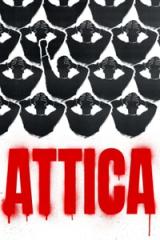
Attica(2021)
dir. Stanley Nelson & Traci A. Curry
Same theme: Institutional Critique
The prison uprising, in survivors’ words.
A documentary on the September 1971 uprising at Attica Correctional Facility in New York, when about 1,300 incarcerated men took over the prison to demand basic rights, and the state's assault that ended it killed 39 men, prisoners and hostages alike. Built from archival footage and testimony from survivors. It was nominated for the Oscar for Best Documentary Feature.
Why it’s here: The film puts the people who lived it back in charge of the story, and the story is how a state answers a list of demands. What's punk is the demands themselves: showers, food, medical care, the right to be treated as human. What's pedagogical is the aftermath, the gap between what officials said happened and what survivors and records show. It's a lesson in how to read an official account.
Where to watch: Paramount+; rent Amazon, FandangoLetterboxd ↗
Same event, different angle
The same history — told by someone who saw it differently.
My Last Sigh
Luis Buñuel
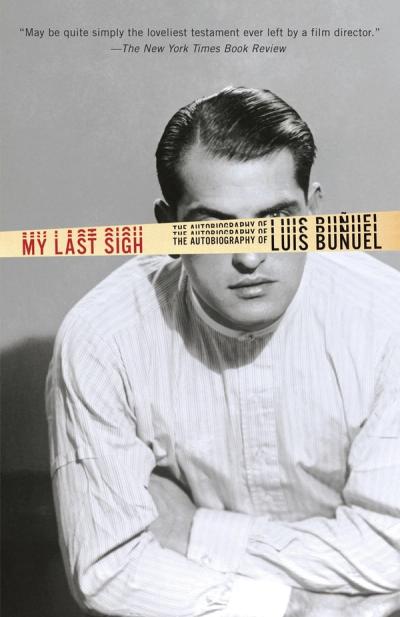
Dreams, wine, and righteous blasphemy.
✦ READ – REFLECT → RESIST
Between the Woods and the Water
Patrick Leigh Fermor

Walking pre-war Europe. The world is about to end.
✦ READ – REFLECT → RESIST
The Remains of the Day
Kazuo Ishiguro
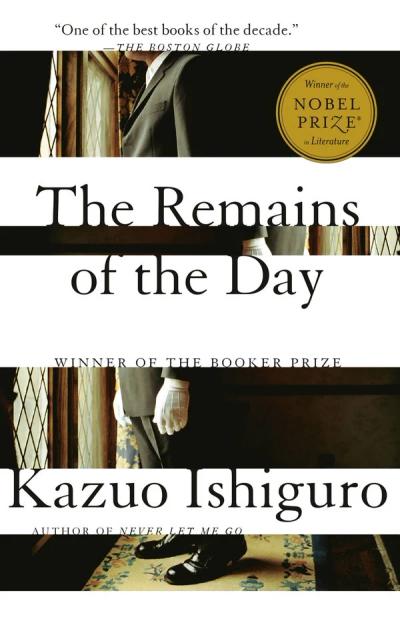
The perfect servant who never looked up.
✦ READ – REFLECT → RESIST
Same pattern, different era
Different time, different place. The same thing keeps happening.
Black Boy
Richard Wright
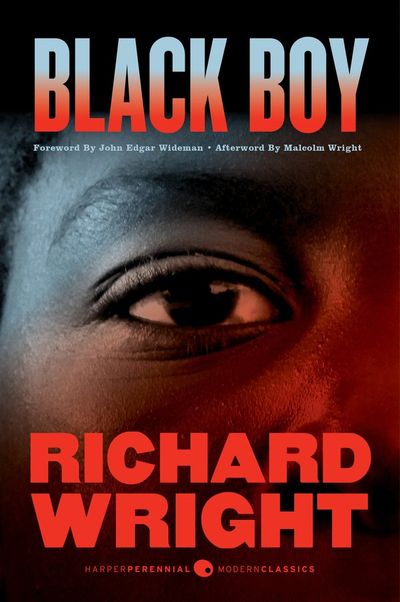
The autobiography Jim Crow didn't want written.
✦ READ – REFLECT → RESIST
Gerontocracy in America: How the Old Are Hoarding Power and Wealth—and What to Do About It
Samuel Moyn
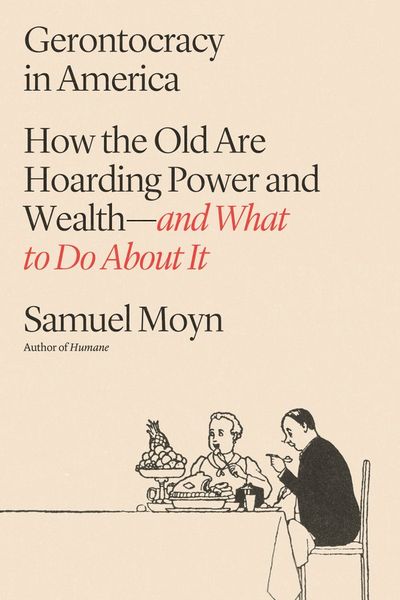
Not a generation gap. An extraction system.
✦ READ – REFLECT → RESIST
Kim Jiyoung, Born 1982
Cho Nam-Joo
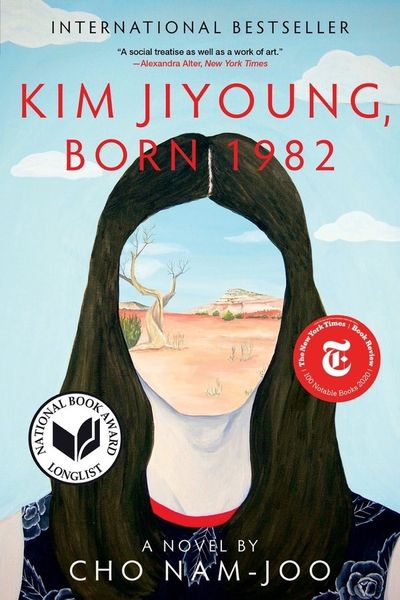
One woman's life. Every woman's system.
✦ READ – REFLECT → RESIST
Seeing Like a State: How Certain Schemes to Improve the Human Condition Have Failed
James C. Scott
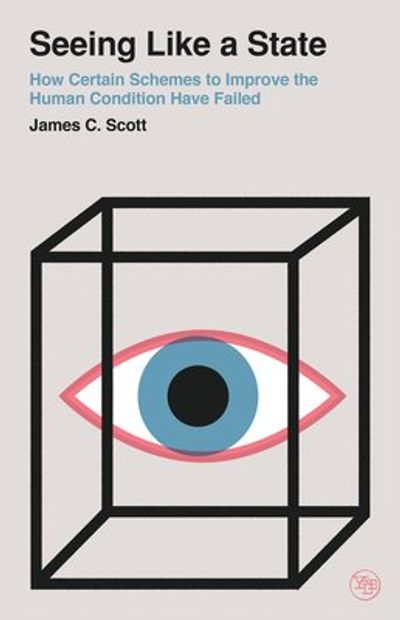
Why the state keeps "improving" things into ruin.
✦ READ – REFLECT → RESIST
For the family bookshelf
Same idea, written for a younger reader. Good for reading together.
Fun Home: A Family Tragicomic
Alison Bechdel
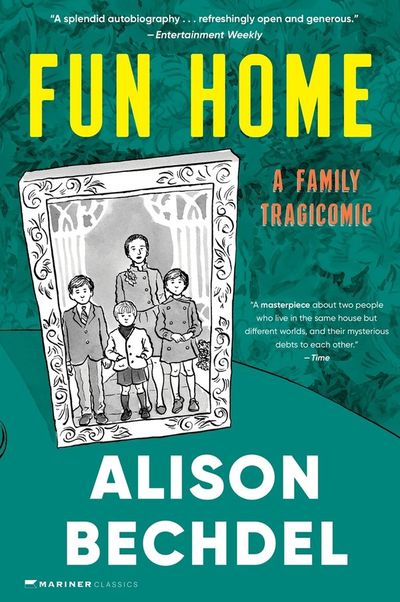
The memoir that made the closet visible.
✦ READ – REFLECT → RESIST
Harold and the Purple Crayon
Crockett Johnson

Draw your world. Then draw your way home.
✦ READ – REFLECT → RESIST
A Wrinkle in Time
Madeleine L'Engle
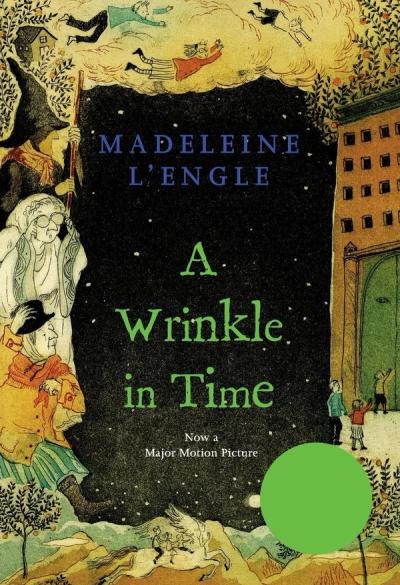
An awkward girl, a missing father, and a wrinkle in time.
✦ READ – REFLECT → RESIST
The Giver
Lois Lowry
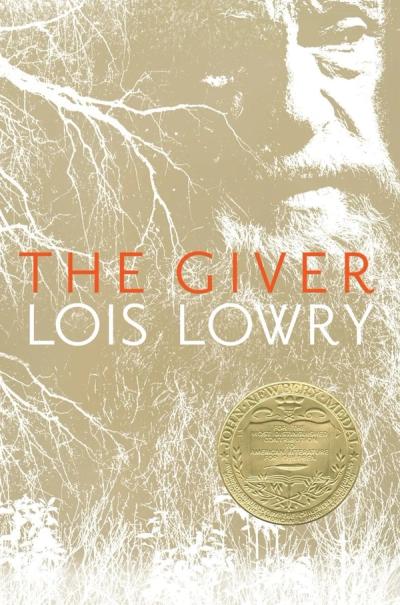
Memory is what they banned. He got it anyway.
✦ READ – REFLECT → RESIST