
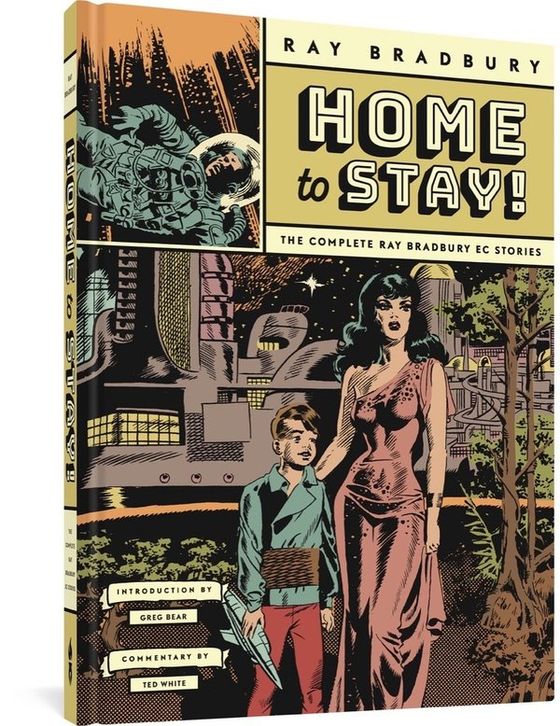
Home to Stay!: The Complete Ray Bradbury EC Stories
by Ray Bradbury
The stories Fredric Wertham needed you not to read.
For you if
you've ever watched a moral panic decide what counts as dangerous.
⚡ Choose Your Route ⚡
Not sold directly on this site. Support indie bookstores with a new copy, or go sustainable with a used one.
Buy New on Bookshop.orgSupports independent bookstores
— OR —
Find Used on Better World BooksSecondhand & sustainable
$75 MSRP · Hardcover
Reference price shown. Other editions may be available.
In 1954, a psychiatrist named Fredric Wertham published *Seduction of the Innocent*, claiming horror comics caused juvenile delinquency, homosexuality, and crime. He had falsified his data. The Senate held hearings anyway. And the comics industry, rather than fight, invented its own censor — the Comics Code Authority — and used it to gut everything that made EC Comics worth reading. The word "horror" was banned from comic titles. EC folded. The stories in this book were the target. Adapted from Ray Bradbury by editor Al Feldstein and artists including Wally Wood, Frank Frazetta, Graham Ingels, and Bernard Krigstein, they were sharp, strange, and deeply unsettling in ways 1950s America was not supposed to permit — colonialism on Mars, nuclear paranoia dressed as adventure, mortality with no redemptive lesson attached. Some were adapted without Bradbury's knowledge. He noticed, wrote a polite letter pointing out the unpaid rights. EC paid him. Then they published twenty more. There is one irony this collection doesn't let you miss: Bradbury wrote *Fahrenheit 451* — the canonical novel about book burning — while some of his own stories were being turned into comics that a real censorship apparatus would soon suppress. He wasn't burned. He was redacted. *Home to Stay!* collects all 28 official EC adaptations in one oversized volume, alongside the unauthorized stories Feldstein wrote before he knew they were Bradbury's. Read it as what it is: the artifact of a genuine suppression campaign, and the evidence the campaign couldn't finish the job.
Where This Book Lives
The seam worth naming upfront: EC Comics were genuinely provocative. Blood, dismemberment, dark endings with no moralizing out. The Senate showed those covers for a reason — they were designed to unsettle. P&P's position: the content's transgression is the point, not a problem to explain away. What the Senate was really suppressing was the suggestion that darkness was more honest than the domestic happiness being sold by everyone else in 1954. That's the censorship story. The manufactured moral panic was more dangerous than anything EC published. The second thing worth knowing: Fredric Wertham's research has since been shown to be falsified. His data on the links between comics and juvenile delinquency did not hold up — Dr. Carol Tilley's 2012 analysis of his original notes found systematic distortion. He knew. The Senate didn't ask. The industry buckled anyway, and several publishers, EC chief among them, never recovered. The irony of Bradbury's position here is genuinely extraordinary. He wrote *Fahrenheit 451* in 1953 — the same years his stories were being adapted into comics that the moral panic would soon suppress. The man who gave the culture its vocabulary for book burning had his own work caught in the exact mechanism he'd been warning about. That's not a footnote. That's the argument. One practical note: this is a $75 oversized art hardback — an investment, not a casual pick. Better World Books is the primary route for accessible pricing. It's worth it for what it is: a primary source for one of the most consequential censorship campaigns in American popular culture, with the art intact.
Stories About This Book
Related Viewing
Shares a topic, theme, or setting with this book in the catalog.
Salt of the Earth(1954)
dir. Herbert J. Biberman
Same event: McCarthyism
The labor film blacklisted filmmakers made anyway.
A 1950 New Mexico zinc miners' strike, reenacted by the real Mexican-American families who lived it, made by a blacklisted writer, producer, and director during the height of the Red Scare.
Why it’s here: Made by three men the Hollywood blacklist had already ended the careers of, using real miners and their families as the cast — the labor politics on screen and the circumstances of the film's own making are the same argument, not two separate things.
Where to watch: Streaming on KanopyLetterboxd ↗
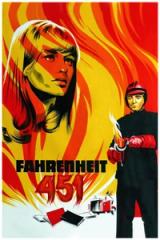
Fahrenheit 451(1966)
dir. François Truffaut
Same themes: Book Banning, Censorship
Burning books to keep everyone happy.
In a future where books are outlawed, fireman Guy Montag burns forbidden literature for a living until a young woman's curiosity about reading unsettles his loyalty to the system. Truffaut's only English-language film, adapted from Ray Bradbury's novel.
Why it’s here: Punk in imagining resistance as an act of memory — the "book people" who become the books they refuse to let die. Pedagogical in showing censorship dressed up as compassion, a government that burns literature "for everyone's peace of mind."
Where to watch: Rent/buy: Fandango at HomeLetterboxd ↗
Same event, different angle
The same history — told by someone who saw it differently.
All Boys Aren't Blue
George M. Johnson
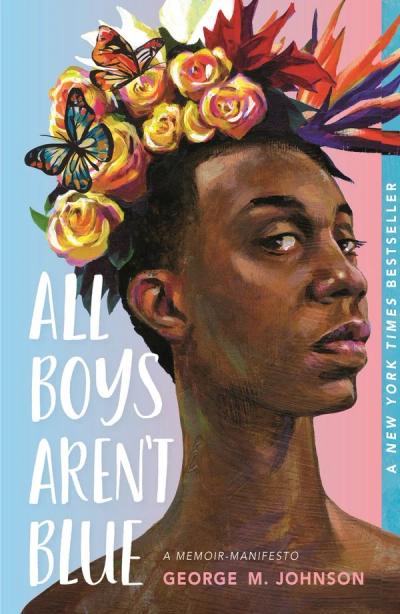
A Black queer memoir they tried to erase from schools
✦ READ – REFLECT → RESIST
A Court of Thorns and Roses
Sarah J. Maas
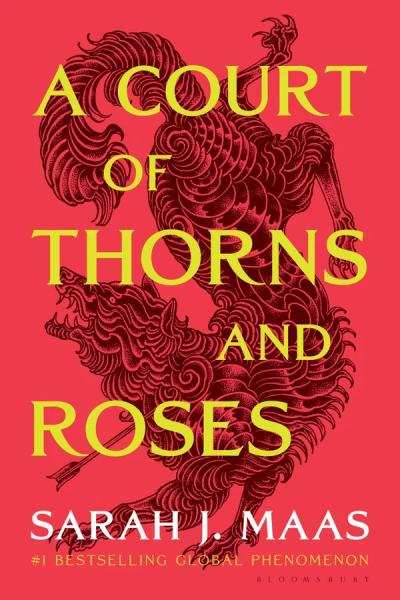
Survival instincts don't stop at the Wall.
✦ READ – REFLECT → RESIST
Birchers: How the John Birch Society Radicalized the American Right
Matthew Dallek
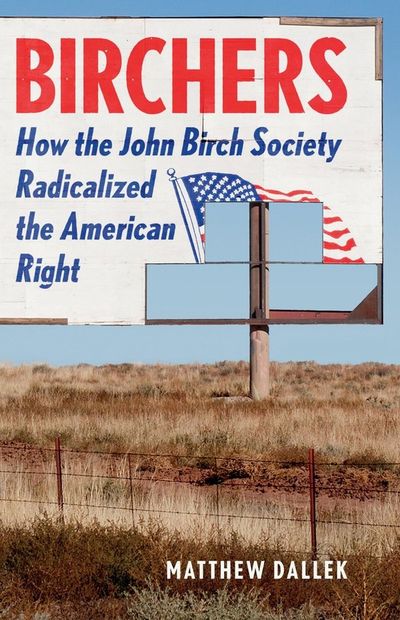
The fringe that ate the Republican Party.
✦ READ – REFLECT → RESIST
Blankets
Craig Thompson
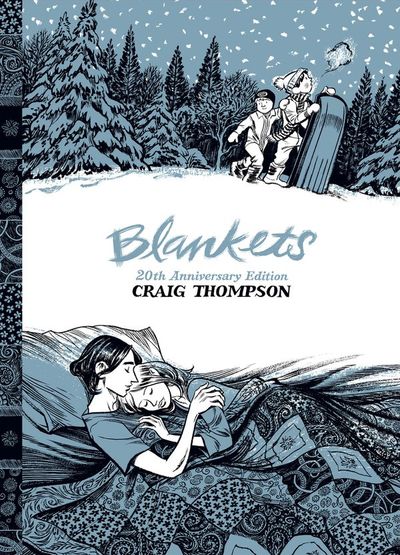
The memoir that proved comics could break your heart.
✦ READ – REFLECT → RESIST
Same pattern, different era
Different time, different place. The same thing keeps happening.
A Court of Thorns and Roses
Sarah J. Maas
Survival instincts don't stop at the Wall.
✦ READ – REFLECT → RESIST
Banned Book Club
Kim Hyun Sook and Ryan Estrada (art by Ko Hyung-Ju)
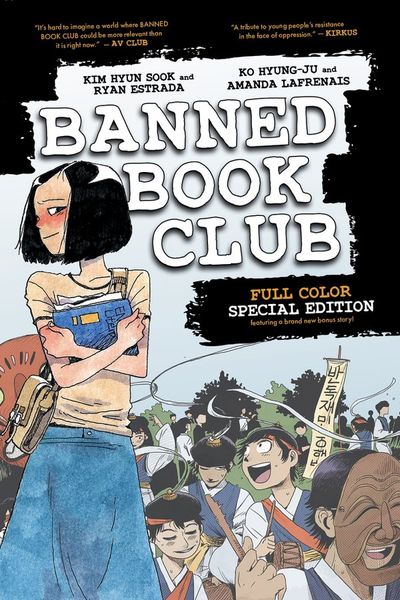
A secret reading group. A dictatorship. Real arrests.
✦ READ – REFLECT → RESIST
Birchers: How the John Birch Society Radicalized the American Right
Matthew Dallek
The fringe that ate the Republican Party.
✦ READ – REFLECT → RESIST
Black Boy
Richard Wright
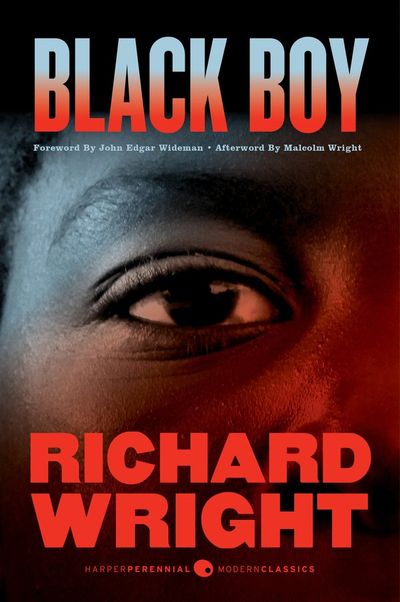
The autobiography Jim Crow didn't want written.
✦ READ – REFLECT → RESIST
For the family bookshelf
Same idea, written for a younger reader. Good for reading together.
Flamer
Mike Curato
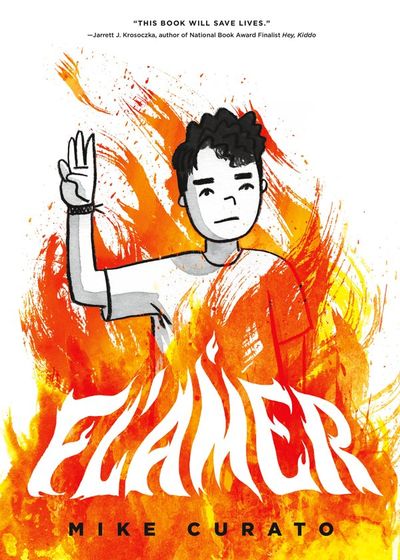
A gay Latino teen at camp. Banned for existing.
✦ READ – REFLECT → RESIST
And Tango Makes Three
Justin Richardson and Peter Parnell
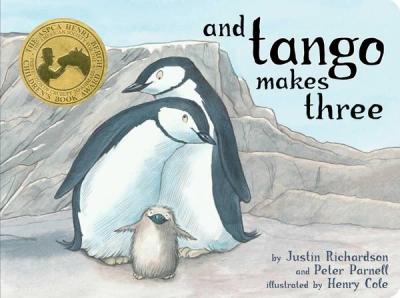
Two penguin dads hatch an egg. True story. Banned.
✦ READ – REFLECT → RESIST
Fun Home: A Family Tragicomic
Alison Bechdel
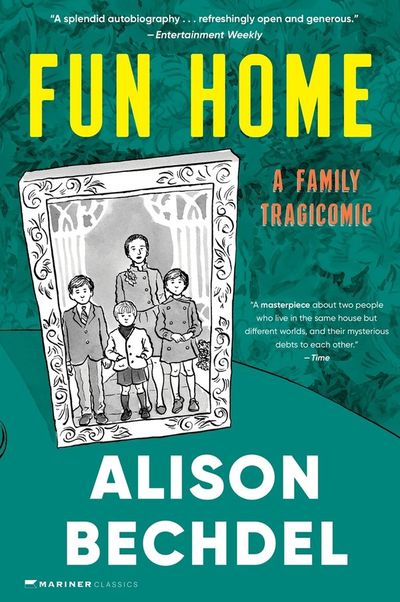
The memoir that made the closet visible.
✦ READ – REFLECT → RESIST
It's Perfectly Normal: Changing Bodies, Growing Up, Sex, Gender, and Sexual Health
Robie H. Harris
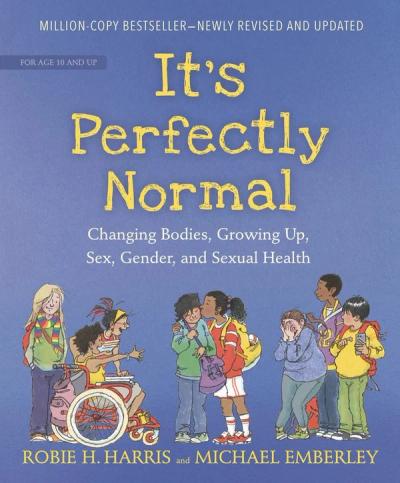
The sex ed book America keeps trying to ban.
✦ READ – REFLECT → RESIST