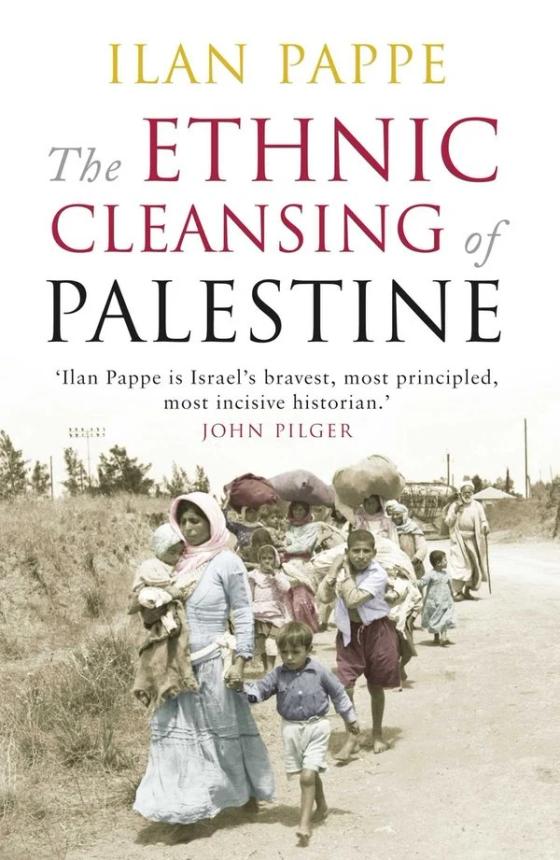
The Ethnic Cleansing of Palestine
by Ilan Pappé
Plan Dalet. Village by village.
For you if
you're ready to read what the archives actually say.
⚡ Choose Your Route ⚡
Not sold directly on this site. Support indie bookstores with a new copy, or go sustainable with a used one.
Buy New on Bookshop.orgSupports independent bookstores
— OR —
Find Used on Better World BooksSecondhand & sustainable
$20 MSRP · Paperback
Reference price shown. Other editions may be available.
In 1948, more than 700,000 Palestinians were expelled from their homes. The Israeli official account called this a consequence of war — Arab armies attacked, civilians fled, nobody planned it. Ilan Pappé, drawing on the same declassified Israeli military archives the New Historians opened in the 1980s, argues this account is false. What happened was not a byproduct of war. It was the war's objective. Pappé reconstructs Plan Dalet — the operational plan approved by the Jewish Agency's military command in March 1948 — and follows its execution village by village, showing that the depopulation of Arab Palestine was systematic, deliberate, and completed before the Arab armies entered. He uses the term ethnic cleansing not as polemic but as legal and historical category, and argues that Palestinian refugees cannot be understood as a war casualty but as a planned outcome that has never been acknowledged, never been repaired, and continues to organize the political present. Pappé himself was expelled from Haifa University and now teaches in the UK — a biographical footnote that illustrates exactly what this book does to careers.
Where This Book Lives
- Setting
- Israel
- Voice
- Written by a Israeli author
Pappé is the most contested of the New Historians, and that's worth being honest about. He has said that his politics shape his history — he prefers this framing to the pretense of neutrality — and other serious scholars (including Benny Morris, who uses the same archives) dispute some of his readings and reject the ethnic cleansing framing as overclaiming. The debate is genuine. P&P is not a neutrality machine, but it is an honesty machine, so the curatorial note says: this book makes a strong, evidence-based argument that has changed the scholarly conversation, and it is also a book where the author's politics are visible in his methodology. That seam is visible and explainable — it's exactly the kind of seam a P&P reader can handle. What makes it irreplaceable is that it does the thing no other book does: it follows Plan Dalet at the level of individual villages, so the abstraction becomes impossible.
Related Viewing
Shares a topic, theme, or setting with this book in the catalog.
5 Broken Cameras(2011)
dir. Emad Burnat & Guy Davidi
Five cameras destroyed. Every one kept filming.
A Palestinian farmer in Bil'in documents his village's nonviolent resistance to encroaching Israeli settlements over five years, structured around each of his cameras' destruction.
Why it’s here: Shot almost entirely by a Palestinian farmer with no filmmaking background, on cameras that kept getting destroyed and kept getting replaced — testimony in the most literal sense, edited (not directed) into shape by an Israeli co-director after the fact.
The Battle of Algiers(1966)
dir. Gillo Pontecorvo
Studied by insurgents and the Pentagon alike.
Docudrama reconstruction of the FLN's urban guerrilla campaign against French colonial rule in Algiers, shot in a deliberately newsreel-like style with mostly non-professional actors.
Why it’s here: Reconstructed with a documentary's texture and an insurgency's actual tactics — studied for decades by both sides of colonial conflict, reportedly including the Pentagon itself ahead of the Iraq occupation. A rare case of a film about power becoming an actual tactical document, not just a representation of one.
Same event, different angle
The same history — told by someone who saw it differently.
Mornings in Jenin
Susan Abulhawa
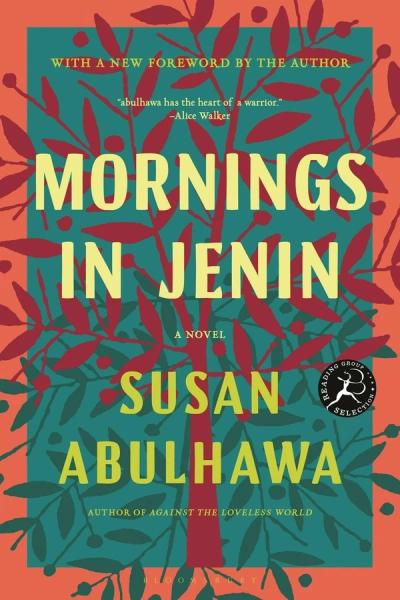
A Palestinian family. Four generations of loss.
✦ READ – REFLECT → RESIST
Anti-Zionism: A Jewish History
Benjamin Moser

The Jewish tradition they tried to bury.
✦ READ – REFLECT → RESIST
To the End of the Land
David Grossman
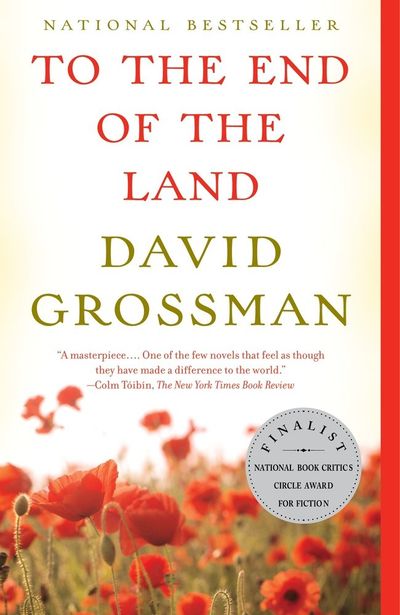
A mother walks Israel to avoid the news of her son.
✦ READ – REFLECT → RESIST
I Saw Ramallah
Mourid Barghouti
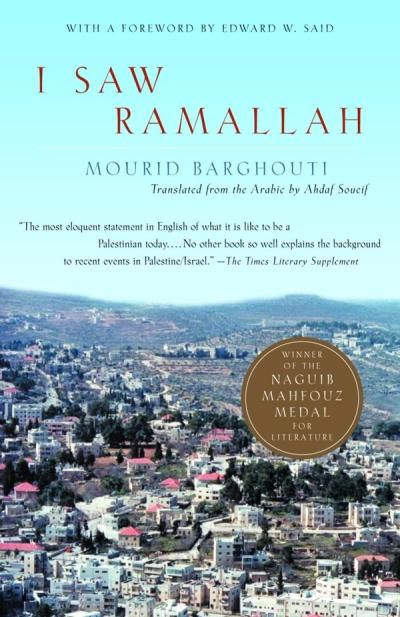
Exile ends. He crosses the bridge. Nothing's left.
✦ READ – REFLECT → RESIST
Same pattern, different era
Different time, different place. The same thing keeps happening.
The Hate U Give
Angie Thomas

Witness. Target. Survivor.
✦ READ – REFLECT → RESIST
The Librarian of Auschwitz
Antonio Iturbe
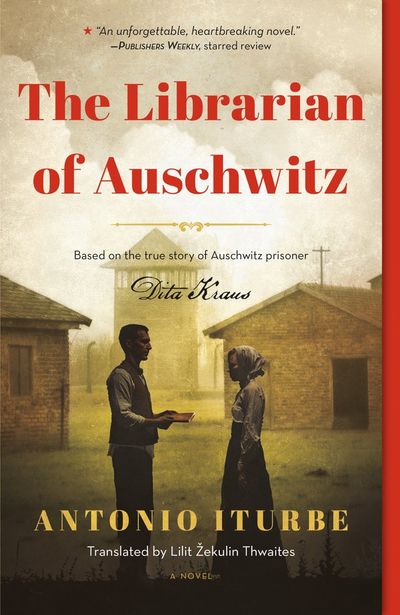
Eight books. One library. One defiant act.
✦ READ – REFLECT → RESIST
I Know Why the Caged Bird Sings
Maya Angelou
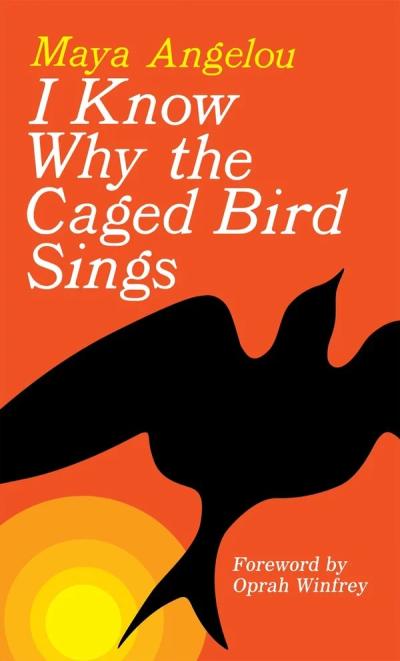
She wrote herself alive. They tried to erase it.
✦ READ – REFLECT → RESIST
Know My Name: A Memoir
Chanel Miller
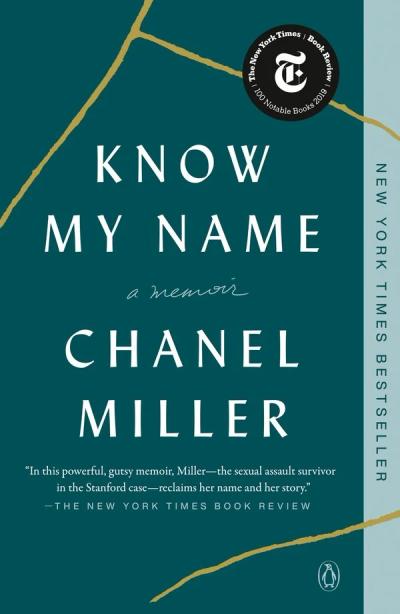
She took her name back from the case.
✦ READ – REFLECT → RESIST
For the family bookshelf
Same idea, written for a younger reader. Good for reading together.