
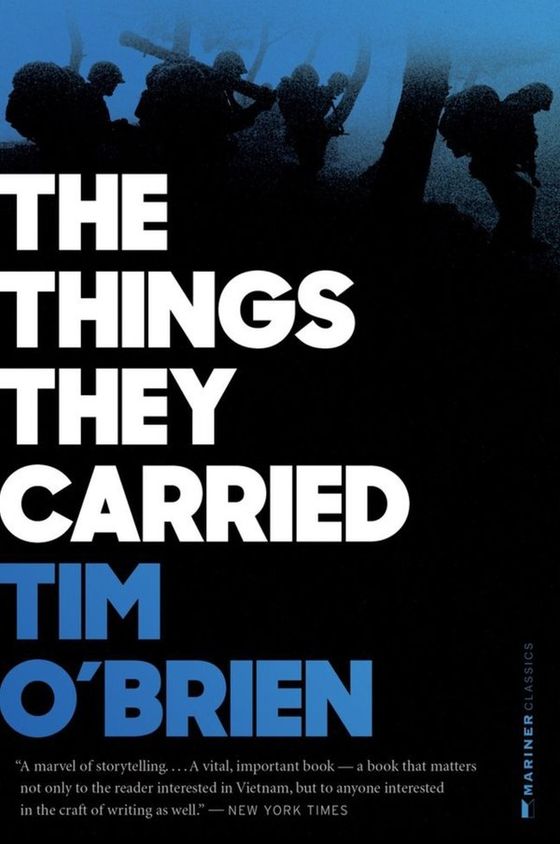
The Things They Carried
by Tim O'Brien
The war story that admits it’s a story.
For you if
you've learned the official version of events is never the whole one.
⚡ Choose Your Route ⚡
Not sold directly on this site. Support indie bookstores with a new copy, or go sustainable with a used one.
Buy New on Bookshop.orgSupports independent bookstores
— OR —
Find Used on Better World BooksSecondhand & sustainable
$17 MSRP · Paperback
Reference price shown. Other editions may be available.
O'Brien's soldiers carry the obvious things, rifles and helmets and malaria pills, and the things nobody can set down: fear, a girl's letters, the memory of a friend. He keeps stopping to tell you that the story is invented, then tells you the invented one is the truer one. It is a book about the gap between what happened and what you can say happened, which is where every war story, and every government statement, lives.
Where This Book Lives
- Setting
- Vietnam
- Voice
- An outside perspective on Vietnam
- Themes
- absurdity of warbearing witnessguilt and complicitymasculinitymemory and truthwar literaturewar and trauma
- Topics
- vietnam war
A fiction collection built on real experience, so 'story-truth' is the point of the book. It often turns up on challenged-book lists for language and violence; verify specifics before leaning on that in public copy. Closest catalog relatives: The Sorrow of War and Dispatches.
Related Viewing
Shares a topic, theme, or setting with this book in the catalog.
Hearts and Minds(1974)
dir. Peter Davis
Same event: Vietnam War
Vietnam, in the words of those who waged it.
A documentary about the American war in Vietnam, made while the war was still being fought. Davis intercuts interviews with generals, officials, pilots, veterans, grieving Vietnamese families and ordinary Americans, setting the language of policy against what that policy did on the ground and at home.
Why it’s here: The punk move is the editing: Davis lets the war's architects talk at length, then cuts their words against a funeral, a bombed village or a cheering football crowd, and trusts the audience to feel the gap. The pedagogy is in how the film teaches viewers to hear the language of power, euphemism and abstraction included, while looking at what it covers up. Worth knowing that the juxtaposition is the argument, and General Westmoreland and others objected that their words were framed unfairly, so watch it as a persuasive documentary, not a neutral record.
Where to watch: Criterion Channel, HBO MaxLetterboxd ↗
Sir! No Sir!(2005)
dir. David Zeiger
Same event: Vietnam War
The soldiers who refused their own war.
A documentary about the GI movement against the Vietnam War, the soldiers who refused orders, published underground papers, set up coffeehouses near army bases and, in some cases, went to prison for it. Built from archive footage and interviews with veterans who were there, it asks why a story of thousands of active-duty troops resisting their own war has been so thoroughly left out of the standard account.
Why it’s here: The film puts the people the war machine depended on at the centre: soldiers who said no. What's punk is the refusal, and the way it's been written out of the record. What's pedagogical is the question the film leaves you with: whose history gets told as 'the antiwar movement', and who got dropped? It is a natural partner to Hearts and Minds, already suggested, and The Things They Carried.
Where to watch: Free on Kanopy; OVID (subscription); rent Amazon, Apple TV, Fandango At Home (~$2.99)Letterboxd ↗
Same event, different angle
The same history — told by someone who saw it differently.
On Earth We’re Briefly Gorgeous
Ocean Vuong
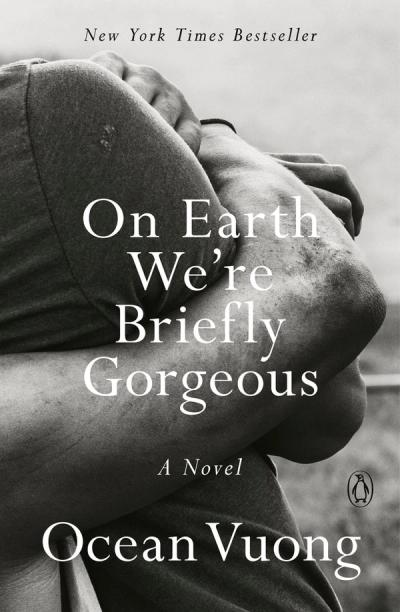
Letters that bleed and bloom.
✦ READ – REFLECT → RESIST
The Quiet American
Graham Greene
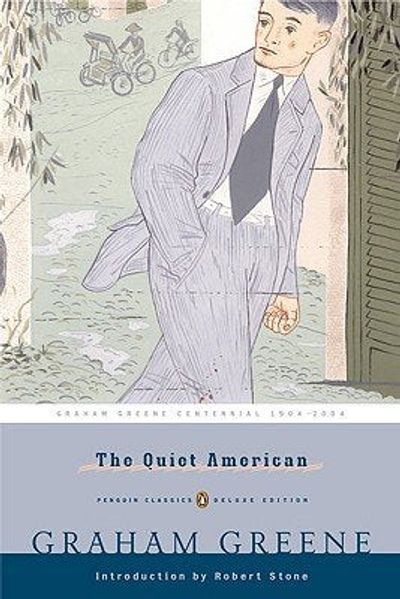
An American arrives in Saigon with good intentions. People die.
✦ READ – REFLECT → RESIST
The Sympathizer
Viet Thanh Nguyen
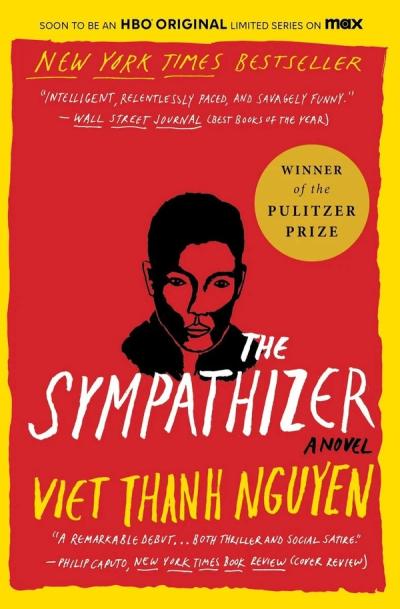
A Vietnamese spy confesses. Both sides are guilty.
✦ READ – REFLECT → RESIST
Paradise of the Blind
Dương Thu Hương
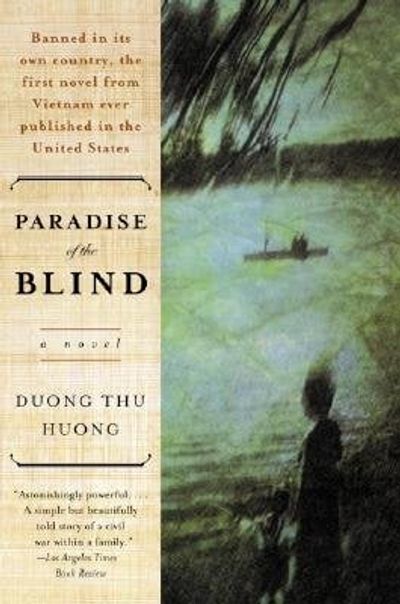
A Vietnamese woman carries her family's revolutionary wounds to Moscow.
✦ READ – REFLECT → RESIST
Same pattern, different era
Different time, different place. The same thing keeps happening.
Aristophanes' Lysistrata: A Dual Language Edition
Aristophanes
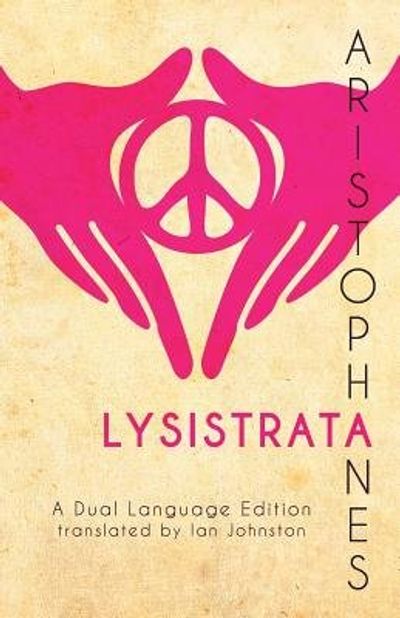
The oldest sex strike in history. Still works.
✦ READ – REFLECT → RESIST
Black Boy
Richard Wright
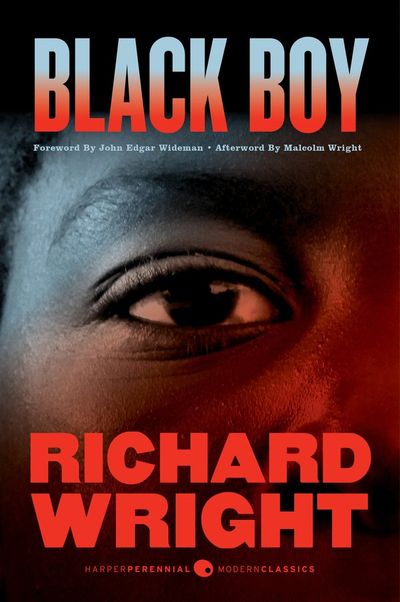
The autobiography Jim Crow didn't want written.
✦ READ – REFLECT → RESIST
Boys & Sex
Peggy Orenstein
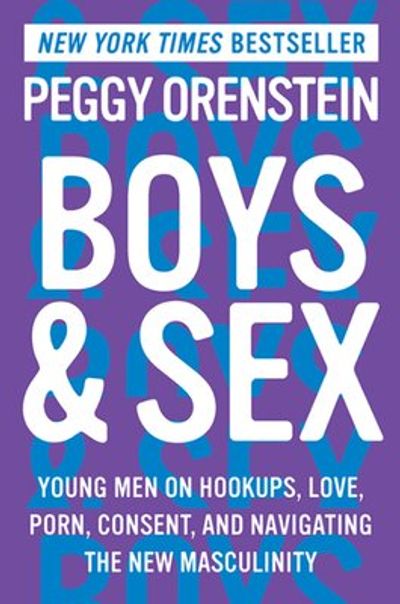
Ask boys about sex. Then listen.
✦ READ – REFLECT → RESIST
The Complete Maus: A Survivor's Tale
Art Spiegelman

The only comic to win the Pulitzer. Banned anyway.
✦ READ – REFLECT → RESIST
Flip the lens
Same country. Now hear it from the other side.
The Sympathizer
Viet Thanh Nguyen
A Vietnamese spy confesses. Both sides are guilty.
✦ READ – REFLECT → RESIST
Paradise of the Blind
Dương Thu Hương
A Vietnamese woman carries her family's revolutionary wounds to Moscow.
✦ READ – REFLECT → RESIST
The Sorrow of War
Bảo Ninh
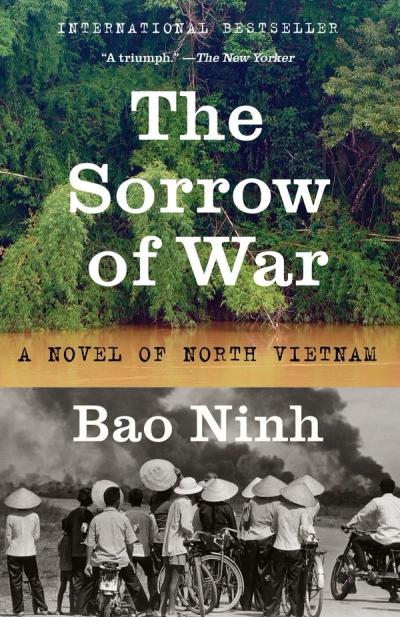
Vietnam won the war. Here is what winning cost.
✦ READ – REFLECT → RESIST
The Mountains Sing
Nguyễn Phan Quế Mai
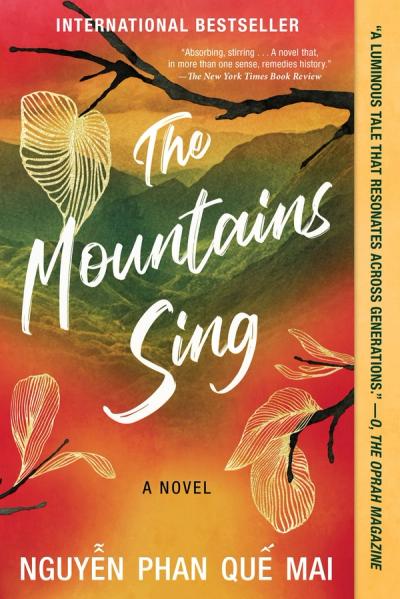
Four generations of Vietnamese women. A century of survival.
✦ READ – REFLECT → RESIST
For the family bookshelf
Same idea, written for a younger reader. Good for reading together.
Brown Girl Dreaming
Jacqueline Woodson
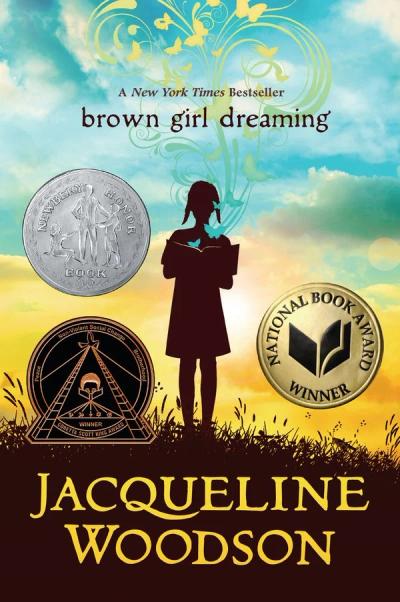
A Black girlhood in verse — history you can feel.
✦ READ – REFLECT → RESIST
The Giver
Lois Lowry
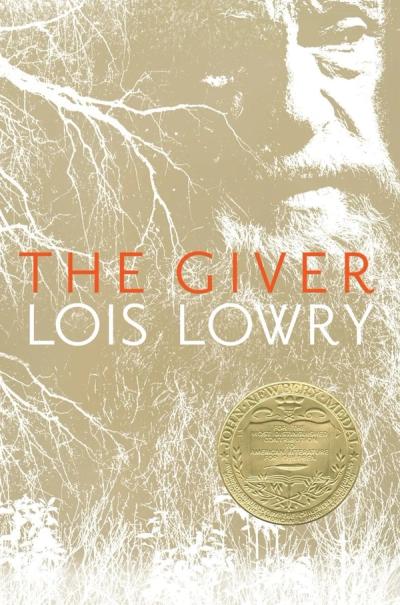
Memory is what they banned. He got it anyway.
✦ READ – REFLECT → RESIST
The Last Cuentista
Donna Barba Higuera

The last girl who remembers the old stories.
✦ READ – REFLECT → RESIST