
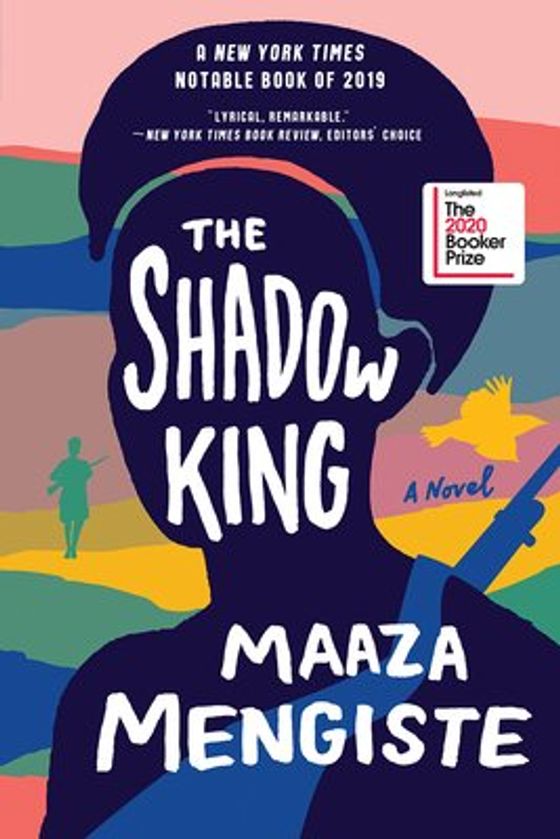
The Shadow King
by Maaza Mengiste
The women who fought Mussolini’s army.
For you if
you want the war story told by the people the textbooks skipped.
⚡ Choose Your Route ⚡
Not sold directly on this site. Support indie bookstores with a new copy, or go sustainable with a used one.
Buy New on Bookshop.orgSupports independent bookstores
— OR —
Find Used on Better World BooksSecondhand & sustainable
$18 MSRP · Paperback
Reference price shown. Other editions may be available.
In 1935, Mussolini's army invades Ethiopia. Hirut, a servant in a rich household, watches the men march off, then watches the emperor flee, and the war turns on a decision to disguise a peasant as the emperor to keep the troops fighting. Hirut picks up a rifle and fights, and the women who cook, nurse and carry the wounded are in the frame too. A war novel that puts the people history left out at the center.
Where This Book Lives
- Setting
- Ethiopia
- Voice
- Written by a Ethiopian author
Shortlisted for the 2020 Booker Prize. Mengiste was born in Addis Ababa, and the book draws on her family's stories of the invasion. Graphic wartime violence, including sexual violence, is part of the picture. It fills a gap: Ethiopian and East African voices are thin in the catalog, and the 1930s Italian colonial war is nowhere in it.
Related Viewing
Shares a topic, theme, or setting with this book in the catalog.
Hearts and Minds(1974)
dir. Peter Davis
Same themes: War and Atrocity, War and Civilians
Vietnam, in the words of those who waged it.
A documentary about the American war in Vietnam, made while the war was still being fought. Davis intercuts interviews with generals, officials, pilots, veterans, grieving Vietnamese families and ordinary Americans, setting the language of policy against what that policy did on the ground and at home.
Why it’s here: The punk move is the editing: Davis lets the war's architects talk at length, then cuts their words against a funeral, a bombed village or a cheering football crowd, and trusts the audience to feel the gap. The pedagogy is in how the film teaches viewers to hear the language of power, euphemism and abstraction included, while looking at what it covers up. Worth knowing that the juxtaposition is the argument, and General Westmoreland and others objected that their words were framed unfairly, so watch it as a persuasive documentary, not a neutral record.
Where to watch: Criterion Channel, HBO MaxLetterboxd ↗
Born in Flames(1983)
dir. Lizzie Borden
Same theme: Women in Revolution
What if the revolution forgot the women?
Ten years after a peaceful socialist revolution in the United States, women are still squeezed out of the new order: no jobs, no safety, no say. The film follows several women's networks, among them a women's army, a pirate radio station and a white feminist paper, as they build their own tactics. Lizzie Borden shot it in New York over several years on a tiny budget, mixing documentary style with fiction.
Why it’s here: A feminist sci-fi by a first-time director with almost no money that asks what happens to a revolution after it wins. What's punk is that it was made outside the system it describes. What's pedagogical is how it shows coalitions fracturing over race and class, and how media decides what counts as news. Pairs with Parable of the Sower and Sister Outsider.
Where to watch: OVID; rent on Amazon, Apple TVLetterboxd ↗
Same event, different angle
The same history — told by someone who saw it differently.
Decolonising the Mind: The Politics of Language in African Literature
Ngũgĩ wa Thiong'o
The colonizer’s real weapon was the classroom.
✦ READ – REFLECT → RESIST
How Europe Underdeveloped Africa
Walter Rodney
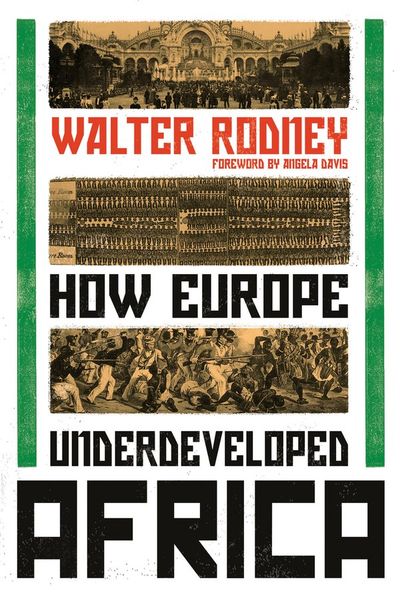
Africa isn't poor. It was made poor.
✦ READ – REFLECT → RESIST
How to Be a Fascist: A Manual
Michela Murgia
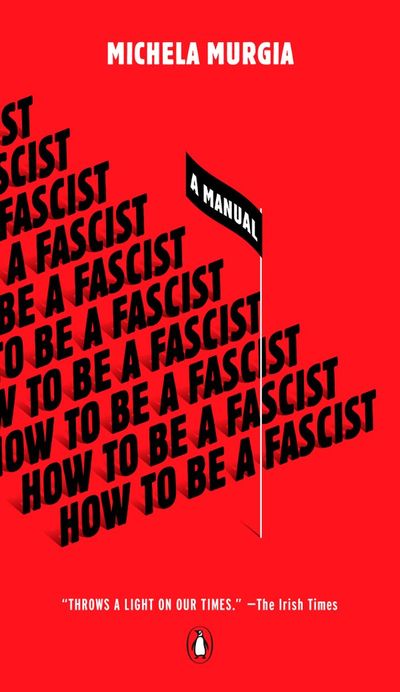
The fascist media playbook, step by step.
✦ READ – REFLECT → RESIST
Nervous Conditions
Tsitsi Dangarembga
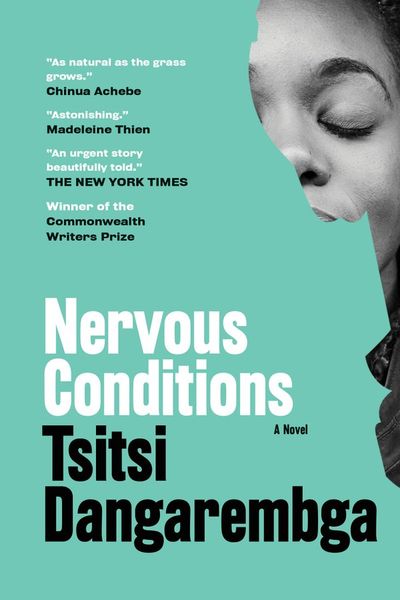
The education that includes you and erases you.
✦ READ – REFLECT → RESIST
Same pattern, different era
Different time, different place. The same thing keeps happening.
Anti-Zionism: A Jewish History
Benjamin Moser

The Jewish tradition they tried to bury.
✦ READ – REFLECT → RESIST
Aristophanes' Lysistrata: A Dual Language Edition
Aristophanes
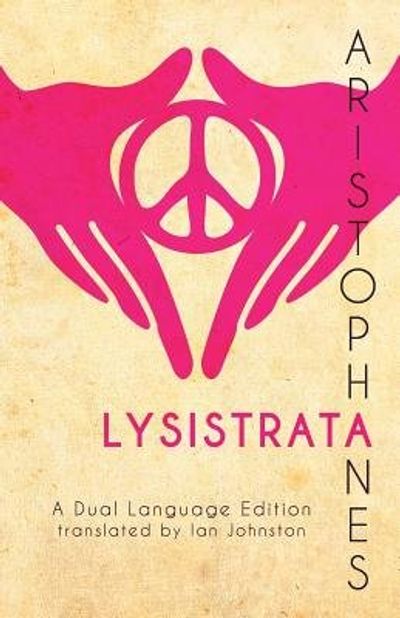
The oldest sex strike in history. Still works.
✦ READ – REFLECT → RESIST
Burning the Books: A History of Knowledge Under Attack
Richard Ovenden

Knowledge was always the target.
✦ READ – REFLECT → RESIST
Frankenstein in Baghdad
Ahmed Saadawi
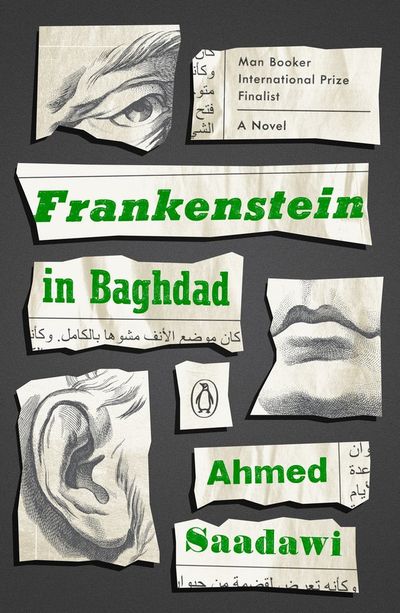
What war leaves behind comes back as a monster.
✦ READ – REFLECT → RESIST
Flip the lens
Same country. Now hear it from the other side.

For the family bookshelf
Same idea, written for a younger reader. Good for reading together.