
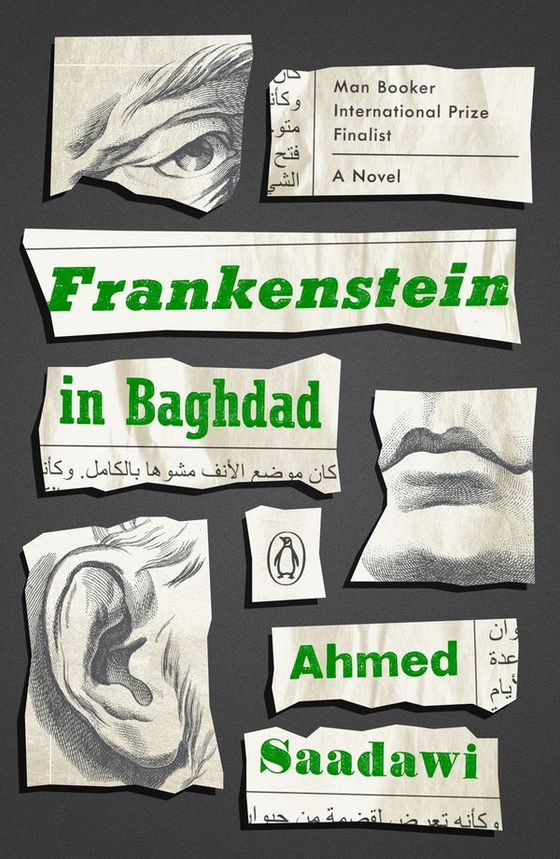
Frankenstein in Baghdad
by Ahmed Saadawi
What war leaves behind comes back as a monster.
For you if
you know the Iraq War happened but never understood what it did to the people inside it
⚡ Choose Your Route ⚡
Not sold directly on this site. Support indie bookstores with a new copy, or go sustainable with a used one.
Buy New on Bookshop.orgSupports independent bookstores
— OR —
Find Used on Better World BooksSecondhand & sustainable
$19 MSRP · Paperback
Reference price shown. Other editions may be available.
Baghdad, 2005. In the bombed-out ruins of the city, a junk dealer named Hadi collects human body parts scattered by explosions — a hand here, an ear there — and stitches them into a single corpse. He wants the government to register these fragments as people and give them proper burial. Then the creature disappears, and a wave of targeted killings begins: a monster no bullet can stop, assembling its own version of justice from the chaos Americans and militias have made of the city. Saadawi won the International Prize for Arabic Fiction for this — the first Iraqi to do so — and it earned a Man Booker International shortlist in 2018. The Frankenstein frame has never been used this precisely: the creature is built from Shia, Sunni, and Christian victims alike, soldiers and civilians stitched together, and its revenge reflects exactly the impossible entanglement of Iraqi society under occupation. Dark and furious, and funnier than it should be.
Where This Book Lives
- Setting
- Iraq
- Voice
- Written by a Iraqi author
Ahmed Saadawi was working as a journalist in Baghdad when he visited a morgue and saw what the bombings actually looked like. He wrote this over four years, while the city was still coming apart. The genius of the Frankenstein frame is how exactly it maps: a creature assembled from pieces that don't belong together, animated by borrowed purpose, pursued by the system that created the conditions for its existence. The Iraqi government in this book tries to identify and kill the monster — but can't, because it keeps replacing its decaying parts with fresh ones. That's not horror logic. That's the occupation. This is the book for anyone who absorbed the Iraq War through American media and wants to understand what it looked like from inside.
Related Viewing
Shares a topic, theme, or setting with this book in the catalog.
Hearts and Minds(1974)
dir. Peter Davis
Same event: American Imperialism · Same themes: Dehumanization, War and Civilians
Vietnam, in the words of those who waged it.
A documentary about the American war in Vietnam, made while the war was still being fought. Davis intercuts interviews with generals, officials, pilots, veterans, grieving Vietnamese families and ordinary Americans, setting the language of policy against what that policy did on the ground and at home.
Why it’s here: The punk move is the editing: Davis lets the war's architects talk at length, then cuts their words against a funeral, a bombed village or a cheering football crowd, and trusts the audience to feel the gap. The pedagogy is in how the film teaches viewers to hear the language of power, euphemism and abstraction included, while looking at what it covers up. Worth knowing that the juxtaposition is the argument, and General Westmoreland and others objected that their words were framed unfairly, so watch it as a persuasive documentary, not a neutral record.
Where to watch: Criterion Channel, HBO MaxLetterboxd ↗
Four Lions(2010)
dir. Chris Morris
Same event: War on Terror
Would-be bombers who can't get out of their own way.
Four British Muslim men in Sheffield decide to become suicide bombers. Omar is sincere and sharp, Waj is a follower, Barry is a loudmouth convert, and Faisal is trying to train crows to carry explosives. A training trip to Pakistan goes badly wrong, the plan changes shape again and again, and the target ends up being the London Marathon.
Why it’s here: The punk move is the target: Morris takes the most feared subject of the decade and finds the comedy in it, aiming the joke at the ideology and the men chasing it, not at Muslims as a group. After about three years of research with police, terrorism experts and imams, and with British Muslim writers and actors shaping the script, the film sees would-be bombers as sad, bickering, self-important and heartbreakingly human. The pedagogy is in that last part. It shows how a movement offers a lost young man a place and a purpose, how group pressure and ego drive the plan more than belief does, and how the authorities' own blunders belong to the same farce. It treats a suicide bombing as the end of the joke, which is why the ending is hard to watch. Critics split, and some found it a miss, but it makes a useful companion to any serious reading on radicalization.
Where to watch: Free on Kanopy, TubiLetterboxd ↗
Same event, different angle
The same history — told by someone who saw it differently.
How Does It Feel to Be a Problem?
Moustafa Bayoumi
Seven people. Not a policy question. People.
✦ READ – REFLECT → RESIST
American War
Omar El Akkad
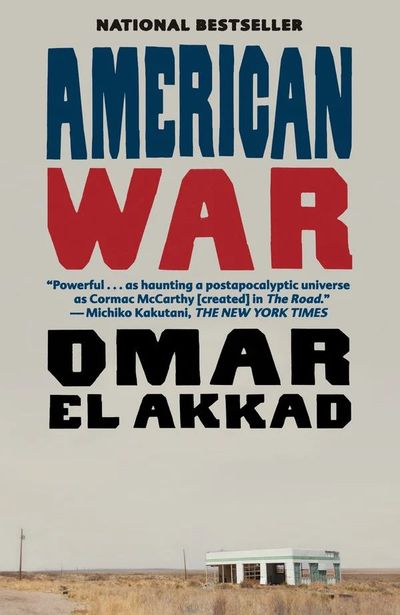
The second American Civil War. Told by a Southern refugee.
✦ READ – REFLECT → RESIST
A True History of the United States
Daniel Sjursen
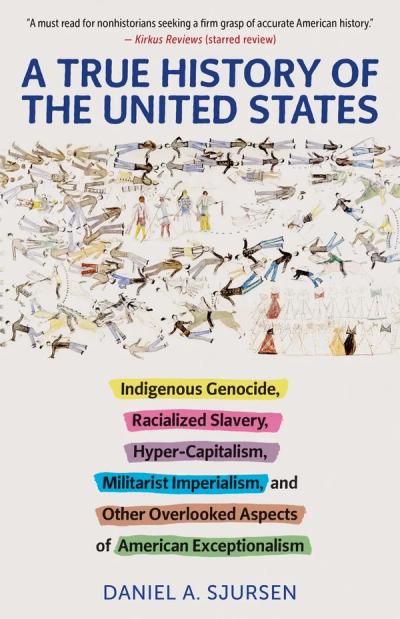
Spoiler: it’s not the one you learned.
✦ READ – REFLECT → RESIST
The Reluctant Fundamentalist
Mohsin Hamid
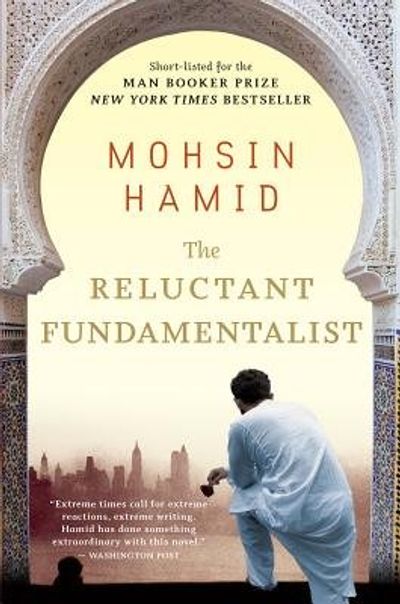
A Pakistani man in New York watches America turn against him.
✦ READ – REFLECT → RESIST
Same pattern, different era
Different time, different place. The same thing keeps happening.
Aristophanes' Lysistrata: A Dual Language Edition
Aristophanes
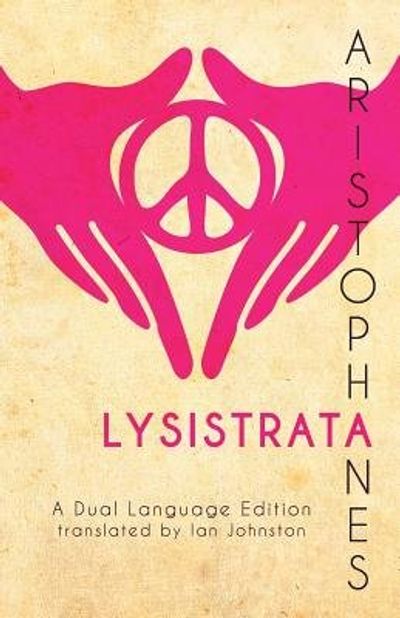
The oldest sex strike in history. Still works.
✦ READ – REFLECT → RESIST
Home to Stay!: The Complete Ray Bradbury EC Stories
Ray Bradbury
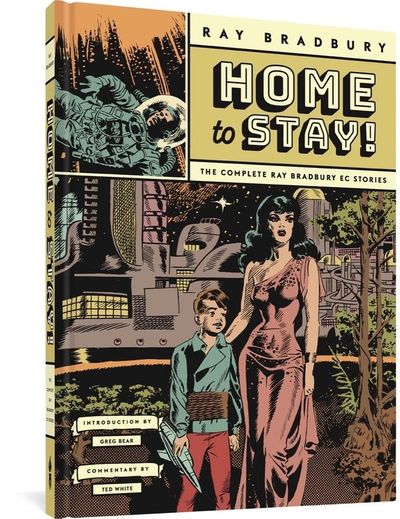
The stories Fredric Wertham needed you not to read.
✦ READ – REFLECT → RESIST
Slaughterhouse-Five
Kurt Vonnegut
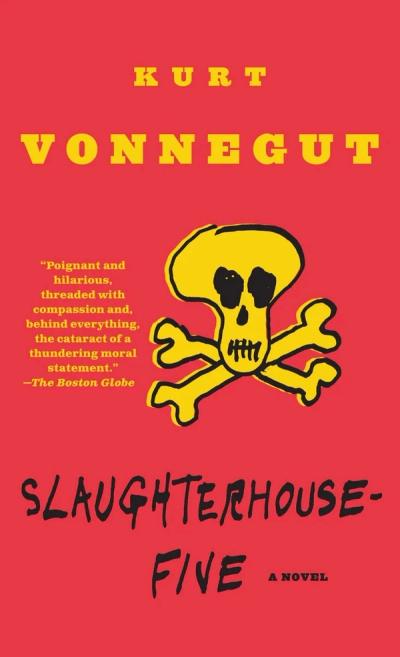
Trauma, time travel, and tinfoil hats.
✦ READ – REFLECT → RESIST
Catch-22
Joseph Heller
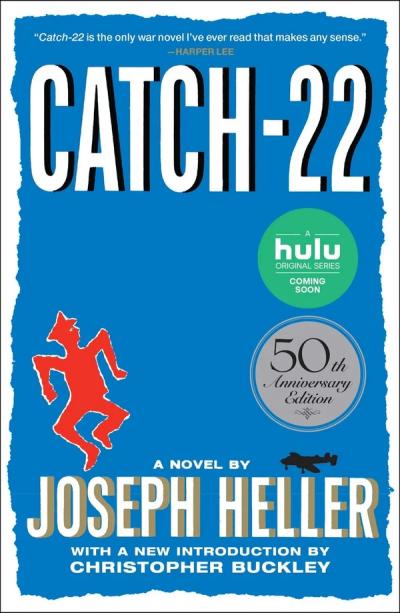
War’s dumbest logic, perfectly told.
✦ READ – REFLECT → RESIST
For the family bookshelf
Same idea, written for a younger reader. Good for reading together.
Zeitoun
Dave Eggers
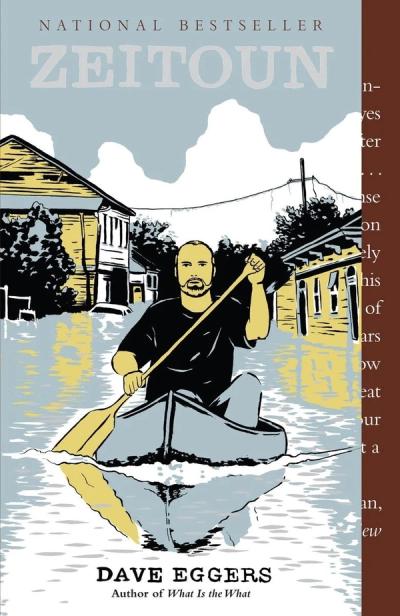
He stayed to help after Katrina. They arrested him instead.
✦ READ – REFLECT → RESIST
Little Brother
Cory Doctorow
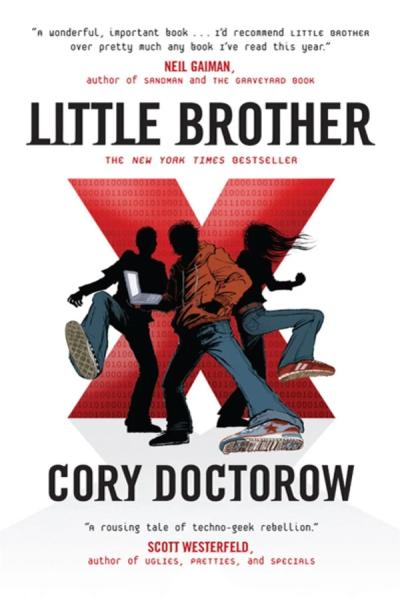
Wrong place, wrong time. Now DHS is watching him. He fights back.
✦ READ – REFLECT → RESIST
House of Leaves
Mark Z. Danielewski
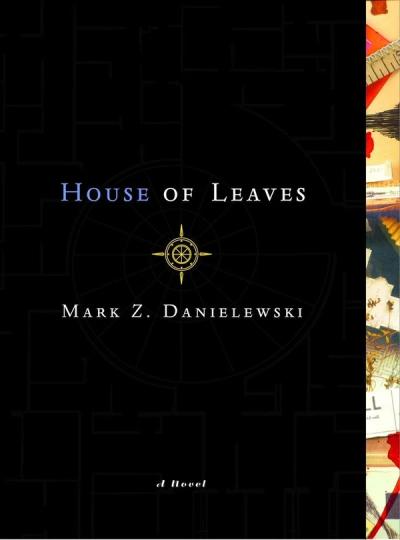
The house is bigger inside. The novel proves it with footnotes.
✦ READ – REFLECT → RESIST
Sulwe
Lupita Nyong'o
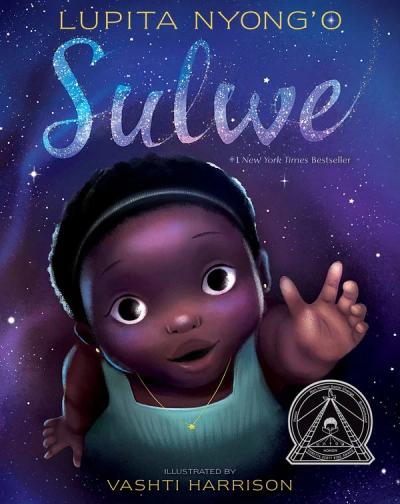
The darkest star learns to shine.
✦ READ – REFLECT → RESIST