
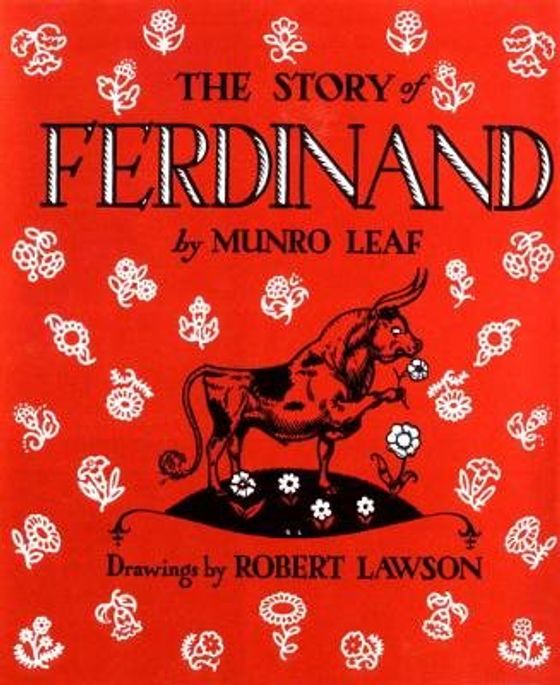
The Story of Ferdinand
by Munro Leaf
The bull who wouldn't fight.
For you if
your kid would rather sit and smell the flowers than do what is expected.
⚡ Choose Your Route ⚡
Not sold directly on this site. Support indie bookstores with a new copy, or go sustainable with a used one.
Buy New on Bookshop.orgSupports independent bookstores
— OR —
Find Used on Better World BooksSecondhand & sustainable
$18 MSRP · Hardcover
Reference price shown. Other editions may be available.
A bull who would rather smell the flowers than fight is mistaken for a ferocious beast and hauled off to Madrid, where he sits down in the ring and refuses. That is the whole plot, and it is why dictators hated it. Kids get it in one read: you do not have to be what everyone expects, and not fighting can be a decision.
Where This Book Lives
Published in 1936, months before the Spanish Civil War, and read as pacifist propaganda. Per Sotheby's, it was banned in Franco's Spain until his death in 1975 and in Nazi Germany, where Hitler reportedly demanded it be destroyed. Spain and Germany are not in the ban-jurisdiction table, so isBanned is false here; create those jurisdictions in Studio if you want the banned-books treatment. After reading, ask: why would a dictator be afraid of a bull who sits down? Confirm the hardcover price.
Related Viewing
Shares a topic, theme, or setting with this book in the catalog.
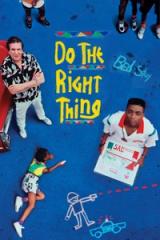
Do the Right Thing(1989)
dir. Spike Lee
Same theme: Nonviolent Resistance
A hot day in Bed-Stuy. Who's right when it burns?
The hottest day of the summer on one block of Bedford-Stuyvesant, Brooklyn. A neighborhood pizzeria run by an Italian-American family, a gentrifying block, a wall of photos that someone wants changed, and a heat wave that wears everyone's patience thin until a police killing sets the block alight.
Why it’s here: The punk move is the refusal: Spike Lee ends the film by quoting both Martin Luther King Jr. and Malcolm X back to back and declines to tell you which one is right, or whether the climactic act counts as the right thing at all. The pedagogy follows from that. Every character gets a real argument, so the film works as a discussion engine instead of a lecture, and it shows how everyday friction (a wall of photos, a boombox, a bike scuffed by a sneaker) builds toward something state violence then ignites. It has also drawn real critique over how it handles its women and its Korean grocers, so watch it as a contested argument, not a verdict.
Where to watch: Rent on Fandango at HomeLetterboxd ↗
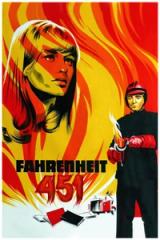
Fahrenheit 451(1966)
dir. François Truffaut
Same theme: Book Banning
Burning books to keep everyone happy.
In a future where books are outlawed, fireman Guy Montag burns forbidden literature for a living until a young woman's curiosity about reading unsettles his loyalty to the system. Truffaut's only English-language film, adapted from Ray Bradbury's novel.
Why it’s here: Punk in imagining resistance as an act of memory — the "book people" who become the books they refuse to let die. Pedagogical in showing censorship dressed up as compassion, a government that burns literature "for everyone's peace of mind."
Where to watch: Rent/buy: Fandango at HomeLetterboxd ↗
Same pattern, different era
Different time, different place. The same thing keeps happening.
Fun Home: A Family Tragicomic
Alison Bechdel
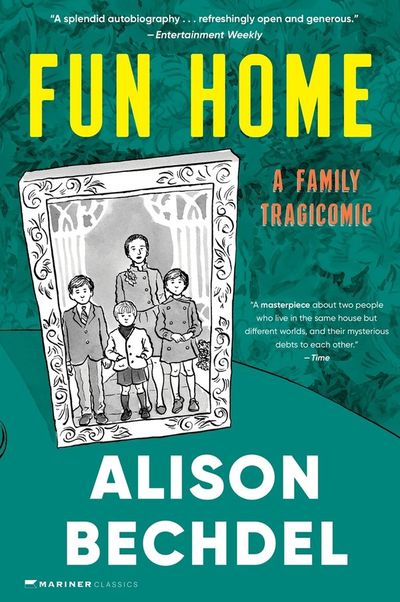
The memoir that made the closet visible.
✦ READ – REFLECT → RESIST
The Absolutely True Diary of a Part-Time Indian
Sherman Alexie
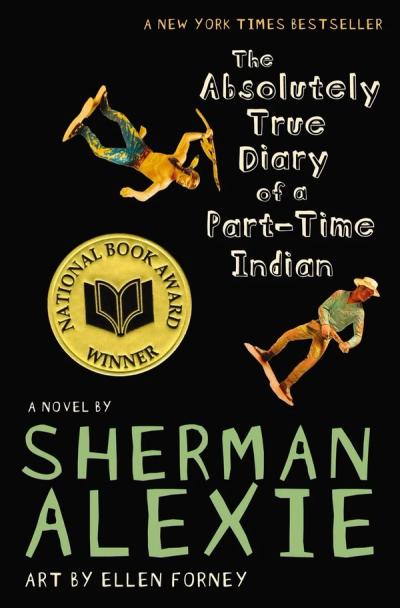
A reservation kid goes to the white school. Everyone loses.
✦ READ – REFLECT → RESIST
Last Exit to Brooklyn
Hubert Selby Jr.
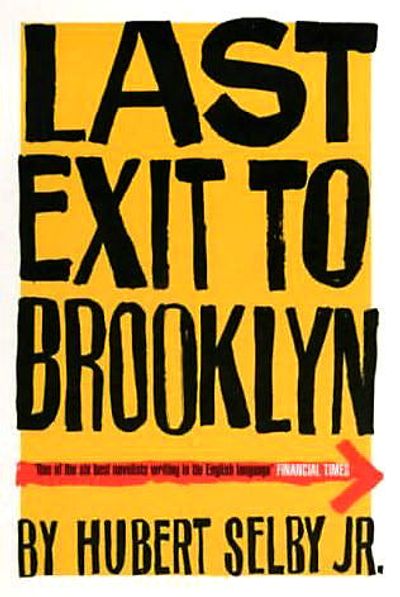
Brooklyn's underworld. No exits. No comfort. All true.
✦ READ – REFLECT → RESIST
Be You!
Peter H. Reynolds
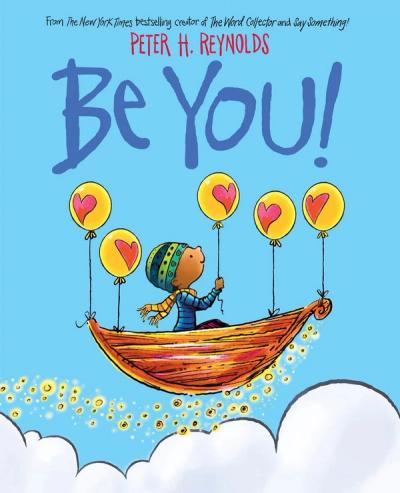
Be true. Be different. Be you. That's the whole book.
✦ READ – REFLECT → RESIST
For the grown-up bookshelf
Same idea, written for a grown-up. Good for the adult in the room, too.
Banned Book Club
Kim Hyun Sook and Ryan Estrada (art by Ko Hyung-Ju)
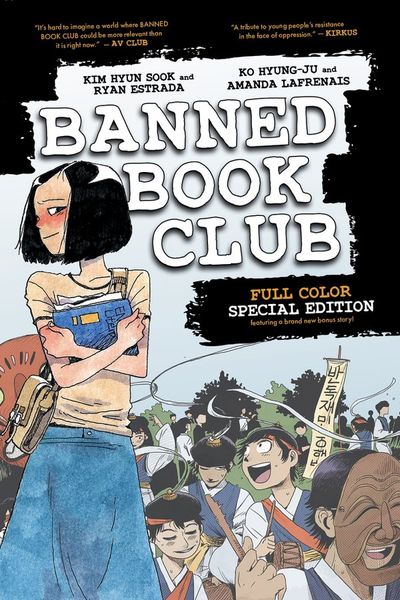
A secret reading group. A dictatorship. Real arrests.
✦ READ – REFLECT → RESIST
Bartleby, the Scrivener
Herman Melville
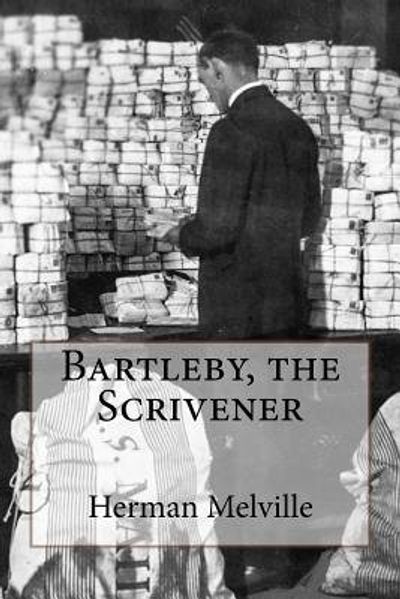
"I would prefer not to," the original refusal.
✦ READ – REFLECT → RESIST
Black Boy
Richard Wright
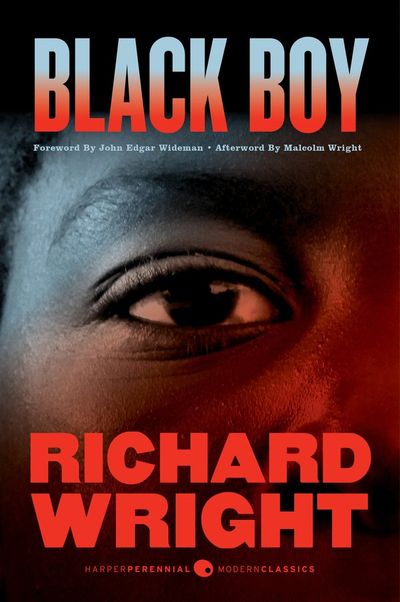
The autobiography Jim Crow didn't want written.
✦ READ – REFLECT → RESIST
Burning the Books: A History of Knowledge Under Attack
Richard Ovenden
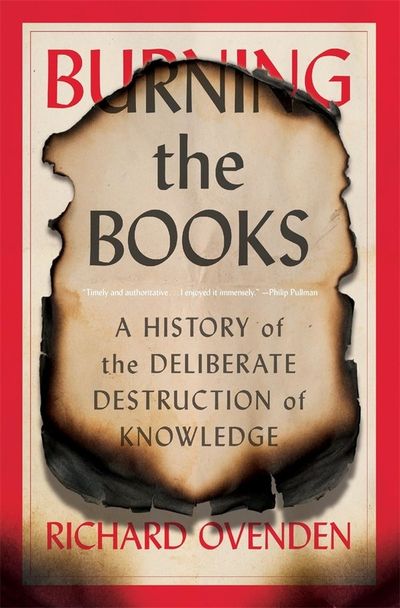
Knowledge was always the target.
✦ READ – REFLECT → RESIST