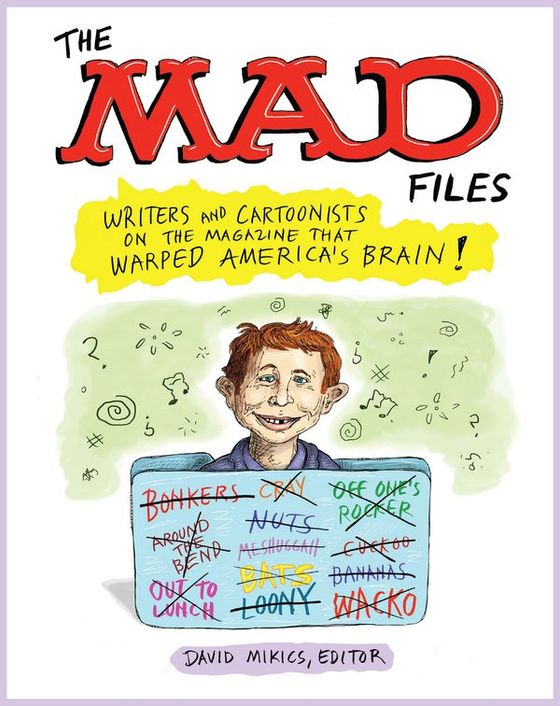
The MAD Files: Writers and Cartoonists on the Magazine That Warped America's Brain!
by David Mikics (ed.)
Why MAD taught kids to distrust everything.
For you if
you want to know how a goofy magazine made a generation allergic to being sold things.
⚡ Choose Your Route ⚡
Not sold directly on this site. Support indie bookstores with a new copy, or go sustainable with a used one.
Buy New on Bookshop.orgSupports independent bookstores
— OR —
Find Used on Better World BooksSecondhand & sustainable
$22 MSRP · Paperback
Reference price shown. Other editions may be available.
This is the book that takes MAD seriously without killing the joke. Twenty-six essays and comics from people who grew up on the magazine, including Art Spiegelman, Roz Chast, and Adam Gopnik, make the case that MAD was a civics education in disguise. Spiegelman says he learned about America from it, not from his immigrant parents. Gopnik argues the 1950s were far less conformist than the myth says, and other essays dig into the magazine's Jewish roots, its movie spoofs, and the women artists history forgot. Read it to see how a goofy newsstand magazine trained a generation to distrust the sales pitch.
Where This Book Lives
MAD's original issues are mostly out of print or collector-priced, so this is the way in. The seam to know about: it's a celebration written largely by fans and alumni, so expect affection over structural critique. The strongest pieces are the ones that argue with the myth of the conformist fifties and the ones that restore the people the story usually leaves out. Best read alongside whatever MAD you can find.
Stories About This Book
Related Viewing
Shares a topic, theme, or setting with this book in the catalog.
Dr. Strangelove or: How I Learned to Stop Worrying and Love the Bomb(1964)
dir. Stanley Kubrick
Same event: Cold War · Same theme: Satire and Power
Laughing so you don't scream, since 1964.
A rogue Air Force general triggers an unrecallable nuclear strike on the USSR, and the War Room scrambles — bureaucratically, absurdly — to stop the end of the world.
Why it’s here: The original 'laugh so you don't scream' text — mutually assured destruction played entirely for farce, and the farce is the argument: absurdity is what nuclear brinkmanship actually looks like from the inside.
Where to watch: Rent on Apple TV, AmazonLetterboxd ↗
Hearts and Minds(1974)
dir. Peter Davis
Same event: Cold War
Vietnam, in the words of those who waged it.
A documentary about the American war in Vietnam, made while the war was still being fought. Davis intercuts interviews with generals, officials, pilots, veterans, grieving Vietnamese families and ordinary Americans, setting the language of policy against what that policy did on the ground and at home.
Why it’s here: The punk move is the editing: Davis lets the war's architects talk at length, then cuts their words against a funeral, a bombed village or a cheering football crowd, and trusts the audience to feel the gap. The pedagogy is in how the film teaches viewers to hear the language of power, euphemism and abstraction included, while looking at what it covers up. Worth knowing that the juxtaposition is the argument, and General Westmoreland and others objected that their words were framed unfairly, so watch it as a persuasive documentary, not a neutral record.
Where to watch: Criterion Channel, HBO MaxLetterboxd ↗
Same event, different angle
The same history — told by someone who saw it differently.
Autocracy, Inc.: The Dictators Who Want to Run the World
Anne Applebaum
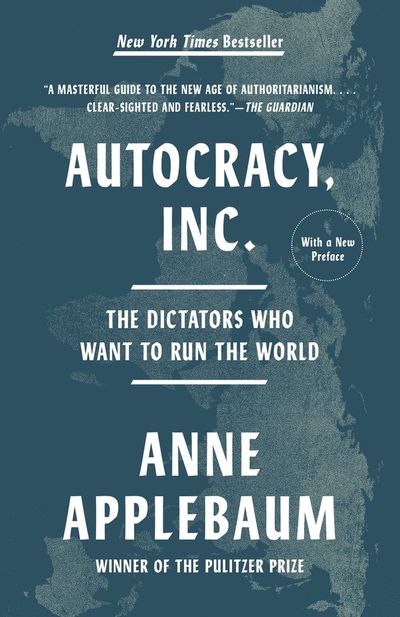
The network behind every strongman.
✦ READ – REFLECT → RESIST
The Hidden Persuaders
Vance Packard
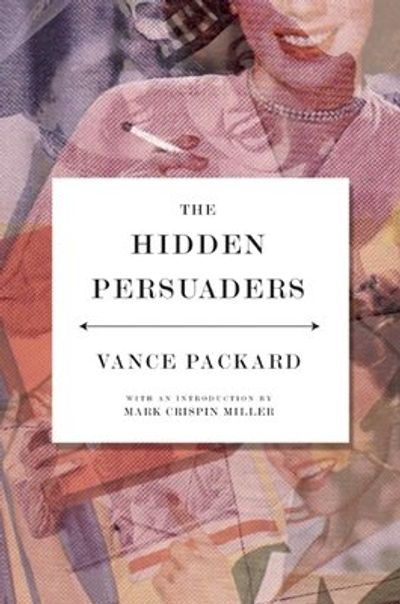
Your desires were engineered. You just lived them.
✦ READ – REFLECT → RESIST
Home to Stay!: The Complete Ray Bradbury EC Stories
Ray Bradbury
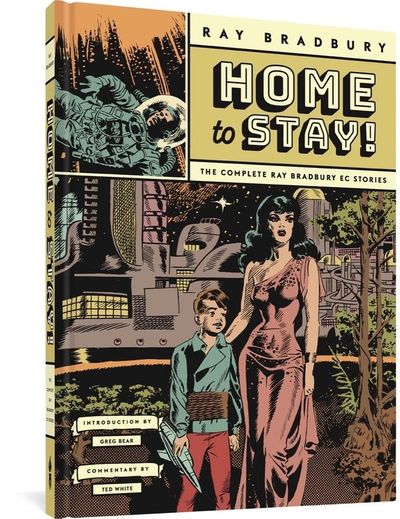
The stories Fredric Wertham needed you not to read.
✦ READ – REFLECT → RESIST
Merchants of Doubt
Naomi Oreskes & Erik M. Conway
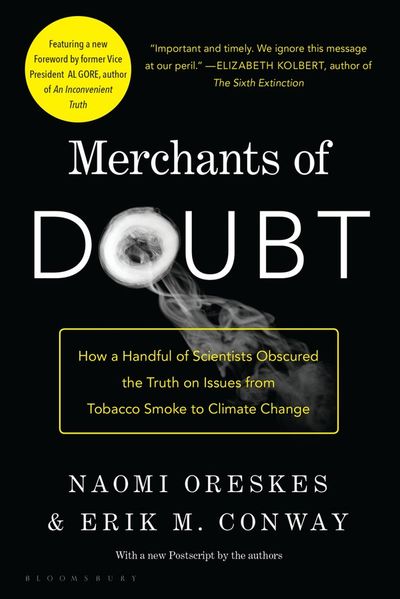
How doubt gets manufactured on purpose.
✦ READ – REFLECT → RESIST
Same pattern, different era
Different time, different place. The same thing keeps happening.
Aristophanes' Lysistrata: A Dual Language Edition
Aristophanes
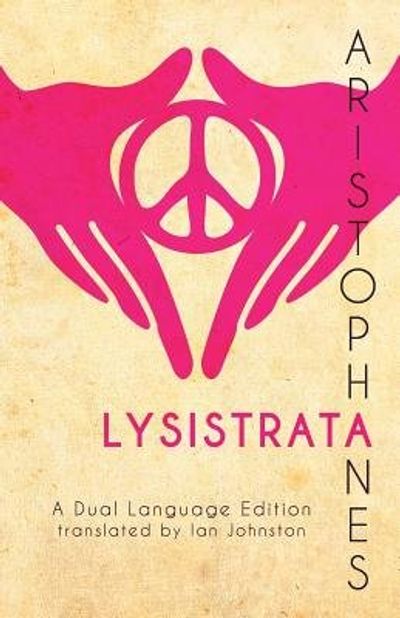
The oldest sex strike in history. Still works.
✦ READ – REFLECT → RESIST
Birchers: How the John Birch Society Radicalized the American Right
Matthew Dallek

The fringe that ate the Republican Party.
✦ READ – REFLECT → RESIST
Boys & Sex
Peggy Orenstein
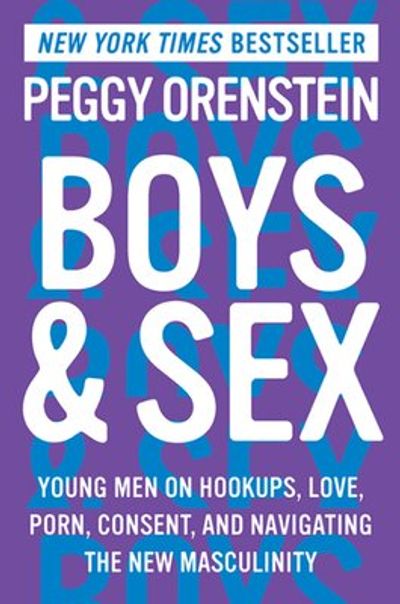
Ask boys about sex. Then listen.
✦ READ – REFLECT → RESIST
Breathless
Jennifer Niven

A teen girl writes her own story.
✦ READ – REFLECT → RESIST
For the family bookshelf
Same idea, written for a younger reader. Good for reading together.