
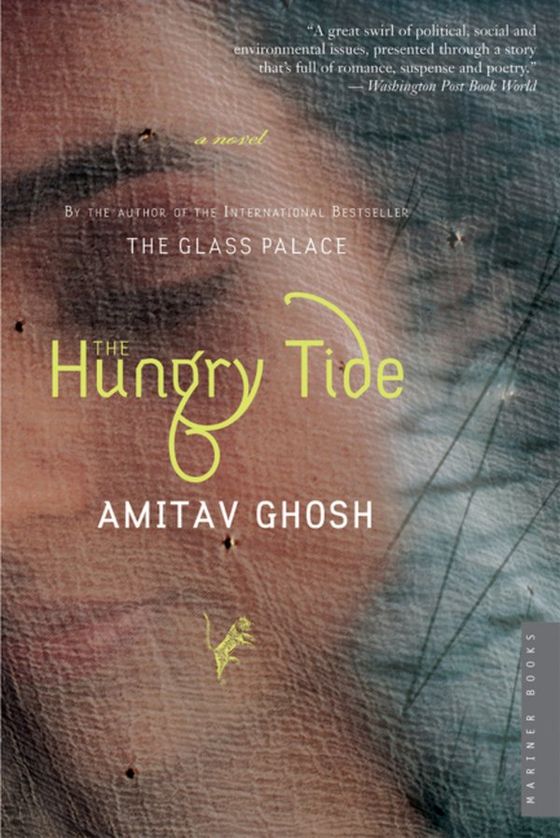
The Hungry Tide
by Amitav Ghosh
Tigers, tides, and the refugees nobody protected.
For you if
you're watching climate collide with the people who have the least say.
⚡ Choose Your Route ⚡
Not sold directly on this site. Support indie bookstores with a new copy, or go sustainable with a used one.
Buy New on Bookshop.orgSupports independent bookstores
— OR —
Find Used on Better World BooksSecondhand & sustainable
$17 MSRP · Paperback
Reference price shown. Other editions may be available.
A cetologist and a translator land in the Sundarbans, the tidal forests at the edge of India and Bangladesh, where tigers, flooding and the memory of a refugee massacre share the same mud. Ghosh builds a love story, a research trip and a political history into one book, and it asks whose lives count when a government decides to protect an animal over the people living beside it.
Where This Book Lives
- Setting
- India
- Voice
- Written by a Indian author
- Themes
- after empireclass inequalityclimate changedisplacementhuman impact on naturelanguage and identitynature vs civilization
- Topics
- partition of india
Ghosh is one of South Asia's major novelists, and The Shadow Lines is already in the catalog. This one reaches the Morichjhapi massacre of 1979, which most readers outside Bengal have never heard of. It also reads as an early climate novel.
Related Viewing
Shares a topic, theme, or setting with this book in the catalog.

Earth(1998)
dir. Deepa Mehta
Same event: Partition of India
A child's-eye view of a nation splitting apart.
In 1947 Lahore, an eight-year-old girl from a wealthy Parsi family watches her beloved nanny's circle of Hindu, Muslim, and Sikh friends turn on one another as Partition tears the city apart. Adapted from Bapsi Sidhwa's novel Cracking India.
Why it’s here: Punk in filtering Partition's violence through a child's understanding rather than a historian's distance — Lenny watches trusted adults turn on each other seemingly overnight. Pedagogical in showing how quickly manufactured religious division can override decades of actual, lived friendship.
Where to watch: Streaming on NetflixLetterboxd ↗
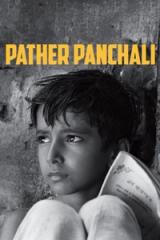
Pather Panchali(1955)
dir. Satyajit Ray
Same country: India
Poverty through a child’s eyes, no lecture.
A poor Brahmin family in a Bengal village: a father who dreams of being a poet and cannot earn a living, a mother holding the household together, a mischievous older sister, Durga, and a small boy, Apu, who watches everything. Over a few seasons, the film follows their days, a train glimpsed through the fields, a monsoon, a death. It is the first of the Apu Trilogy, made on a tiny budget with first-time actors.
Why it’s here: The film looks at poverty through the eyes of a child and never lectures. What's punk is that it was made by a first-time director with borrowed money and non-professional cast, and it changed world cinema. What's pedagogical is the slowness: it teaches you to see a life carefully. It sits next to A Fine Balance and the other South Asian titles in the catalog, and Satyajit Ray is a core film-school name.
Where to watch: Criterion Channel (subscription)Letterboxd ↗
Same event, different angle
The same history — told by someone who saw it differently.
Midnight's Children
Salman Rushdie
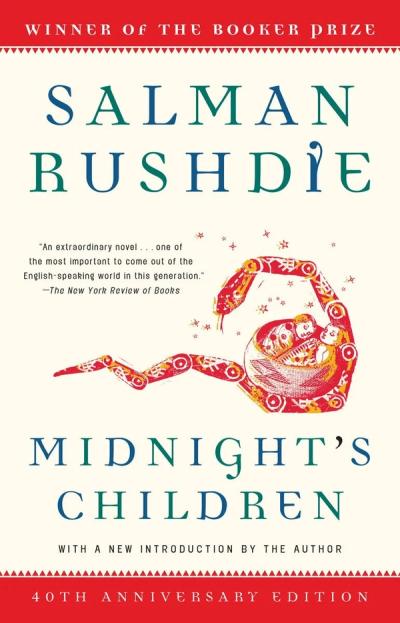
Born at midnight on independence day. Handcuffed to history.
✦ READ – REFLECT → RESIST
Cracking India
Bapsi Sidhwa
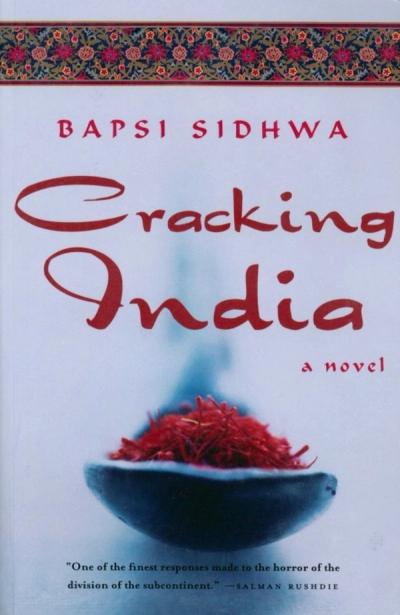
A Lahore girl watches Partition arrive in her neighborhood.
✦ READ – REFLECT → RESIST
Train to Pakistan
Khushwant Singh
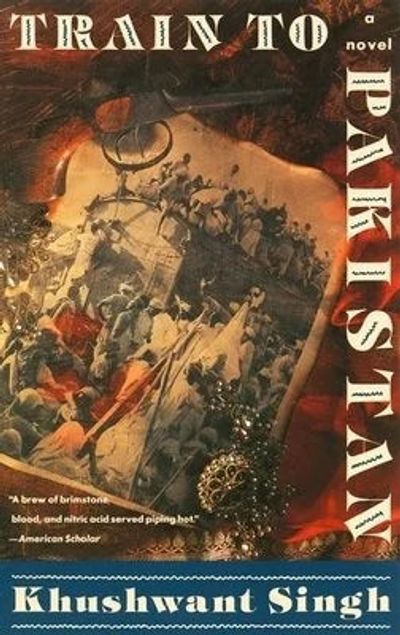
A border village in 1947. The trains arrive carrying bodies.
✦ READ – REFLECT → RESIST
Tamas
Bhisham Sahni

Four days of Partition violence. Every side. No heroes.
✦ READ – REFLECT → RESIST
Same pattern, different era
Different time, different place. The same thing keeps happening.
Decolonising the Mind: The Politics of Language in African Literature
Ngũgĩ wa Thiong'o
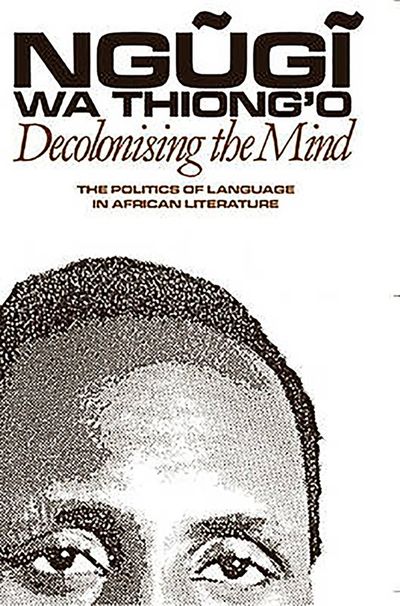
The colonizer’s real weapon was the classroom.
✦ READ – REFLECT → RESIST
Late Victorian Holocausts: El Niño Famines and the Making of the Third World
Mike Davis
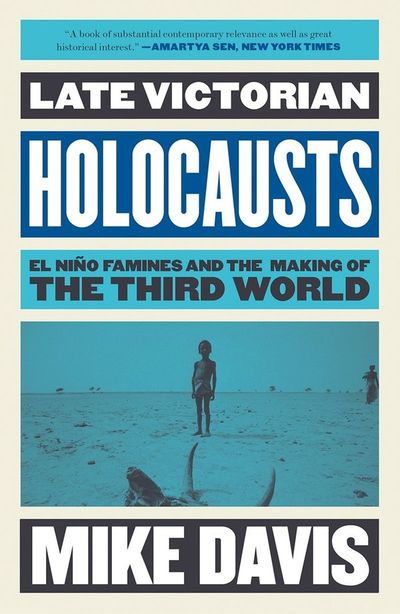
Famine as imperial policy.
✦ READ – REFLECT → RESIST
Season of Migration to the North
Tayeb Salih
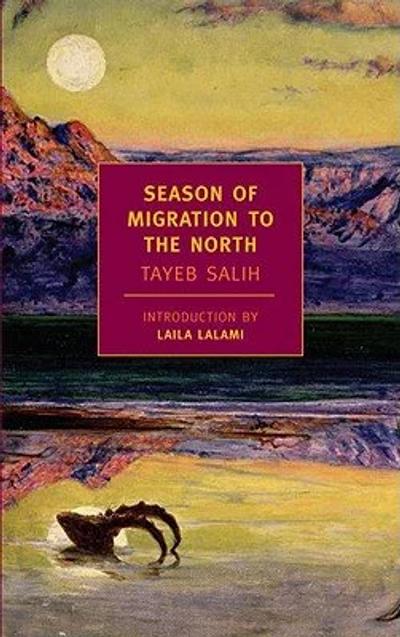
Conrad wrote Africa into shadow. Salih wrote back.
✦ READ – REFLECT → RESIST
The Ragged-Trousered Philanthropists
Robert Tressell
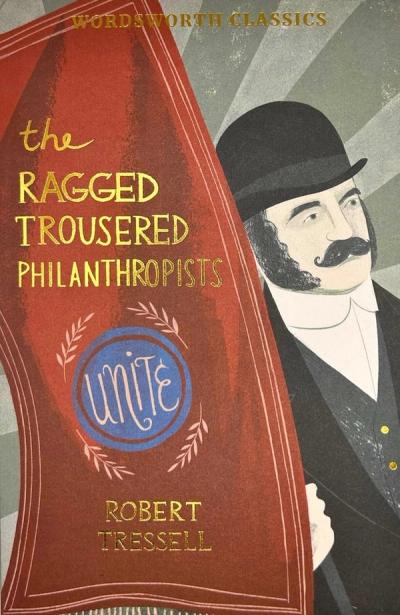
Working-class rage before it was trending.
✦ READ – REFLECT → RESIST
Flip the lens
Same country. Now hear it from the other side.
Behind the Beautiful Forevers
Katherine Boo
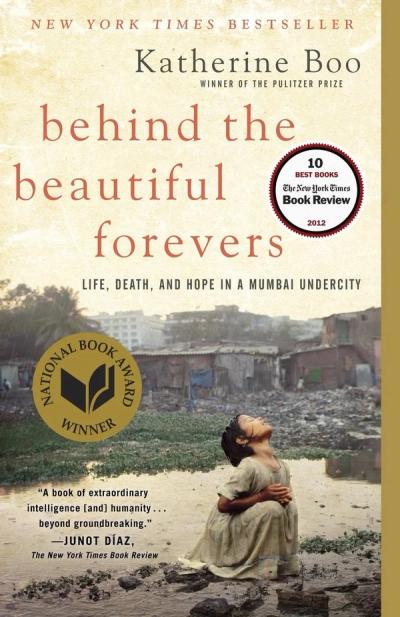
A Mumbai slum in the shadow of luxury hotels. Three years inside.
✦ READ – REFLECT → RESIST
Caste
Isabel Wilkerson
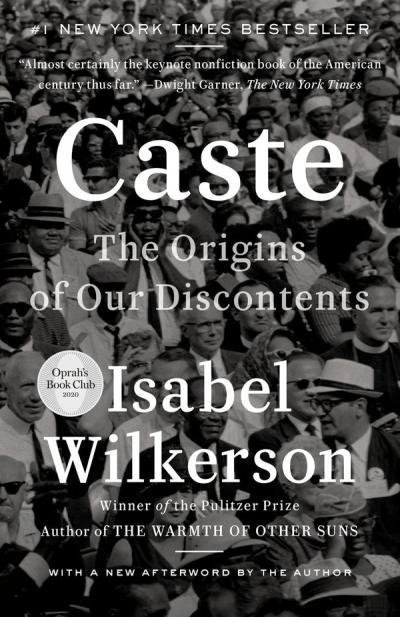
India, America, Nazi Germany. Three caste systems. One logic.
✦ READ – REFLECT → RESIST
Sold
Patricia McCormick

How trafficking actually works. In verse.
✦ READ – REFLECT → RESIST
For the family bookshelf
Same idea, written for a younger reader. Good for reading together.
Amal Unbound
Aisha Saeed

The debt wasn't hers. The cage is.
✦ READ – REFLECT → RESIST
Other Words for Home
Jasmine Warga
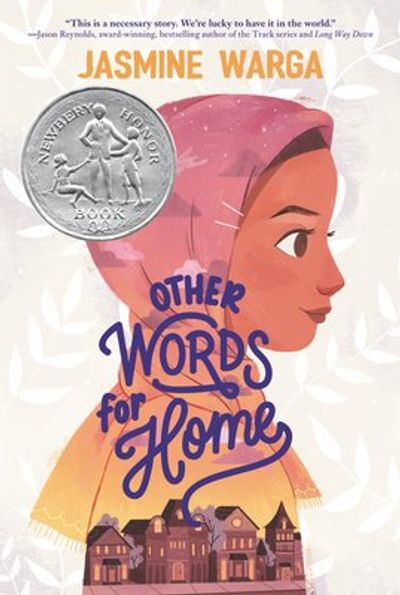
A Syrian girl’s first year in America.
✦ READ – REFLECT → RESIST
The Wild Robot
Peter Brown

Heartfelt survival with metal parts.
✦ READ – REFLECT → RESIST
Dry
Neal Shusterman & Jarrod Shusterman

Southern California runs out of water. On a Tuesday. Everything breaks.
✦ READ – REFLECT → RESIST