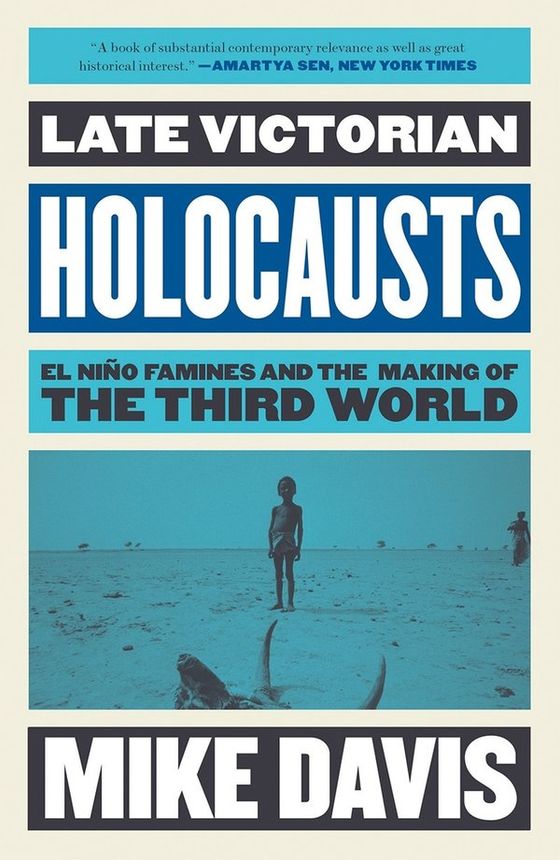
Late Victorian Holocausts: El Niño Famines and the Making of the Third World
by Mike Davis
Famine as imperial policy.
For you if
you suspect disasters have more to do with who's in charge than with the weather.
⚡ Choose Your Route ⚡
Not sold directly on this site. Support indie bookstores with a new copy, or go sustainable with a used one.
Buy New on Bookshop.orgSupports independent bookstores
— OR —
Find Used on Better World BooksSecondhand & sustainable
$25 MSRP · Paperback
Reference price shown. Other editions may be available.
Between 1876 and 1902, droughts tied to El Niño killed tens of millions across India, China and Brazil, and Davis shows the weather was only half of it. Free-market doctrine, colonial tax collection and grain exports turned a natural disaster into a policy choice, while London preached self-reliance to people it was starving. After this, you stop reading 'famine' as an act of God.
Where This Book Lives
Pass with note: relentlessly grim and statistics-heavy, with a few contested death-toll estimates, so treat it as argument plus evidence. It pushes the catalog's empire shelf into India, China and Brazil. Closest relative: King Leopold's Ghost.
Related Viewing
Shares a topic, theme, or setting with this book in the catalog.
13th(2016)
dir. Ava DuVernay
Same theme: Structural Violence
The 13th Amendment's loophole built a prison nation.
Ava DuVernay's documentary traces one clause of the 13th Amendment, which abolished slavery except as punishment for a crime, from Reconstruction convict leasing through Jim Crow, the War on Drugs and the modern prison boom. Historians, activists and politicians make the case that mass incarceration is slavery's afterlife by another legal name.
Why it’s here: The punk move is the thesis itself: it reads the Constitution's own text as the loophole and then follows the money and the rhetoric, including footage of the politicians who built the machine, straight to the present. The pedagogy is in the method. It teaches a viewer to trace a single policy lever across 150 years instead of treating each era as a separate story, which is a transferable habit of mind. Worth knowing that some historians argue its straight line from slavery to prisons flattens a more tangled history, so watch it as a forceful argument rather than a settled account.
Where to watch: Streaming on NetflixLetterboxd ↗
American Factory(2019)
dir. Steven Bognar & Julia Reichert
Same theme: Capitalism Critique
No villain speech. Just what actually happens.
A Chinese-owned auto-glass plant reopens a shuttered Ohio GM factory, and cultural and labor tensions surface as American and Chinese workers try to build something together.
Why it’s here: Refuses the easy version of this story — nobody here is simply the hero or the problem, Chinese management included. The first film the Obamas' production company ever released, and it earns that distinction by trusting the footage over a thesis.
Where to watch: Streaming on NetflixLetterboxd ↗
Same event, different angle
The same history — told by someone who saw it differently.
Capitalism and Slavery
Eric Williams
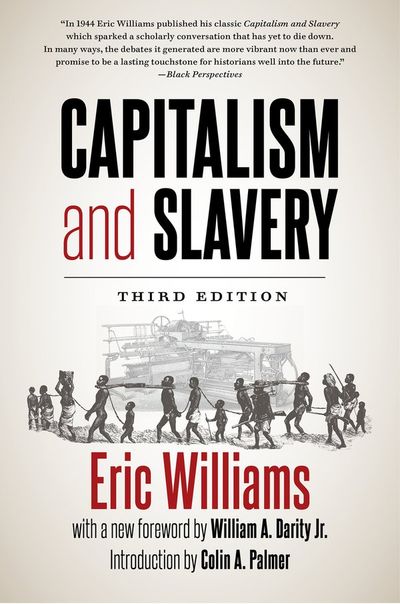
Slavery didn't fund empire. Slavery WAS empire.
✦ READ – REFLECT → RESIST
Gulliver's Travels
Jonathan Swift

Swift's mean, necessary joke about rulers.
✦ READ – REFLECT → RESIST
Nervous Conditions
Tsitsi Dangarembga
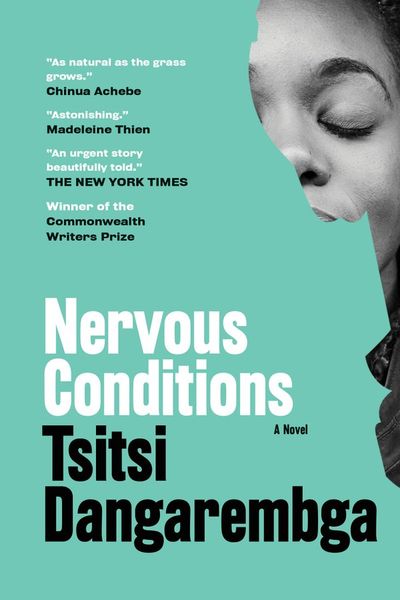
The education that includes you and erases you.
✦ READ – REFLECT → RESIST
Season of Migration to the North
Tayeb Salih
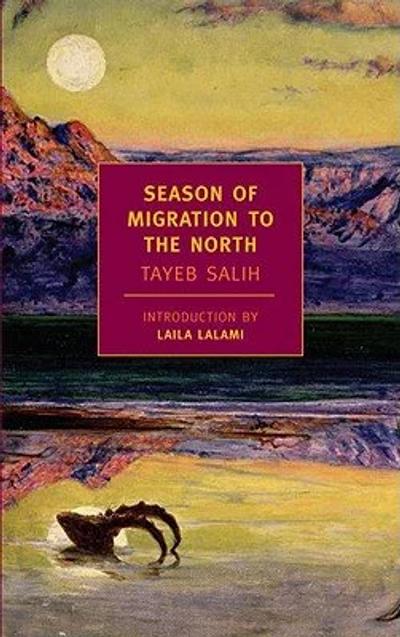
Conrad wrote Africa into shadow. Salih wrote back.
✦ READ – REFLECT → RESIST
Same pattern, different era
Different time, different place. The same thing keeps happening.
Capitalism and Slavery
Eric Williams
Slavery didn't fund empire. Slavery WAS empire.
✦ READ – REFLECT → RESIST
Doughnut Economics
Kate Raworth
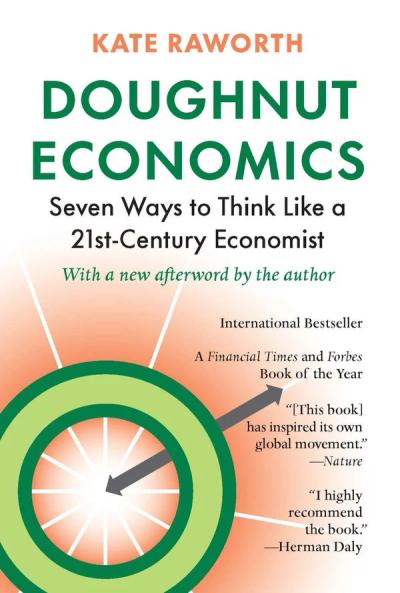
The economy we need, drawn as a doughnut.
✦ READ – REFLECT → RESIST
Enshittification: Why Everything Suddenly Got Worse and What to Do About It
Cory Doctorow
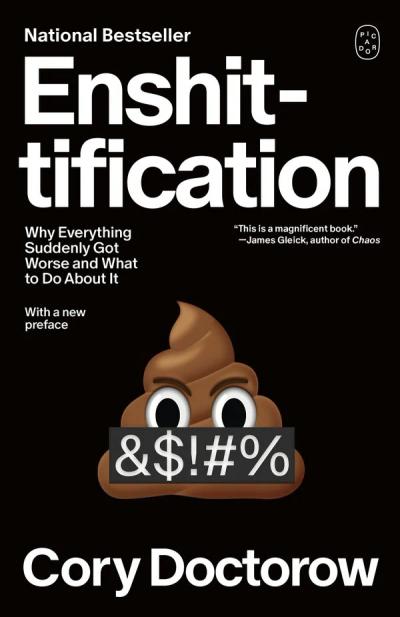
Why your favorite app got worse on purpose.
✦ READ – REFLECT → RESIST
The Ethnic Cleansing of Palestine
Ilan Pappé
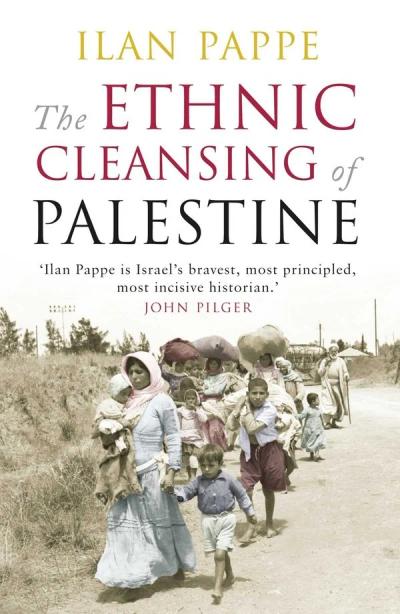
Plan Dalet. Village by village.
✦ READ – REFLECT → RESIST
For the family bookshelf
Same idea, written for a younger reader. Good for reading together.