
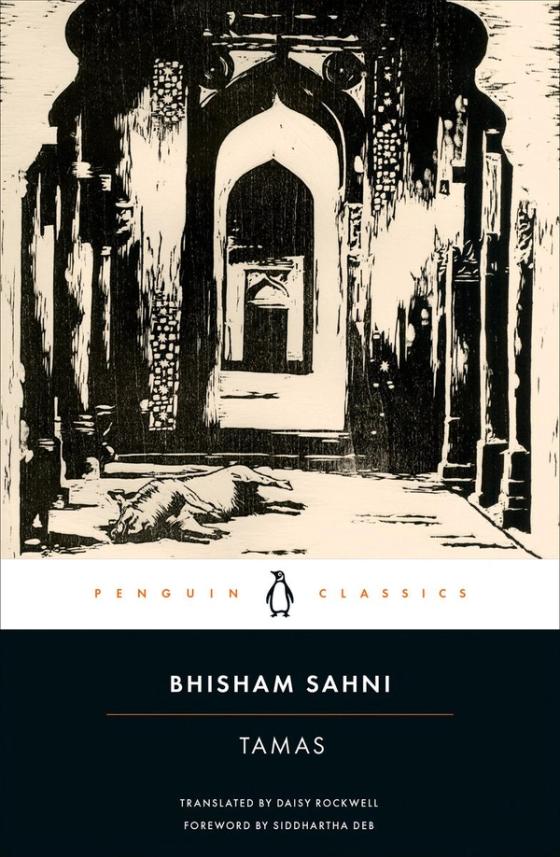
Tamas
by Bhisham Sahni
Four days of Partition violence. Every side. No heroes.
For you if
you want to understand how ordinary people become perpetrators of communal violence and what makes that possible
⚡ Choose Your Route ⚡
Not sold directly on this site. Support indie bookstores with a new copy, or go sustainable with a used one.
Buy New on Bookshop.orgSupports independent bookstores
— OR —
Find Used on Better World BooksSecondhand & sustainable
$18 MSRP
Reference price shown. Other editions may be available.
Four days of communal violence during Partition, told from multiple perspectives — a Hindu tanner, a Muslim leather worker, a Congress politician, a British officer, a Sikh family trying to survive. Sahni was a witness to Partition and wrote this thirty years later, when India was again experiencing communal violence. Tamas means darkness in Hindi. The novel refuses to assign blame to one community — it shows how violence erupts from the intersection of political manipulation, economic fear, and the specific human capacity for cruelty toward neighbors. The most morally rigorous Partition dispatch on this shelf.
Where This Book Lives
- Setting
- India • South Asia
- Voice
- Written by a Indian author
- Topics
- partition of india
Related Viewing
Shares a topic, theme, or setting with this book in the catalog.
Earth(1998)
dir. Deepa Mehta
A child's-eye view of a nation splitting apart.
In 1947 Lahore, an eight-year-old girl from a wealthy Parsi family watches her beloved nanny's circle of Hindu, Muslim, and Sikh friends turn on one another as Partition tears the city apart. Adapted from Bapsi Sidhwa's novel Cracking India.
Why it’s here: Punk in filtering Partition's violence through a child's understanding rather than a historian's distance — Lenny watches trusted adults turn on each other seemingly overnight. Pedagogical in showing how quickly manufactured religious division can override decades of actual, lived friendship.
He Named Me Malala(2015)
dir. Davis Guggenheim
Shot for speaking up. She spoke up again.
After surviving a Taliban assassination attempt for advocating girls' education, Pakistani teenager Malala Yousafzai becomes a global activist and the youngest Nobel Peace laureate.
Why it’s here: Malala is centered as a real teenager, not just a symbol — impatient with her brothers, self-conscious about crushes, alongside the advocacy. Both things are true about her at once, and the film doesn't flatten her into only one.
Same event, different angle
The same history — told by someone who saw it differently.
Midnight's Children
Salman Rushdie
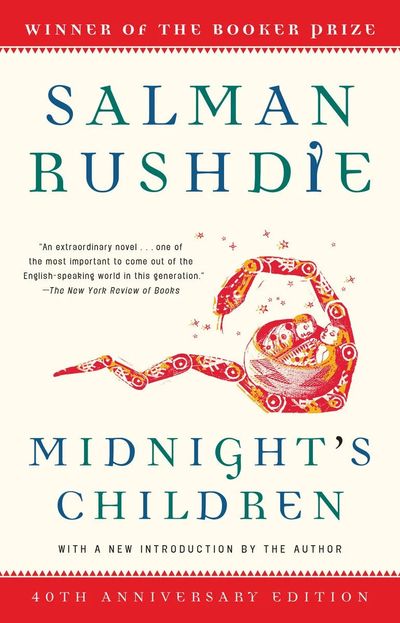
Born at midnight on independence day. Handcuffed to history.
✦ READ – REFLECT → RESIST
Cracking India
Bapsi Sidhwa
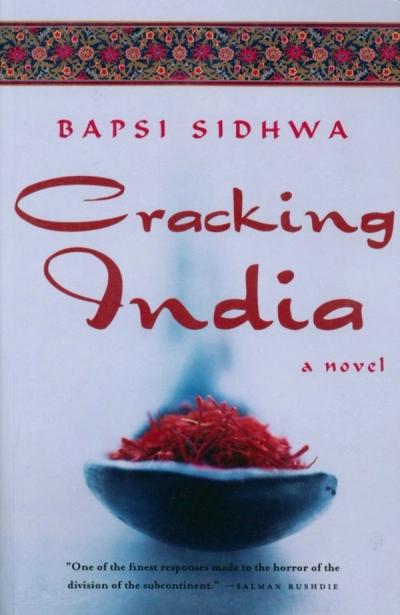
A Lahore girl watches Partition arrive in her neighborhood.
✦ READ – REFLECT → RESIST
Train to Pakistan
Khushwant Singh
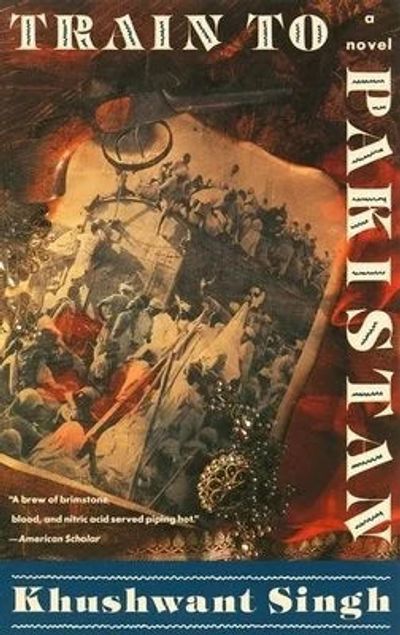
A border village in 1947. The trains arrive carrying bodies.
✦ READ – REFLECT → RESIST
The Shadow Lines
Amitav Ghosh
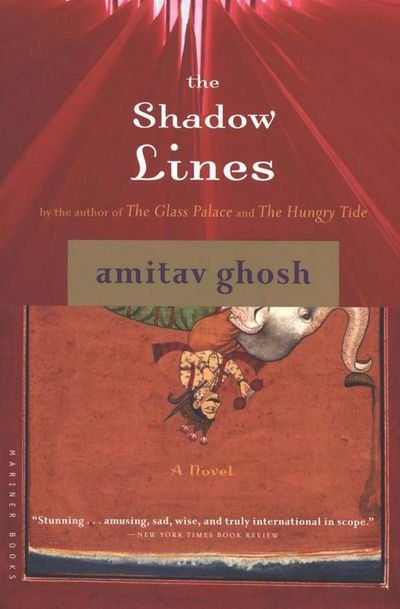
The borders between nations are imaginary. The deaths are real.
✦ READ – REFLECT → RESIST
Same pattern, different era
Different time, different place. The same thing keeps happening.
Flip the lens
Same country. Now hear it from the other side.
Behind the Beautiful Forevers
Katherine Boo
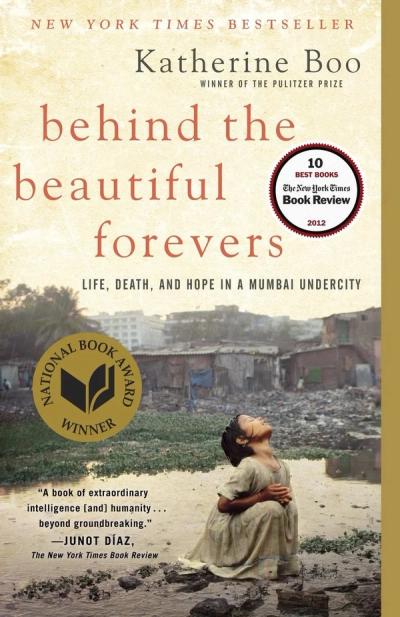
A Mumbai slum in the shadow of luxury hotels. Three years inside.
✦ READ – REFLECT → RESIST
Caste
Isabel Wilkerson
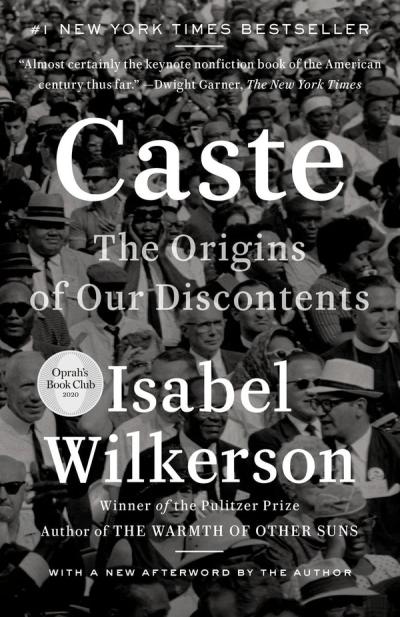
India, America, Nazi Germany. Three caste systems. One logic.
✦ READ – REFLECT → RESIST
Sold
Patricia McCormick
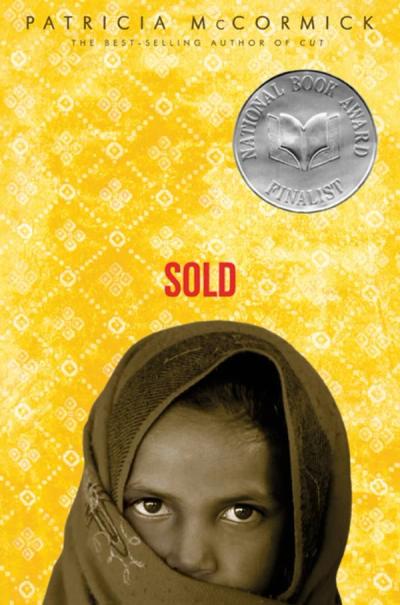
How trafficking actually works. In verse.
✦ READ – REFLECT → RESIST