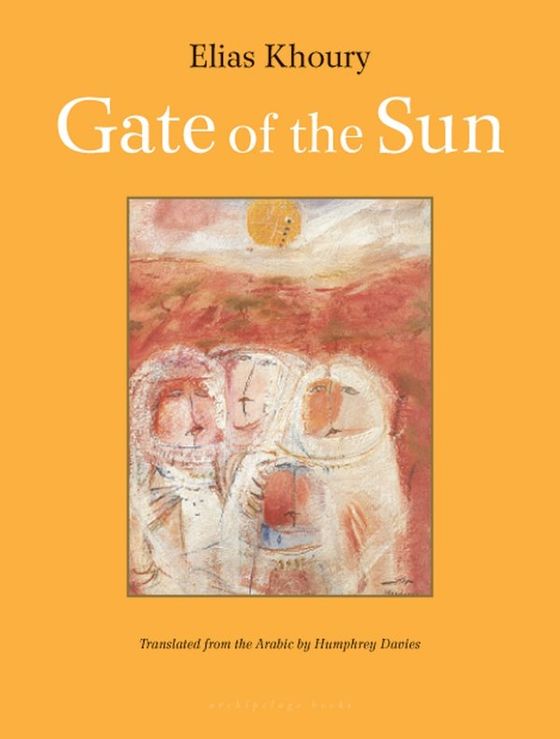
Gate of the Sun
by Elias Khoury
A doctor tells a coma patient the Nakba.
For you if
you want the Palestinian story told by the people who carried it.
⚡ Choose Your Route ⚡
Not sold directly on this site. Support indie bookstores with a new copy, or go sustainable with a used one.
Buy New on Bookshop.orgSupports independent bookstores
— OR —
Find Used on Better World BooksSecondhand & sustainable
$20 MSRP · Paperback
Reference price shown. Other editions may be available.
In a Beirut refugee-camp hospital, a doctor sits beside a comatose Palestinian fighter and tells him the story of his own life, and of the 1948 Galilee, so that he will stay alive. Khoury builds an oral history out of conflicting versions, smugglers, lovers, massacres and rumours. The Gate of the Sun is a cave in the Galilee where a fighter and his wife meet in secret, and also the name of a village that no longer exists.
Where This Book Lives
Pass. Translated from Arabic by Humphrey Davies. Content includes massacres, sexual violence and war. Khoury, a Lebanese novelist, writes with open sympathy for Palestinian refugees and treats memory as contested. Ties to the Palestine bundle. Close relatives in the catalog: Mornings in Jenin, I Saw Ramallah and Pity the Nation.
Related Viewing
Shares a topic, theme, or setting with this book in the catalog.
Cameraperson(2016)
dir. Kirsten Johnson
Same themes: Grief and Loss, War and Atrocity
A cinematographer's outtakes, and what they owe.
Kirsten Johnson has shot documentaries across Bosnia, Rwanda, Afghanistan, Liberia and the United States, and here she cuts together the footage that never made it into the finished films. There's a birth, a wedding, a dying mother, a sniper's view. It is a memoir in outtakes, and it asks what the person holding the camera owes to the person in front of it.
Why it’s here: The film turns the camera around on the person behind it, and asks what it means to film other people's worst days. What's punk is that it refuses the authority of a neutral observer. What's pedagogical is that it's a direct lesson in media literacy, since it shows how footage becomes a story. It matches the film-craft shelf and pairs with Faces Places and Hale County This Morning, This Evening.
Where to watch: HBO Max (subscription); rent $3.99 on Amazon, Apple TV and Fandango At Home (JustWatch US, Oct 2026)Letterboxd ↗

Exterminate All the Brutes(2021)
dir. Raoul Peck
Same themes: War and Atrocity, Who Tells History
Four hours of the colonial story, unsoftened.
A four-part essay-series by the director of I Am Not Your Negro, following the sentence that Conrad's Kurtz wrote on his report in Heart of Darkness. Peck narrates a history of colonialism, genocide and white supremacy from Columbus to the American West to the Congo, mixing archive footage, animation and staged scenes. It is the story the textbooks soften.
Why it’s here: The series connects things the curriculum keeps apart: colonial violence, slavery, the Holocaust, and the ideas that justified each. What's punk is the refusal of the neutral tone, and the fact that it names the thread. What's pedagogical is that it can be paused, discussed and argued with. Pairs with Discourse on Colonialism, Orientalism and King Leopold's Ghost. Note: it is long, essayistic and dense, and some critics call its sweep too broad.
Where to watch: Hulu (HBO original, 4 episodes, per Hulu series page); verify current US availabilityLetterboxd ↗
Same pattern, different era
Different time, different place. The same thing keeps happening.
A Peace to End All Peace: The Fall of the Ottoman Empire and the Creation of the Modern Middle East
David Fromkin
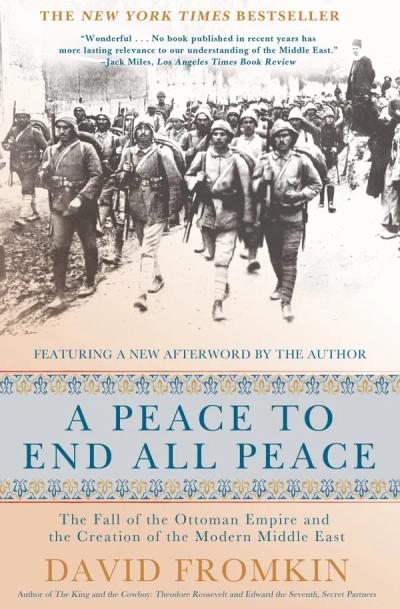
The deals that drew the Middle East in a hurry.
✦ READ – REFLECT → RESIST
Anger Is a Gift
Mark Oshiro
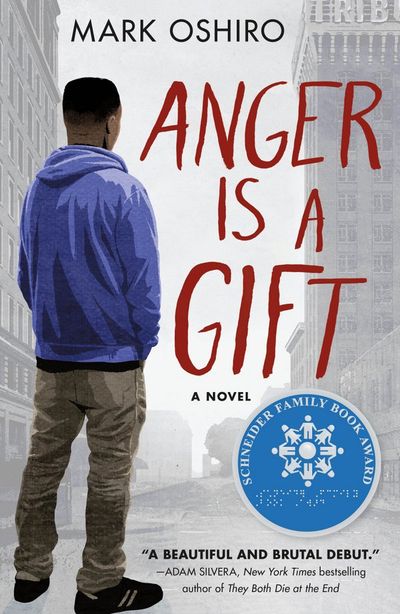
The anger you've been told to put down.
✦ READ – REFLECT → RESIST
Culture and Imperialism
Edward Said
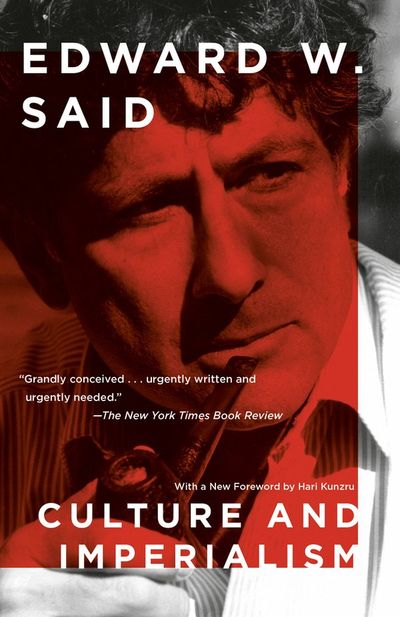
How novels made empire feel normal.
✦ READ – REFLECT → RESIST
Decolonizing Methodologies: Research and Indigenous Peoples
Linda Tuhiwai Smith
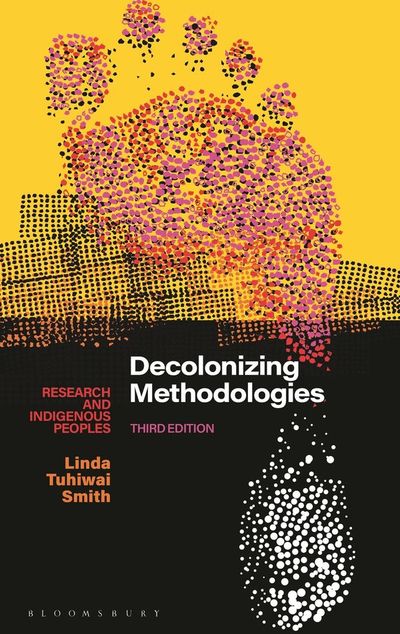
Research was a colonial tool. Here is the audit.
✦ READ – REFLECT → RESIST
For the family bookshelf
Same idea, written for a younger reader. Good for reading together.
A Different Pond
Bao Phi
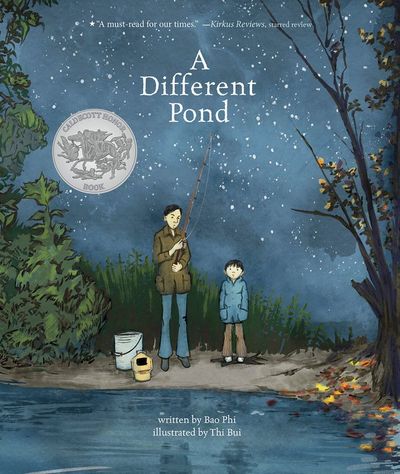
A refugee dad, a fishing pole, and 4 a.m.
✦ READ – REFLECT → RESIST
Between Shades of Gray
Ruta Sepetys
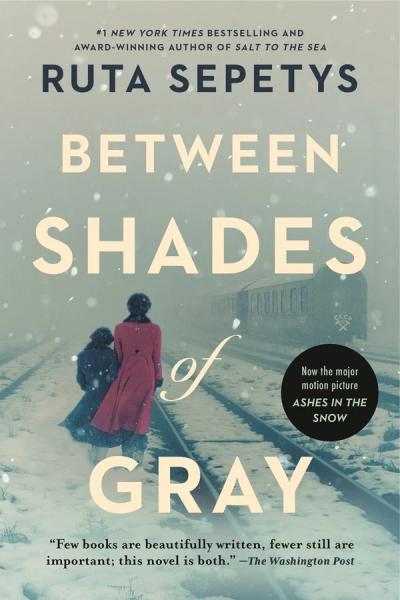
A Lithuanian teen draws her way through Siberia.
✦ READ – REFLECT → RESIST
Big Red Lollipop
Rukhsana Khan
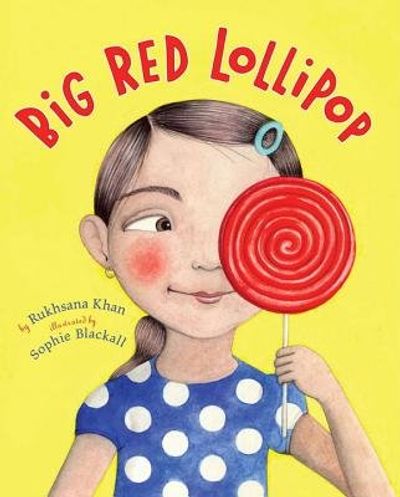
A big sister, a birthday party, and who gets included.
✦ READ – REFLECT → RESIST
Bud, Not Buddy
Christopher Paul Curtis
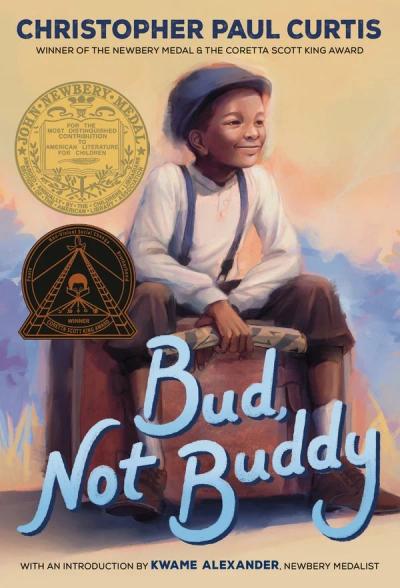
An orphan, a suitcase, and the Great Depression.
✦ READ – REFLECT → RESIST