
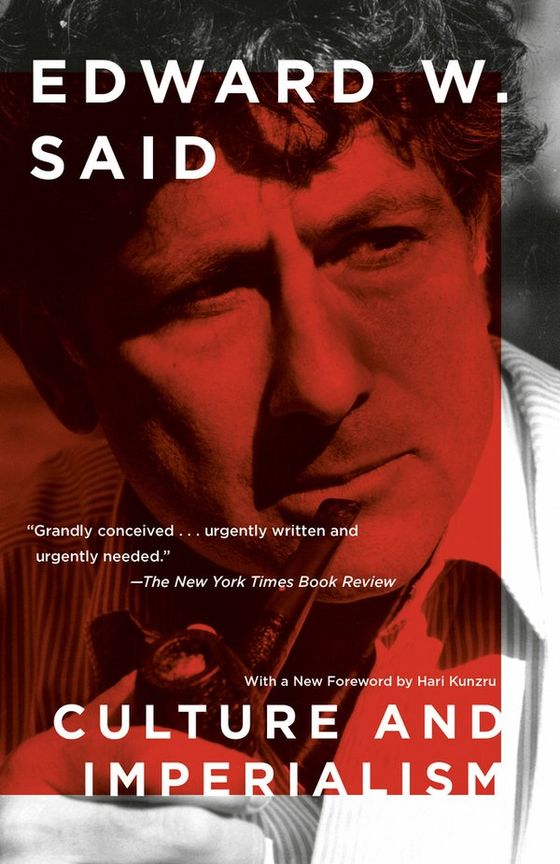
Culture and Imperialism
by Edward Said
How novels made empire feel normal.
For you if
you love the classics and want to know what they were doing for empire.
⚡ Choose Your Route ⚡
Not sold directly on this site. Support indie bookstores with a new copy, or go sustainable with a used one.
Buy New on Bookshop.orgSupports independent bookstores
— OR —
Find Used on Better World BooksSecondhand & sustainable
$20 MSRP · Paperback
Reference price shown. Other editions may be available.
Said follows the empire through the novel: Austen's estate funded by Antigua, Conrad's Africa, Kipling's India, Camus's Algeria. His argument is that the stories Europe told itself made colonial rule feel natural, and that the colonized wrote back in poems, novels and revolutions. It's the sequel to Orientalism, with more reading and more hope.
Where This Book Lives
- Topics
- colonialism
Said's second big book after Orientalism, which is already in the catalog, and a better entry point for readers who prefer literature to theory. It's long and academic in places. Said's work and its Palestinian politics are contested in the US, which is part of why it belongs here.
Related Viewing
Shares a topic, theme, or setting with this book in the catalog.

Bamboozled(2000)
dir. Spike Lee
Same theme: Media Critique
The minstrel show, on prime time.
Pierre Delacroix, a Black TV writer, pitches a modern minstrel show as a deliberate insult to get fired, and the network loves it. It becomes a hit, and the satire spins out of his control. It was shot on digital video and is one of Lee's most uncomfortable films.
Why it’s here: The film turns the lens on who profits from caricature and who agrees to wear it. What's punk is that Lee refuses to make it comfortable: the audience laughing is the target. What's pedagogical is media literacy in its harshest form: how a joke becomes a product, and how the person making it stops being able to say no. It contains harsh imagery by design. Pairs with Sorry to Bother You and Network.
Where to watch: Rent only: Amazon, Apple TV, Fandango At Home (~$3.99)Letterboxd ↗
Born in Flames(1983)
dir. Lizzie Borden
Same theme: Media Critique
What if the revolution forgot the women?
Ten years after a peaceful socialist revolution in the United States, women are still squeezed out of the new order: no jobs, no safety, no say. The film follows several women's networks, among them a women's army, a pirate radio station and a white feminist paper, as they build their own tactics. Lizzie Borden shot it in New York over several years on a tiny budget, mixing documentary style with fiction.
Why it’s here: A feminist sci-fi by a first-time director with almost no money that asks what happens to a revolution after it wins. What's punk is that it was made outside the system it describes. What's pedagogical is how it shows coalitions fracturing over race and class, and how media decides what counts as news. Pairs with Parable of the Sower and Sister Outsider.
Where to watch: OVID; rent on Amazon, Apple TVLetterboxd ↗
Same event, different angle
The same history — told by someone who saw it differently.
Gulliver's Travels
Jonathan Swift

Swift's mean, necessary joke about rulers.
✦ READ – REFLECT → RESIST
The Pleasures of Exile
George Lamming
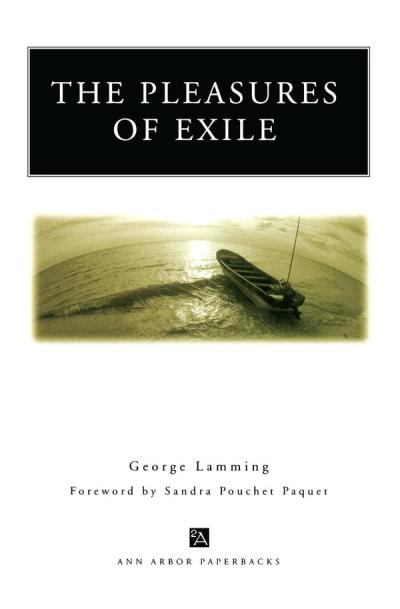
Caliban reads The Tempest and writes back.
✦ READ – REFLECT → RESIST
Black Skin White Masks
Frantz Fanon
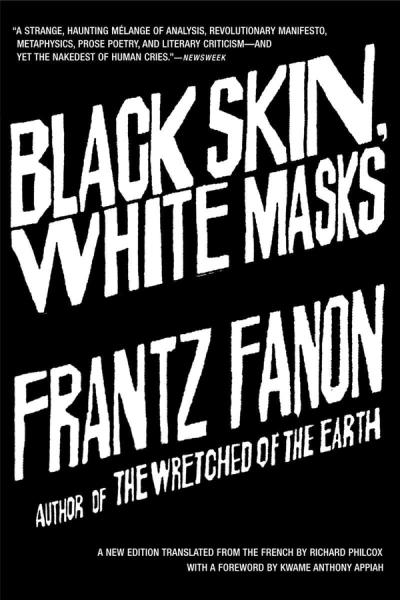
What colonialism does to the mind of the colonized.
✦ READ – REFLECT → RESIST
The Poisonwood Bible
Barbara Kingsolver

A missionary family blind to the Congo around them.
✦ READ – REFLECT → RESIST
Same pattern, different era
Different time, different place. The same thing keeps happening.
Capitalism and Slavery
Eric Williams
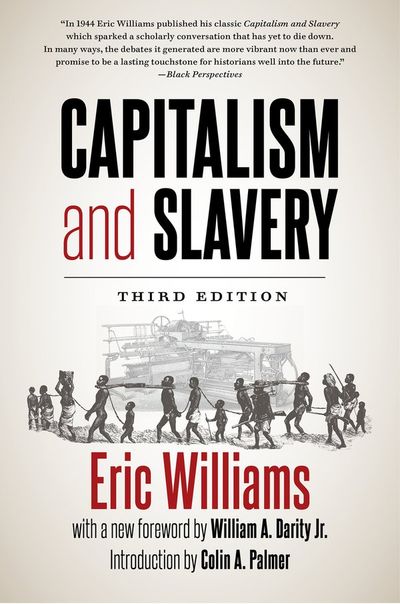
Slavery didn't fund empire. Slavery WAS empire.
✦ READ – REFLECT → RESIST
The Ethnic Cleansing of Palestine
Ilan Pappé
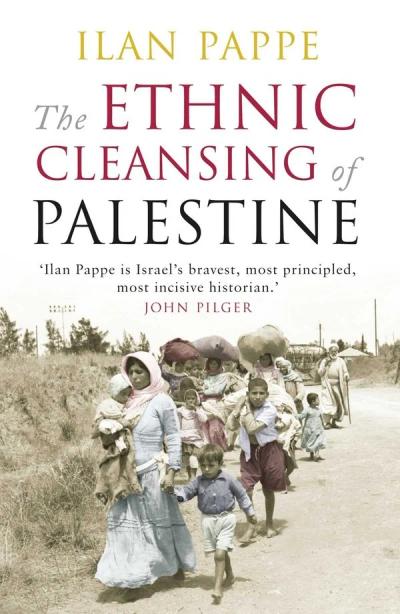
Plan Dalet. Village by village.
✦ READ – REFLECT → RESIST
How Europe Underdeveloped Africa
Walter Rodney
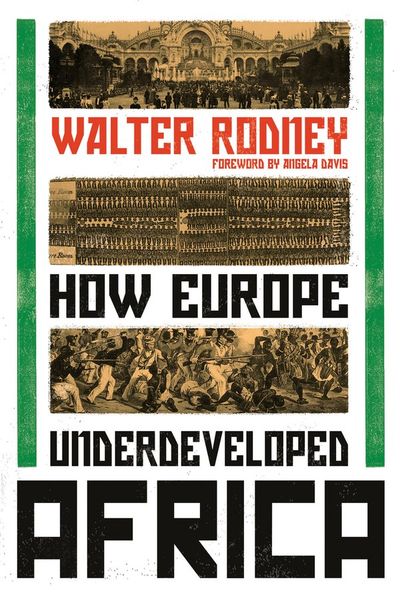
Africa isn't poor. It was made poor.
✦ READ – REFLECT → RESIST
How to Do Nothing: Resisting the Attention Economy
Jenny Odell
Refusing the attention economy as a political act.
✦ READ – REFLECT → RESIST