
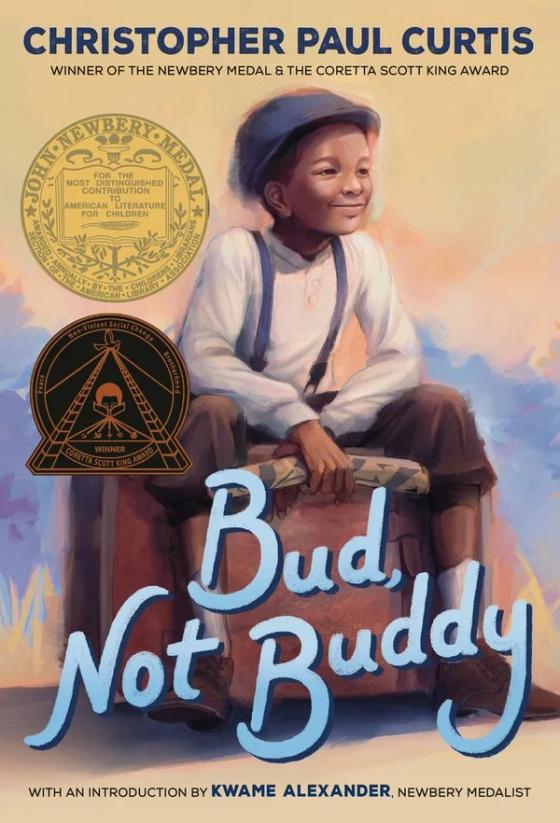
Bud, Not Buddy
by Christopher Paul Curtis
An orphan, a suitcase, and the Great Depression.
For you if
your kid needs a hero who makes his own rules to survive.
⚡ Choose Your Route ⚡
Not sold directly on this site. Support indie bookstores with a new copy, or go sustainable with a used one.
Buy New on Bookshop.orgSupports independent bookstores
— OR —
Find Used on Better World BooksSecondhand & sustainable
$9 MSRP · Paperback
Reference price shown. Other editions may be available.
It's 1936 in Michigan, and ten-year-old Bud has left the orphanage, a foster home and a shed to find the man he thinks is his father, a jazz bandleader. He carries a suitcase and a list of rules for surviving, and he runs through Hoovervilles, train yards and a library on the way. It's funny and sad at the same pace, and it won the Newbery Medal.
Where This Book Lives
- Setting
- United States • North America
- Voice
- Written by an American author
Curtis grew up in Flint, and his grandfather was a bandleader, which shaped the book. It deals with orphanhood, poverty and racism in the Depression, and it's frequently taught in schools. Same author as The Watsons Go to Birmingham—1963, which is already in the catalog.
Related Viewing
Shares a topic, theme, or setting with this book in the catalog.

Hoop Dreams(1994)
dir. Steve James
Same themes: Family Bonds, Poverty
Two Chicago teens, one dream, and the odds.
Steve James followed two Black teenagers from Chicago's housing projects, William Gates and Arthur Agee, for five years as they tried to turn basketball into a way out. They are recruited to a suburban Catholic school, injured, dropped and picked up again, and their families pay for it. The film runs three hours and doesn't hurry.
Why it’s here: The film takes apart the idea that sports is the way out by staying with the families when it doesn't work. What's punk is that the boys and their parents are the authors of the story. What's pedagogical is how clearly it shows tuition, scouting and recruiting as systems. Pairs with Most Likely to Succeed and The Shame of the Nation.
Where to watch: HBO Max; free with ads on Roku Channel, Pluto, YouTube, Xumo Play; rent $3.99 Amazon/Apple (JustWatch US)Letterboxd ↗
Killer of Sheep(1978)
dir. Charles Burnett
Same themes: Family Bonds, Poverty
Watts, a slaughterhouse job, and no room to rest.
Stan works at a slaughterhouse in Watts and is too tired to sleep, too tired to be present with his wife, too stubborn to take the criminal job a friend offers. Burnett made it as a UCLA thesis film with friends and non-professional actors, shot over a year of weekends, and it plays like a series of moments with kids, music and boredom. It was added to the National Film Registry in 1990.
Why it’s here: The film shows what poverty and a dead-end job do to a man's capacity to rest. What's punk is that it was made outside Hollywood, on its own terms, by a Black filmmaker, and it sat unreleased for decades over music rights. What's pedagogical is how much it says without explaining. Pairs with KAOS Theory and Hale County This Morning, This Evening.
Where to watch: Kino Film Collection (free trial; price not listed on the page); verify the subscription routeLetterboxd ↗
Same pattern, different era
Different time, different place. The same thing keeps happening.
Crenshaw
Katherine Applegate
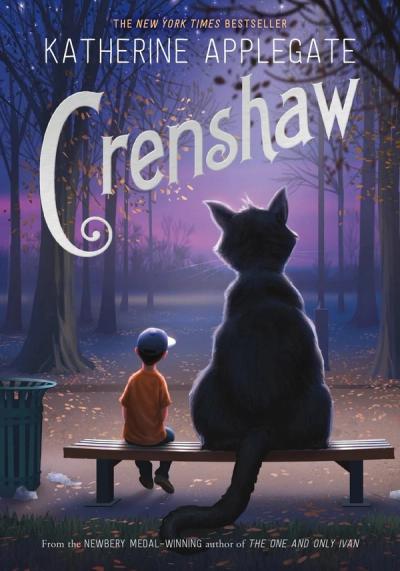
His family is losing their home again. His imaginary cat has opinions.
✦ READ – REFLECT → RESIST
Number the Stars
Lois Lowry
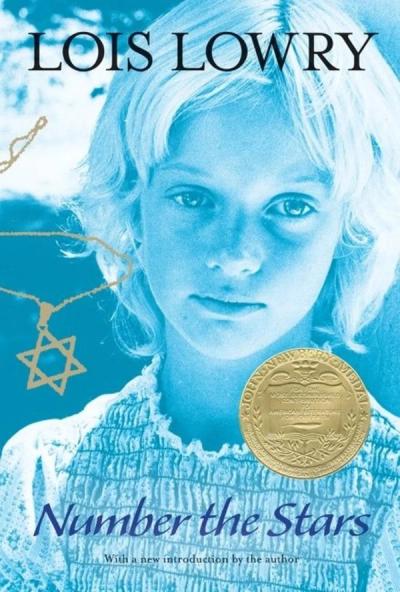
The Nazis are rounding up Jews. Her family hides her best friend.
✦ READ – REFLECT → RESIST
Amal Unbound
Aisha Saeed
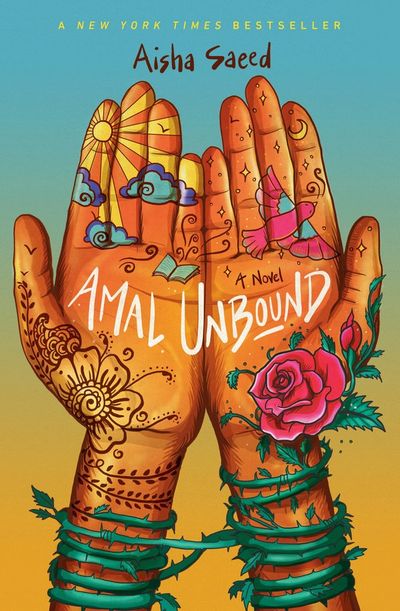
The debt wasn't hers. The cage is.
✦ READ – REFLECT → RESIST
Amina's Voice
Hena Khan

A shy girl sings out after her mosque is attacked.
✦ READ – REFLECT → RESIST
For the grown-up bookshelf
Same idea, written for a grown-up. Good for the adult in the room, too.
Ain't I a Woman: Black Women and Feminism
bell hooks
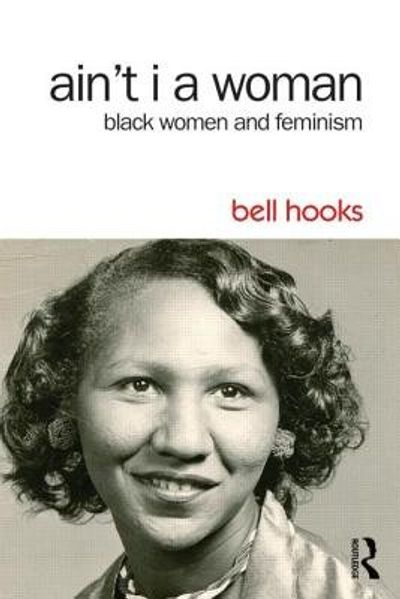
Who gets to count as a woman?
✦ READ – REFLECT → RESIST
Anger Is a Gift
Mark Oshiro
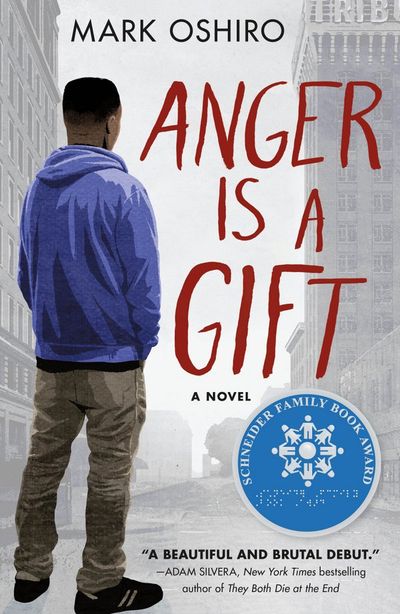
The anger you've been told to put down.
✦ READ – REFLECT → RESIST
Black Boy
Richard Wright
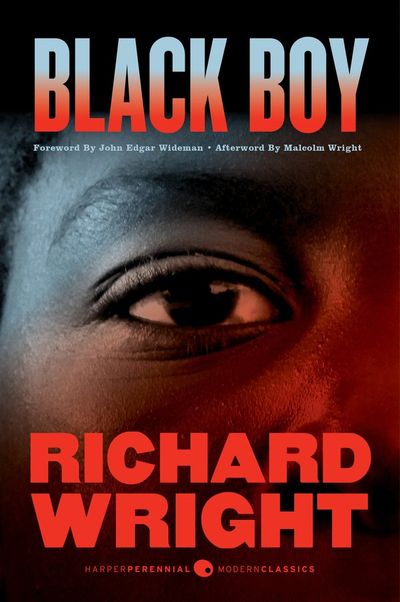
The autobiography Jim Crow didn't want written.
✦ READ – REFLECT → RESIST
Black Marxism: The Making of the Black Radical Tradition
Cedric J. Robinson
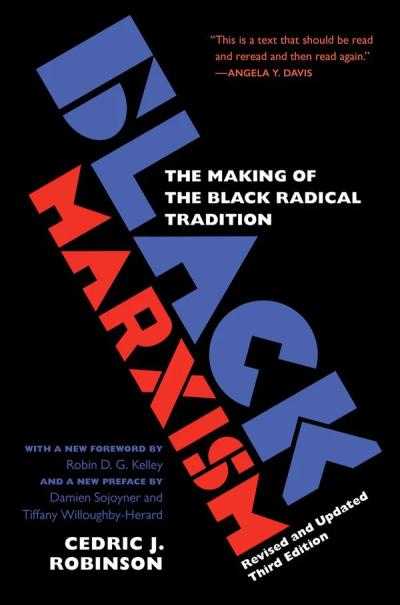
Capitalism was racial from day one.
✦ READ – REFLECT → RESIST