

Decolonizing Methodologies: Research and Indigenous Peoples
by Linda Tuhiwai Smith
Research was a colonial tool. Here is the audit.
For you if
you have ever been studied, counted or archived by someone else.
⚡ Choose Your Route ⚡
Not sold directly on this site. Support indie bookstores with a new copy, or go sustainable with a used one.
Buy New on Bookshop.orgSupports independent bookstores
— OR —
Find Used on Better World BooksSecondhand & sustainable
$30 MSRP · Paperback
Reference price shown. Other editions may be available.
Smith, a Maori scholar, opens with the line that research is probably one of the dirtiest words in the Indigenous world's vocabulary. She shows how Western research, the kind that measures, names and collects, was a colonial tool, and what it would take for Indigenous communities to research on their own terms. It is a founding text for anyone asking who gets to tell whose story.
Where This Book Lives
- Topics
- colonialism
Pass with note. Academic prose, so it reads slowly, and some chapters are specific to Aotearoa New Zealand. No documented author concerns. Close relatives already in the catalog: Orientalism, Discourse on Colonialism and Dark Emu. A natural bridge to the radical pedagogy shelf.
Related Viewing
Shares a topic, theme, or setting with this book in the catalog.

Exterminate All the Brutes(2021)
dir. Raoul Peck
Same event: Colonialism · Same themes: Race and Identity, Structural Violence
Four hours of the colonial story, unsoftened.
A four-part essay-series by the director of I Am Not Your Negro, following the sentence that Conrad's Kurtz wrote on his report in Heart of Darkness. Peck narrates a history of colonialism, genocide and white supremacy from Columbus to the American West to the Congo, mixing archive footage, animation and staged scenes. It is the story the textbooks soften.
Why it’s here: The series connects things the curriculum keeps apart: colonial violence, slavery, the Holocaust, and the ideas that justified each. What's punk is the refusal of the neutral tone, and the fact that it names the thread. What's pedagogical is that it can be paused, discussed and argued with. Pairs with Discourse on Colonialism, Orientalism and King Leopold's Ghost. Note: it is long, essayistic and dense, and some critics call its sweep too broad.
Where to watch: Hulu (HBO original, 4 episodes, per Hulu series page); verify current US availabilityLetterboxd ↗

Bend It Like Beckham(2002)
dir. Gurinder Chadha
Same themes: Courage, Race and Identity
A Punjabi girl, a soccer ball, and a family wedding.
Jess is a British Punjabi eighteen-year-old in West London who plays soccer better than anyone in her park, and her parents want her to learn to cook a full Indian dinner. She joins a women's team behind their backs, falls for her coach, and has to find a way to be both daughters at once. It's a comedy with a wedding, an ugly sports bra and a lot of heart.
Why it’s here: The film makes a joke out of the fight between family expectations and a girl's ambition, and the girl wins on her own terms. What's punk is that Jess isn't asked to choose between her people and her game. What's pedagogical is how it handles racism, sexism and homophobia in a form a family can watch together. Pairs with Persepolis and Funny Boy.
Where to watch: Disney+; rent $3.99 on Amazon and Fandango At Home (JustWatch US)Letterboxd ↗
Same event, different angle
The same history — told by someone who saw it differently.
The Bridge on the Drina
Ivo Andrić
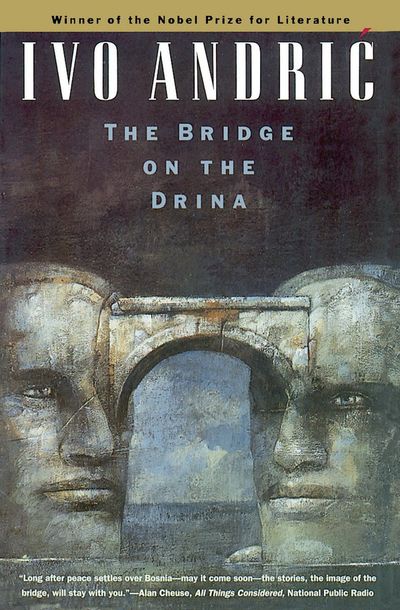
The bridge outlasted them all. Almost.
✦ READ – REFLECT → RESIST
Gulliver's Travels
Jonathan Swift

Swift's mean, necessary joke about rulers.
✦ READ – REFLECT → RESIST
The Pleasures of Exile
George Lamming
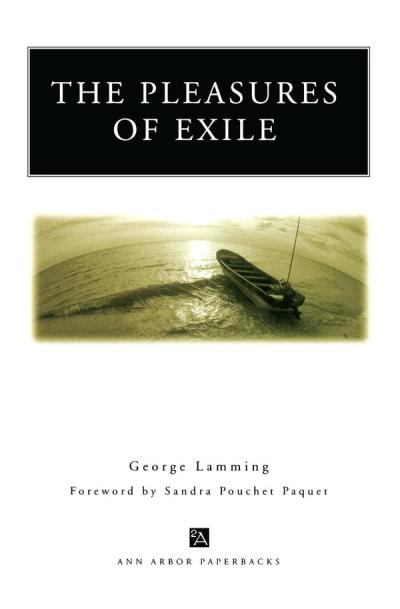
Caliban reads The Tempest and writes back.
✦ READ – REFLECT → RESIST
Black Skin White Masks
Frantz Fanon

What colonialism does to the mind of the colonized.
✦ READ – REFLECT → RESIST
Same pattern, different era
Different time, different place. The same thing keeps happening.
A Girl Is a Body of Water
Jennifer Nansubuga Makumbi
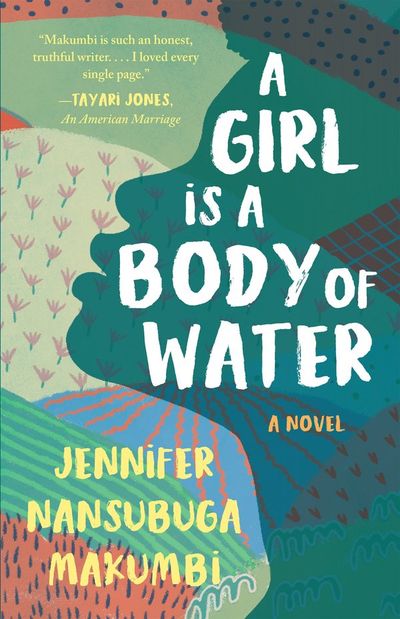
A Ugandan girl asks who the women before her were.
✦ READ – REFLECT → RESIST
Collective Courage: A History of African American Cooperative Economic Thought and Practice
Jessica Gordon Nembhard
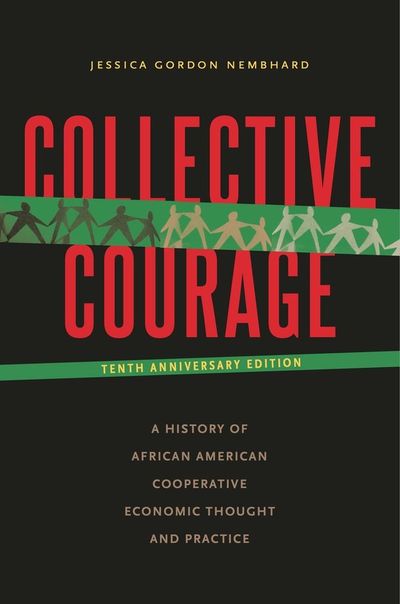
The Black co-ops history forgot to teach.
✦ READ – REFLECT → RESIST
Dear Martin
Nic Stone
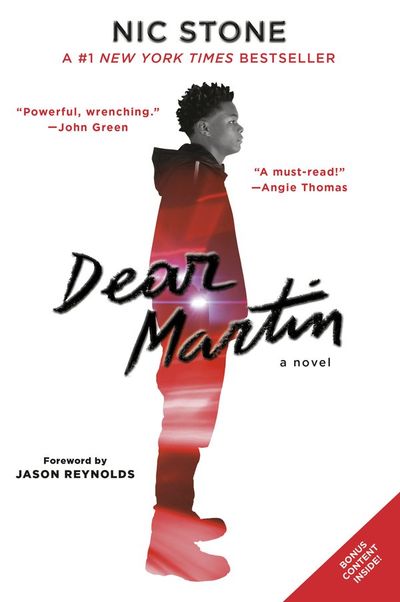
Letters to MLK from a kid in handcuffs.
✦ READ – REFLECT → RESIST
Erasure
Percival Everett

A Black novelist writes a parody. It wins.
✦ READ – REFLECT → RESIST
For the family bookshelf
Same idea, written for a younger reader. Good for reading together.
A Different Pond
Bao Phi
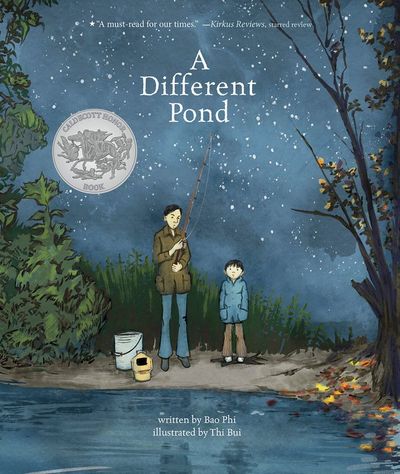
A refugee dad, a fishing pole, and 4 a.m.
✦ READ – REFLECT → RESIST
Amal Unbound
Aisha Saeed
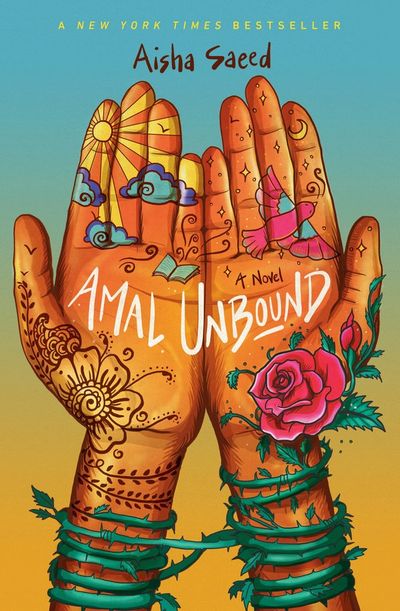
The debt wasn't hers. The cage is.
✦ READ – REFLECT → RESIST
Amina's Voice
Hena Khan

A shy girl sings out after her mosque is attacked.
✦ READ – REFLECT → RESIST
Between Shades of Gray
Ruta Sepetys
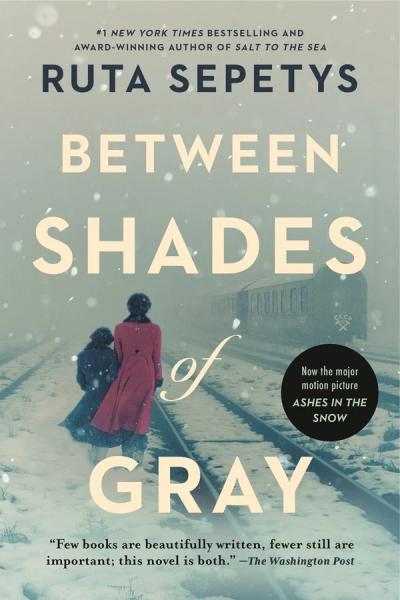
A Lithuanian teen draws her way through Siberia.
✦ READ – REFLECT → RESIST