
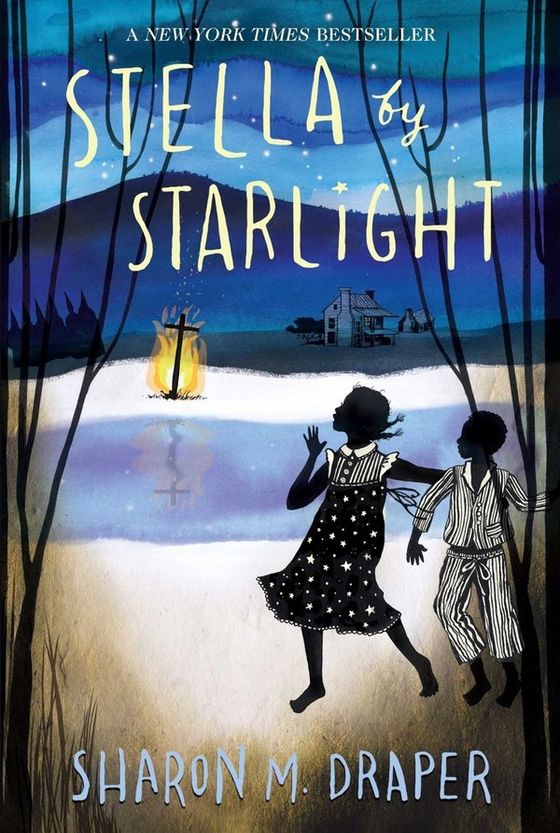
Stella by Starlight
by Sharon M. Draper
A girl, her notebook, and a burning cross.
For you if
your kid is ready to hear what courage cost in 1932.
⚡ Choose Your Route ⚡
Not sold directly on this site. Support indie bookstores with a new copy, or go sustainable with a used one.
Buy New on Bookshop.orgSupports independent bookstores
— OR —
Find Used on Better World BooksSecondhand & sustainable
$9 MSRP · Paperback
Reference price shown. Other editions may be available.
It's 1932 in Bumblebee, North Carolina, and eleven-year-old Stella sees a burning cross in the woods across the lake. Her town has to decide what to do when the Klan appears, and whether Black residents will risk their lives to register to vote. Stella is a writer, and the book follows her notebook as much as the plot.
Where This Book Lives
Draper is a former teacher and Coretta Scott King award winner. The book shows Klan violence and a lynching threat, and uses period racial language in dialogue. Good to read alongside a parent. Close relatives: Roll of Thunder, Hear My Cry and The Watsons Go to Birmingham—1963.
Related Viewing
Shares a topic, theme, or setting with this book in the catalog.
13th(2016)
dir. Ava DuVernay
Same themes: Racial Injustice, Systemic Racism
The 13th Amendment's loophole built a prison nation.
Ava DuVernay's documentary traces one clause of the 13th Amendment, which abolished slavery except as punishment for a crime, from Reconstruction convict leasing through Jim Crow, the War on Drugs and the modern prison boom. Historians, activists and politicians make the case that mass incarceration is slavery's afterlife by another legal name.
Why it’s here: The punk move is the thesis itself: it reads the Constitution's own text as the loophole and then follows the money and the rhetoric, including footage of the politicians who built the machine, straight to the present. The pedagogy is in the method. It teaches a viewer to trace a single policy lever across 150 years instead of treating each era as a separate story, which is a transferable habit of mind. Worth knowing that some historians argue its straight line from slavery to prisons flattens a more tangled history, so watch it as a forceful argument rather than a settled account.
Where to watch: Streaming on NetflixLetterboxd ↗

Crip Camp(2020)
dir. Nicole Newnham & James LeBrecht
Same themes: Activism, Community
A summer camp that started a rights movement.
In the early 1970s, a ramshackle summer camp for teenagers with disabilities near Woodstock, Camp Jened, ran on hippie rules: no adults in charge of the kids' lives. The campers, among them co-director James LeBrecht and the future activist Judy Heumann, went on to organize the sit-ins and protests that helped win the Americans with Disabilities Act. It was produced for Netflix and was nominated for the Oscar for Best Documentary Feature.
Why it’s here: The film shows that a movement can begin as a summer. What's punk is that the people it follows organize without asking permission, and refuse to be treated as objects of pity. What's pedagogical is the through-line from a place where kids ran their own lives to a federal law that changed what was possible. It's a rare entry on disability and civil rights, and a natural fit for DoCR's self-organization principle.
Where to watch: Streaming on NetflixLetterboxd ↗
Same pattern, different era
Different time, different place. The same thing keeps happening.
Number the Stars
Lois Lowry
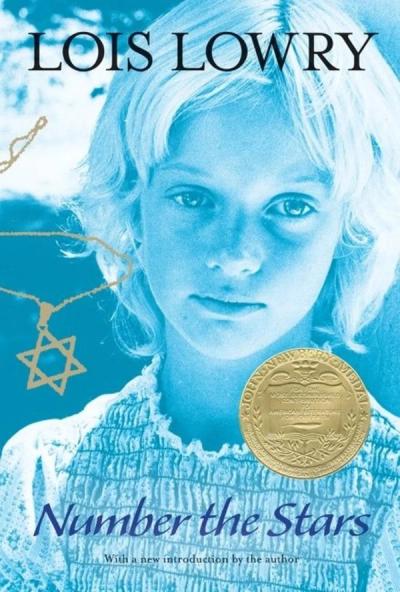
The Nazis are rounding up Jews. Her family hides her best friend.
✦ READ – REFLECT → RESIST
Amal Unbound
Aisha Saeed
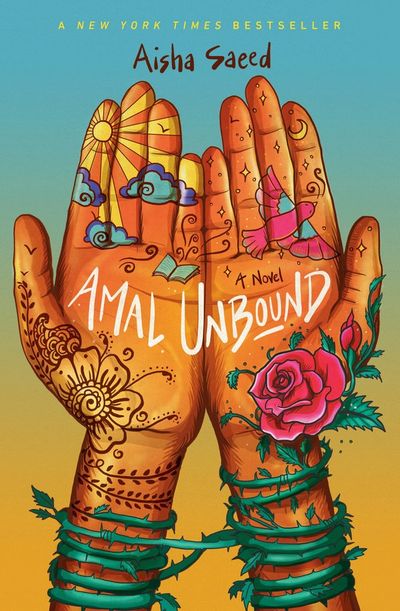
The debt wasn't hers. The cage is.
✦ READ – REFLECT → RESIST
Amina's Voice
Hena Khan

A shy girl sings out after her mosque is attacked.
✦ READ – REFLECT → RESIST
Big Red Lollipop
Rukhsana Khan

A big sister, a birthday party, and who gets included.
✦ READ – REFLECT → RESIST
For the grown-up bookshelf
Same idea, written for a grown-up. Good for the adult in the room, too.
Ain't I a Woman: Black Women and Feminism
bell hooks
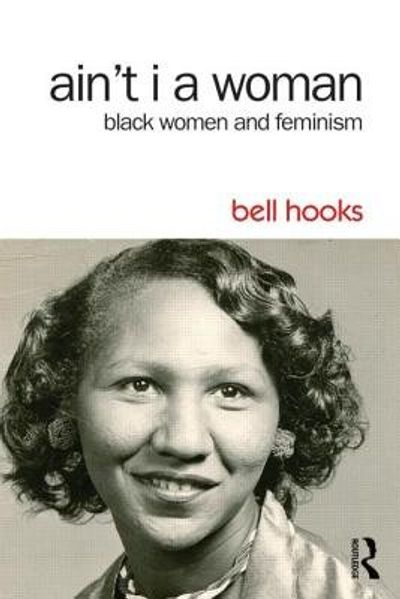
Who gets to count as a woman?
✦ READ – REFLECT → RESIST
Anger Is a Gift
Mark Oshiro
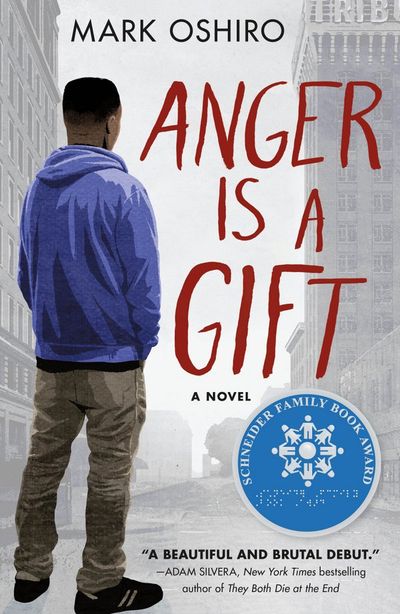
The anger you've been told to put down.
✦ READ – REFLECT → RESIST
Beautiful Trouble: A Toolbox for Revolution
Andrew Boyd & Dave Oswald Mitchell (eds.)
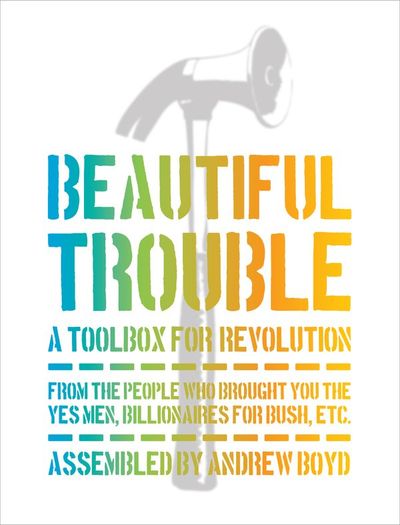
A tactics manual for making trouble well.
✦ READ – REFLECT → RESIST
Black Boy
Richard Wright
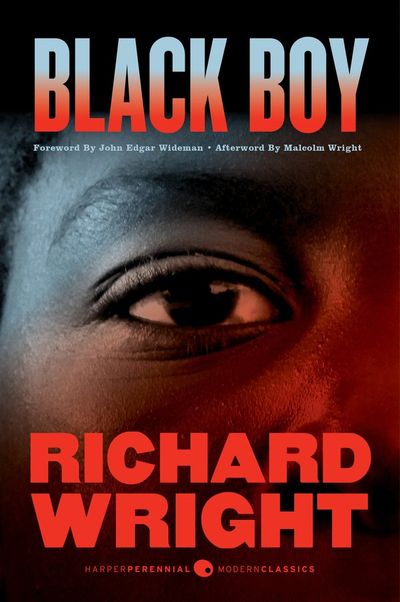
The autobiography Jim Crow didn't want written.
✦ READ – REFLECT → RESIST