
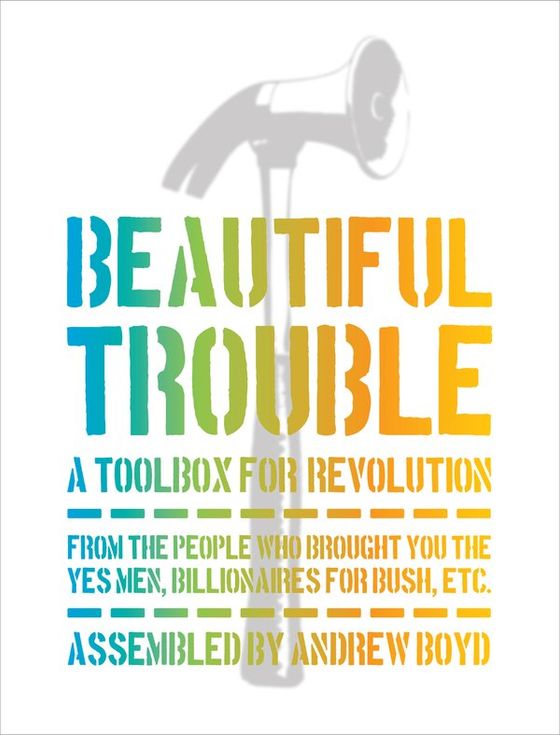
Beautiful Trouble: A Toolbox for Revolution
by Andrew Boyd & Dave Oswald Mitchell (eds.)
A tactics manual for making trouble well.
For you if
you're angry and want to know what to actually do about it.
⚡ Choose Your Route ⚡
Not sold directly on this site. Support indie bookstores with a new copy, or go sustainable with a used one.
Buy New on Bookshop.orgSupports independent bookstores
— OR —
Find Used on Better World BooksSecondhand & sustainable
$25 MSRP · Paperback
Reference price shown. Other editions may be available.
A field guide to making trouble that works, written by the people who have done it. It is organized as tactics, principles, theories and case studies, from flash mobs and banner drops to how to pick a target and tell a story that spreads. Each entry is two or three pages, so you can open it anywhere. By the end, you have a toolbox for turning a feeling of outrage into something other people can join.
Where This Book Lives
Written by dozens of activists and organizers, with entries on the Yes Men, Occupy and others. Pairs with Rules for Radicals, already in the catalog, and is the fun cousin of that book. Expect US and UK examples. A good book to leave on a coffee table, and a good gift for a teenager who wants to do something.
Related Viewing
Shares a topic, theme, or setting with this book in the catalog.

Crip Camp(2020)
dir. Nicole Newnham & James LeBrecht
Same themes: Activism, Civil Disobedience
A summer camp that started a rights movement.
In the early 1970s, a ramshackle summer camp for teenagers with disabilities near Woodstock, Camp Jened, ran on hippie rules: no adults in charge of the kids' lives. The campers, among them co-director James LeBrecht and the future activist Judy Heumann, went on to organize the sit-ins and protests that helped win the Americans with Disabilities Act. It was produced for Netflix and was nominated for the Oscar for Best Documentary Feature.
Why it’s here: The film shows that a movement can begin as a summer. What's punk is that the people it follows organize without asking permission, and refuse to be treated as objects of pity. What's pedagogical is the through-line from a place where kids ran their own lives to a federal law that changed what was possible. It's a rare entry on disability and civil rights, and a natural fit for DoCR's self-organization principle.
Where to watch: Streaming on NetflixLetterboxd ↗
Pride(2014)
dir. Matthew Warchus
Same themes: Activism, Collective Action
Gay activists back striking miners. The miners notice.
Britain, 1984. A group of London lesbian and gay activists decides the striking coal miners being crushed by the Thatcher government are fighting the same enemy they are, and starts raising money for a Welsh mining village. The village doesn't know what to make of them, and the feeling is mutual. Based on a true story.
Why it’s here: The punk move is the alliance: two groups that had every social reason to stay apart chose solidarity on the strength of a shared opponent, and the film lets the awkwardness, the prejudice and the first dance-floor thaw all play out on screen. The pedagogy is in how organizing actually works. Coalitions get built through food, favors and showing up, not through agreeing on everything, and the film makes that feel like something a viewer could do. It is a crowd-pleasing dramatization, so some characters and events are composited or invented, and it is worth reading up on the real Lesbians and Gays Support the Miners campaign afterward.
Where to watch: Free on Kanopy, rent on Apple TVLetterboxd ↗
Same pattern, different era
Different time, different place. The same thing keeps happening.
Anger Is a Gift
Mark Oshiro

The anger you've been told to put down.
✦ READ – REFLECT → RESIST
Aristophanes' Lysistrata: A Dual Language Edition
Aristophanes
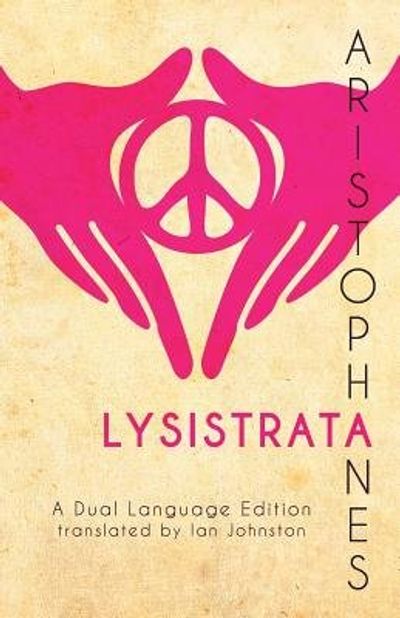
The oldest sex strike in history. Still works.
✦ READ – REFLECT → RESIST
Germinal
Émile Zola

They had nothing left to lose. They struck anyway.
✦ READ – REFLECT → RESIST
Hope in the Dark
Rebecca Solnit
Hope is a practice, not a feeling.
✦ READ – REFLECT → RESIST
For the family bookshelf
Same idea, written for a younger reader. Good for reading together.
Brave Girl: Clara and the Shirtwaist Makers' Strike of 1909
Michelle Markel
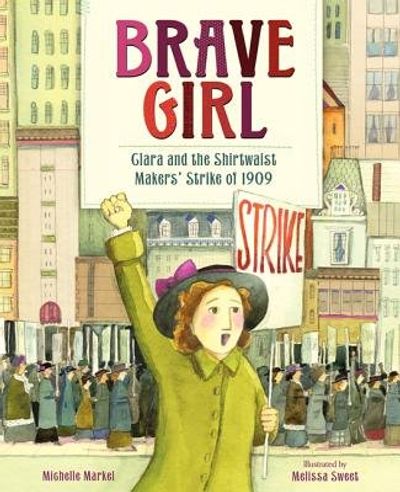
One girl stood up. Twenty thousand followed.
✦ READ – REFLECT → RESIST
Bread and Roses, Too
Katherine Paterson
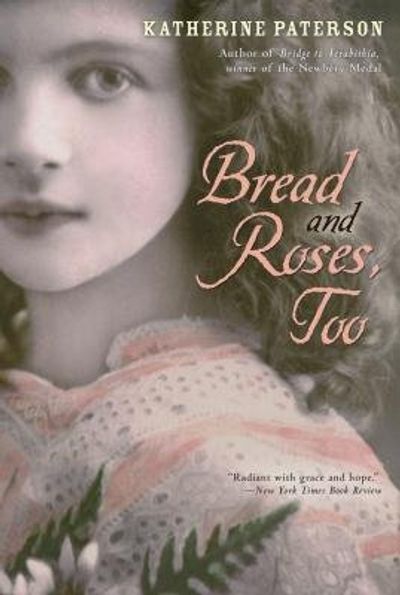
Bread. Roses. Neither is optional.
✦ READ – REFLECT → RESIST
Claudette Colvin: Twice Toward Justice
Phillip Hoose
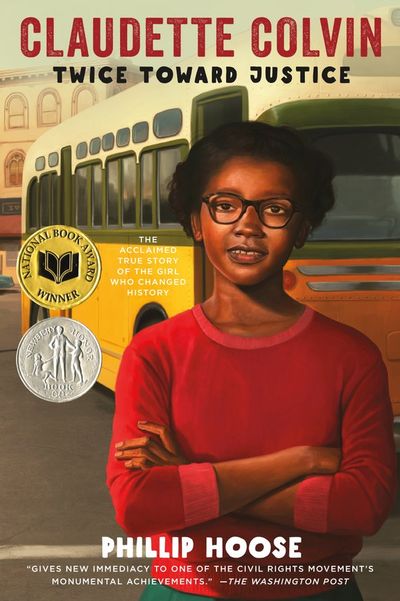
She refused first. History forgot her anyway.
✦ READ – REFLECT → RESIST
Click, Clack, Moo: Cows That Type
Doreen Cronin
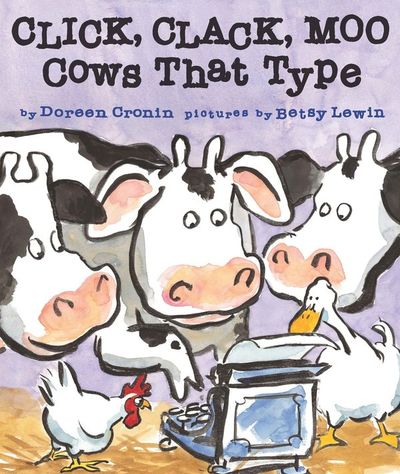
Cows, a typewriter, and a labor strike.
✦ READ – REFLECT → RESIST