
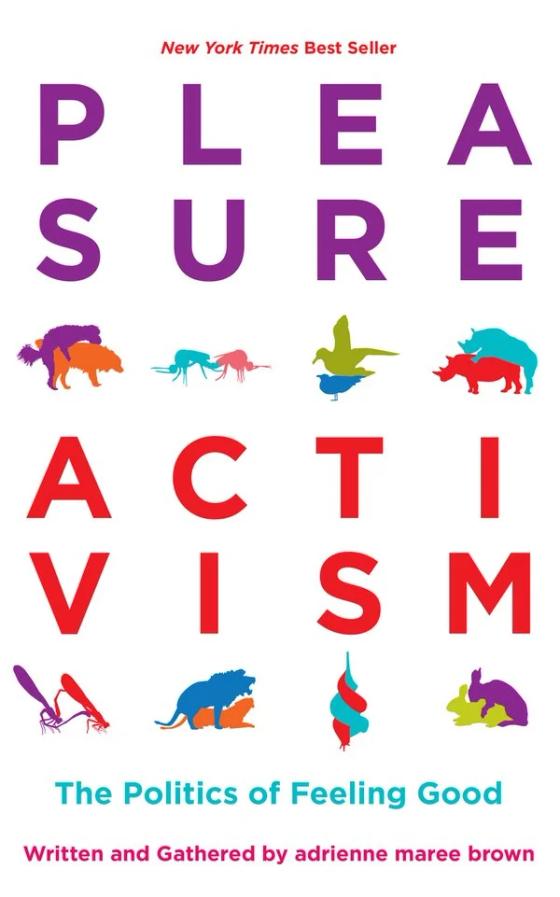
Pleasure Activism: The Politics of Feeling Good
by adrienne maree brown
Pleasure is the work.
For you if
you're tired of activism that costs you everything and gives you nothing back
⚡ Choose Your Route ⚡
Not sold directly on this site. Support indie bookstores with a new copy, or go sustainable with a used one.
Buy New on Bookshop.orgSupports independent bookstores
— OR —
Find Used on Better World BooksSecondhand & sustainable
$20 MSRP · Paperback
Reference price shown. Other editions may be available.
adrienne maree brown's argument is simple and radical: pleasure is not a reward for doing the work — it IS the work. Drawing on Audre Lorde's "Uses of the Erotic" and a generation of Black feminist thinkers, brown builds a case for centering joy, sex, rest, and delight in our movements rather than grinding them out until we burn through everyone who cares. This is an anthology as much as a manifesto — essays, interviews, and conversations with Sonya Renee Taylor, Alexis Pauline Gumbs, Cara Page, and others — and it's exactly that texture that makes the argument land. You finish this book with a different theory of what it means to fight for a better world. Less sacrifice, more life.
Where This Book Lives
Brown is the author of Emergent Strategy and a central figure in the visionary fiction and movement ecology world — she's been facilitating Black feminist thought for decades. This book lands differently from most political nonfiction because it's not asking you to sacrifice more — it's asking you to ask why sacrifice became the price of admission to caring about the world. The conversations with disability justice practitioners, sex workers, and pleasure practitioners are where theory becomes alive. This is the book for anyone who's wondered if they're allowed to enjoy their life while the world is on fire.
Related Viewing
Shares a topic, theme, or setting with this book in the catalog.
Crip Camp(2020)
dir. Nicole Newnham & James LeBrecht
Same event: Disability Justice · Same theme: Activism
A summer camp that started a rights movement.
In the early 1970s, a ramshackle summer camp for teenagers with disabilities near Woodstock, Camp Jened, ran on hippie rules: no adults in charge of the kids' lives. The campers, among them co-director James LeBrecht and the future activist Judy Heumann, went on to organize the sit-ins and protests that helped win the Americans with Disabilities Act. It was produced for Netflix and was nominated for the Oscar for Best Documentary Feature.
Why it’s here: The film shows that a movement can begin as a summer. What's punk is that the people it follows organize without asking permission, and refuse to be treated as objects of pity. What's pedagogical is the through-line from a place where kids ran their own lives to a federal law that changed what was possible. It's a rare entry on disability and civil rights, and a natural fit for DoCR's self-organization principle.
Where to watch: Streaming on NetflixLetterboxd ↗
Summer of Soul (...Or, When the Revolution Could Not Be Televised)(2021)
dir. Questlove
Same themes: Black Joy, Collective Joy
The festival history forgot for fifty years.
In the summer of 1969, 300,000 people went to Harlem's Mount Morris Park for the Harlem Cultural Festival, a series of free concerts with Stevie Wonder, Nina Simone, Sly and the Family Stone, Mahalia Jackson and others. The footage sat in a basement for fifty years. Questlove cuts it together with interviews with the people who were there. It won the Oscar for Best Documentary Feature.
Why it’s here: The film recovers a piece of Black history that the mainstream skipped while Woodstock got the myth. What's punk is the recovery: the question of who decides which summer gets remembered. What's pedagogical is the way it ties music to the politics of the year, from the Panthers to the moon landing. It sits next to I Am Not Your Negro and Hale County in the catalog's picks.
Where to watch: Hulu; also rent on most platformsLetterboxd ↗
Same event, different angle
The same history — told by someone who saw it differently.
Black Boy
Richard Wright
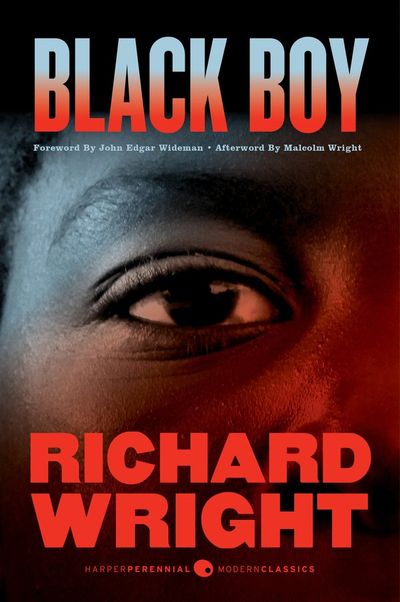
The autobiography Jim Crow didn't want written.
✦ READ – REFLECT → RESIST
Black Marxism: The Making of the Black Radical Tradition
Cedric J. Robinson
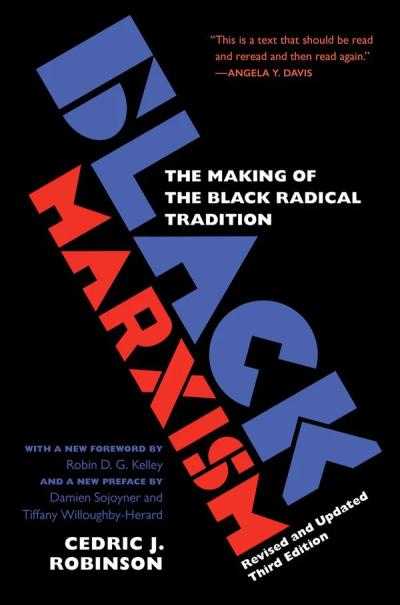
Capitalism was racial from day one.
✦ READ – REFLECT → RESIST
Care Work
Leah Lakshmi Piepzna-Samarasinha
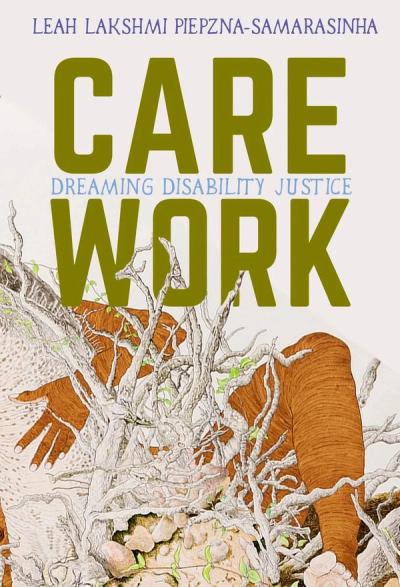
Access as radical love. Built by sick disabled queer people of color.
✦ READ – REFLECT → RESIST
The Souls of Black Folk
W.E.B. Du Bois
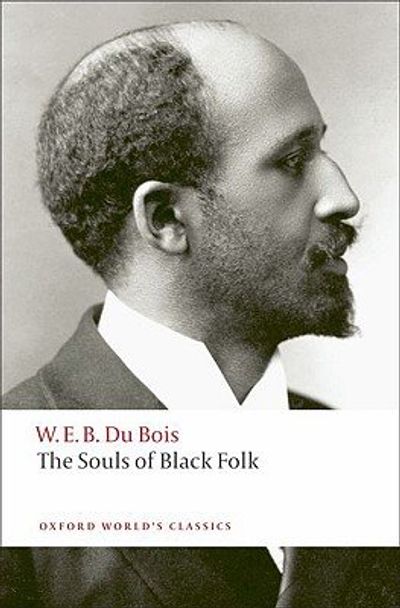
Named the color line in 1903. Still necessary.
✦ READ – REFLECT → RESIST
Same pattern, different era
Different time, different place. The same thing keeps happening.
A Court of Thorns and Roses
Sarah J. Maas
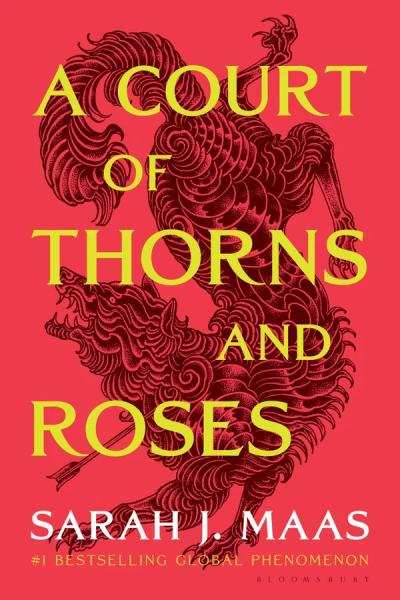
Survival instincts don't stop at the Wall.
✦ READ – REFLECT → RESIST
Ain't I a Woman: Black Women and Feminism
bell hooks
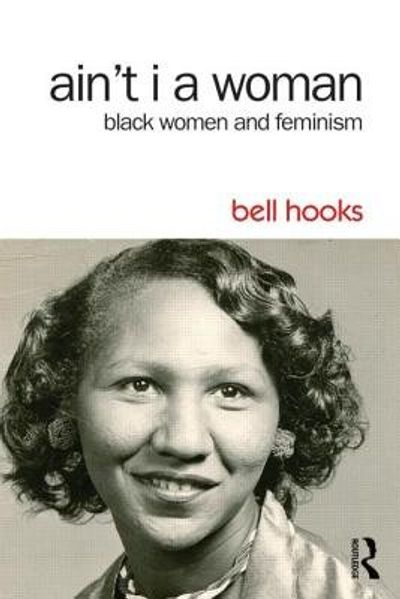
Who gets to count as a woman?
✦ READ – REFLECT → RESIST
Aristophanes' Lysistrata: A Dual Language Edition
Aristophanes
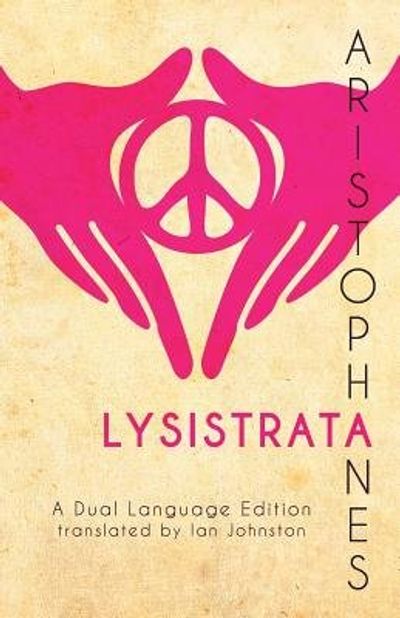
The oldest sex strike in history. Still works.
✦ READ – REFLECT → RESIST
Breathless
Jennifer Niven
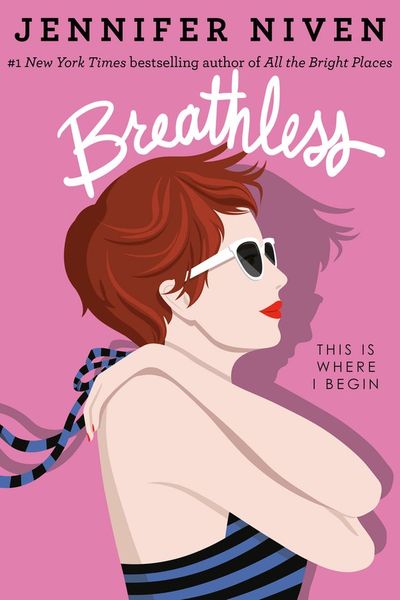
A teen girl writes her own story.
✦ READ – REFLECT → RESIST
For the family bookshelf
Same idea, written for a younger reader. Good for reading together.
Brown Girl Dreaming
Jacqueline Woodson
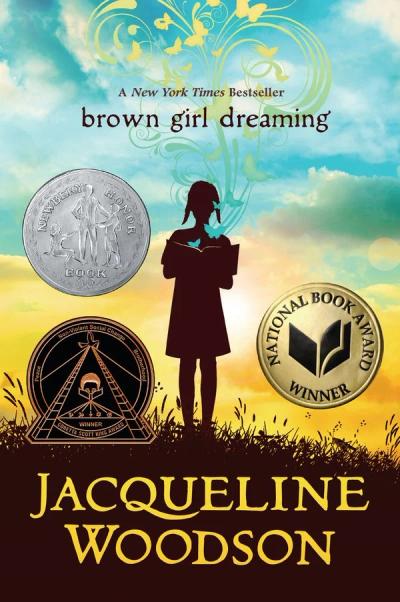
A Black girlhood in verse — history you can feel.
✦ READ – REFLECT → RESIST
Consent (for Kids!): Boundaries, Respect, and Being in Charge of YOU
Rachel Brian
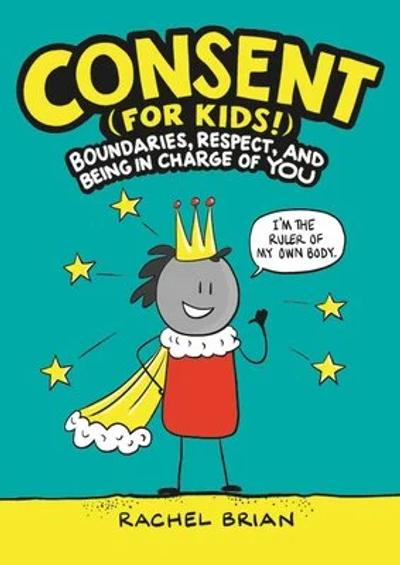
Consent as a skill, not a lecture.
✦ READ – REFLECT → RESIST
It's Perfectly Normal: Changing Bodies, Growing Up, Sex, Gender, and Sexual Health
Robie H. Harris
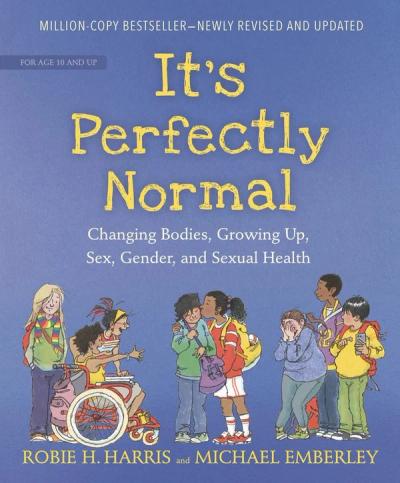
The sex ed book America keeps trying to ban.
✦ READ – REFLECT → RESIST
My Body! What I Say Goes! (2nd Edition)
Jayneen Sanders
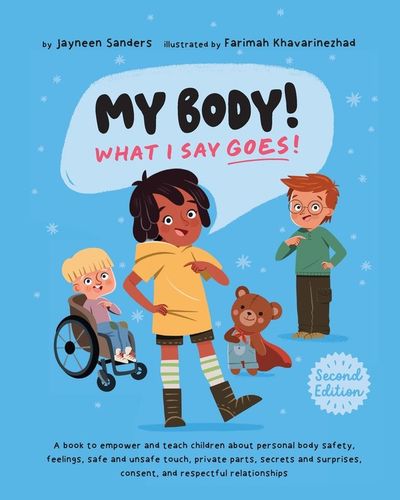
A no a four-year-old can say out loud.
✦ READ – REFLECT → RESIST