
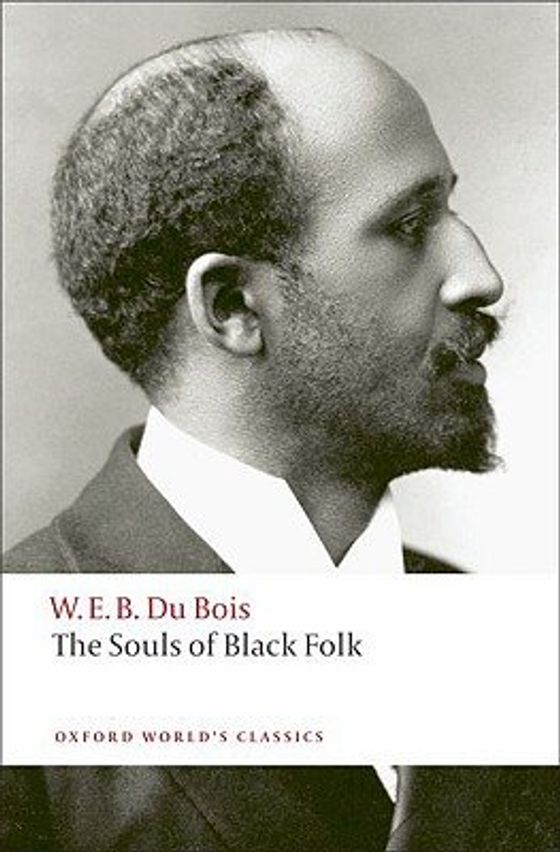
The Souls of Black Folk
by W.E.B. Du Bois
Named the color line in 1903. Still necessary.
For you if
you want to understand where the language for race in America actually came from.
⚡ Choose Your Route ⚡
Not sold directly on this site. Support indie bookstores with a new copy, or go sustainable with a used one.
Buy New on Bookshop.orgSupports independent bookstores
— OR —
Find Used on Better World BooksSecondhand & sustainable
$10 MSRP · Paperback
Reference price shown. Other editions may be available.
In 1903, W.E.B. Du Bois named the experience that Black Americans had been living without a vocabulary for: *double consciousness* — the sense of always looking at yourself through the eyes of a world that starts from the premise that you are a problem. Forty years before the modern Civil Rights Movement, Du Bois was building its intellectual architecture. *The Souls of Black Folk* is fourteen essays that move between the analytical and the personal, the historical and the elegiac. Du Bois walks the Georgia Black Belt and counts the cost of Reconstruction's betrayal. He buries his infant son and writes one of the most devastating paragraphs in American literature about what he felt at the loss. He transcribes the Sorrow Songs — the spirituals — as primary documents of what slavery did and what Black Americans made out of it anyway. And he argues, directly and without equivocation, that Booker T. Washington's accommodationism is not pragmatism; it's surrender. This is the book that named the color line as the problem of the twentieth century. It was right. It is still right.
Where This Book Lives
Du Bois was 35 when he published this. By the time he died in 1963 — at 95, the day before the March on Washington — he had joined the Communist Party and renounced his American citizenship, having concluded that the country he spent his life trying to reform was unreformable. P&P doesn't hide this. What it means is that *Souls of Black Folk* is the young man's faith in American possibility, and Du Bois's later life is what happened when that faith ran out. Reading the book knowing the trajectory, you can hear what it cost him to believe it. The double consciousness framework Du Bois introduces here remains the most precise description of what it means to be Black in America. That it was written in 1903 should cause considerable discomfort — not because it's a museum piece, but because it isn't.
Related Viewing
Shares a topic, theme, or setting with this book in the catalog.
13th(2016)
dir. Ava DuVernay
Same events: Jim Crow Era, Slavery in the United States · Same theme: Systemic Racism
The 13th Amendment's loophole built a prison nation.
Ava DuVernay's documentary traces one clause of the 13th Amendment, which abolished slavery except as punishment for a crime, from Reconstruction convict leasing through Jim Crow, the War on Drugs and the modern prison boom. Historians, activists and politicians make the case that mass incarceration is slavery's afterlife by another legal name.
Why it’s here: The punk move is the thesis itself: it reads the Constitution's own text as the loophole and then follows the money and the rhetoric, including footage of the politicians who built the machine, straight to the present. The pedagogy is in the method. It teaches a viewer to trace a single policy lever across 150 years instead of treating each era as a separate story, which is a transferable habit of mind. Worth knowing that some historians argue its straight line from slavery to prisons flattens a more tangled history, so watch it as a forceful argument rather than a settled account.
Where to watch: Streaming on NetflixLetterboxd ↗
I Am Not Your Negro(2016)
dir. Raoul Peck
Same event: Jim Crow Era · Same themes: Black History, Systemic Racism
James Baldwin, still telling America the truth.
A documentary built from James Baldwin's own words, drawn from letters, interviews and the thirty pages of an unfinished manuscript about his friends Medgar Evers, Malcolm X and Martin Luther King Jr. Samuel L. Jackson reads Baldwin's text over archival footage, old Hollywood films and newsreels, and contemporary images of the same fights still being fought.
Why it’s here: The punk move is the structure: Peck refuses the usual documentary apparatus of talking-head experts and lets one voice, a writer who was long ignored and long right, carry the whole film, cutting it against the images that prove his point. The pedagogy is in how it teaches a way of seeing. Baldwin takes apart the stories America tells about itself and shows how film and popular culture manufacture them, which makes this as much a lesson in media literacy as in history. It is dense and unsparing, so it suits older teens and adults who are ready to sit with it.
Where to watch: Free on Tubi, rent on Apple TVLetterboxd ↗
Same event, different angle
The same history — told by someone who saw it differently.
Pleasure Activism: The Politics of Feeling Good
adrienne maree brown
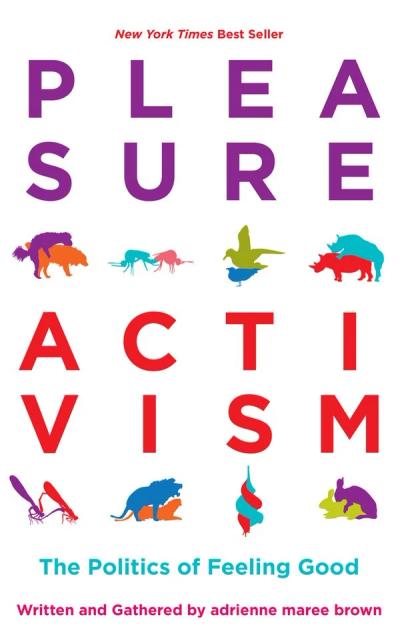
Pleasure is the work.
✦ READ – REFLECT → RESIST
We Are Not Yet Equal
Carol Anderson & Tonya Bolden
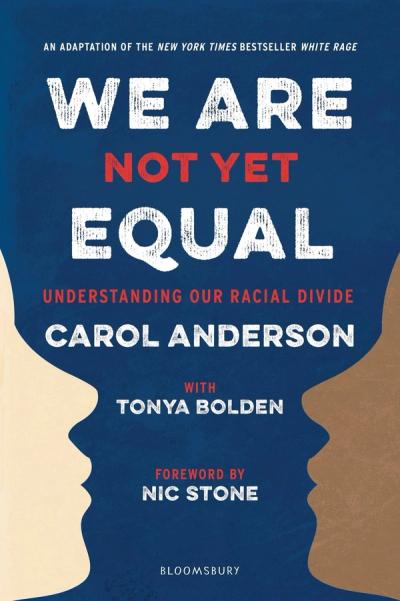
History’s receipts for injustice.
✦ READ – REFLECT → RESIST
Roll of Thunder, Hear My Cry
Mildred D. Taylor
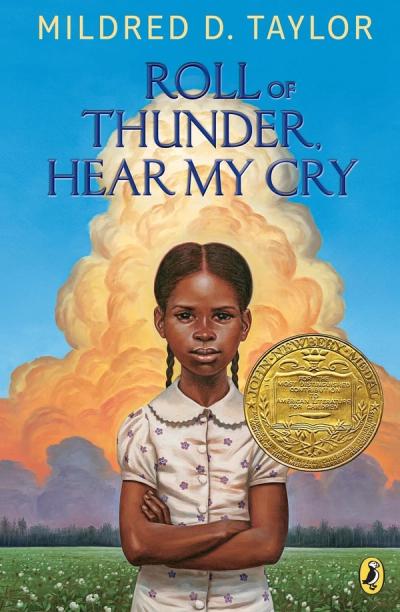
Family, fury, and Mississippi mud.
✦ READ – REFLECT → RESIST
Schoolhouse Burning
Derek W. Black
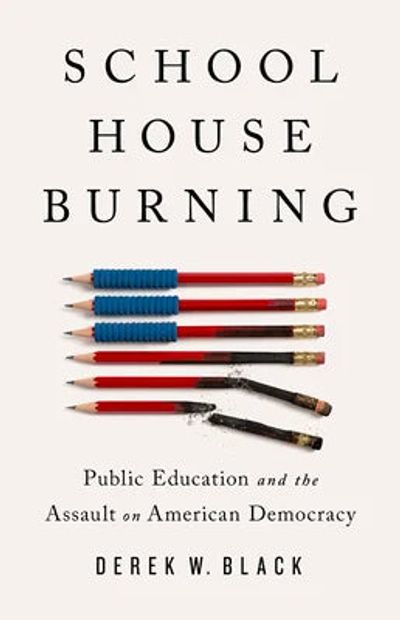
Public schools are the backbone of democracy.
✦ READ – REFLECT → RESIST
Same pattern, different era
Different time, different place. The same thing keeps happening.
Dear Martin
Nic Stone
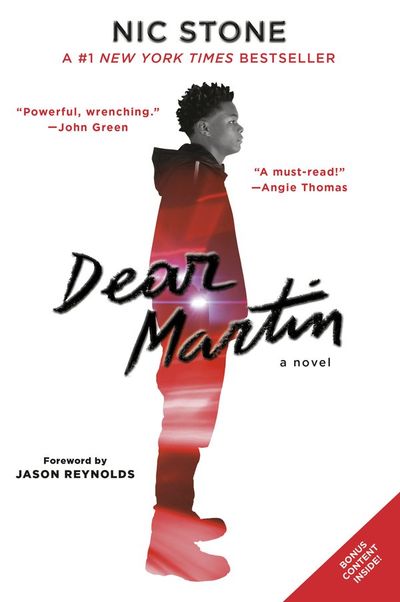
Letters to MLK from a kid in handcuffs.
✦ READ – REFLECT → RESIST
Ferdydurke
Witold Gombrowicz
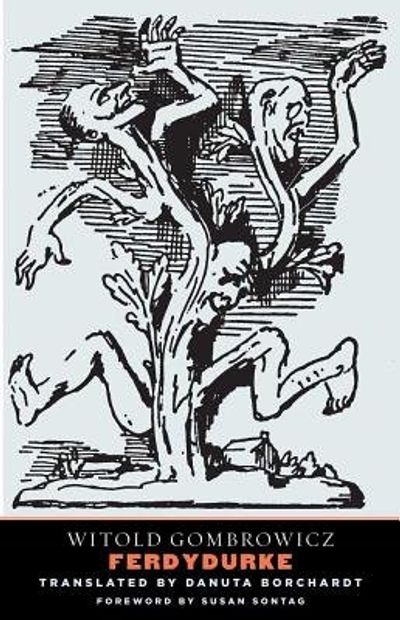
Society made you small. This is how.
✦ READ – REFLECT → RESIST
Fires in the Mirror: Crown Heights, Brooklyn and Other Identities
Anna Deavere Smith
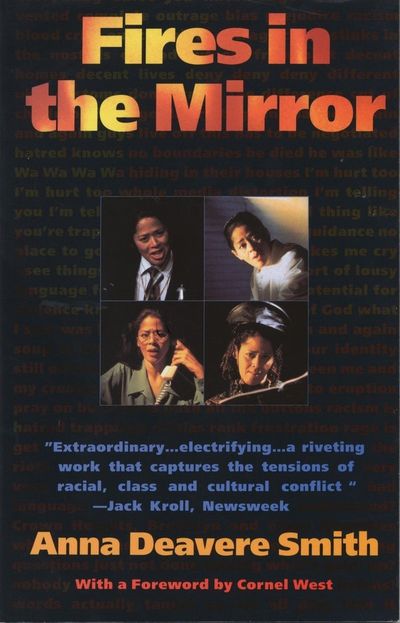
Crown Heights, in everyone’s own words.
✦ READ – REFLECT → RESIST
Roll of Thunder, Hear My Cry
Mildred D. Taylor
Family, fury, and Mississippi mud.
✦ READ – REFLECT → RESIST
For the family bookshelf
Same idea, written for a younger reader. Good for reading together.
Brown Girl Dreaming
Jacqueline Woodson
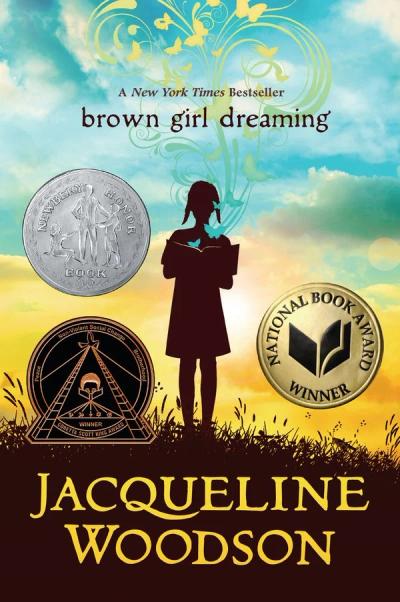
A Black girlhood in verse — history you can feel.
✦ READ – REFLECT → RESIST
Claudette Colvin: Twice Toward Justice
Phillip Hoose
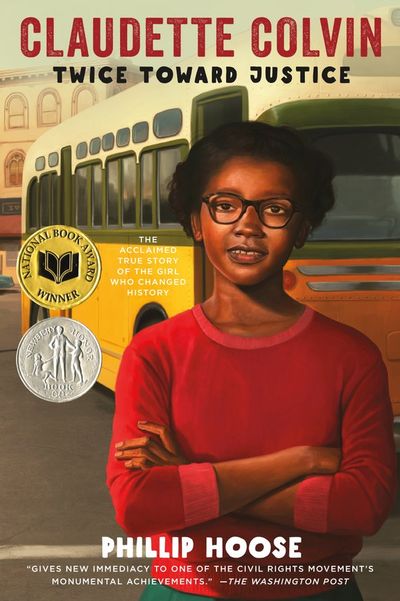
She refused first. History forgot her anyway.
✦ READ – REFLECT → RESIST
Ghost Boys
Jewell Parker Rhodes
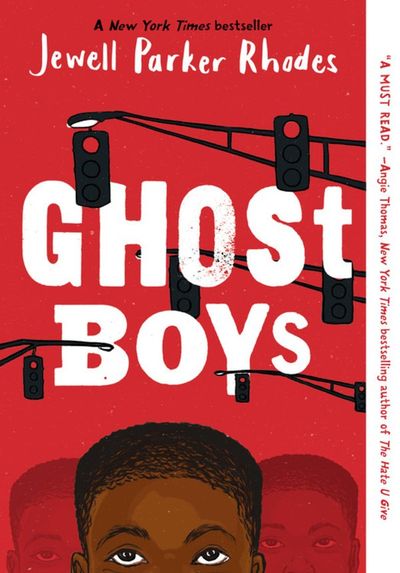
A boy killed by police tells it himself.
✦ READ – REFLECT → RESIST
One Crazy Summer
Rita Williams-Garcia
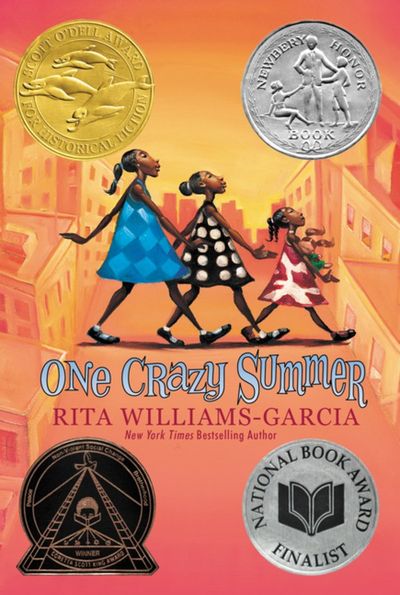
Three sisters, one summer with the Panthers.
✦ READ – REFLECT → RESIST