
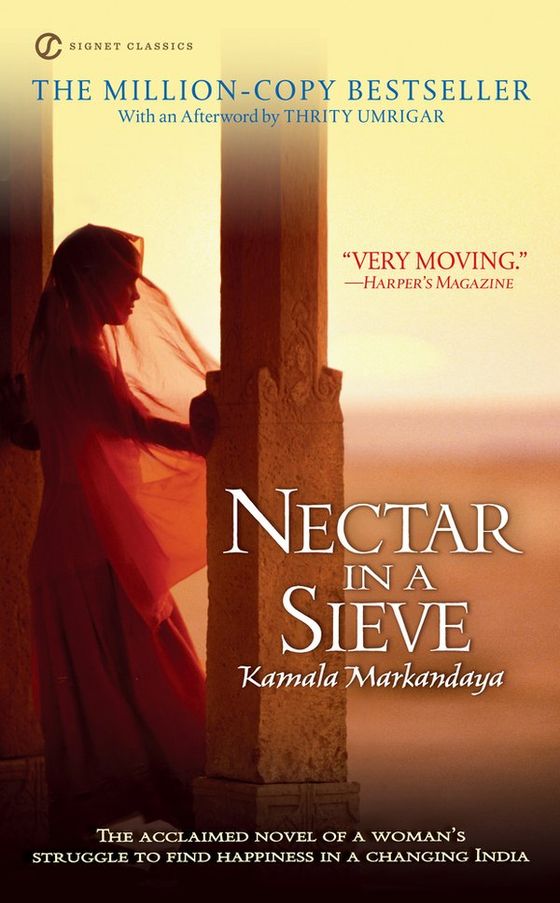
Nectar in a Sieve
by Kamala Markandaya
A farmer's wife, a tannery, and a village lost.
For you if
you want to feel what progress costs the people it passes over.
⚡ Choose Your Route ⚡
Not sold directly on this site. Support indie bookstores with a new copy, or go sustainable with a used one.
Buy New on Bookshop.orgSupports independent bookstores
— OR —
Find Used on Better World BooksSecondhand & sustainable
$17 MSRP · Paperback
Reference price shown. Other editions may be available.
Rukmani is married at twelve to a tenant farmer in a South Indian village, and the novel follows her through monsoons, droughts, a tannery that swallows the land and the births and deaths of her children. Markandaya wrote it in 1954, just after independence, and the hunger in it isn't the fault of the weather alone. It is quiet and steady, and it hurts.
Where This Book Lives
Markandaya is an Indian novelist who wrote in English, and the book fills a gap in South Asian rural life in the catalog. It's often taught, with scenes of famine, infant death and desperation. It sits beside The God of Small Things and A Fine Balance.
Related Viewing
Shares a topic, theme, or setting with this book in the catalog.
Children of Heaven(1997)
dir. Majid Majidi
Same themes: Class Inequality, Family Bonds
One pair of shoes between a brother and sister.
In a poor neighborhood of Tehran, nine-year-old Ali loses his little sister Zahra's only pair of shoes. Their family can't afford another pair, and their father can barely cover the rent, so the two keep it secret and share Ali's sneakers, swapping them between her morning school shift and his afternoon one. Ali sees a chance to win a pair at a children's race, and everything comes down to it.
Why it’s here: The punk move is the scale: Majidi makes a film about poverty without a villain, a speech or a rescue, and trusts the children's point of view to carry all of it. Nothing in it is shouted. The shoes are the whole argument. The pedagogy is in that restraint. A young viewer sees what a missing pair of shoes costs a family, how kids shield their parents from shame, and how much dignity and care two siblings can hold at once. It is warm and funny and never sentimental, and it is an easy first film from outside the English-speaking world. Majidi worked inside Iran's censorship system, and the film keeps politics out of frame by design, so its critique of class comes through the situation and not through anything the characters say. Good for the whole family, with subtitles.
Where to watch: Free on Kanopy, HooplaLetterboxd ↗

Hoop Dreams(1994)
dir. Steve James
Same themes: Class Inequality, Family Bonds
Two Chicago teens, one dream, and the odds.
Steve James followed two Black teenagers from Chicago's housing projects, William Gates and Arthur Agee, for five years as they tried to turn basketball into a way out. They are recruited to a suburban Catholic school, injured, dropped and picked up again, and their families pay for it. The film runs three hours and doesn't hurry.
Why it’s here: The film takes apart the idea that sports is the way out by staying with the families when it doesn't work. What's punk is that the boys and their parents are the authors of the story. What's pedagogical is how clearly it shows tuition, scouting and recruiting as systems. Pairs with Most Likely to Succeed and The Shame of the Nation.
Where to watch: HBO Max; free with ads on Roku Channel, Pluto, YouTube, Xumo Play; rent $3.99 Amazon/Apple (JustWatch US)Letterboxd ↗
Same pattern, different era
Different time, different place. The same thing keeps happening.
Anger Is a Gift
Mark Oshiro

The anger you've been told to put down.
✦ READ – REFLECT → RESIST
Evicted: Poverty and Profit in the American City
Matthew Desmond
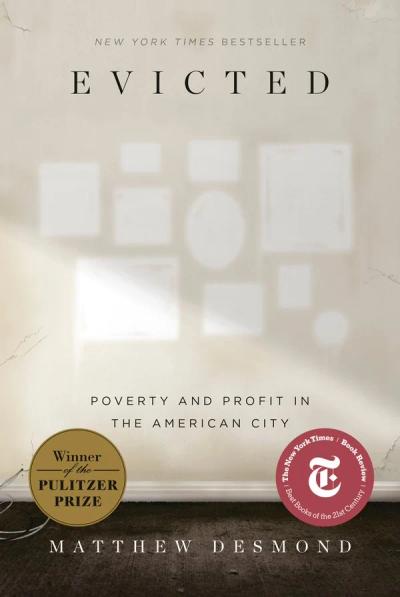
Eight families, a landlord, and the eviction machine.
✦ READ – REFLECT → RESIST
Friday Black
Nana Kwame Adjei-Brenyah
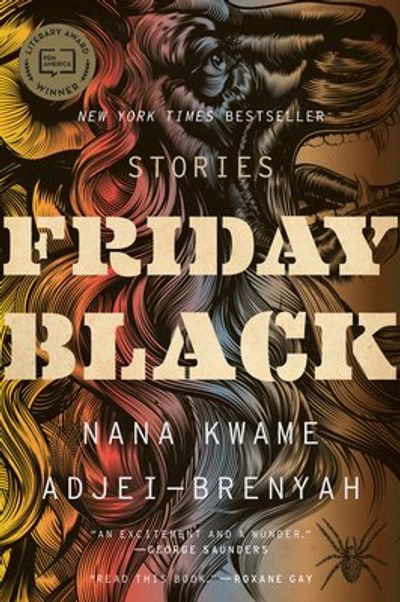
America is the dystopia. These are the documents.
✦ READ – REFLECT → RESIST
Hiroshima
John Hersey
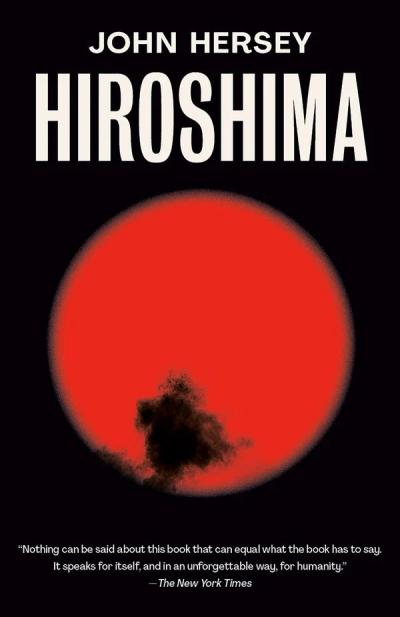
Six survivors, told plainly, one August morning.
✦ READ – REFLECT → RESIST
For the family bookshelf
Same idea, written for a younger reader. Good for reading together.
Amal Unbound
Aisha Saeed
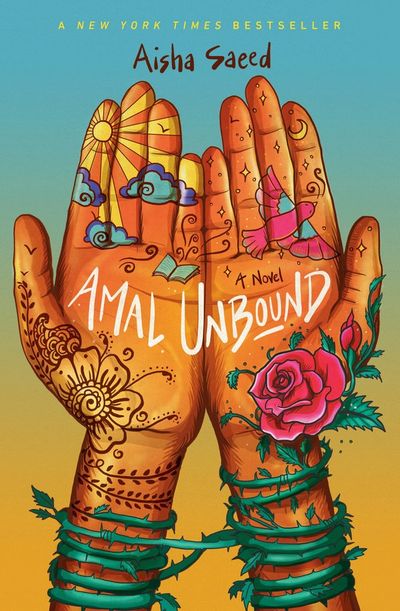
The debt wasn't hers. The cage is.
✦ READ – REFLECT → RESIST
Big Red Lollipop
Rukhsana Khan

A big sister, a birthday party, and who gets included.
✦ READ – REFLECT → RESIST
Bud, Not Buddy
Christopher Paul Curtis
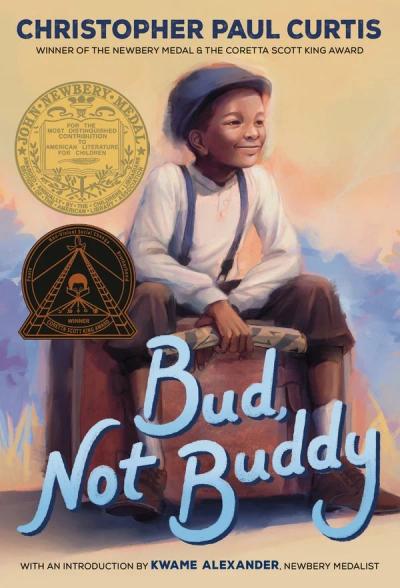
An orphan, a suitcase, and the Great Depression.
✦ READ – REFLECT → RESIST
Ghost Boys
Jewell Parker Rhodes
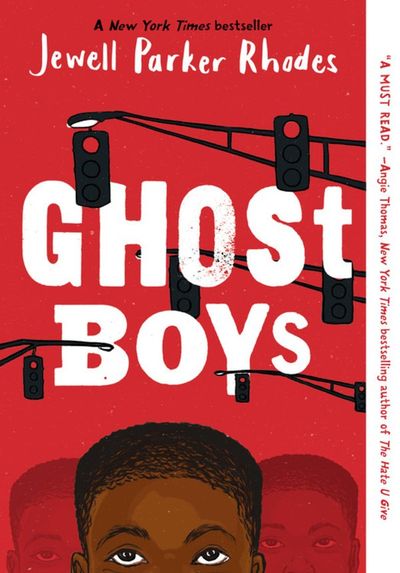
A boy killed by police tells it himself.
✦ READ – REFLECT → RESIST