
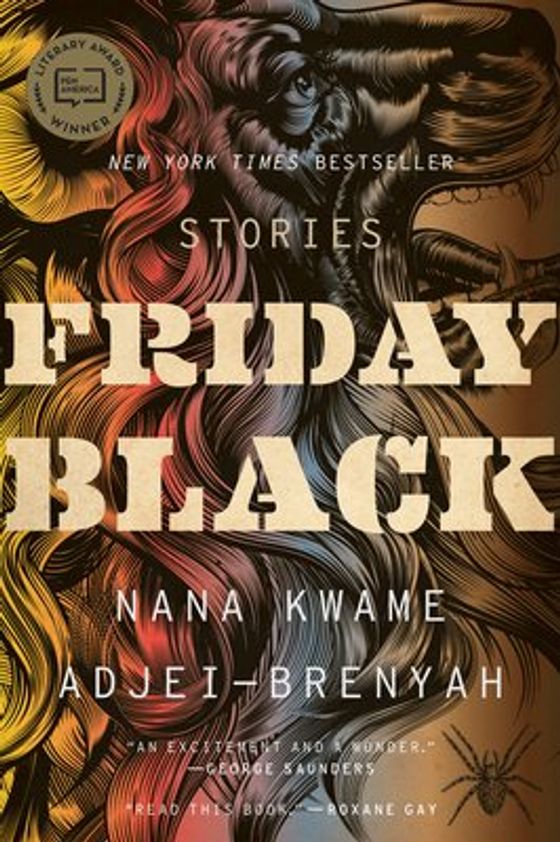
Friday Black
by Nana Kwame Adjei-Brenyah
America is the dystopia. These are the documents.
For you if
you already knew something was wrong but couldn't name its exact shape
⚡ Choose Your Route ⚡
Not sold directly on this site. Support indie bookstores with a new copy, or go sustainable with a used one.
Buy New on Bookshop.orgSupports independent bookstores
— OR —
Find Used on Better World BooksSecondhand & sustainable
$19 MSRP · Paperback
Reference price shown. Other editions may be available.
Nana Kwame Adjei-Brenyah takes twelve near-future stories and turns America's most ordinary violences into what they actually are: horror. In "The Finkelstein 5," a white man kills five Black children with a chainsaw and is acquitted — and the young protagonist watches his Blackness stop reading as charming and start reading as threat, in real time, as the verdict comes in. In "Zimmer Land," racism is a theme park where white customers pay to stand their ground. In "Friday Black," retail work on Black Friday is a literal soul-devouring hell. The form — speculative, satirical, tipped just past the real — is the argument. Adjei-Brenyah is not making racism into metaphor. He is using metaphor to make racism impossible to look away from.
Where This Book Lives
- Setting
- North America
- Voice
- Written by a North America author
Adjei-Brenyah was born in Queens to Ghanaian immigrant parents, grew up in Spring Valley, NY, and studied under George Saunders at Syracuse — you can feel that lineage in how he calibrates absurdism to cut rather than comfort. Friday Black won the PEN/Jean Stein Book Award ($75,000), was a finalist for the National Book Critics Circle's John Leonard Prize, and was shortlisted for the Dylan Thomas Prize. He's since won a Guggenheim Fellowship (2025) and published Chain-Gang All-Stars (2023), a National Book Award finalist. What's worth knowing formally: the speculative register is doing ethical work here. Placing a chainsaw murder of five Black children in a courtroom drama, or racism in a theme park structure, doesn't fictionalize these things — it defamiliarizes them just enough to make the mechanism visible. "The Finkelstein 5" is the clearest example: the story does what Claudia Rankine's Citizen does in verse, but in blood-red genre fiction. No documented US banning or challenge found — but this book sits squarely in the territory targeted by "racial content" and "anti-police" removal sweeps. The quiet kind. The kind that never makes the lists.
Related Viewing
Shares a topic, theme, or setting with this book in the catalog.
I Am Not Your Negro(2016)
dir. Raoul Peck
Same event: Black Lives Matter · Same theme: Bearing Witness
James Baldwin, still telling America the truth.
A documentary built from James Baldwin's own words, drawn from letters, interviews and the thirty pages of an unfinished manuscript about his friends Medgar Evers, Malcolm X and Martin Luther King Jr. Samuel L. Jackson reads Baldwin's text over archival footage, old Hollywood films and newsreels, and contemporary images of the same fights still being fought.
Why it’s here: The punk move is the structure: Peck refuses the usual documentary apparatus of talking-head experts and lets one voice, a writer who was long ignored and long right, carry the whole film, cutting it against the images that prove his point. The pedagogy is in how it teaches a way of seeing. Baldwin takes apart the stories America tells about itself and shows how film and popular culture manufacture them, which makes this as much a lesson in media literacy as in history. It is dense and unsparing, so it suits older teens and adults who are ready to sit with it.
Where to watch: Free on Tubi, rent on Apple TVLetterboxd ↗
13th(2016)
dir. Ava DuVernay
Same event: Mass Incarceration
The 13th Amendment's loophole built a prison nation.
Ava DuVernay's documentary traces one clause of the 13th Amendment, which abolished slavery except as punishment for a crime, from Reconstruction convict leasing through Jim Crow, the War on Drugs and the modern prison boom. Historians, activists and politicians make the case that mass incarceration is slavery's afterlife by another legal name.
Why it’s here: The punk move is the thesis itself: it reads the Constitution's own text as the loophole and then follows the money and the rhetoric, including footage of the politicians who built the machine, straight to the present. The pedagogy is in the method. It teaches a viewer to trace a single policy lever across 150 years instead of treating each era as a separate story, which is a transferable habit of mind. Worth knowing that some historians argue its straight line from slavery to prisons flattens a more tangled history, so watch it as a forceful argument rather than a settled account.
Where to watch: Streaming on NetflixLetterboxd ↗
Same event, different angle
The same history — told by someone who saw it differently.
Abolition. Feminism. Now.
Angela Y. Davis, Gina Dent, Erica R. Meiners & Beth E. Richie
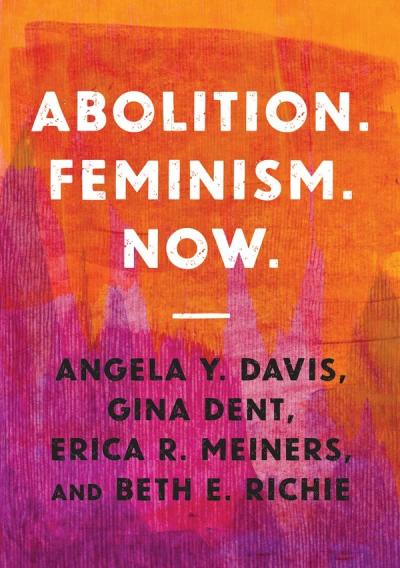
Safety without cages, built by feminists.
✦ READ – REFLECT → RESIST
Anger Is a Gift
Mark Oshiro
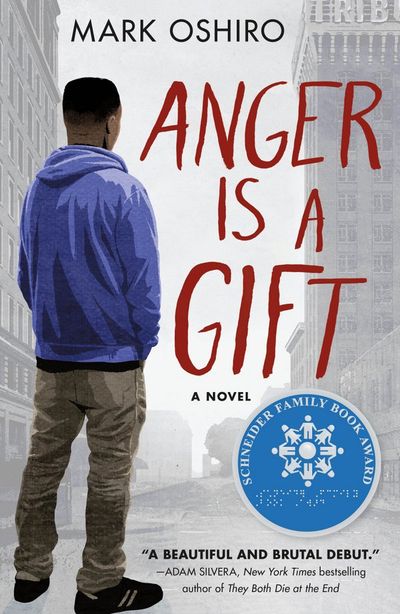
The anger you've been told to put down.
✦ READ – REFLECT → RESIST
Dear Martin
Nic Stone
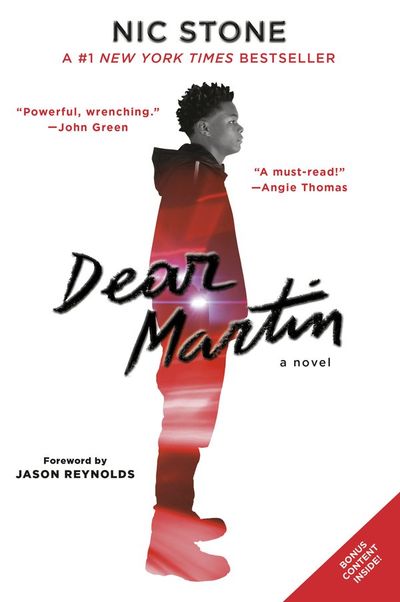
Letters to MLK from a kid in handcuffs.
✦ READ – REFLECT → RESIST
Punching the Air
Ibi Zoboi & Yusef Salaam
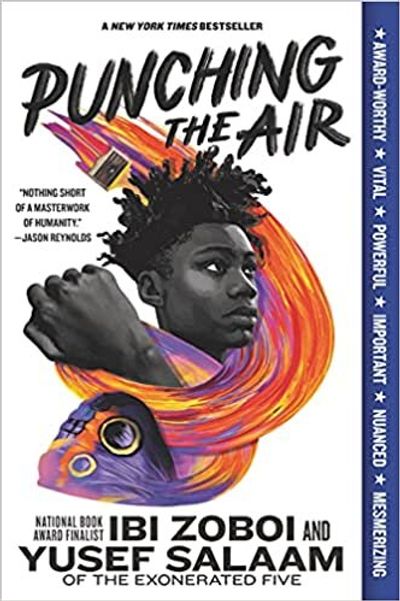
A teen artist, wrongly locked up. In verse.
✦ READ – REFLECT → RESIST
Same pattern, different era
Different time, different place. The same thing keeps happening.
Anger Is a Gift
Mark Oshiro
The anger you've been told to put down.
✦ READ – REFLECT → RESIST
Other People's Children: Cultural Conflict in the Classroom
Lisa Delpit
The unspoken rules schools never teach.
✦ READ – REFLECT → RESIST
White Noise
Don DeLillo
Death, media, and supermarket dread.
✦ READ – REFLECT → RESIST
I Must Say
Martin Short
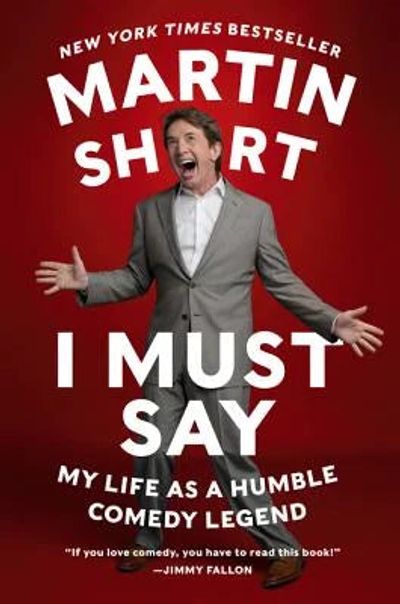
Martin Short: chaos in a bow tie.
✦ READ – REFLECT → RESIST
For the family bookshelf
Same idea, written for a younger reader. Good for reading together.
Brown Girl Dreaming
Jacqueline Woodson
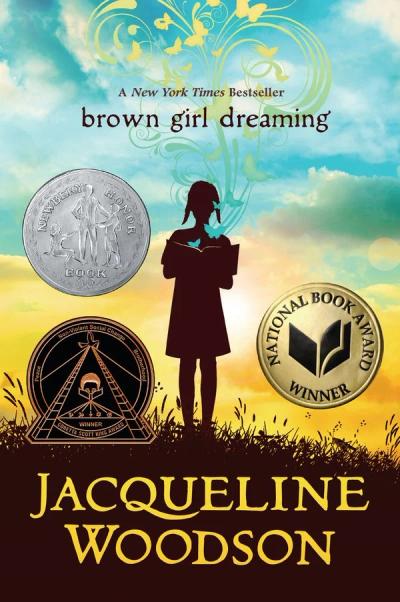
A Black girlhood in verse — history you can feel.
✦ READ – REFLECT → RESIST
Efrén Divided
Ernesto Cisneros
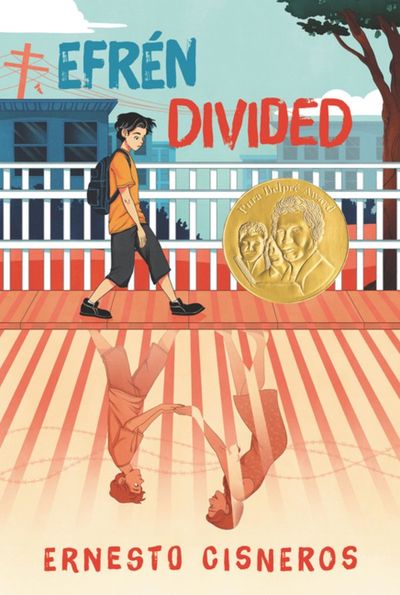
Family separation, from the inside.
✦ READ – REFLECT → RESIST
Ghost Boys
Jewell Parker Rhodes
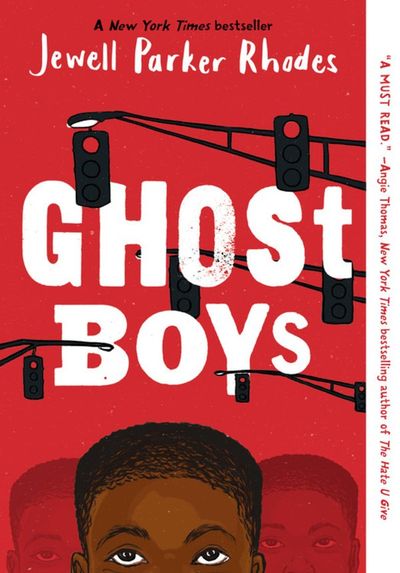
A boy killed by police tells it himself.
✦ READ – REFLECT → RESIST
Milo Imagines the World
Matt de la Peña
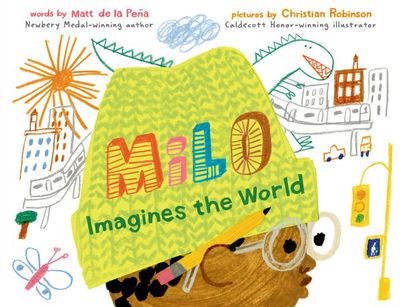
The kid you imagine, and the one who's real.
✦ READ – REFLECT → RESIST