
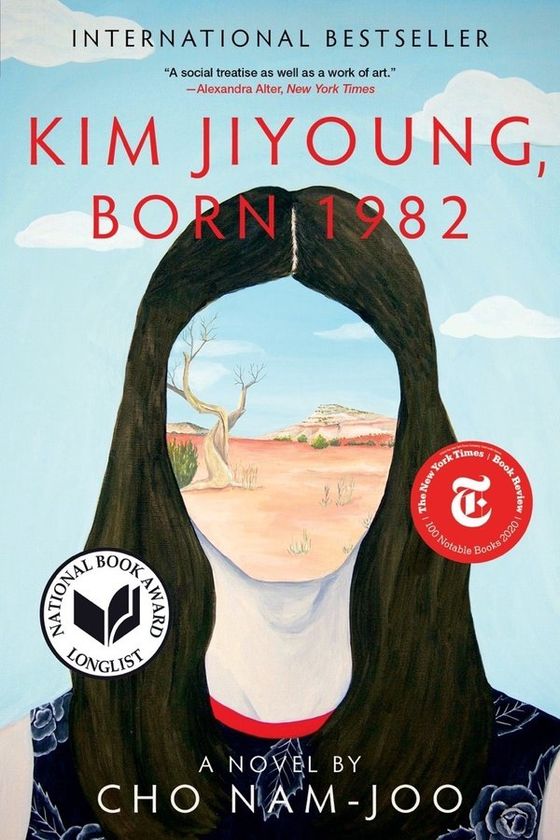
Kim Jiyoung, Born 1982
by Cho Nam-Joo
One woman's life. Every woman's system.
For you if
you've lived the small surrenders and never had a name for the pattern
⚡ Choose Your Route ⚡
Not sold directly on this site. Support indie bookstores with a new copy, or go sustainable with a used one.
Find Used on Better World BooksSecondhand & sustainable
$16 MSRP · Paperback
Reference price shown. Other editions may be available.
Kim Jiyoung is every Korean woman. She was born in 1982, raised to defer, educated to compete, hired to serve, and married into exhaustion — and Cho Nam-Joo tells her story as a psychiatrist's case file, assembling a lifetime of small surrenders with footnoted statistics that prove it's all policy, not coincidence. The novel's power is its methodology: it refuses sentimentality and replaces it with evidence. By the time Kim Jiyoung breaks — speaking in the voices of women she's loved and lost — you understand exactly what broke her. This is what systemic gender discrimination looks like from inside one woman's body, across one woman's lifetime.
Where This Book Lives
- Setting
- South Korea
- Voice
- Written by a South Korean author
Cho Nam-Joo published this in Korea in 2016 and within two years it had sold over a million copies — and triggered a furious backlash from Korean men who burned and cut up photos of any celebrity who admitted to reading it. That response is the proof of the book's thesis: when women simply name the system, the system defends itself. The novel is structured as a psychiatrist's case file, using real Korean statistics to make sure the argument can't be dismissed as one woman's feelings. It can't be. It's everyone's numbers.
Related Viewing
Shares a topic, theme, or setting with this book in the catalog.
Roma(2018)
dir. Alfonso Cuarón
Same themes: Domestic Labor, Women's Lives
The household runs on someone you don't see.
Mexico City, 1970-71. Cleo is a live-in domestic worker for a middle-class family whose father is walking out; she's also pregnant and abandoned, moving through a city on the edge of state violence. Cuarón shot it in black and white from his own childhood memories and the woman who raised him, letting the camera linger on the labor that holds a household up and gets no credit.
Why it’s here: The film is built on the argument that the people who keep a house running are the ones the house doesn't see. What's punk is its refusal to put the family's drama at the center and its quiet insistence on the nanny's. What's pedagogical is how class, race and gender sit in the same frame without commentary, and how a political massacre in the street is just part of a Tuesday for the people living through it.
Where to watch: Streaming on NetflixLetterboxd ↗

Atlantics(2019)
dir. Mati Diop
Same theme: Women's Lives
The men sailed for Spain. Their ghosts came back.
Dakar, Senegal. The young construction workers building a gleaming tower go months without pay and one night take a boat out to sea, hoping to reach Spain. Ada, promised to a wealthy man she doesn't love, is left behind with the women who loved them. Then strange fevers begin to spread, the workers' employer is made to answer for what he owes, and the missing start to return at night.
Why it’s here: The punk move is the genre: Diop takes the migration story that European cinema usually films from the boat or the border and tells it from the shore, as a love story that turns into a ghost story that turns into a demand for payment. The pedagogy is in what that reframing teaches. It shows the labor exploitation behind a luxury skyline, the women who are left to absorb the loss, and grief as something that can organize a community into action, without ever lecturing. It is slow and dreamlike, and some viewers will find it opaque, but that is part of how it asks you to look at who disappears and who pays.
Where to watch: Streaming on NetflixLetterboxd ↗
Same event, different angle
The same history — told by someone who saw it differently.
A Court of Thorns and Roses
Sarah J. Maas

Survival instincts don't stop at the Wall.
✦ READ – REFLECT → RESIST
Breathless
Jennifer Niven

A teen girl writes her own story.
✦ READ – REFLECT → RESIST
Forever...
Judy Blume

The teen novel they banned for telling the truth.
✦ READ – REFLECT → RESIST
Pachinko
Min Jin Lee
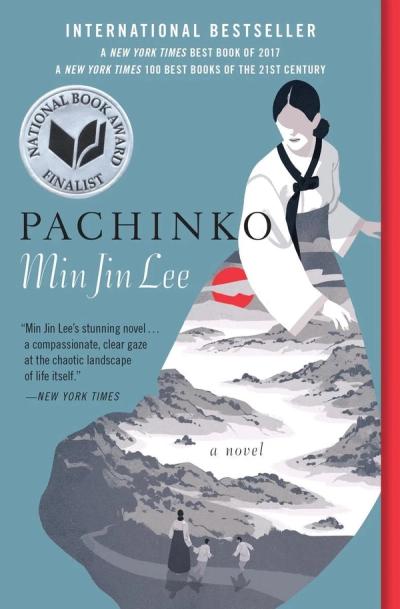
Four generations of Koreans in Japan. Never fully belonging.
✦ READ – REFLECT → RESIST
Same pattern, different era
Different time, different place. The same thing keeps happening.
A Year of Biblical Womanhood
Rachel Held Evans

She followed the rules. The rules lost.
✦ READ – REFLECT → RESIST
Abolition. Feminism. Now.
Angela Y. Davis, Gina Dent, Erica R. Meiners & Beth E. Richie
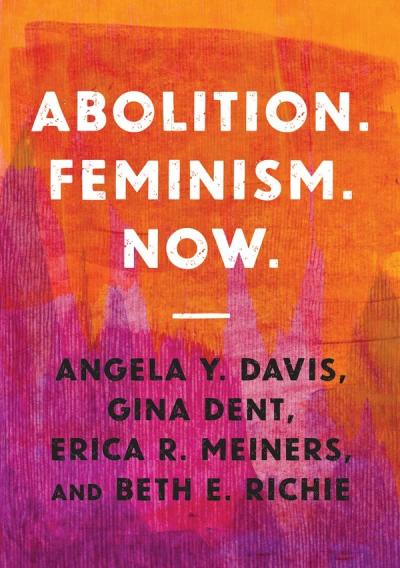
Safety without cages, built by feminists.
✦ READ – REFLECT → RESIST
Aristophanes' Lysistrata: A Dual Language Edition
Aristophanes
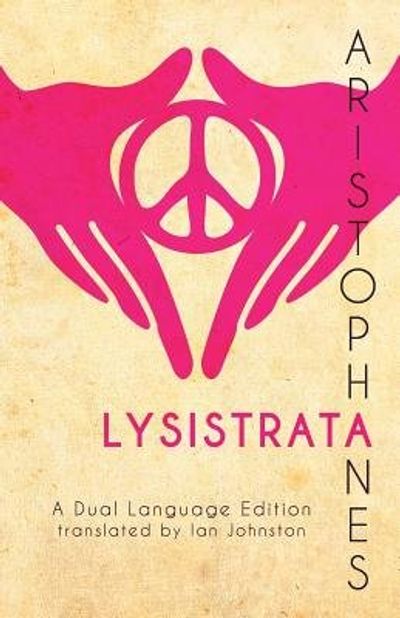
The oldest sex strike in history. Still works.
✦ READ – REFLECT → RESIST
Ferdydurke
Witold Gombrowicz

Society made you small. This is how.
✦ READ – REFLECT → RESIST
Flip the lens
Same country. Now hear it from the other side.
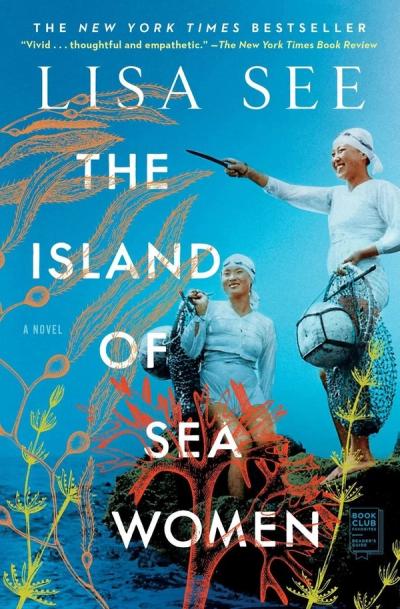
For the family bookshelf
Same idea, written for a younger reader. Good for reading together.
We Should All Be Feminists
Chimamanda Ngozi Adichie
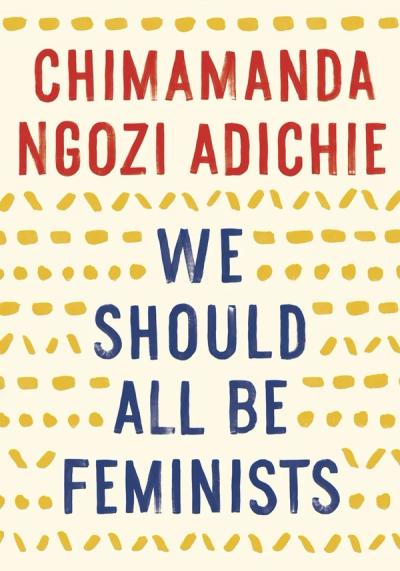
Equality, but make it obvious.
✦ READ – REFLECT → RESIST
Down Girl
Kate Manne
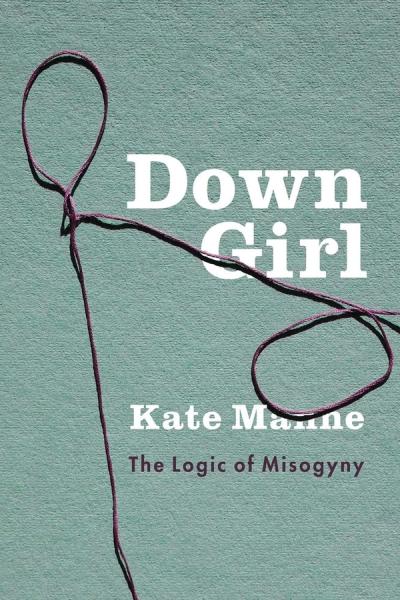
Misogyny is enforcement, not emotion.
✦ READ – REFLECT → RESIST
When We Were Alone
David A. Robertson
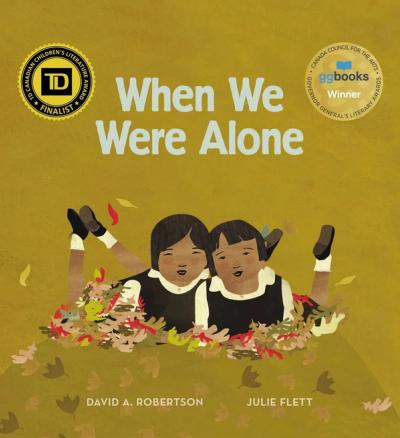
Why does grandma keep her hair long? Because they made her cut it.
✦ READ – REFLECT → RESIST
Blood and Guts in High School
Kathy Acker

Punk literature at its most uncompromising. Not for everyone.
✦ READ – REFLECT → RESIST