
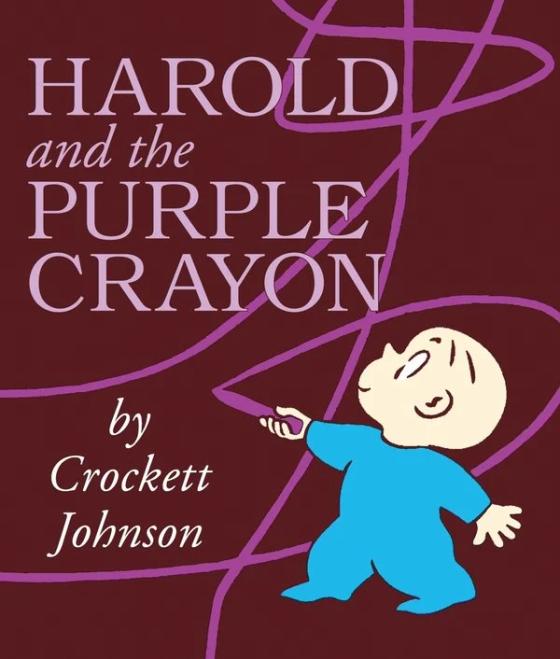
Harold and the Purple Crayon
by Crockett Johnson
Draw your world. Then draw your way home.
For you if
your kid needs to know they can draw their way out of anything
⚡ Choose Your Route ⚡
Not sold directly on this site. Support indie bookstores with a new copy, or go sustainable with a used one.
Buy New on Bookshop.orgSupports independent bookstores
— OR —
Find Used on Better World BooksSecondhand & sustainable
$10 MSRP · Hardcover
Reference price shown. Other editions may be available.
Harold is three. He has a purple crayon. He can't sleep. So he draws himself a world — a path through the moonlight, a dragon to guard the apple tree, a sea, a picnic when he's hungry, a hot air balloon when he needs height, and finally a window and a moon so he can find his way home. This is a picture book about making. Harold doesn't ask for permission. He doesn't wait for someone to lay out the path. He draws the path, then walks it. When he gets lost, he draws himself unlost. It's one of the first things we hand children, and it contains a genuinely radical idea: you don't have to wait for the world to be ready. You draw it. Published 1955. Still true.
Where This Book Lives
- Themes
- art-makingchildhoodchildhood independencecreativityimaginative playintrinsic motivationself-reliancewonder and discovery
- Topics
- reggio emiliasurrealism
While Crockett Johnson was drawing Harold, the FBI was building a 114-page file on him — tracking his left-wing affiliations, his support for racial justice causes, his backing of Henry Wallace. They labeled him a "concealed Communist." He wasn't. He was a man who believed in things, and drew a child who makes his own world without asking for permission. Harold belongs in DoCR's founding mythology. He's exactly what we mean when we say "childish" is a virtue.
Related Viewing
Shares a topic, theme, or setting with this book in the catalog.
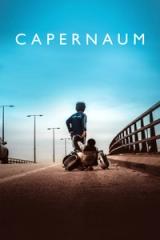
Capernaum(2018)
dir. Nadine Labaki
Same theme: Childhood
A kid sues his parents for giving him this life.
A Lebanese boy living on the street sues his parents for having him, and the film unwinds backward through the neglect and poverty that brought him there.
Why it’s here: Cast almost entirely with non-professional actors living some version of the story on screen — a 12-year-old's lawsuit against his own parents is the frame, but the real indictment is everything that made the lawsuit make sense to him.
Where to watch: Rent on Apple TVLetterboxd ↗
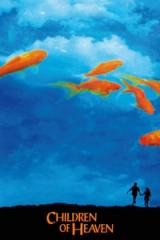
Children of Heaven(1997)
dir. Majid Majidi
Same theme: Childhood
One pair of shoes between a brother and sister.
In a poor neighborhood of Tehran, nine-year-old Ali loses his little sister Zahra's only pair of shoes. Their family can't afford another pair, and their father can barely cover the rent, so the two keep it secret and share Ali's sneakers, swapping them between her morning school shift and his afternoon one. Ali sees a chance to win a pair at a children's race, and everything comes down to it.
Why it’s here: The punk move is the scale: Majidi makes a film about poverty without a villain, a speech or a rescue, and trusts the children's point of view to carry all of it. Nothing in it is shouted. The shoes are the whole argument. The pedagogy is in that restraint. A young viewer sees what a missing pair of shoes costs a family, how kids shield their parents from shame, and how much dignity and care two siblings can hold at once. It is warm and funny and never sentimental, and it is an easy first film from outside the English-speaking world. Majidi worked inside Iran's censorship system, and the film keeps politics out of frame by design, so its critique of class comes through the situation and not through anything the characters say. Good for the whole family, with subtitles.
Where to watch: Free on Kanopy, HooplaLetterboxd ↗
Same pattern, different era
Different time, different place. The same thing keeps happening.
Amal Unbound
Aisha Saeed
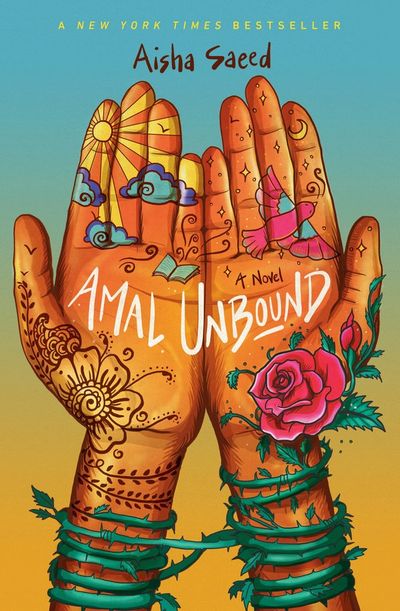
The debt wasn't hers. The cage is.
✦ READ – REFLECT → RESIST
Brown Girl Dreaming
Jacqueline Woodson
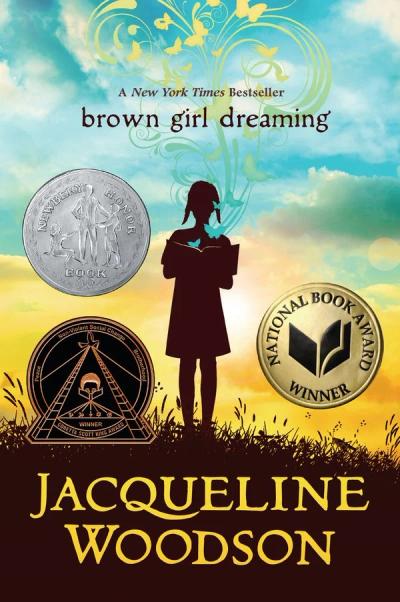
A Black girlhood in verse — history you can feel.
✦ READ – REFLECT → RESIST
Milo Imagines the World
Matt de la Peña
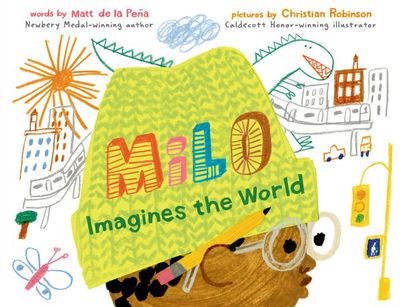
The kid you imagine, and the one who's real.
✦ READ – REFLECT → RESIST
Say Something!
Peter H. Reynolds
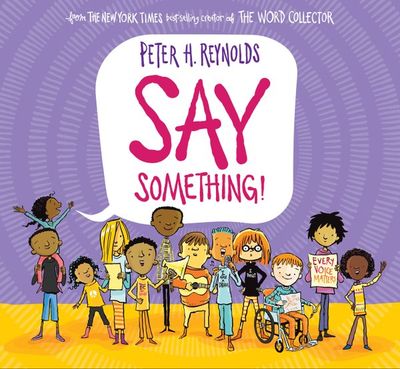
You don't need permission to speak up.
✦ READ – REFLECT → RESIST
For the grown-up bookshelf
Same idea, written for a grown-up. Good for the adult in the room, too.
Aké: The Years of Childhood
Wole Soyinka
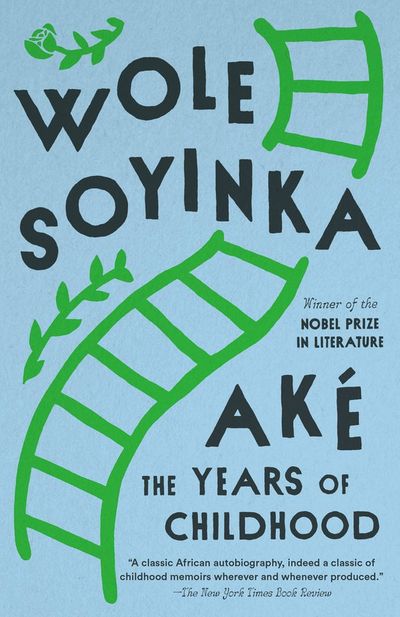
A colonial childhood, one question at a time.
✦ READ – REFLECT → RESIST
Beautiful Trouble: A Toolbox for Revolution
Andrew Boyd & Dave Oswald Mitchell (eds.)
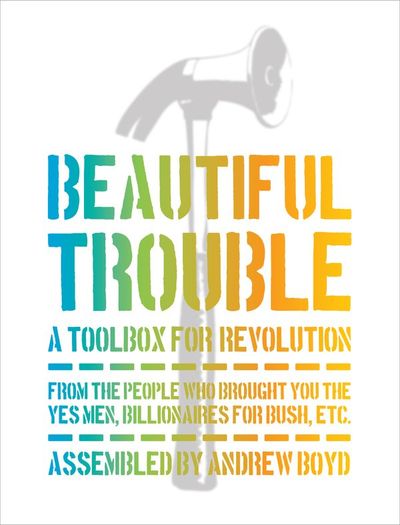
A tactics manual for making trouble well.
✦ READ – REFLECT → RESIST
Blankets
Craig Thompson
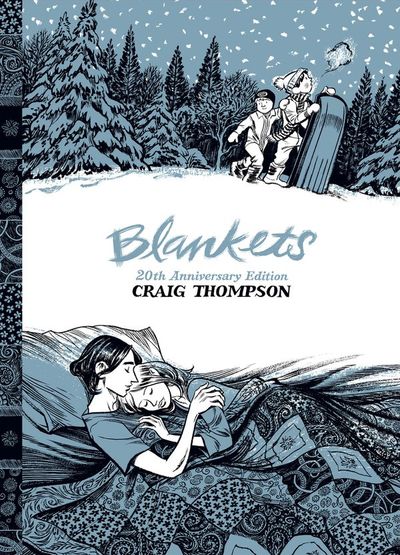
The memoir that proved comics could break your heart.
✦ READ – REFLECT → RESIST
Ferdydurke
Witold Gombrowicz
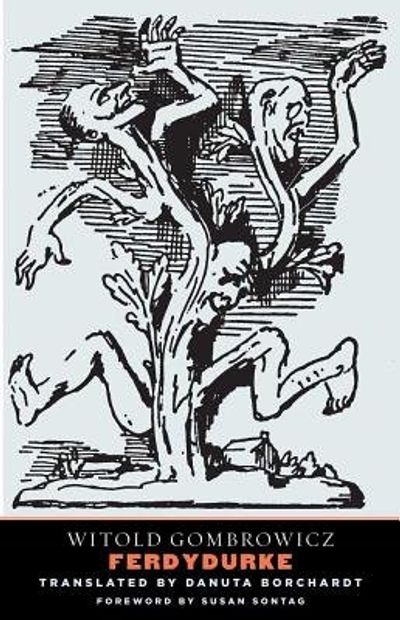
Society made you small. This is how.
✦ READ – REFLECT → RESIST