
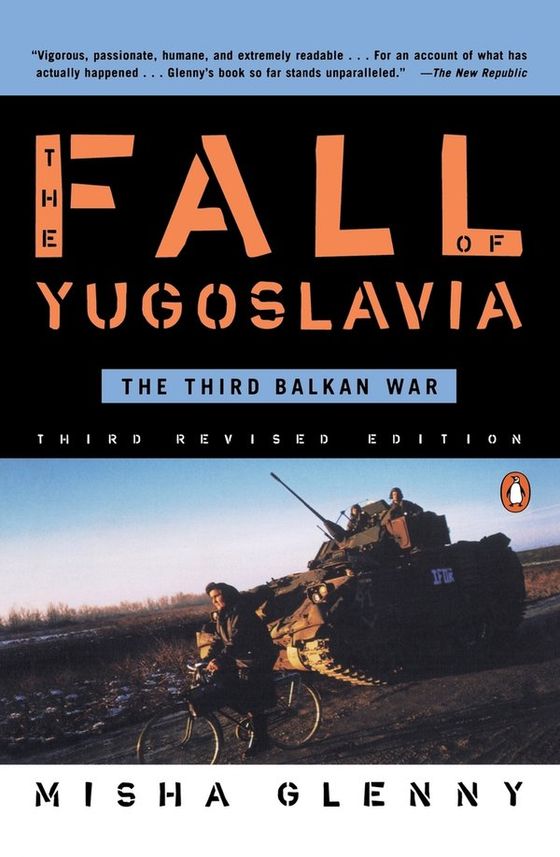
The Fall of Yugoslavia: The Third Balkan War
by Misha Glenny
It happened in Europe. In your lifetime.
For you if
you need to understand how genocide happens in living memory
⚡ Choose Your Route ⚡
Not sold directly on this site. Support indie bookstores with a new copy, or go sustainable with a used one.
Buy New on Bookshop.orgSupports independent bookstores
— OR —
Find Used on Better World BooksSecondhand & sustainable
$18 MSRP · Paperback
Reference price shown. Other editions may be available.
In 1991, Misha Glenny drove into a war that most of the world hadn't yet decided was happening. The Fall of Yugoslavia is his dispatch from the front lines of the Balkan Wars — Croatia, Slovenia, Bosnia, Macedonia — reported in real time as a BBC correspondent on the ground while politicians in Brussels and Washington debated whether what they were watching counted as ethnic cleansing. What Glenny shows, scene by devastating scene, is how ordinary people become perpetrators and victims of atrocity when nationalist leaders decide that yesterday's neighbor is today's enemy. This isn't comprehensive history — it was written as events unfolded, revised once after Dayton, still carrying the texture of immediate witness. But that's also why it's necessary: it shows how fast it can go, what international inaction costs, and how quickly "it can't happen here" becomes the most dangerous sentence in a language.
Where This Book Lives
- Setting
- Eastern Europe
- Voice
- An outside perspective on Eastern Europe
Glenny was a BBC correspondent in the region when Yugoslavia began to come apart, and this book is dispatches from that — not a historian's account but a journalist's, written in real time and revised once after Dayton. That matters: the book carries the limitations of its moment alongside its extraordinary immediacy. Some scholars have argued Glenny's framing had blind spots, particularly around Serbian perspectives, and the book is contested territory among Balkan historians — worth knowing going in. What it has that no retrospective account can replicate is the witness itself: what it felt like to watch Europe's first genocide since the Holocaust unfold while international institutions negotiated the grammar of their response. The Yugoslav Wars are a test case for how fast ordinary life becomes atrocity when nationalist leaders decide to make it so. That lesson doesn't have an expiration date.
Related Viewing
Shares a topic, theme, or setting with this book in the catalog.
Hearts and Minds(1974)
dir. Peter Davis
Same event: Cold War · Same theme: War and Civilians
Vietnam, in the words of those who waged it.
A documentary about the American war in Vietnam, made while the war was still being fought. Davis intercuts interviews with generals, officials, pilots, veterans, grieving Vietnamese families and ordinary Americans, setting the language of policy against what that policy did on the ground and at home.
Why it’s here: The punk move is the editing: Davis lets the war's architects talk at length, then cuts their words against a funeral, a bombed village or a cheering football crowd, and trusts the audience to feel the gap. The pedagogy is in how the film teaches viewers to hear the language of power, euphemism and abstraction included, while looking at what it covers up. Worth knowing that the juxtaposition is the argument, and General Westmoreland and others objected that their words were framed unfairly, so watch it as a persuasive documentary, not a neutral record.
Where to watch: Criterion Channel, HBO MaxLetterboxd ↗
Dr. Strangelove or: How I Learned to Stop Worrying and Love the Bomb(1964)
dir. Stanley Kubrick
Same event: Cold War
Laughing so you don't scream, since 1964.
A rogue Air Force general triggers an unrecallable nuclear strike on the USSR, and the War Room scrambles — bureaucratically, absurdly — to stop the end of the world.
Why it’s here: The original 'laugh so you don't scream' text — mutually assured destruction played entirely for farce, and the farce is the argument: absurdity is what nuclear brinkmanship actually looks like from the inside.
Where to watch: Rent on Apple TV, AmazonLetterboxd ↗
Same event, different angle
The same history — told by someone who saw it differently.
How to Be a Fascist: A Manual
Michela Murgia
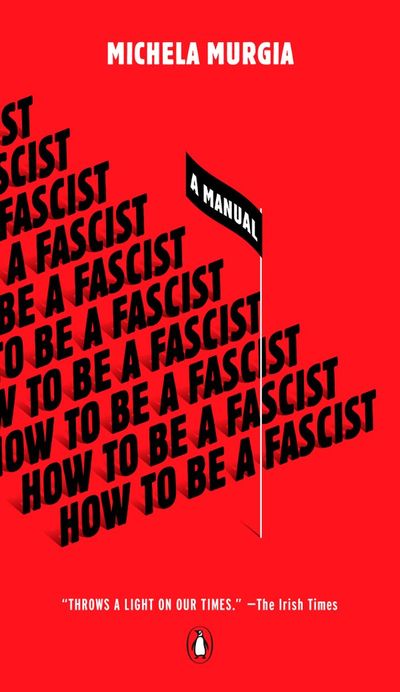
The fascist media playbook, step by step.
✦ READ – REFLECT → RESIST
I Go Pogo
Walt Kelly
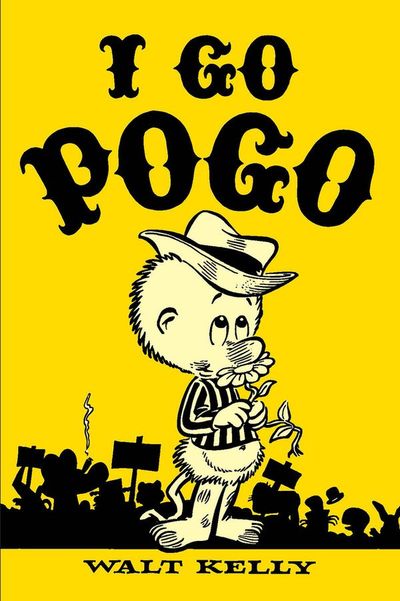
The strip that put a bag on McCarthy's head.
✦ READ – REFLECT → RESIST
Our Man in Havana
Graham Greene
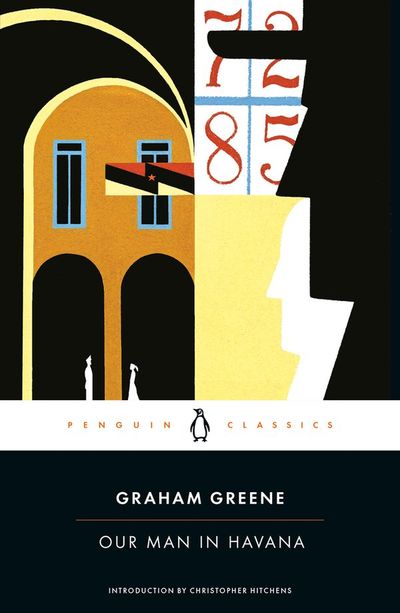
A vacuum salesman fools the spy agency.
✦ READ – REFLECT → RESIST
Cat's Cradle
Kurt Vonnegut
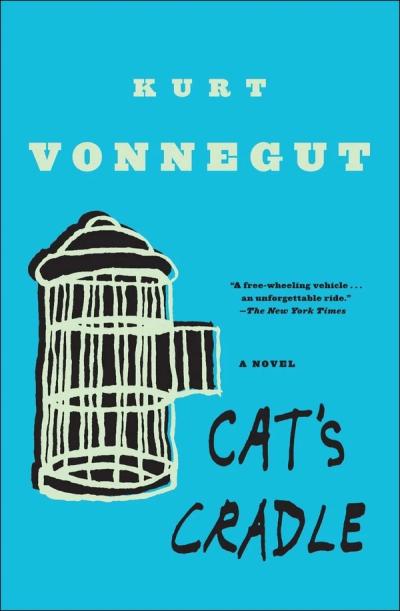
A religion built on lies. A substance that ends the world. Both feel true.
✦ READ – REFLECT → RESIST
Same pattern, different era
Different time, different place. The same thing keeps happening.
American War
Omar El Akkad
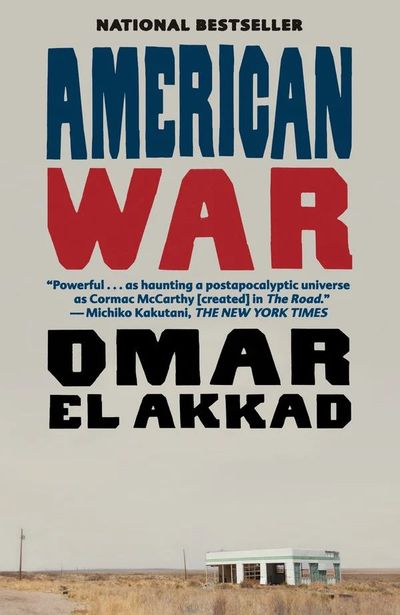
The second American Civil War. Told by a Southern refugee.
✦ READ – REFLECT → RESIST
The Hate U Give
Angie Thomas
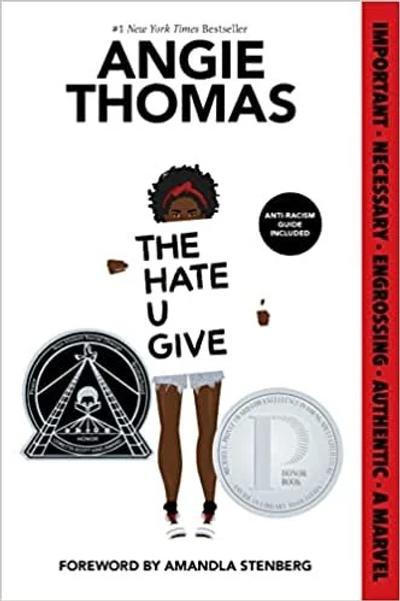
Witness. Target. Survivor.
✦ READ – REFLECT → RESIST
The Librarian of Auschwitz
Antonio Iturbe
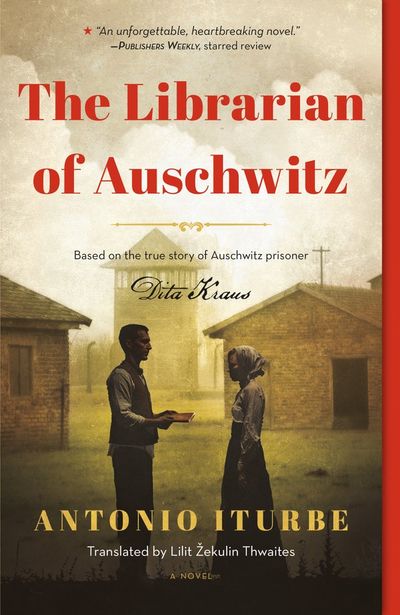
Eight books. One library. One defiant act.
✦ READ – REFLECT → RESIST
The Marrow Thieves
Cherie Dimaline

The residential school system, as dystopia.
✦ READ – REFLECT → RESIST
For the family bookshelf
Same idea, written for a younger reader. Good for reading together.
Amina's Voice
Hena Khan

A shy girl sings out after her mosque is attacked.
✦ READ – REFLECT → RESIST
Big Red Lollipop
Rukhsana Khan
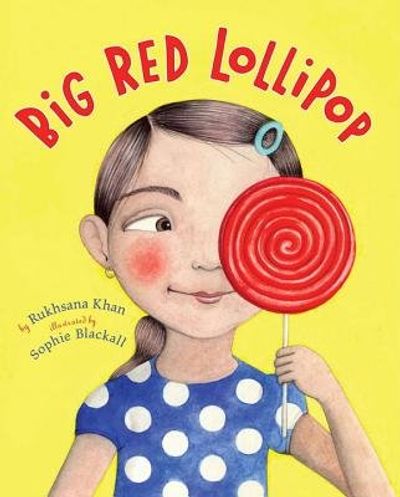
A big sister, a birthday party, and who gets included.
✦ READ – REFLECT → RESIST
Brown Girl Dreaming
Jacqueline Woodson
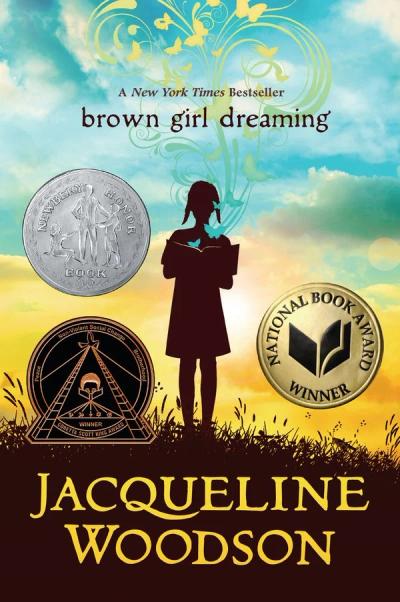
A Black girlhood in verse — history you can feel.
✦ READ – REFLECT → RESIST
The Boy at the Back of the Class
Onjali Q. Raúf
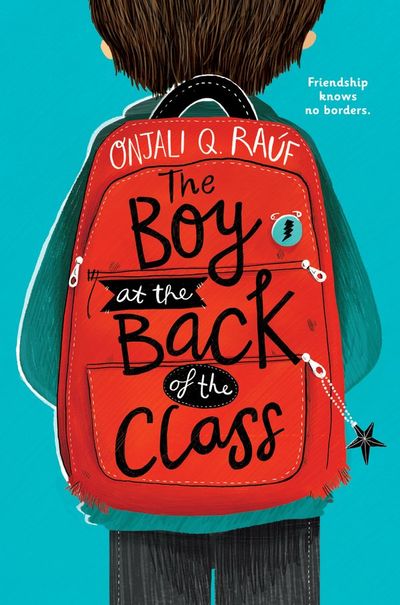
Four kids, one new boy, one enormous plan.
✦ READ – REFLECT → RESIST