
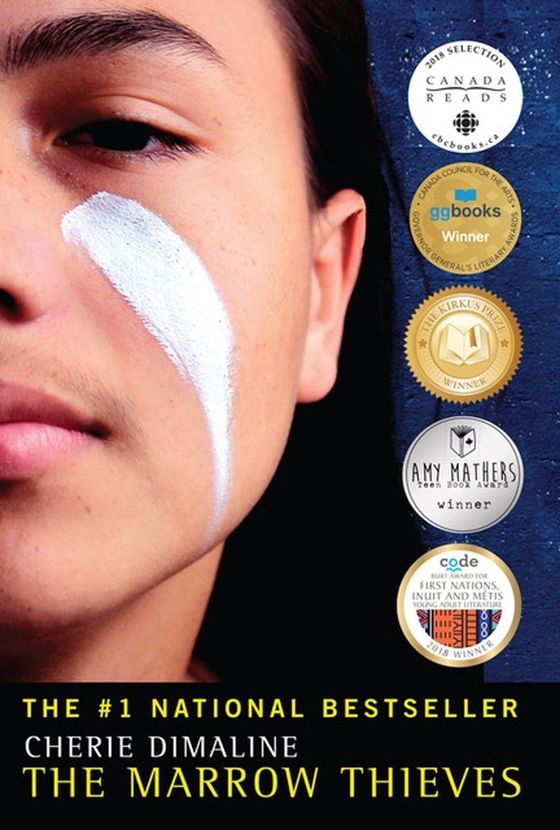
The Marrow Thieves
by Cherie Dimaline
The residential school system, as dystopia.
For you if
you need the kind of hope that knows exactly what it's up against
⚡ Choose Your Route ⚡
Not sold directly on this site. Support indie bookstores with a new copy, or go sustainable with a used one.
Buy New on Bookshop.orgSupports independent bookstores
— OR —
Find Used on Better World BooksSecondhand & sustainable
$17 MSRP · Paperback
Reference price shown. Other editions may be available.
The world ended in stages. First climate collapse — the usual human failures compounding into catastrophe. Then something stranger: the rest of humanity lost the ability to dream. Scientists found it intact in Indigenous people, buried in bone marrow. So the government built institutions for collecting it. Frenchie is Métis, seventeen, moving north through a ravaged Canada with a found family of survivors — elders, children, people from a dozen nations — staying ahead of the Recruiters sent to take them. Cherie Dimaline wrote a dystopian thriller that is also unmistakably about residential schools: the same justifications, the same machinery, the same gap between what the state calls it and what it actually is. The monster isn't a metaphor. It just has a new name.
In effect right now
Somebody decided you shouldn’t read this. Read it this week.
It only works if nobody notices. Get a copy, pass it on, and tell the people who made the call that you did.
The parent who challenged it in Bozeman called it "racially hostile to white people." A book about a Métis teenager running from a government that hunts Indigenous people for their bone marrow — which is also a book about every generation of children taken by residential schools — was called racially hostile to white people. The logic is worth sitting with. A book that depicts colonial violence, written by a Métis author whose community survived that violence, became threatening precisely because it was clear about who the violence was directed at. The challenge failed. The book stayed. But "racially hostile to white people" will keep appearing as an objection until we stop pretending it isn't a genre designed to protect a comfortable version of history.
The record
Florida school districts
2024
Removed from school libraries · Students in at least one Florida district
Initiated by: parent or community challenge
In effect nowLast verified Oct 18, 2026Source ↗
Bozeman School District, MT
2023
Challenged (not removed)
Kept in ninth-grade English at Gallatin High
Initiated by: parent or community challenge
HistoricalSource ↗
Where This Book Lives
- Setting
- Canada
- Voice
- Written by a Canadian author
Cherie Dimaline is Métis, from the Georgian Bay Métis Community in Ontario. The residential school allegory isn't subtext — she's said in interviews that the marrow-harvesting premise came directly from thinking about what the residential school system was actually doing: extracting something essential from Indigenous children and using it to sustain a colonial state. The dystopian scaffolding makes the mechanism legible to young readers who might otherwise resist the history. The book swept awards when it came out: Governor General's Literary Award, Kirkus Prize, Burt Award for First Nations, Métis and Inuit Literature, Sunburst Award. Taught widely in Canadian schools and increasingly in US classrooms. In 2023, a parent in Bozeman, Montana challenged it at Gallatin High School — citing "racially hostile content aimed at white people," profanity, sexual content, and criticism of Catholicism. The principal, superintendent, review committee, and school board all voted unanimously to keep it. The challenge failed at every level. That's worth noting: the institutions worked. That doesn't mean the challenge didn't happen or didn't cost something to fight.
Related Viewing
Shares a topic, theme, or setting with this book in the catalog.
Indian Horse(2017)
dir. Stephen S. Campanelli
Same event: Canadian Indian Residential School System · Same themes: Hope and Resilience, Indigenous Identity
Hockey couldn't save him from what came before.
Torn from his Ojibway family and committed to a Catholic residential school in 1950s Ontario, Saul Indian Horse survives institutional abuse and finds an unlikely refuge in hockey — though the game can't undo what the school did. Adapted from Richard Wagamese's novel.
Why it’s here: Punk in refusing to let athletic triumph erase institutional abuse — Saul's hockey talent doesn't heal the residential school system that tried to break him. Pedagogical in showing how trauma and skill can coexist in the same body without cancelling each other out.
Where to watch: Streaming on Kanopy, Roku ChannelLetterboxd ↗
An Inconvenient Truth(2006)
dir. Davis Guggenheim
Same event: Climate Change
The slideshow that made climate change unavoidable.
Al Gore's traveling slideshow on climate change, expanded into a film that helped move global warming from a fringe concern into mainstream urgency.
Why it’s here: A former vice president turned a slideshow into a movie and it worked — not because the science was new, but because someone finally said it plainly and often enough that it stopped being deniable in polite company.
Where to watch: Streaming on Paramount+Letterboxd ↗
Same event, different angle
The same history — told by someone who saw it differently.
Doughnut Economics
Kate Raworth

The economy we need, drawn as a doughnut.
✦ READ – REFLECT → RESIST
End Times Fascism: And the Fight for the Living World
Naomi Klein and Astra Taylor
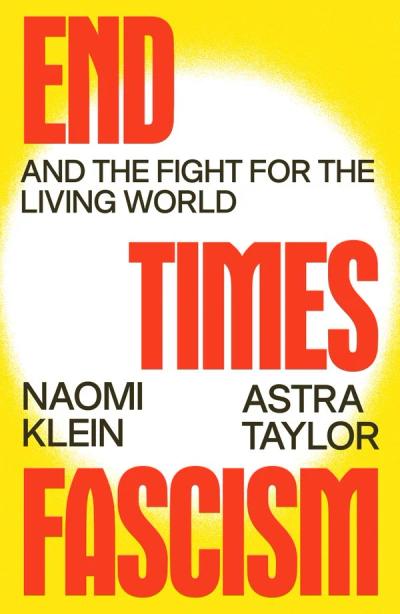
Apocalypse as political strategy.
✦ READ – REFLECT → RESIST
The Ice at the End of the World
Jon Gertner
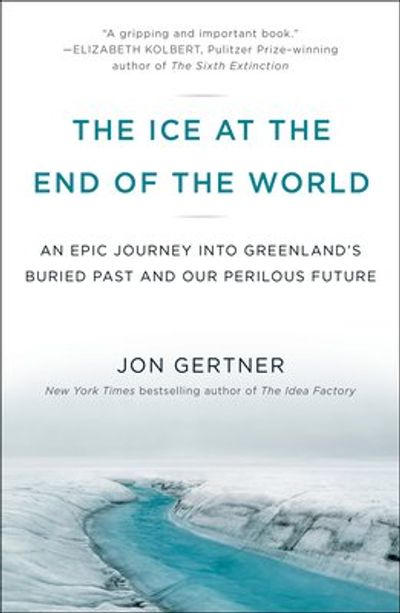
The Greenland ice sheet is melting. This is what that means.
✦ READ – REFLECT → RESIST
All We Can Save
Ayana Elizabeth Johnson & Katharine Wilkinson (eds.)

Sixty women on the climate crisis. Science, poetry, grief, and action.
✦ READ – REFLECT → RESIST
Same pattern, different era
Different time, different place. The same thing keeps happening.
Hope in the Dark
Rebecca Solnit
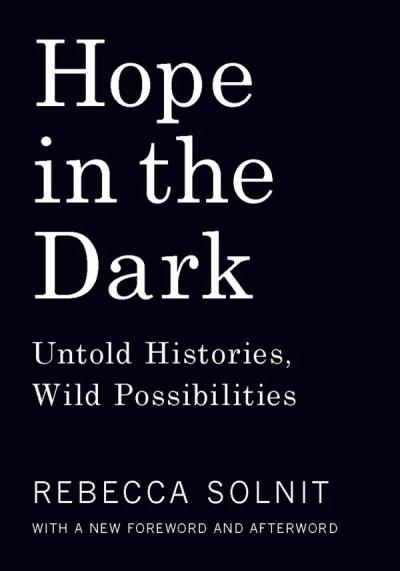
Hope is a practice, not a feeling.
✦ READ – REFLECT → RESIST
Pedagogy of Hope
Paulo Freire
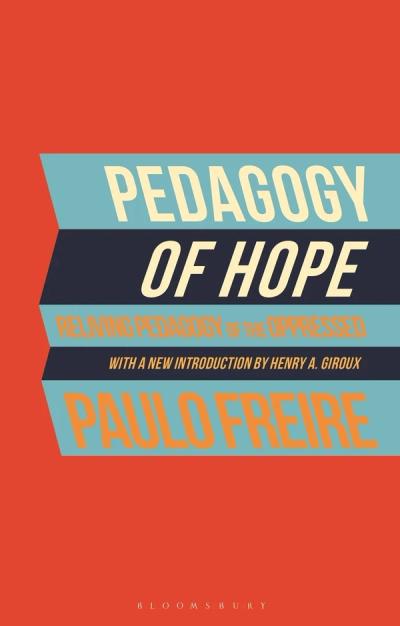
The revolution’s still in session.
✦ READ – REFLECT → RESIST
Too Much Lip
Melissa Lucashenko
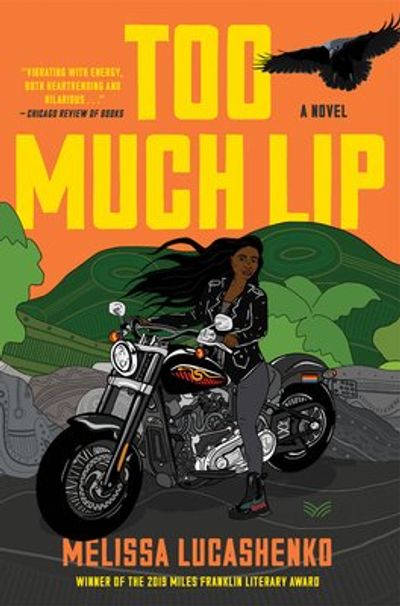
A Murri woman comes home to save her family's land from a prison.
✦ READ – REFLECT → RESIST
The House in the Cerulean Sea
TJ Klune
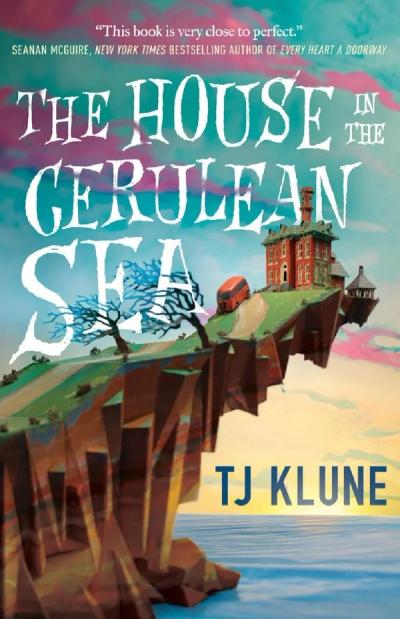
Six 'dangerous' kids. One house. The danger was the file.
✦ READ – REFLECT → RESIST
Flip the lens
Same country. Now hear it from the other side.
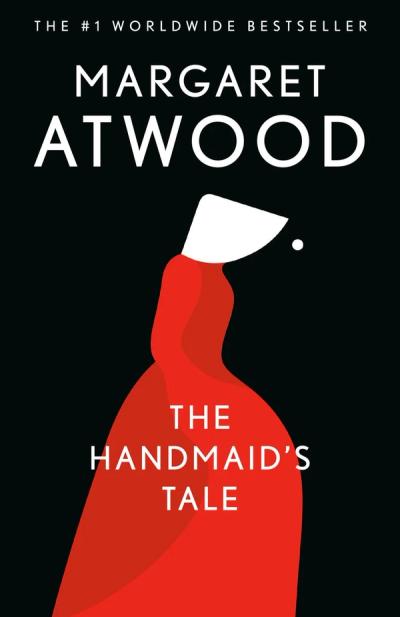
For the family bookshelf
Same idea, written for a younger reader. Good for reading together.
Efrén Divided
Ernesto Cisneros
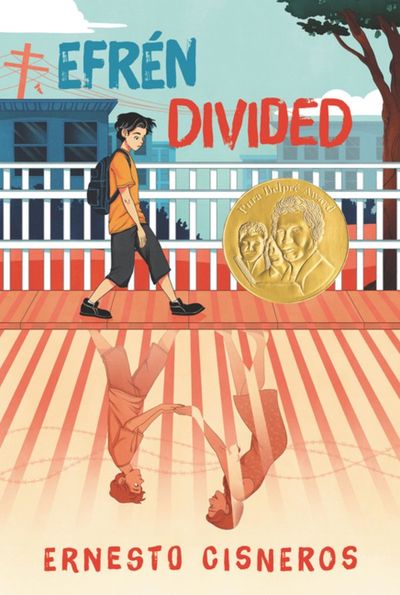
Family separation, from the inside.
✦ READ – REFLECT → RESIST
When We Were Alone
David A. Robertson
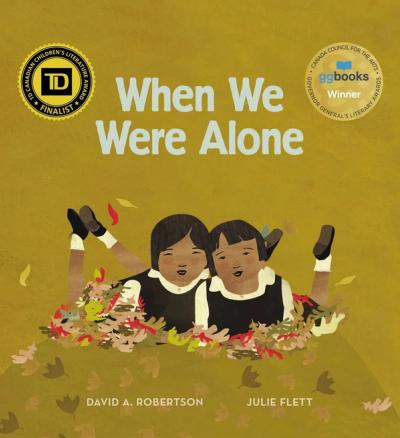
Why does grandma keep her hair long? Because they made her cut it.
✦ READ – REFLECT → RESIST
The Giver
Lois Lowry
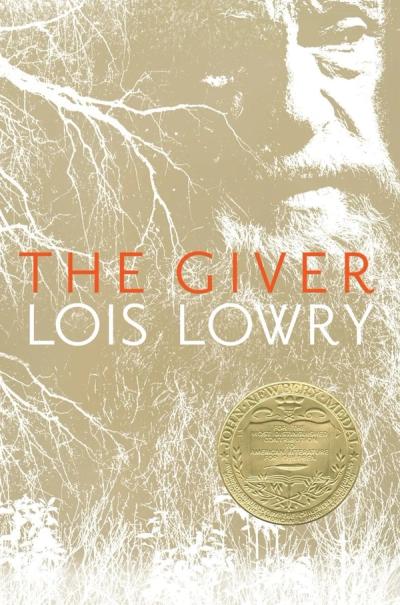
Memory is what they banned. He got it anyway.
✦ READ – REFLECT → RESIST
Sulwe
Lupita Nyong'o
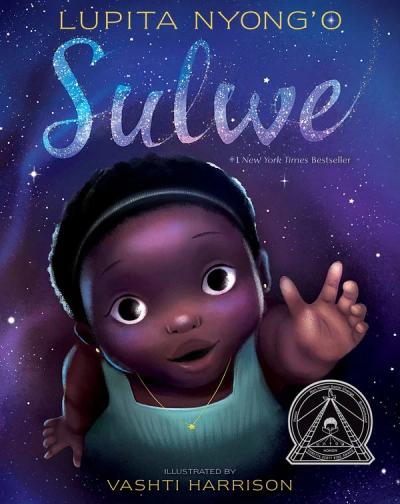
The darkest star learns to shine.
✦ READ – REFLECT → RESIST