
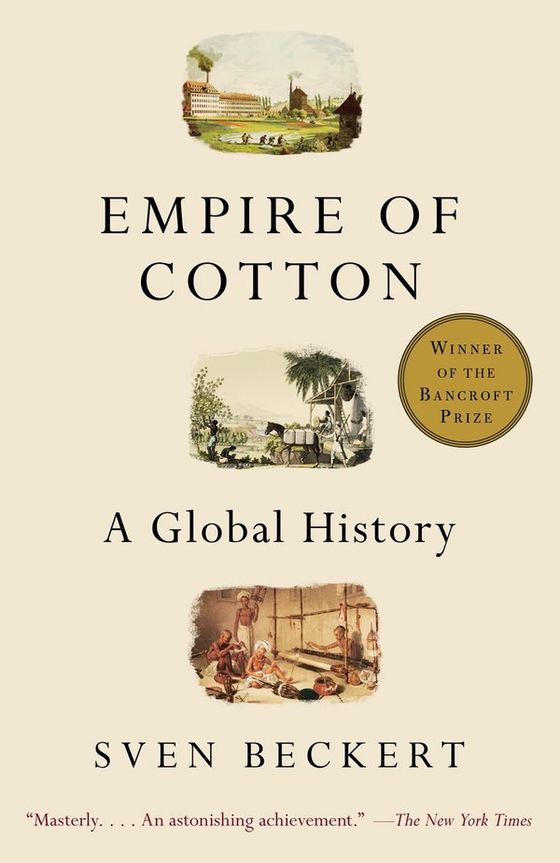
Empire of Cotton: A Global History
by Sven Beckert
The T-shirt that built capitalism.
For you if
you want to know where capitalism's money really came from.
⚡ Choose Your Route ⚡
Not sold directly on this site. Support indie bookstores with a new copy, or go sustainable with a used one.
Buy New on Bookshop.orgSupports independent bookstores
— OR —
Find Used on Better World BooksSecondhand & sustainable
$22 MSRP · Paperback
Reference price shown. Other editions may be available.
Beckert follows one plant and shows that the modern economy grew out of it. Cotton took slavery, stolen land and state violence and turned them into factories, banks and a global market, and he calls the result 'war capitalism.' By the end, 'free markets' sounds like the story the winners told about how they won, and you can't unsee the chains inside your own closet.
Where This Book Lives
Beckert is a Harvard historian, and this won the Bancroft Prize. It's long and dense but built on a clean thesis, and it's the best single book on how slavery and industrial capitalism fed each other. A natural partner for Capitalism and Slavery, which we suggested last week, and The Half Has Never Been Told.
Related Viewing
Shares a topic, theme, or setting with this book in the catalog.
13th(2016)
dir. Ava DuVernay
Same event: Slavery in the United States · Same theme: Slavery
The 13th Amendment's loophole built a prison nation.
Ava DuVernay's documentary traces one clause of the 13th Amendment, which abolished slavery except as punishment for a crime, from Reconstruction convict leasing through Jim Crow, the War on Drugs and the modern prison boom. Historians, activists and politicians make the case that mass incarceration is slavery's afterlife by another legal name.
Why it’s here: The punk move is the thesis itself: it reads the Constitution's own text as the loophole and then follows the money and the rhetoric, including footage of the politicians who built the machine, straight to the present. The pedagogy is in the method. It teaches a viewer to trace a single policy lever across 150 years instead of treating each era as a separate story, which is a transferable habit of mind. Worth knowing that some historians argue its straight line from slavery to prisons flattens a more tangled history, so watch it as a forceful argument rather than a settled account.
Where to watch: Streaming on NetflixLetterboxd ↗
Daughters of the Dust(1991)
dir. Julie Dash
Same event: Slavery in the United States
Gullah women on the eve of leaving the Sea Islands.
1902, the Sea Islands off the Georgia and South Carolina coast. Three generations of Gullah women gather for a last day together before part of the family migrates north to the mainland, weighing what they carry from their African ancestors against what the future is calling them toward.
Why it’s here: The punk move is the form: Julie Dash refused the pacing, plot and explanatory voiceover a Hollywood period drama expects, and built a film from Gullah language, ritual and memory instead, narrated partly by an unborn child. The pedagogy is in what that costs and gives you. It teaches a viewer to read a culture on its own terms, and puts the question of what a family keeps and what it lets go at the center rather than treating it as backdrop. It is slow and non-linear by design, so it rewards a second watch and a conversation afterward more than a casual first one.
Where to watch: Criterion Channel, TubiLetterboxd ↗
Same event, different angle
The same history — told by someone who saw it differently.
Capitalism and Slavery
Eric Williams
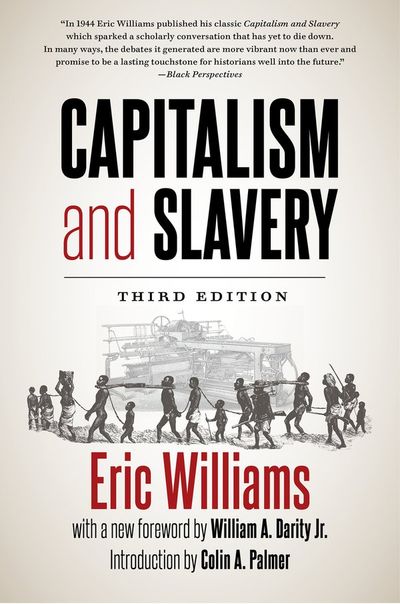
Slavery didn't fund empire. Slavery WAS empire.
✦ READ – REFLECT → RESIST
Germinal
Émile Zola
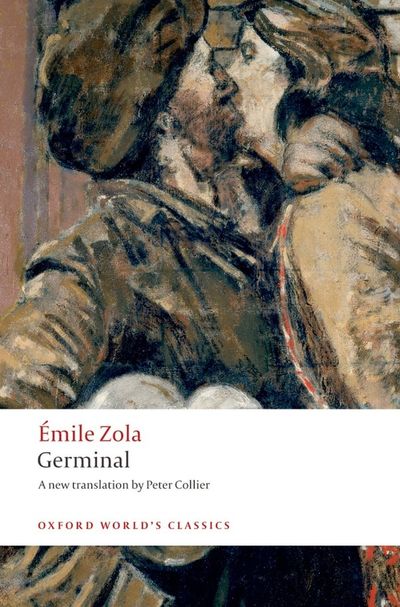
They had nothing left to lose. They struck anyway.
✦ READ – REFLECT → RESIST
Gulliver's Travels
Jonathan Swift

Swift's mean, necessary joke about rulers.
✦ READ – REFLECT → RESIST
How Europe Underdeveloped Africa
Walter Rodney
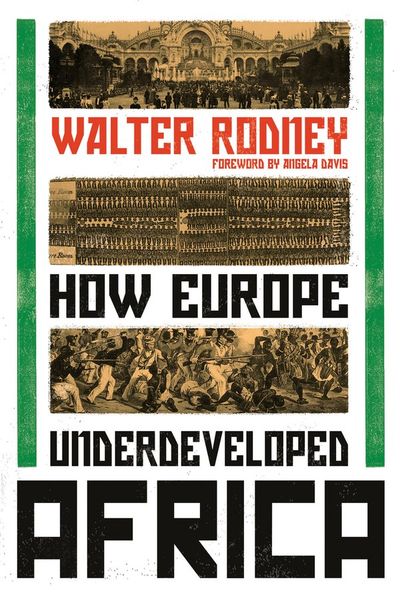
Africa isn't poor. It was made poor.
✦ READ – REFLECT → RESIST
Same pattern, different era
Different time, different place. The same thing keeps happening.
Capitalism and Slavery
Eric Williams
Slavery didn't fund empire. Slavery WAS empire.
✦ READ – REFLECT → RESIST
Doughnut Economics
Kate Raworth
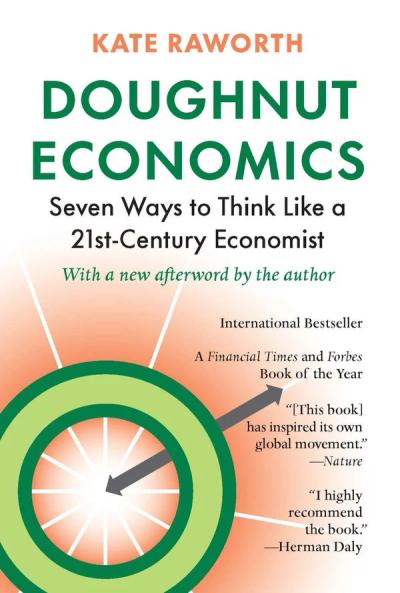
The economy we need, drawn as a doughnut.
✦ READ – REFLECT → RESIST
Enshittification: Why Everything Suddenly Got Worse and What to Do About It
Cory Doctorow
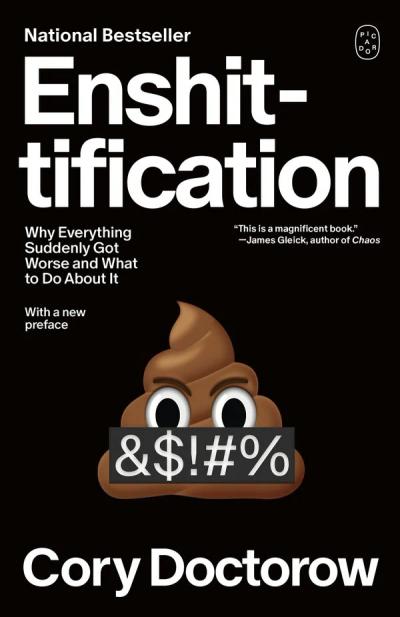
Why your favorite app got worse on purpose.
✦ READ – REFLECT → RESIST
The Ethnic Cleansing of Palestine
Ilan Pappé
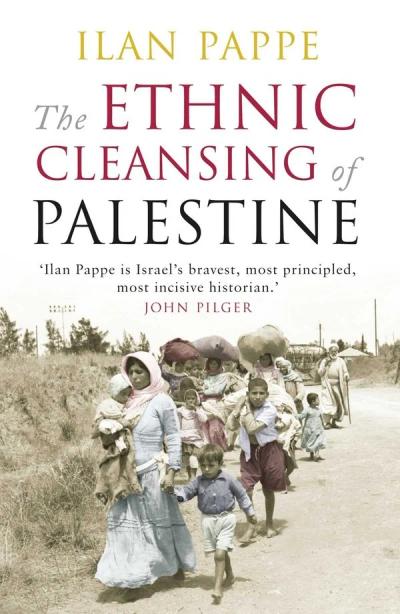
Plan Dalet. Village by village.
✦ READ – REFLECT → RESIST
For the family bookshelf
Same idea, written for a younger reader. Good for reading together.
Amal Unbound
Aisha Saeed
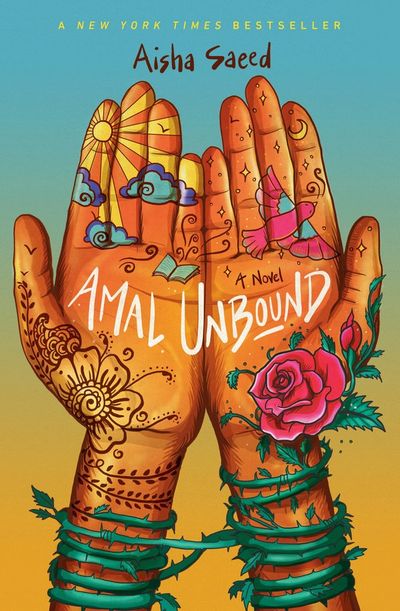
The debt wasn't hers. The cage is.
✦ READ – REFLECT → RESIST
Brave Girl: Clara and the Shirtwaist Makers' Strike of 1909
Michelle Markel
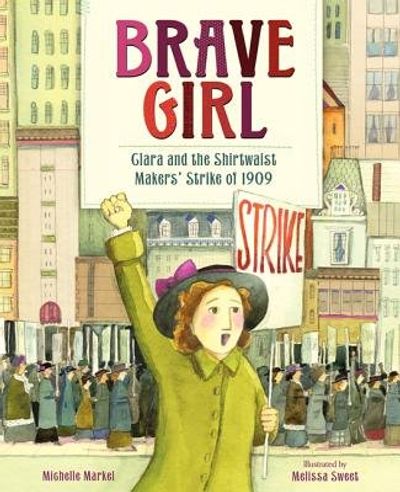
One girl stood up. Twenty thousand followed.
✦ READ – REFLECT → RESIST
Bread and Roses, Too
Katherine Paterson
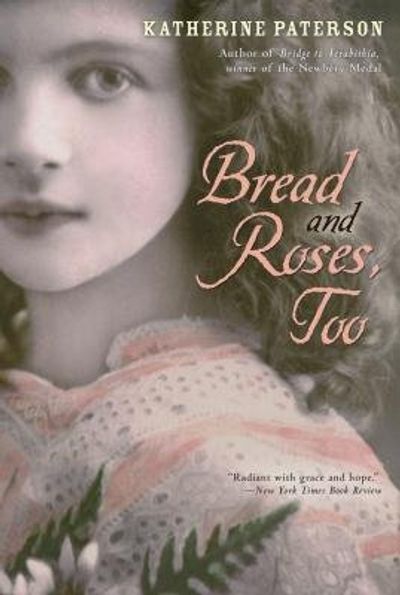
Bread. Roses. Neither is optional.
✦ READ – REFLECT → RESIST
All Different Now: Juneteenth, the First Day of Freedom
Punk and Pedagogy
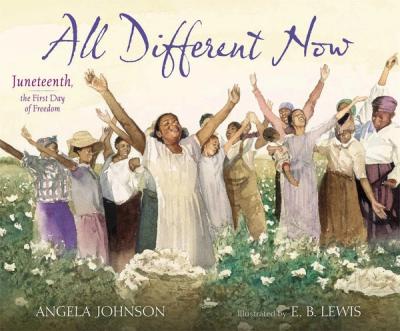
The morning everything changed.
✦ READ – REFLECT → RESIST