
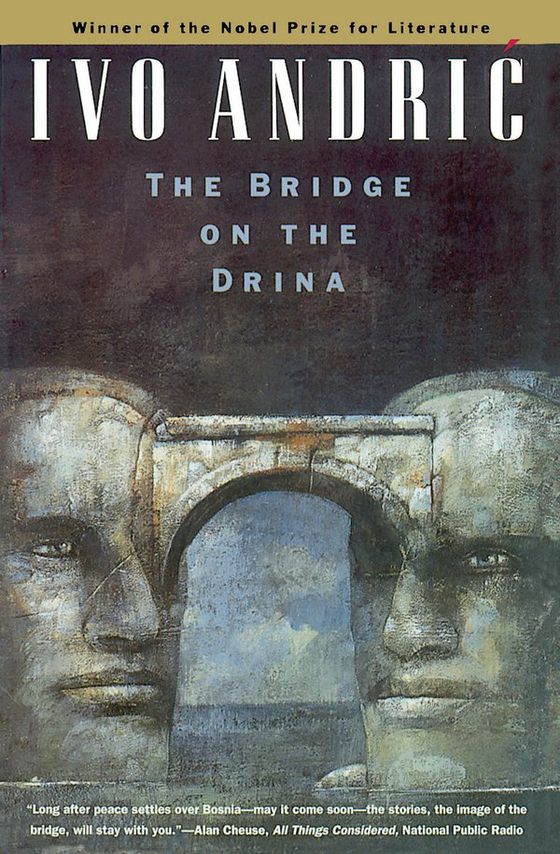
The Bridge on the Drina
by Ivo Andrić
The bridge outlasted them all. Almost.
For you if
you want to understand the Balkans through one place, one bridge, four hundred years
⚡ Choose Your Route ⚡
Not sold directly on this site. Support indie bookstores with a new copy, or go sustainable with a used one.
Buy New on Bookshop.orgSupports independent bookstores
— OR —
Find Used on Better World BooksSecondhand & sustainable
$18 MSRP · Paperback
Reference price shown. Other editions may be available.
A stone bridge gets built over the Drina River in Višegrad, Bosnia — constructed by the Ottomans using forced labor, impalement included. That's the opening. For the next four hundred years, the bridge outlasts every empire that claims it. Ottoman, Austro-Hungarian, the early stirrings of what will become Yugoslavia. Ivo Andrić's Nobel Prize-winning epic moves through generations of Bosnians — conscripted builders, traders, lovers, soldiers, occupiers — and the bridge watches them all. By the time WWI blows it up, you've absorbed four centuries of Balkan history not as dates and treaties but as lived texture: how populations adapt, resist, collaborate, and endure the succession of masters. This is one of the books that fundamentally changes how you understand the world.
Where This Book Lives
- Setting
- Eastern Europe
- Voice
- Written by an Eastern Europe author
Andrić's 1924 doctoral dissertation framed Ottoman rule in Bosnia as historically harmful — and Bosniak scholars have argued for decades that this orientation bleeds into his fiction, that Muslim characters in the novel are drawn with less interiority and dignity than their Orthodox counterparts. The criticism is serious and worth reading alongside the book. It doesn't hollow out what Andrić achieved here — but it belongs in the conversation, not behind it.
Related Viewing
Shares a topic, theme, or setting with this book in the catalog.
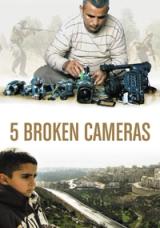
5 Broken Cameras(2011)
dir. Emad Burnat & Guy Davidi
Same theme: Bearing Witness
Five cameras destroyed. Every one kept filming.
A Palestinian farmer in Bil'in documents his village's nonviolent resistance to encroaching Israeli settlements over five years, structured around each of his cameras' destruction.
Why it’s here: Shot almost entirely by a Palestinian farmer with no filmmaking background, on cameras that kept getting destroyed and kept getting replaced — testimony in the most literal sense, edited (not directed) into shape by an Israeli co-director after the fact.
Where to watch: Free on Kanopy, HooplaLetterboxd ↗
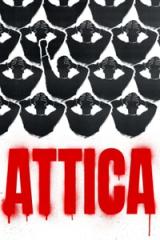
Attica(2021)
dir. Stanley Nelson & Traci A. Curry
Same theme: Historical Memory
The prison uprising, in survivors’ words.
A documentary on the September 1971 uprising at Attica Correctional Facility in New York, when about 1,300 incarcerated men took over the prison to demand basic rights, and the state's assault that ended it killed 39 men, prisoners and hostages alike. Built from archival footage and testimony from survivors. It was nominated for the Oscar for Best Documentary Feature.
Why it’s here: The film puts the people who lived it back in charge of the story, and the story is how a state answers a list of demands. What's punk is the demands themselves: showers, food, medical care, the right to be treated as human. What's pedagogical is the aftermath, the gap between what officials said happened and what survivors and records show. It's a lesson in how to read an official account.
Where to watch: Paramount+; rent Amazon, FandangoLetterboxd ↗
Same event, different angle
The same history — told by someone who saw it differently.
Gulliver's Travels
Jonathan Swift
Swift's mean, necessary joke about rulers.
✦ READ – REFLECT → RESIST
The Good Soldier Švejk
Jaroslav Hašek
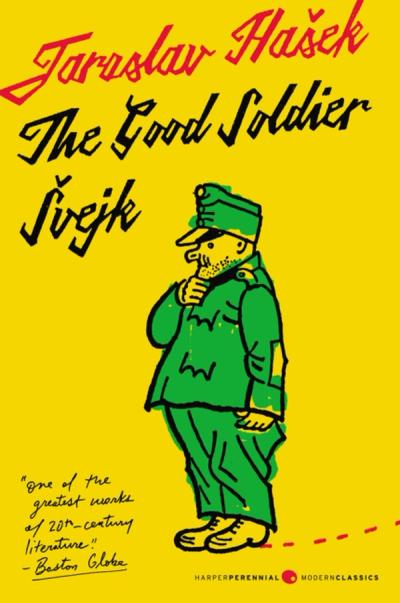
He follows every order perfectly. The empire falls apart.
✦ READ – REFLECT → RESIST
A Peace to End All Peace: The Fall of the Ottoman Empire and the Creation of the Modern Middle East
David Fromkin
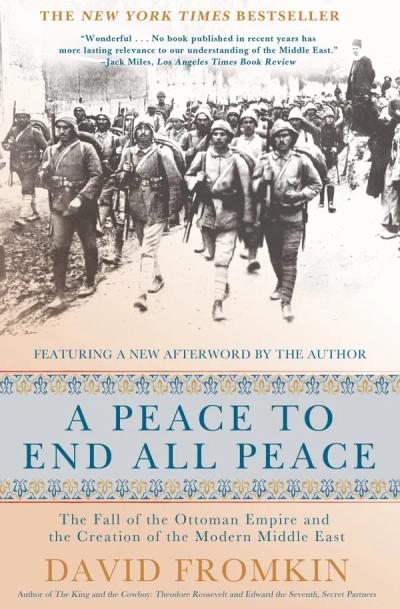
The deals that drew the Middle East in a hurry.
✦ READ – REFLECT → RESIST
Black Marxism: The Making of the Black Radical Tradition
Cedric J. Robinson
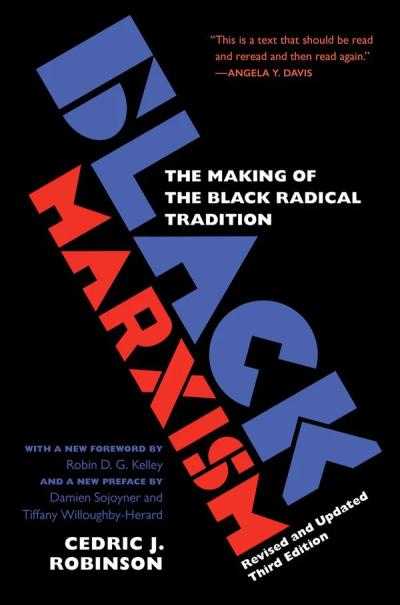
Capitalism was racial from day one.
✦ READ – REFLECT → RESIST
Same pattern, different era
Different time, different place. The same thing keeps happening.
Gulliver's Travels
Jonathan Swift
Swift's mean, necessary joke about rulers.
✦ READ – REFLECT → RESIST
Hope in the Dark
Rebecca Solnit
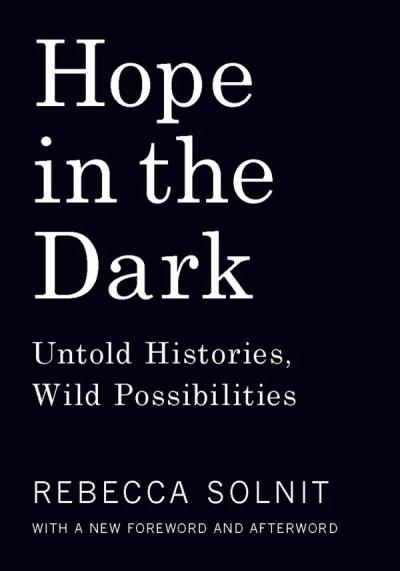
Hope is a practice, not a feeling.
✦ READ – REFLECT → RESIST
Fellini on Fellini
Federico Fellini
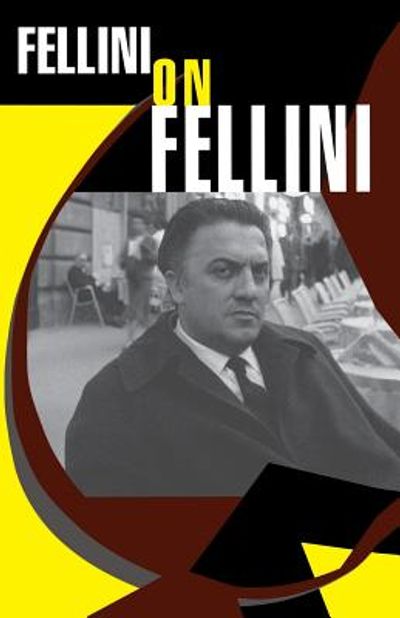
The dreamer’s confessions.
✦ READ – REFLECT → RESIST
The Book of Embraces
Eduardo Galeano
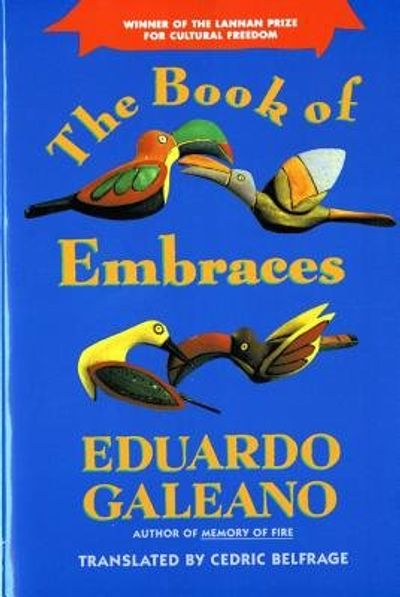
A thousand small truths told sideways.
✦ READ – REFLECT → RESIST
For the family bookshelf
Same idea, written for a younger reader. Good for reading together.
Brown Girl Dreaming
Jacqueline Woodson
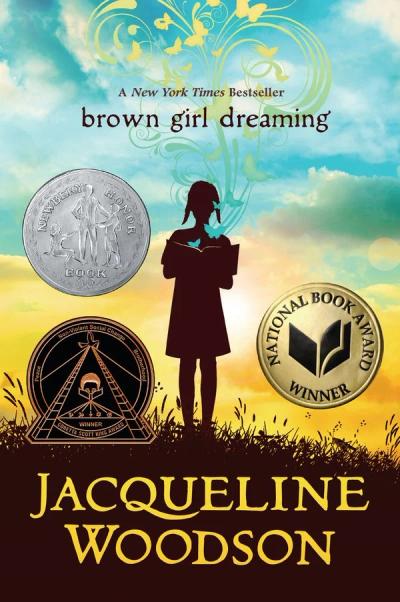
A Black girlhood in verse — history you can feel.
✦ READ – REFLECT → RESIST
Islandborn
Junot Día
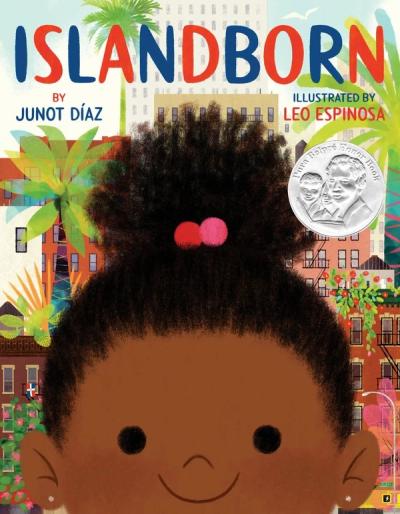
A girl tries to remember the island she left as a baby.
✦ READ – REFLECT → RESIST
The Giver
Lois Lowry
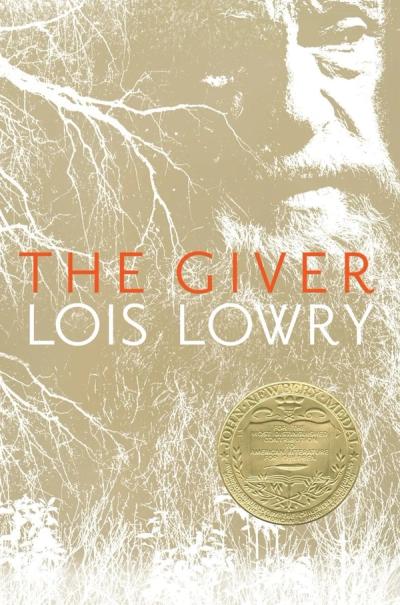
Memory is what they banned. He got it anyway.
✦ READ – REFLECT → RESIST
The Last Cuentista
Donna Barba Higuera
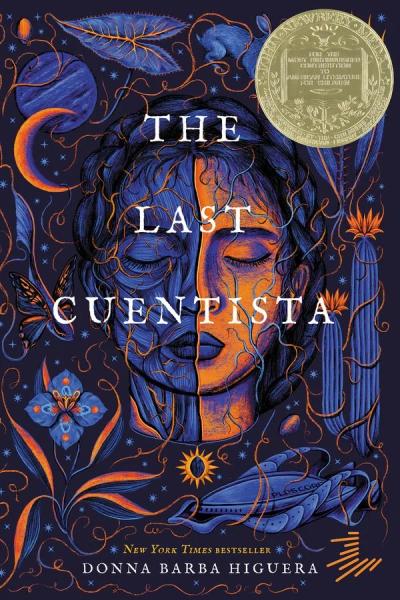
The last girl who remembers the old stories.
✦ READ – REFLECT → RESIST